Craniosacral Therapy and Traumatic Brain Injury: Improvements in Memory, Cognition and Sleep.

Ten sessions of specific Cranio-sacral therapy resulted in a statistically greater reduction in pain intensity, and greater improvements in mechanical ROM, memory, physical reaction time, and duration of sleep in patients with post-concussion up to 3 months after the intervention. In a study conducted in 2014 and 2015, a team of physical therapists, osteopaths, and allied health professionals discovered that specific manual therapy techniques applied to patients with post-concussive syndrome provided significant results for future concussion recovery...
The patients in this study were retired professional football players from both the National Football League (NFL) and the Canadian Football League who were medically diagnosed with post-concussion syndrome. These initial outcomes were inspiring and showed real promise for viable treatment options for traumatic brain injury (TBI), concussion, and the secondary compensatory dysfunctions that occur in the days following TBI.
This case series report describes the effects of Craniosacral Therapy (CST), Visceral Manipulation (VM), and Neural Manipulation (NM) modalities for treating patients who have post-concussion syndrome.
The goal of this study was to evaluate these effects on immobility, pain intensity, quality of life, sleep disorders, and cognition in these patients. Statistically significant differences were seen during CST treatment, patients had a decrease in overall pain rating scale scores, as well as cervicogenic pain levels. There were statistically significant increases in Dynavision Average Reaction Time, memory test scores, and cervical ROM scores.
Hours of sleep averaged 2 hours on the first day of treatment and increased to 4.0 hours at the end of treatment and were continuing to increase, as noted at a 3-month evaluation.
Therefore, with ten sessions of specific Craniosacral Therapy (CST), Visceral Manipulation (VM), and Neural Manipulation (NM) therapy resulted in statistically greater improvements in pain intensity, ROM, memory, cognition, and sleep in concussed patients.
Source: https://www.liebertpub.com/doi...
Craniosacral Therapy and Traumatic Brain Injury: Improvements in Memory, Cognition and Sleep. Related Blog Posts
Craniosacral Therapy and Traumatic Brain Injury: Improvements in Memory, Cognition and Sleep. Related Services

Craniosacral Therapy
Discovering the best form of therapy for your condition can be an enlightening moment. That "aha" moment for many of our patients comes when we introduce Craniosacral Therapy.Craniosacral Therapy

Medical Massage
Medical massage therapy identifies the massage therapist as having more medical training and focuses the sessions more specifically. Medical massage therapy can utilize a combination of manual medicine techniques as described below to optimize the effectiveness of this mode of treatment.Medical Massage
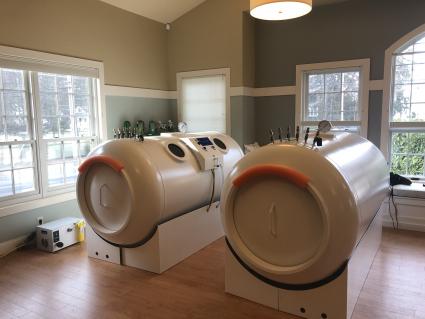
Hyperbaric Oxygen Therapy
Dedicated to treating the root cause of illness and using the most advanced integrative methods in a safe environment, the Stram Center for Integrative Medicine, under the medical supervision of Dr. Ron Stram, will utilize the benefits of hyperbaric oxygen therapy (HBOT) to complement and enhance the healing process in both chronic and acute conditions of our patients. You will…Hyperbaric Oxygen Therapy
Craniosacral Therapy Found to Significantly Improve Symptoms of Fibromyalgia
I just read a research study on Craniosacral Therapy’s beneficial effects on people suffering from fibromyalgia. The results of this study were very clear and significant. Craniosacral Therapy definitely and significantly reduced the body pain, anxiety and depression experienced by the participants of the study, all of whom had fibromyalgia. It improved their overall quality of life – there were clear improvements in physical function, general health and vitality, and therefore the ability to take part in social activities. Craniosacral Therapy also improved the quality of their sleep in the participants.
This was a scientific study published in 2009 in the reputable Oxford Journal on-line edition (http://ecam.oxfordjournals.org/cgi/content/full/nep125). One group received 2 Craniosacral Therapy sessions a week for 25 weeks. The other group – the control group – received a fake ultrasound treatment twice a week for the same 25 weeks. The control group experienced no changes in their fibromyalgia symptoms, while the Craniosacral group had significant improvements in all the above categories. Now here’s the exciting part – the improvements continued to last for over a year even though the sessions had ended!
I find this very exciting and plan to implement more craniosacral work with my clients who are challenged with fibromyalgia. I don’t expect anyone to do the twice weekly sessions for 25 weeks – that was for the structure of the study. I do feel, with something as debilitating as fibromyalgia, that getting some regular sessions for a bit, in a schedule that fits the client’s time and finances, can really make a big difference, and this study proves it.
If you’re living with the challenge of fibromyalgia, consider giving Craniosacral Therapy a try. There is truly nothing more relaxing (I get a session every month without fail). It’s a time, just for you, to rest and heal on a very deep cellular level. I’m very excited to have a research study show how well it works for this!
Creating LASTING Change in 2019
Small changes empower greater change.
Moving into a NEW YEAR brings promises of changing habits, doing things different and the number one intention - finding ways to live a healthier life. Making promises to yourself and keeping those promises are two different things as we know most New Year’s resolutions are put aside by February. How do we make those changes that we really believe are best for us? The first step is to be honest with yourself about what you know, deep inside, are in fact - bad habits. Most of us have 1, 2 or maybe even a few habits that get in our way. I like to start by choosing the one that seems the most accessible or easiest to change. Once we make that choice, here are steps to follow as you make that journey; to encourage you to be bold and make the change.
- Creating lasting change needs to connected to a strong incentive or reason to make the change. That leads us to looking at the importance of being clear about your WHY. I sometimes have clients who want advice about ways to help their sibling, partner or friend get healthier. The truth is that never works, any change needs to be your idea, not the prodding of someone else. Take time to be very clear why you want to make that change. Sit with it and be sure it’s your voice driving the change and that you feel connected to the outcome or the difference the change will make. Sometimes our health is a factor or maybe our finances but it’s important to take the time to know WHY.
- The next step is your WHAT. Consider… if I continue with this habit or if I change this habit - what will my life be like in 1 month, 1 year, or even 5 years? Connect with the big picture: what are my goals for my year, my life? Is the short-term pleasure worth it? Knowing consequences can support decision-making.
- That shifts us to our community and family - the WHO. Who stands to suffer or be impacted by my choices? Also, who will be better off, besides me, if I make this change? You may have family or someone depending on you. It’s helpful to consider if you are setting a bad example for someone you love. Equally important, consider your own disappointment in not making positive changes.
- Timing is a big factor and as the saying goes - If not now, WHEN? There is no time like today to take the first step. Get clear and make a plan, start with one simple change you can make to get the ball rolling. Following a step-by-step process is a productive path to get you there.
- Learning about others who have been successful is your WHERE. Where can I find someone who has mastered this and learn from them? Research someone who is very skilled at what you are trying to change. Look for podcasts, videos, CDs, a local club, a professional-the list goes on and on. Learn from the best and take advantage of the wisdom of others.
Using the 5 W’s (why, what, who, when and where) helps you move through this process to clarify how you can make positive changes happen for you. We always need encouragement to keep going. Let’s look at what can get in your way and what will lead you to success.
Here are 3 beliefs that can get in your way:
- The all or nothing principle: this happens when people feel that if they can’t do everything perfectly they won’t do anything at all. If you make a poor choice at breakfast, lunch is a great time to start over. Skipping the gym on Tuesday makes Wednesday the next great option. Redefine success and celebrate all the positive changes, even the small ones.
- “Everyone has a vice”: this is a way we can rationalize our choices by believing that everyone has bad habits. Lots of people may have bad habits but NO ONE feels good about them. Be the person who breaks the cycle and empower yourself for change. Surround yourself with people who take pride in taking care of themselves.
- I don’t have enough time: time is a precious commodity and we are all very busy. However, we also know that most Americans spend about 4.3 hours a day watching TV! So, there are always creative ways to find time to take care of ourselves.
Here are 3 pillars of success to help with change:
- Inch by inch, anything is a cinch: transforming one meal in a day can create incentive to manifest other positive changes in our diet. Step-by-step progress is much more sustainable as we find ways to create new long-lasting changes.
- MAKE time for what is important: I have a dear friend who says, “we do what we WANT to do”. Be clear about the changes you want to make and shift them high on your list of priorities. This is a hallmark of successful people, who decide to make things happen in their life.
- We have one precious life: time passes quickly as we mark our many life transitions. Making the most of our life gives us a feeling of satisfaction and accomplishment. Find a friend or a partner who is ready to make change and cheer each other on. Be accountable and help each other find ways to create the changes you want.
In the end, you have all the skills you need to set yourself free of bad habits. Making different choices, reframing your thinking and aligning yourself with likeminded people sets you on a path of success.
Cultivating Hope

As we begin to peel and unpack away the layers of experiences in these last two years, we may notice a shift in our ability to access hope. Our relationship with hope changed. We changed. Hope demonstrates the power to support ourselves and those we love. When it is wavered thin due to the chaos and uncertainty around us, mental health issues, and the fatigue in utilizing our survival skills, hope can feel distant and difficult to grasp.
I find that sometimes our society when speaking of hope, positivity, and overall self-care, can be quite insufficient. At times this narrative can diminish and minimize our suffering, experiences, cultures, and backgrounds. There’s a notion that to access hope, even happiness, that we must abandon or no longer feel our pain, and that to reach this level of existence we must be healed. Hope is not the absence of pain, it’s the understanding that our pain can co-exist while we cherish a desire. Our varied emotions are usually accompanied by one another and can provide us with a roadmap to what we need and who we truly are.
With the snow beginning to melt, possibly freezing again, a month passing into this new, uncertain, and unfamiliar year, it’s okay if your ability to harness hope is challenging. Fortunately, it’s a muscle we can exercise and practice. Our resilience to pain and difficulties is evidence that we have the capacity to be hopeful. If we are willing to be open and flexible to the many emotions we experience, without downplaying our pain, we can allow the opportunity for joy, love and abundance.
We can cultivate hope through simple acts of identifying our strengths, whether this being the strength of getting through the day when grief, depression, and anxiety, encompasses our being, or the strength in our ability to show up and care for those we love. We can make attainable goals for ourselves each day, opening the possibility to feel differently than the day before. This being, simply adding breath work to our routine, or making sure we see the sun, rain or clouds each day. We can cultivate hope through learning acceptance with uncertainties, lowering difficult to reach expectations, and acknowledging the possibility for mistakes. We can also harness hope through our relationships, communities, and connections with others. This can look like connecting deeper with our loved ones and sharing our relatable vulnerability. We can also do this by widening our perception to the connections we can make within our community, whether this is simply waving to your neighbors, or starting a conversation, we can build relationships with the people outside of our inner circle. I invite you to ask yourself what patterns or behaviors are enhancing your growth, resilience, ability to instill hope, and what might be in the way or keeping you stuck. Hope is contagious and the more we exercise the muscle, the more we may see it not only in ourselves but in the people around us and in the wider world.
About Danielle Stram,, M.S. Ed, LMHCCultivating Hope Related Blog Posts


Cultivating Hope Related Services

Mental Health Counseling
At the Stram Center, we recognize that mental health is often the basis of your potential to navigate life’s challenges as well as to heal from physical illness. Understanding your full self, including traumas and difficulties you may have experienced, is often the first step to learn what your unique strategies are in the face of life’s difficulties. Quality healthcare should include support…Mental Health Counseling
Curious About Acupuncture? Here’s What to Expect
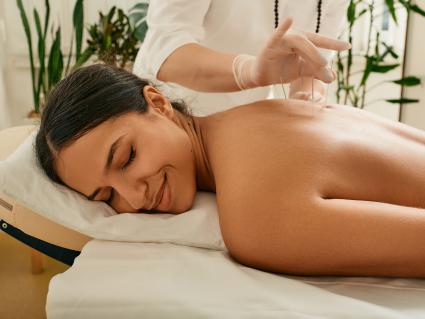
If you’re curious about trying acupuncture and have any reservations, rest assured it is a wonderful experience. Usually the first thing people want to know is—does it hurt? For the most part, no it doesn’t, sometimes you barely feel it, and here is what else I tell all new patients... The needles are very fine and thin, like a few strands of hair thick, kind of like a dog’s or cat’s whisker. They are either inserted with a guide tube or ‘free handed’ by the acupuncturist. Because the needles are so thin and the insertion is swift, sometimes you do not feel it at all, or if you do it is just a tiny poke that dissipates. If it stays feeling sharp, tell us, we will adjust or remove it. After that, you may sometimes feel a dull ache or pressure sensation that comes to the needle, then goes away within seconds. This is a good sign, we call this the arrival of the Qi or energy to the point, it is being activated, energy is moving, and if in a sore muscle, those fibers are releasing. Sometimes you can feel a warming, spreading or travelling sensation, but it is not an electric sensation, we know where nerves are and we avoid them, we are not stimulating nerves, we are stimulating designated acupuncture points.
If you’re nervous and/or sensitive, we will be mindful of this and keep points to a minimum and be very gentle. I always tell new patients, there will be no surprises, I’ll tell you what I’m going to do before I do it, and I check in with you along the way. Depending on the area of the body and how thick or thin the skin is, as well as your own sensitivity, the points can feel more or less sensitive. Some points are predictable as far as how they feel for most people, for example I know certain points may elicit a stronger or more subtle sensation. Usually points are only inserted a couple millimeters, but when working on musculoskeletal issues, points can be inserted deeper, for example in the hips.
Once points are in, you’ll either forget that they’re there or just have an awareness that they’re there. Before we leave the room, we’ll make sure you’re comfortable and warm. You’ll rest for anywhere from 15-30 minutes, sometimes there is less resting time on the initial appointment because of the initial intake. As you’re resting, I say the points talk to each other and talk to your body and you may feel different sensations but it is not painful, rather quite relaxing and people often take a nap.
After the treatment is over, needles are removed and discarded. Usually points do not bleed, but every once in a while, one will bleed a tiny bit and we are ready with a cotton ball or Q-tip. When you leave, you may feel energized, or sometimes you’ll feel like taking a nap that day and if you can, please do so, it’s your body integrating the treatment and telling you that you need more rest, either way you will often feel a deeper sense of well-being, calmness, and clarity. People often sleep well the night of a treatment and I’ve even had patients say they wake up more rejuvenated the next day.
As far as what else to expect from your first visit, a full health history will be taken. We will discuss what has brought you in and ask you other questions about your body, your mental and emotional health and your lifestyle. We will feel your pulses on both wrists and look at your tongue as this is part of how we diagnose what is going on and what guides us in choosing which points are best for you. (For more on this see my previous blog post https://stramcenter.com/blog/blog-detail/tongue-and-pulse-reading-according-to-chinese-medicine/) It is best to wear loose comfortable clothing, but we can always drape you if needed.
In addition to acupuncture, adjunctive therapies included in the practice of Chinese medicine are cupping, massage, gua sha, moxibustion, herbs, nutrition and Qigong meditation and your acupuncturist may include any one of more of these in a session or offer you suggestions of things you can do on your own. Acupuncturists undergo a minimum of a 4-year master’s degree program at nationally certified schools, and some go on to do a clinical doctorate degree, like my esteemed colleague, Dr. Rebecca Rice. All acupuncturists must pass national exams and meet strict state guidelines in order to practice. So, know that you are in qualified hands.
Treatment frequency and number of sessions needed depends on the severity and duration of the issue and your own body’s general health and strength. Often we recommend an initial series of 6-8 weekly visits. Sometimes immediate relief is felt while some chronic issues can take several months to resolve or improve, but we always want to get you to a place where you can come less frequently for maintenance and tune-ups. Some people just love acupuncture and have been coming regularly for years.
If you’re wondering if acupuncture can help you, it can. Chinese medicine is a comprehensive system of healthcare with a continuous clinical tradition of over 3,000 years used for treatment of disease and preventative care. The National Institute of Health and the World Health Organization recognize long lists of conditions that benefit from Chinese medicine. Pain is what brings most people in, but we treat anything health and medically related, so if you’re looking to integrate your healthcare with a less invasive approach where you get to relax and receive, then give it a try.
If you'd like to learn more about acupuncture and Chinese medicine in a very readable book, I recommend: A Patient’s Guide to Acupuncture – Everything You Need to Know by Sarah Swanberg, MS, L.Ac.
Cheers to your health and happiness in the new year!
Curious About Acupuncture? Here’s What to Expect Related Blog Posts

Curious About Acupuncture? Here’s What to Expect Related Services

Acupuncture
Did you know that acupuncture has been shown to be more effective than conventional treatment for migraines, back and knee pain? Acupuncture is also the complementary therapy most recommended by medical doctors (M.D.'s), and is covered under more insurance plans than ever before. No other traditional healing method has ever earned as much world-wide success, recognition and support! Acupuncture…Acupuncture
Acupuncture for Cancer Patients
Acupuncture provides a valuable complimentary therapy for the reduction of the symptoms and stresses of the cancer patient. In addition to its well known effectiveness at reducing many pain syndromes, reducing insomnia and anxiety and moderating digestive complaints, a great deal of research illustrates the importance of acupuncture in the holistic approach to cancer management.Acupuncture for Cancer Patients
Acupuncture and Infertility
There are very few health topics and labels that are as emotionally charged, intensely personal and challenging as infertility. Strict medication and assisted reproductive technique schedules alone can be very stressful. When added on to the expectations and possible fears of living with fertility challenges, they can prove overwhelming.Acupuncture and Infertility
Curious About Cupping?
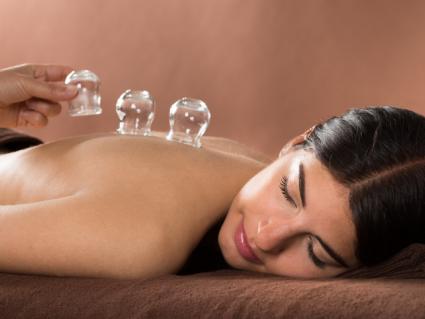
Cupping can improve health!
Cupping is one of the modalities that acupuncturists use to improve health. Although it does date back thousands of years within the practice of Chinese Medicine, its use has also been documented in ancient Egypt, Greece, other European and Asian countries and by Native Americans. Chinese medicine is based on the concept of Qi, which roughly translates as energy or our circulating life force. Ailments and injury can disrupt the flow of both Qi and blood. Cupping is one modality, along with acupuncture and herbs, that can move stuck Qi and body fluids.
Cupping involves placing glass, silicone, or plastic cups on the skin and creating a vacuum by suctioning out the air. I often describe cupping as the opposite of massage—whereas massage is pushing into the body, cupping is pulling away. The suction pulls the skin, tissues and muscles upward, softening them. It feels very good, it is not painful, and if the suction feels too strong, it can be adjusted to relieve tightness. I often combine cupping with acupuncture into one treatment, but it can also be used alone. Adding cupping to an acupuncture treatment often allows for increased relief of symptoms and underlying issues.
The benefits of cupping include helping to: increase circulation, relieve muscle pain, tightness and headaches, promote healing from injuries, detox by stimulating lymph and blood flow, relieve respiratory issues like initial onset of a cold or flu or chest congestion, improve skin, and promote relaxation by relieving physical illnesses that result from stress and anxiety.
Depending on your comfort and the acupuncturist’s assessment of the problem, cups may be left in place or moved around with the use of oil to help them slide. They may stay on your body briefly or for several minutes at a time. Each treatment is unique to you on that particular day. One very common area to be cupped is the back and shoulders, although cups can be used anywhere on the body where a broad enough area of the skin can be accessed such as the hips, legs, arms, and even the face to relieve sinus pressure, address facial paralysis, and improve the vitality of the skin.
The treatment can cause temporary circular red marks similar to a bruise although it does not feel like a bruise. If used on the face, this will be avoided. You may have seen some of the athletes, like Michael Phelps, in the last summer Olympics with cupping marks. The discoloration can last anywhere from one day to a week. This is an indication of increased blood flow. If there is an injury or energetic blockage under the area that was cupped, this often creates more change on the surface of the skin. Sometimes the skin only turns pink during the treatment and then dissipates right after. Once the marks have cleared, the procedure can be repeated. To be cautious I generally practice a less intense treatment the first time, and then see how the patient reacts before allowing for longer amounts of time and more suction.
Cupping is not be used on patients who bleed easily and/or cannot stop bleeding, have a history of deep vein thrombosis, have skin ulcers or edema, or on patients who have active cancer that is spreading. Pregnant women should be cupped with extreme caution and never on their abdomen or lower back. Your acupuncturist will go over your health history to ensure cupping is safe for you.
If you’ve ever been curious, or wondered if cupping can help you, come give it a try!
Da huang: A Downward Draining Herb
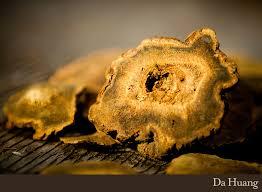
Da huang, also known as Chinese rhubarb, is a commonly used purgative. The root’s direct translation is ‘big yellow,’ demonstrated by its vibrant yellow hue.
The cold and bitter properties of da huang make it a companion to those who have signs of ‘excessive heat’ or ‘damp heat,’ especially in the lower part of the body. In other words, this downward draining herb addresses constipation, and other inflammatory issues in the colon, liver, gallbladder, stomach, and reproductive organs.The strength of the herb is well-known, therefore it is not used during pregnancy and used cautiously for the elderly or those with a weak constitution.
One recent study points to da huang’s effect on the liver. According to a study in the Journal of Ethnopharmacology, the popular Chinese herbal formula ‘da huang fu zi tang’ can ameliorate liver damage in rats with acute pancreatitis. In Chinese medicine this is known as the herbs damp heat-clearing property.
Delicious and Nutritious Green Smoothies!

Green smoothies are a great way to increase your fruit and vegetable intake without promoting blood sugar fluctuation. Be sure to include a healthy protein or fat source! Green smoothies are a great way to start the day, or enjoy as a snack, dessert, or as a meal
Green Smoothie
Recipe by: Eric C. Sharer, MPH, RD CSO, CDN Serves 2-4 people
Green smoothies are a great way to increase your fruit and vegetable intake without promoting blood sugar fluctuation. Be sure to include a healthy protein or fat source! Green smoothies are a great way to start the day, or enjoy as a snack, dessert, or as a meal
Ingredients:
1 cup water
1 cup non-dairy milk such as soy, almond, rice, oat or coconut milk
1-2 cups fresh greens such as kale, collards, or spinach
¾ cup strawberries, fresh or frozen or other favorite berries
1 ¾ cups peaches/mangos, frozen or other favorite fresh fruit such as watermelon Or 1-2 frozen banana’s
1-2 tbsp. Tart cherry concentrate Optional
10gmPea Protein, Optional
Or
1-2 tbsp of a healthy fat (ground flax seed, chia/hemp seed, avocado, nut/seed/peanut butter, etc.)
Directions:
- Place all ingredients into blender/vita-mix, starting with the liquids.
- Start the blender on low setting (variable 1 if using vita-mix). Quickly increase speed to high setting.
- Blend for 1 minute until desired texture is achieved.
- If using regular blender you may need to stop several times to scrape down the sides of the blender
***Gradually decrease the fruit and increase the vegetables in the smoothie. Try adding any of the following: shredded carrot, shredded beets, ripe colored bell peppers, celery, cucumber, etc.
- Eric’s Green Smoothie Guidelines
- Alternate the types of greens that you use in the smoothie (spinach, kale, collard greens, Swiss chard, etc.)
- Gradually decrease the fruit and increase the vegetables until you find a balance that you like.
- Try adding sweet tasting vegetables such as carrots, beets, ripe colored bell peppers, cucumber, celery, etc.
- Try making a balanced smoothie consider adding protein powder or a healthy fat to the smoothie.
- Healthy fat: ground flax seed, chia/hemp seed avocado, nut butter, etc.
- Protein powder: pea protein
Demystifying Carbohydrates
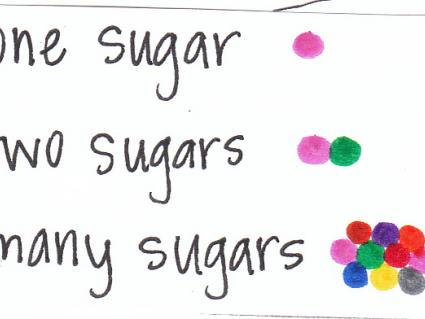
Understanding how carbohydrates and sugars are metabolized by the body.
Carbohydrates and sugars are seemingly one of the most confusing and misunderstood food groups. Often, patients will say they “don’t eat sugar” but, when asked about their diet, they list cereal, bread, pasta, potatoes, rice, milk, juice, and fruit as part of their regular diet. While it’s true, they are not eating white table sugar, the majority of the foods they are eating naturally contain large amounts of sugar.
Understanding carbohydrates and sugars
Carbohydrate is another name for a saccharide (sugars, starches, and cellulose). Saccharides are further classified by their structure:
- Monosaccharides (one molecule of sugar) include: glucose, fructose, and galactose
- Disaccharides (2 molecules of sugar) include sucrose, (glucose and fructose) and lactose (glucose and galactose)
- Polysaccharides (many sugar molecules) include starches (grains, corn, potatoes) that have amylose and amylopectin
- Cellulose comes from plants and is not digestible by humans, therefore cellulose is considered fiber
What is white table sugar?
White table sugar is derived from sugar cane. Sugar cane contains sucrose, glucose-fructose molecules, and is quickly broken down by an enzyme called sucrase in the intestine for absorption.
How does sugar affect insulin and weight?
Glucose stimulates insulin production. In a breakfast of cereal with milk and orange juice, each food contains or breaks down into glucose. Glucose raises blood sugar and stimulates the secretion of insulin, which lowers blood sugar.
- When too much insulin is produced in response to a high-glucose load on a regular basis, it could eventually lead to insulin resistance and type 2 diabetes
- Insulin also causes the body to store and lock down fat
Foods that are high in both carbohydrates and fat - for example toast with butter, cheese and crackers, bagel with cream cheese, ice cream, and fried starches (French fries, potato chips, and donuts) - cause weight-gain.
In light of a recent study that found low-fat diets are not superior when compared to other types of diets - I am now even more convinced that dietary fat is not what causes weight-gain, but the over-consumption of carbohydrates in addition to high-fat foods is what leads to weight-gain.
What carbohydrates are good to eat?
Generally carbohydrates that are naturally high in fiber are recommended. Fiber helps to slow the absorption of other sugars.
- Plants contain the saccharide cellulose, which is not digestible by humans and is therefore considered fiber
- Whole, minimally processed grains contain more fiber than processed white grains.
Choose your carbohydrates wisely! If it is high in fiber, then it is going to be good for you. If it contains a lot of sugar, and little to no fiber, then it would be best to stay away and eat only on occasion.
Disulfiram | An Innovative Treatment for Persistent Lyme
Disulfiram may help arm you in your fight against persistent Lyme.
A chemical variation of disulfiram was first used in the early 1900’s for the sulfur vulcanization of rubber. In the 1930’s a rubber factory doctor noticed workers having negative effects from alcohol consumption after exposure to disulfiram. Around the same time disulfiram was being tested for the treatment of various parasitic infections. In the 1940’s chemists at a Danish drug company accidently contaminated a batch of disulfiram and it was found to have better drug properties. It was then patented as Antabuse. It was approved in 1951 by the FDA for the treatment of alcohol use disorder.
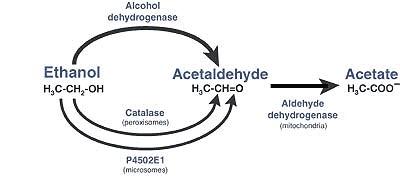
At that time it was also discovered how alcohol was metabolized. It is a two step detoxification process that occurs mostly in the liver, but also in the brain, pancreas, and stomach. Alcohol is converted to the TOXIC intermediate ACETALDEHYDE which is then quickly is converted to acetate by the enzyme ALDEHYDE DEHYDROGENASE. The toxic intermediate acetaldehyde is what can cause symptoms of a “hangover” such as headache, nausea, and vomiting.
Disulfiram works by BLOCKING the enzyme ALDEHYDE DEHYDROGENASE which leads to the accumulation of acetaldehyde. Upon immediate ingestion of alcohol this build up of acetaldehyde will lead to symptoms of a severe “hangover”.
After early use of disulfiram as a possible anti-parasitic agent, evidence had been gathering of its effectiveness against parasites such as giradia and malaria. Current research investigating possible antibacterial properties have revealed effectiveness against many bacterial species including mycobacteria and gram positive bacteria such as staph, strep, and bacillus. Possible mechanisms of antimicrobial activity include disruption of bacterial replication by the sulfur in disulfiram.
In 2016, researchers at Stanford University looked at over 4,000 different compounds that could potentially have high antibacterial activity against Borrelia burgdorferi, the bacteria that causes Lyme disease.2 They found about 150 compounds that had greater than 90% killing activity, 101 of which were already FDA approved for other conditions. They chose to closely investigate the top 20 compounds, one of which was disulfiram.
Over recent years, disulfiram is now gaining popularity as a possible tool in the arsenal for the treatment of lyme disease symptoms that persist after initial treatment. There is even an ongoing clinical trial through Columbia University investigating the effectiveness of disulfiram for persistent symptoms after initial infection.3
At the Stram Center disulfiram has been used for a select number of patients who experience persistent symptoms after inital Lyme infection. Our clinical experience has been mixed. While some have dramatic symptomatic improvement, others report a much worsening of symptoms. It is sometimes difficult to determine whether the worsening is from the treatment of the infection or possible drug side effect. Disulfiram side effects are many, and have included mental emotional instability, extreme fatigue, tingling and numbness, and headaches. Dosing is by body weight and is started low and is slowly increased over time to minimize side effects. We also recommend supplemental protocols that can lessen side effects.
The treatment time is typically 3 months but can be up to 6 months. During this time there can be no consumption of alcohol or alcohol based products, foods, and avoidance of topical products that contain alcohol as these can worsen side effects.
Disulfiram can be a potential promising therapy for persistent symptoms post lyme infection.
To see if this therapy could be beneficial for you, please contact us at the Stram Center.
1) Diagram from:
Alcohol Research & Health, Vol. 29, No. 4, 2006
National Institute on Alcohol Abuse and Alcoholism Publications Distribution Center
2) Drug Des Devel Ther. 2016 Apr 1;10:1307-22. doi: 10.2147/DDDT.S101486. eCollection 2016.
Identification of new drug candidates against Borrelia burgdorferi using high-throughput screening.
Pothineni VR1, Wagh D1, Babar MM1, Inayathullah M1, Solow-Cordero D2, Kim KM1, Samineni AV1, Parekh MB1, Tayebi L3, Rajadas J1.
3) https://recruit.cumc.columbia.edu/clinical_trial/1661