Do it Yourself Acupressure Points

In most cases, acupuncture stimulation with a needle is much more effective and long-lasting than acupressure, but here are a few points that can be invaluable to know, and are very effective with acupressure alone that you can learn to do on your own.
The Intestine Point
Whether it’s cramping, bloating, distension or even sluggish digestion, the following point works wonders as an acupressure point. If you lay your hand and forearm flat on a table palm down, this point is found on the forearm about three finger-widths down from the crease of the elbow, and about one-third the distance from the edge of the forearm facing you to the edge facing away from you. Find the spot that is sore, and press for 5 minutes. You should feel relief within a few minutes, so keep pressing until you feel improvement. When pressing this point, your mindset should be one of firmness and determination, as opposed to stress or tension. Think quiet strength as opposed to “forcing it.”
The Nausea Point
Regardless of the cause of the nausea, whether it be morning sickness, sea sickness or in response to medication, this point will give relief. The point is found about two finger widths up from the crease of your wrist, on the palm side right in the middle. This point is often not sore, but will help to improve the nausea within a few minutes. This point is associated with the fire element, and the heart, so your mind should be kept as empty and clear as possible when stimulating it.
The Headache Point
This point works very well for headache or migraine relief. Find the sore point in the meat of your hand between the thumb and pointer finger. Interestingly, this point may move a little bit, but keep following it (the sore point) as you press. When pressing this point, a combination of very firm physical pressure should be combined with a very soft intention to get the headache moving. This intention to “move the headache” starts out like a trickle when you first begin to press the point, and should grow into a strong current as you continue to press it for about 5 minutes. Often the headache will go away almost completely while pressing the point, but return at a lower intensity a short while after the pressure stops. Most often, though, the headache will begin to slowly clear over the next few hours.
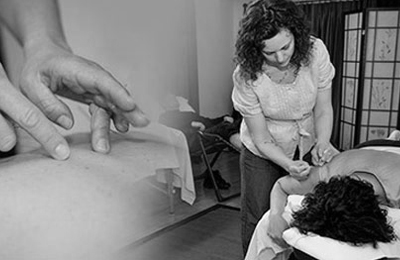
These points can be effective when applied to oneself, but are best stimulated by a companion so that the person feeling the discomfort can relax completely. Give them a try, and have a more comfortable winter season!
Don’t Get Ticked Off, Be Tick Smart

With the warm weather we are all starting to spend more time outside and venturing on to grassy playing fields and into the woods. We are not the only ones who emerge from hibernation with the warming temperatures, ticks also come out to play. We need to be aware of how to prevent tick bites and what to do if we get one!
Prevention:
Prevention is really the best medicine when it comes to tick bites and tick-borne infections like Lyme disease! Lyme and other tick-borne infections can be life altering for some people and never getting infected is the easiest way to make sure that you don’t find out if you are someone who will get really sick. Most of us have heard about tucking our pant legs into our socks when we hike and spraying our shoes (not our skin) with permethrin bug spray can help prevent ticks from getting ahold of your juicy skin for a bite to eat. Other tips for avoiding tick bites include staying out of the tall grass and doing a tick check (every time!) when you get home from being out in a grassy or woodsy area. Make sure to check everywhere, all the nooks and crannies of your body. Ticks usually grab onto your clothing low down and then climb up, so your groin, armpit or behind the ears are a perfect spot for them to hide. They also like your hair, so really, they can be anywhere!
What to do if you get bit:
If you get a bite, save the tick! Put it in a plastic bag or glass jar and contact your doctor. You can send the tick in for testing to see if it was infected with the bacteria that causes Lyme disease or another infection. Testing the tick can get us an answer on whether or not you need aggressive treatment pretty fast. If you have a red bump and don’t know if it is a tick bite, take photos and contact your doctor to discuss the best next steps. There are options for testing and prophylactic treatment to be discussed, but timing really matters so call as soon as you find the bite.
Treatment options:
At the Stram Center we focus on functional holistic medicine, which means there are lots of options for individualizing the approach to your health. We specialized in acute and chronic Lyme and tick borne illnesses. We are up to date on the best recommendations for preventing acute Lyme from becoming a chronic condition. A prescription medication might be right for one patient where a course of herbal medicine might be right for another. There are always options when it comes to addressing your specific health needs. For a tick bite we may recommend prophylactic antibiotics or Lyme testing, we may discuss if another option is right for you. This tick season, enjoy the outdoors but be tick smart! We are here if you get bit!
Don’t Get Ticked Off, Be Tick Smart Related Blog Posts



Don’t Get Ticked Off, Be Tick Smart Related Services

Chronic Illness
Nowhere is the need for an integrative approach more apparent than in the management of chronic illness. We are a synthesis of many systems all working together, and when one or more systems become diseased, all of the others will be stressed as well. From physical challenges, to the challenges of everyday living, to a satisfying quality of life, we have to go past seeing that illness in…Chronic Illness
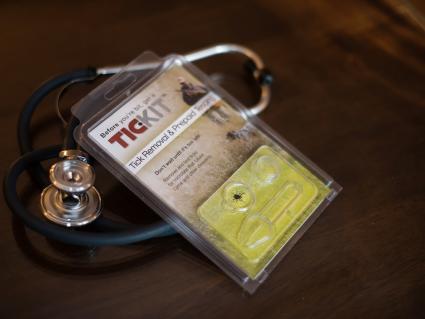
Lyme Disease
Lyme Disease Diagnosis and Treatment in Delmar NY and Burlington VT offices At the Stram Center we vow to continue our education on Lyme Disease research, stay up to date on the most effective testing and all the safe available therapies. Moreover, our years of experience in treating patients according to the whole person-integrative medicine approach allows us the most effective way to care…Lyme Disease
Lifestyle and Prevention
Nutrition is an essential component to preventative health, and is one of the most modifiable factors in our lives. Embracing a proper diet for your body has the power to positively impact your health on all levels, helping you reach your own distinctive state of wellness.Lifestyle and Prevention
Naturopathic Medicine
Much like a general practitioner, a naturopathic doctor manages a broad range of health conditions affecting all people of all ages. However, naturopathic medicine is a distinct system of primary health care, distinguished by the healing principles upon which its practice is based.Naturopathic Medicine
Dr. Stram Attends First Annual TBDA Gala 2012
Dr. Ron Stram shows his continued support for Lyme Disease treatment by attending the first annual Tick-Borne Disease Alliance (TBDA) Benefit Gala in New York City on May 16, 2012. Learn more about Dr. Stram’s whole body approach to Chronic Lyme Disease treatment.
Easy Stir Fry with Eric’s Tasty Tempeh
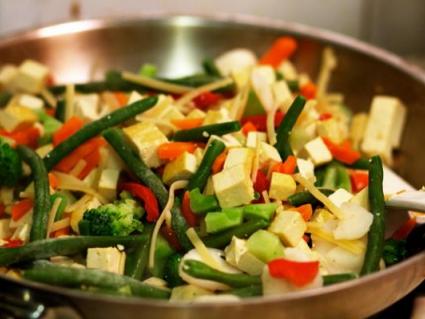
In recognition of American Heart Month it is important to embrace a healthy lifestyle to prevent and manage heart disease. A recent 2014 study in the Journal of the American College of Cardiology of 20,721 men found that those who avoided smoking, had moderate alcohol intake, exercised, had the least amount of belly fat, and consumed the most fruits, vegetables, whole grains, and legumes had an 86 percent lower risk for a heart attack compared to those who did not meet these criteria. A diet of plant-based foods is typically rich in fiber, disease fighting and immune boosting compounds (antioxidants & phytochemicals), and low in cholesterol and saturated fat. It is recommended that people should eat as many plant-based foods (fruits, vegetables, nuts, seeds, legumes, and whole grains), while limiting animal protein, poultry, dairy, and fish as much as possible. Foods coming from animals/fish typically are rich in cholesterol, saturated fat, and have no fiber.See below for an easy stir fry recipe that is rich in plant-based foods, especially soy. Consuming 25 grams of soy protein per day may reduce risk of coronary heart disease.
Easy Stir Fry
Recipe by Eric C. Sharer, MPH, RD, CSO, CDN Serves 4
Ingredients:
1 large onion, peeled, cut into bite size cubes
3-4 cloves garlic, peeled, roughly chopped
1 cup water or vegetable stock to cook vegetables in.
1 bag (16 ounces) frozen stir-fry vegetables or other frozen vegetables
Or 2-3 cups fresh vegetables (broccoli, bell peppers, cauliflower, cabbage, carrots etc.)
1 ½ cups cooked or canned beans (your favorite kind), rinsed and drained
Or other 1 pkg. of protein alternative: tempeh, tofu, etc.
**If using tempeh cook separately (see recipe below)
¼ cup low-fat stir-fry sauce (without unhealthy fats or sweeteners) use sauce from tasty tempeh recipe
2 cups cooked millet, amaranth, Brown Rice or other whole grain, kept hot
Or ¾ - 1 lb. cooked whole grain pasta such as pad Thai style brown rice noodles
Optional:
1-2 cups organic mushrooms, cleaned and chopped
1-2 tbsp. Fresh ginger, peeled and diced
1 head kale, collard greens, or Napa cabbage (de-stemmed if using collards) chopped
- Heat ¼ cup of vegetable broth or water in a large skillet or sauté pan over medium-high heat. Add the onion and garlic, cook until tender. Add more liquid as needed to prevent sticking.
- Gradually add remaining ingredients, except stir fry sauce
- Once vegetables reach desired consistency, add stir fry sauce and cook for another 1-2 minutes.
- Serve over the cooked grain/whole grain pasta of your choice.
- Stored in a covered container in the refrigerator, leftover Easy Stir- Fry will keep for up to 5 days.
Eric’s Tasty Tempeh
Recipe by Eric C. Sharer, MPH, RD, CSO, CDN Yield: 4 ½ cup servings
Tempeh is a block made of whole fermented soybeans. If you have food allergies/sensitivities/intolerances check the ingredients as tempeh may be made of a combination of soy and other grains. Some feel that tempeh has a bitter taste. To minimize the bitter taste, steam the tempeh before using (see below for directions).
8 oz. package tempeh, diced into small cubes
¼ cup tamari or other soy sauce
3 tbsp. sweetener of choice such as maple syrup or brown rice syrup
2 tbsp. vinegar (Brown Rice Vinegar) or Apple Cider Vinegar
4 tsp. garlic, fresh, minced and peeled
2 tsp. ginger, fresh, minced and peeled
Optional
½ tsp. orange oil
OR 2 tsp. orange zest
Directions:
1.Steam diced tempeh in a steamer for 10 minutes. Discard water and set tempeh aside.
2.Mix remaining ingredients in a small bowl. Pour mixture into a sauté pan.
3.Add steamed tempeh and cook over medium-high heat.
4.Continually stir tempeh until all of the liquid has evaporated and coated the tempeh.
5.Add to your favorite stir fry, salad, soup, sandwich, wrap, or simply enjoy!
Eat Well for Heart Health!
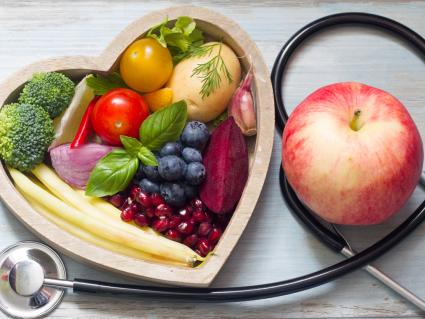
As we observe National Heart Health in February, we recognize that heart disease is still the leading cause of death in both men and women living in the US. While many factors can contribute to heart disease, one of the leading causes is how and what we eat. The Standard American Diet (aka SAD) is comprised of foods and ingredients that contribute or lead to heart disease. This is in part due to the dependence on easy, packaged and processed foods that contain inflammatory ingredients. And when these inflammatory foods make up most of our diet, we lack the nourishing foods that heal and keep our hearts healthy.
To eat for heart health, try to....
avoid foods that harden the arteries and block blood flow. These include fried foods and trans fats. Additionally, sugar intake can contribute to a variety of heart issues so it’s best to keep added sugar to a minimum and limit overall intake of other natural sugars.
Some foods to include for their heart healthy benefits are berries, fatty fish, tomatoes, almonds, and whole grains. For high quality fatty fish, opt for salmon, mackerel, and sardines. Check out seafoodwatch.org for more information on sourcing the safest sustainable seafood. Fish such as wild-caught salmon are rich in omega-3 fatty acids, which can assist in lowering contributing risk factors (including triglycerides and blood pressure).
Lycopene, a natural carotenoid found in tomatoes, has been associated with cardiovascular disease in many studies. Specifically, lycopene works on risk factors including blood pressure and inflammation. To get the biggest nutritional bang for your bite, consume cooked tomatoes regularly, as they contain higher amounts of lycopene than their raw counterparts.
Berries are one of the best sources of antioxidants and studies have shown they may protect heart health in several ways. Try to consume a wide variety on a daily basis, ideally. Some easy ways to include berries are keeping frozen wild blueberries on hand for smoothies and other options such as dried goji berries and pomegranate for snacking to topping salads.
Almonds have been shown to help lower LDL cholesterol, a marker linked to cholesterol. Nuts and seeds in general are nutritional powerhouses that go to bat for the body is many ways. They contain many trace minerals, fiber, and healthy fat, all of which are beneficial. Try to consume a wide variety for not only health benefits but for flavor and texture enjoyment.
And last but not least, whole grains contain ample amounts of fiber, a key ingredient for heart health. Consuming both soluble and insoluble fiber is beneficial but oats are the real MVP when it comes to lowering cholesterol and improving cardiovascular health.
Eat Well for Heart Health! Related Services
Nutritional Counseling
The practitioners at the Center recognize that diet is often the basis for your heath and your potential to heal. Adopting a healthy diet is often the first step towards correcting health problems. Many medical conditions can be treated more effectively when the patient implements specific diets and uses nutritional supplements. These interventions afford fewer complications and side effects than…Nutritional Counseling
Integrative Medicine
Integrative medicine is the blending of conventional medicine with holistic, complementary, and alternative medicine. Integrative Medicine is defined as healing-oriented medicine that takes account of the whole person (body, mind, heart and spirit), including all aspects of lifestyle. It emphasizes the therapeutic relationship and makes use of all appropriate therapies, both conventional and…Integrative Medicine
Eat Your Heart Out
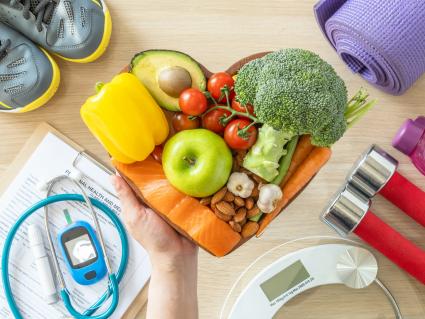
With February being Heart Awareness Month, we might consider if what we are eating is healing or harming our hearts; the organ which pumps life force throughout the body. Keeping our hearts healthy (or improving our heart health) should include a total lifestyle approach. What we eat matters, as does exercise, sleep, whether we smoke, and stress management.
Taking a deeper look at nutrition specifically, our heart health is impacted by what we eat and what we don’t eat, meaning we want to include more of the foods that heal, while avoiding foods or substances that increase risk for cardiac complications.
What to avoid:
· Trans fats: found in many processed foods
· Saturated fats: bacon, sausage, and other processed meats
· Sugar: found in sweets and baked goods, as well as condiments, granola bars, and cereal
· Alcohol
What to include:
· A wide variety of fruits and vegetables: try to consume whole foods over refined or processed ones. Fruits and vegetables have a wealth of nutrients, vitamins, minerals and other plant properties that are healing and protective. Dark leafy greens and berries are especially rich in antioxidants and other vital nutrients.
· Fiber: aim for 5-9 servings of vegetables and fruits per day, along with whole grains, nuts, seeds, and beans. Remember to gradually increase your daily fiber to avoid abdominal discomfort. Overall, aim for a total intake of 25-35g of fiber per day.
· Olive oil and fatty fish: aim for 2-3 servings of fish per week and utilize olive oil when making dressings or for other low/no-heat cooking
About Janna Neitzel,, MS, RD, CDN
Eat Your Heart Out Related Blog Posts

Eat Your Heart Out Related Services
Chronic Illness
Nowhere is the need for an integrative approach more apparent than in the management of chronic illness. We are a synthesis of many systems all working together, and when one or more systems become diseased, all of the others will be stressed as well. From physical challenges, to the challenges of everyday living, to a satisfying quality of life, we have to go past seeing that illness in…Chronic Illness
Nutritional Counseling
The practitioners at the Center recognize that diet is often the basis for your heath and your potential to heal. Adopting a healthy diet is often the first step towards correcting health problems. Many medical conditions can be treated more effectively when the patient implements specific diets and uses nutritional supplements. These interventions afford fewer complications and side effects than…Nutritional Counseling
Integrative Medicine
Integrative medicine is the blending of conventional medicine with holistic, complementary, and alternative medicine. Integrative Medicine is defined as healing-oriented medicine that takes account of the whole person (body, mind, heart and spirit), including all aspects of lifestyle. It emphasizes the therapeutic relationship and makes use of all appropriate therapies, both conventional and…Integrative Medicine
Eating and Fasting for Cognitive Care
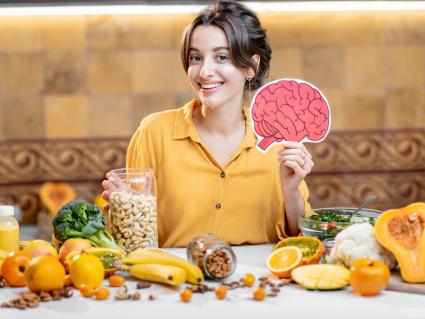
Alzheimer’s is a type of dementia that affects memory, thinking and behavior. The symptoms of this disease eventually grow severe enough to interfere with daily tasks. But microscopic changes in the brain begin long before symptoms, or even first signs of memory loss, occur. When it comes to food and nutrition, diet plays a major role in the prevention of Alzheimer’s and other types of dementia. This is because what we eat can either contribute to cognitive decline or aid in healing cellular repair and oxidative damage.
Avoiding foods that cause or perpetuate inflammation is just as important as increasing intake of foods that heal. The number one offender, as is the case with many diseases, is sugar. Avoiding sugar in its many forms is integral to brain health and prevention of cognitive decline. Some in the medical field now refer to Alzheimer’s as type 3 diabetes because of recent studies show the negative impact of sugar, blood glucose dysregulation, and insulin response.
Conversely, food can be an integral component of healing as well as risk reduction. The Mediterranean diet has proven to be one of the most effective eating patterns to prevent Alzheimer’s and other types of dementia. This diet is based on traditional eating habits in Greece, Southern Italy, and other Mediterranean regions and is characterized by high intake of fruits and vegetables, legumes, olive oil, nuts and seeds, and moderate consumption of fish. There is growing evidence for the neuroprotective effects of the Mediterranean diet and it’s not surprising, as this eating style includes ample antioxidants, monounsaturated and polyunsaturated fatty acids, and a wide array of key vitamins and minerals.
The other major diet therapy for prevention and treatment of dementia and other cognitive decline is fasting. This may seem counterintuitive, as fasting isn’t exactly eating certain foods but instead, going without food for certain lengths of time. There is a growing body of research to support fasting, as the body can heal itself and clean out damaged cells, a process called “autophagy.” This cleaning house can only be done when the body isn’t busy digesting a steady influx of food and instead seeks out these cells as a food source. While it’s not advised to initiate long fasts for those who have unstable blood sugar or have not tried fasting yet, a good first step is to practice a 12-hour overnight fast.
It is best to work with a dietitian or other experienced provider who can give individual recommendations. The benefits of fasting not only help prevent cognitive decline and lower the risk of dementia but they can also provide mental clarity for anyone experiencing periods of brain fog or other types of mental impairment. Fasting highlights the innate ability of the body to heal itself.
RESOURCES
https://www.hindawi.com/journals/omcl/2019/9874159/
Eating and Fasting for Cognitive Care Related Blog Posts



Eating and Fasting for Cognitive Care Related Services
Nutritional Counseling
The practitioners at the Center recognize that diet is often the basis for your heath and your potential to heal. Adopting a healthy diet is often the first step towards correcting health problems. Many medical conditions can be treated more effectively when the patient implements specific diets and uses nutritional supplements. These interventions afford fewer complications and side effects than…Nutritional Counseling

Anti-Aging Therapy
How to Combat the Anti-Aging Process with Intravenous (IV) Therapies As we get older how do we combat the natural effects of the aging process?First, we have to look at some of the main factors that cause the symptoms of aging and degeneration. These symptoms include fatigue, muscle weakness or muscle loss, reduced stamina and endurance, poor memory and cognition, and chronic inflammation and…Anti-Aging Therapy
Eating for Immunity and the Role of Nutrition
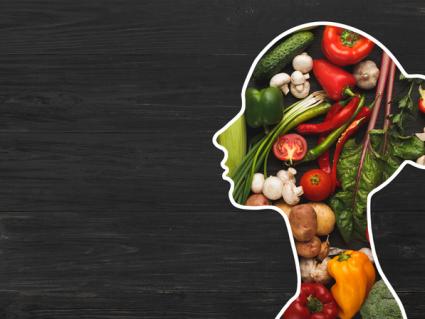
We often hear/say “you are what you eat,” but the truth is actually “you are what you absorb.”
Our ability to digest and absorb nutrients and use them in the ways our body needs is incredibly complex. But one of the first and simplest steps to aid absorption of some key nutrients is turning to food first, before popping various supplements. There is definitely a place for supplementation but we must understand the definition of these tools is truly to “supplement,” or make up for, what we are lacking, either in our diet or in our body’s ability to convert and utilize nutrients.
With Coronavirus at the forefront of our minds these days, we should all be seeking improved immune health. It would be irresponsible for anyone to list key foods and claim immune enhancement by simply eating them. That’s because immunity is a packaged deal—we must look at the total package and not the various parts that make it up. Eating nutritious food is wonderful for so many reasons, but if you are not sleeping or supremely stressed out (or, more often, both) then the food won’t save you. It’s just one piece of the puzzle.
That being said, it’s an important piece of the immunity puzzle! We know for a fact that sugar, for example, makes all symptoms worse, from gut health (where most of our immunity lives) to stress. So as hard as it is to not turn to our comfort foods in an effort to cope with the added stress we’re all feeling, try to limit sugar intake. A great rule to have in place is to keep your home free from tempting and unhelpful foods. Set yourself up for success and stock your fridge, pantry, and freezer with whole, nutritious foods so you have lots of options when you reach for a snack.
Some key nutrients we know to help build or maintain a healthy immune system include zinc, B-vitamins, vitamin D, vitamin C, vitamin K, vitamin A, and iron. These can be found in a wide array of fruits and vegetables (the more the merrier) so eat a variety for the best nutrition. Some foods high in zinc include oysters, beans and lentils, nuts and seeds. Additionally, turmeric, ginger, and fermented foods are mighty warriors when it comes to inflammation and gut health. So add some spice to your life (like using turmeric in your scrambled eggs) and work those probiotic foods into your every day. Some delicious ways include sipping kefir or kombucha, pickling some veggies, or having a low-sugar yogurt at breakfast.
We encourage you to follow our social media, both on Facebook and Instagram for recipes, nutrition information, supplement highlights, and encouragement, during this time and all times.
Eating for the Heart
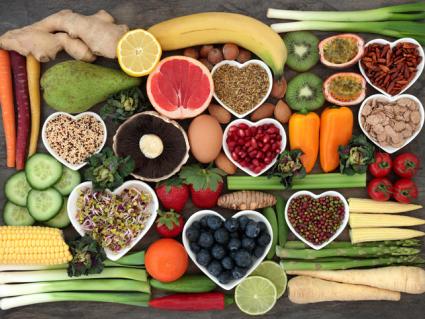
Plants and fiber for the win!
February is Heart Health Month and it’s downright impossible not to draw a connection between a healthy heart and good nutrition. But with so much information on the internet or presented throughout other media (thanks, Dr. Oz) it becomes a confusing and noisy world of nutrition information. Let’s get down to some key basics that can protect and/or mend cardiac functioning to keep your ticker ticking.
First up: PLANTS! "Plants" is a general term but, overall, fruits and vegetables have beneficial properties that are best broken down and absorbed by our bodies if not otherwise compromised by underlying conditions, such as gut dysbiosis. As much as possible, challenge yourself to include 5-9 servings of fruits and vegetables daily, combined. You might be surprised how this can impact the quality of your diet—when you’re filling up on the good stuff, you leave less room for the not-so-good stuff.
Speaking of plant power, that brings us to this second dietary recommendation for a healthy heart—fiber! Ever heard of it? There are two different kinds, soluble and insoluble. Soluble fiber helps us form a soft stool and can be found in: oat bran, nuts and seeds, beans, lentils, peas, fruits and vegetable (like carrots and apples). Insoluble fiber dissolves in water, aids in satiety, and slows down digestion, helping to keep our blood sugar stabilized. On the flip side, insoluble fiber adds bulk to out stool and can be found in other fruits and vegetables (such as brown rice, avocado, dark leafy greens, and the skin of root vegetables like sweet potato). Both kinds of fiber can help keep our gut bacteria happy and move stool through our system, aiding in detoxification. Research shows that adequate intake of soluble and insoluble fiber can have a positive impact on lowering blood pressure and cholesterol. Keeping these levels in check or lowering them, for many of us, protects our heart by not making it work dangerously hard.
So make your plate colorful at mealtimes by including lots of lovely fruit and vegetables (aim for half your plate) and you’ll likely be hitting your target fiber intake as a bonus. That’s a win-win you can really take to heart!
Ending the Year on a High Note!

4 ways to create health in the new year & a healthy, yummy recipe.
We all know how quickly time passes and as the holiday celebrations come to close, it’s a good time to set our intentions for the new year. Practically speaking, the holidays are the time when we can get run down or exposed to flu bugs or viruses. When we combine that with overeating, it can create some winter colds and flus.
Last month we talked about ways to keep your holiday delicious and healthy and now we want to extend that into creating health in 2019. Prevention is a great strategy when it comes to immune health and cold and flus. Imagine how great it would feel to start 2019 motivated to take care of yourself.
Here’s 4 healthy “investments” for creating health in 2019:
- BE grateful! Look around you and count your blessings-there is always something to appreciate. Being grateful can reduce stress and stress chemicals that make our body inflamed and our immune system weaker. Take 5 minutes in the morning to make a list of 5 things you are grateful for or recite them out loud in your car!
- MOVE your body! Get out of your chairs and off your couches. Use free weights or resistance bands while watching TV or take breaks at work to stand up, do some simple squats or climb the stairs or when it’s too cold out, go to the mall to take a walk.
- BREAK up with SUGAR! It is not your friend and even though it can offer short term pleasure - it always brings disappointment and regret with when overdo it. Save it for special occasions. Resist buying sugary treats regularly- try some frozen berries or raw cashews for a touch of sweet or the recipe below.
- Eat those PLANTS! Any way you can add veggies- either fresh or frozen…hold the corn, you are helping your WHOLE body! Vegetables are full of so many nutrients that eating them is a direct way to create health in 2091. Vegetables also have a high proportion of fiber so increasing daily consumption supports immune health. Our immune system, in our gut, makes good bugs or bacteria with that fiber making them the perfect investment.
RECIPE: This is a delicious option for a yummy treat!
Paleo Chocolate Chip Cookies
(grain-free, egg-free, naturally sweetened and vegan-friendly)
Ingredients
2 cups almond meal, or almond flour (you can substitute other flours like cassava, coconut, etc.)
1/4 cup coconut oil , softened (non-vegans can use butter)
3 Tablespoons pure maple syrup
1/4 teaspoon sea salt
1/2 teaspoon baking soda
2 teaspoons vanilla extract
1/2 cup dark chocolate chips (look for at least 60-70% cacao)
Instructions
1.Preheat oven to 350F.
2.In a medium bowl, whisk together the almond meal, salt, and baking soda, then add the coconut oil, maple syrup and vanilla extract and mix well.
3.Fold in the chocolate chips, then drop batter by rounded tablespoons onto a baking sheet lined with a Silpat, or parchment paper.
4.Bake at 350F for 8-9 minutes, until the edges are golden brown.
5.Allow to cool on the pan for 10 minutes, then serve warm or allow to cool to room temperature.
Per Serving: Calories: 100, Fat: 8g, Carbohydrates: 5g, Fiber: 1g, Protein: 2g
https://detoxinista.com/paleo-chocolate-chip-cooki...