Cancer and Your Immune System: Limiting the Possibility of Recurrence
I see many patients post chemotherapy and/or radiation often wondering what to do next. Scans are clear, and there are no “visible” signs of cancer. This of course is great news! The cancer was responsive to therapy and now it’s about staying healthy. So what can you do to limit the possibility of recurrence?
Natural Killer Cells: Our Best Immune Defense
The single best defense we have against cancer is our immune system. Our immune system has the ability to find cancer cells, or foreign cells, and destroy them. In fact newer therapies stimulate the immune system to create antibodies that attack specific proteins on cancer cells.
We know that an unhealthy diet, lack of sleep, and stress can deplete the immune system making us more susceptible to infections and even cancer. But what else can we do to increase our body’s cancer fighting mechanisms? The most important cancer fighting immune cell is the Natural Killer cell or NK cell. These cells circulate and destroy virus and cancer cells and can activate other parts of the immune system to do the same.
Stimulators of NK Cells: Mushrooms and Vitamin D
One of the best and most researched stimulators of NK cells are mushrooms such Maitake, Shitake, and Coriolus- also knows as TurkeyTail. These mushrooms contain a sugar molecule called Beta-glucan within their cell walls, and once extracted, can be used to stimulate NK cell production. And more recently, Vitamin D has been shown to play a role in activating NK cells and other immune cells. Interestingly, mushrooms are also one of the only plant sources of Vitamin D.
So to keep your immune system working optimally after cancer treatment, I would suggest adding the use of medicinal mushrooms and making sure your Vitamin D levels are in an optimal range. Your integrative health care provider can assist you with choosing the correct mushrooms and dosage, and testing for NK cells and Vitamin D levels.
Cancer Survivorship: Things To Consider
Bringing attention to the after-math of surviving cancer is extremely important, as more people than ever are surviving cancer. Dr. Puc offers some things to consider based off more than 20-years of experience in the clinical practice of adult hematology and medical oncology.
Did you know that Sunday, June 5, 2016 was the 29th Annual National Cancer Survivors Day? Bringing attention to issues surrounding survivorship of cancer is extremely important, as more people than ever before are surviving cancer. There are now 14.5 million people alive after being diagnosed with cancer, and by 2025, this number will reach 24 million people according to the Centers for Disease Control (CDC).
Although the current overall decline in cancer death rates is welcome news, it is noteworthy that surviving cancer is often wrought with numerous challenges during and after treatment, including physical, financial, and psychological hardships. Physical problems can result due to side effects from surgery, radiation, and chemotherapy (for example, painful scarring from surgery or radiation, neuropathy from chemotherapy, memory and concentration issues related to chemotherapy—“chemo-brain”, amongst others). Fertility problems can also occur due to cancer therapy. Financial challenges include high out-of-pocket medical costs, sometimes leading to bankruptcy; missed work time/loss of productivity due to sick days or time needed for treatments; and possible job discrimination (studies have shown that cancer survivors are less likely to receive callbacks from potential employers). Various psychological consequences occur in cancer survivors, including anxiety/post-traumatic stress disorder, depression, social isolation, fatigue, and sexual dysfunction. Cancer survivors often develop significant fear of recurrence, and can experience stress due to shift of relationships with intimate partners, family members, and friends, often requiring counseling. They may also be at risk for secondary cancers either related to the primary cancer or to its treatments, and this can also trigger fear.
Cancer survivorship resources are available at both the national and community levels to help individuals deal with these hardships. These include The American Cancer Society, The National Cancer Institute, The Centers for Disease Control and Prevention, The American Society of Clinical Oncology (Cancer.net website), National Coalition for Cancer Survivorship, LIVESTRONG, and many others.
Many oncologists and primary care physicians are now developing survivorship plans for patients who have experienced a cancer diagnosis and treatment. Depending on the type of cancer and type of treatments an individual patient has had, this plan can include periodic testing for recurrent disease (blood tests such as tumor markers; x-rays; and CT, MRI, and bone scans, for example), tests for secondary malignancies (complete blood counts after chemotherapies that can trigger secondary pre-leukemias or leukemias, for example), screening tests for other associated malignancies (mammograms for breast cancer, colonoscopies for colon cancer, for example), and periodic histories and physical exams to assess for possible recurrent disease or delayed side effects from therapies.
With over 20 years of experience in the clinical practice of adult hematology and medical oncology, I offer the following suggestions to individuals who are cancer survivors:
- Make sure you are comfortable with your survivorship oncologist/primary care physician. You need this to be a healing partnership, and you should feel comfortable asking questions about all aspects of survivorship. You should request a written summary of your cancer diagnosis, staging, and treatment plan with potential delayed toxicities to look for (if you have not already received such). Information about screening for recurrent or secondary (new) cancers should be provided and reviewed, including information on genetic testing and possible risk to family members. Consider seeing an integrative medicine/oncology health care practitioner if your doctor cannot provide adequate nutritional and supplement counseling.
- Don’t be afraid to consult family, friends, and professionals about financial hardship/planning. Treatment of cancer is costly, and asking for help in dealing with financial strains can help alleviate stress.
- Be more than a survivor, be a “thriver”: look at what your lifestyle was like before the cancer developed, and make improvements. Were you eating an organic, plant-based, anti-inflammatory diet? Were you drinking at least half your body weight (pounds) in ounces of water each day (for example, if you weigh 150 lbs., water intake should be 75 ounces)? Are you at or close to your ideal body weight? Are you avoiding tobacco or excess alcohol? Are you getting 20-30 minutes of cardiovascular exercise as well as strength resistance exercise on most days of the week? Are you getting adequate, restorative sleep? Do you make use of resources to help alleviate stress (for example, meditation, relaxation breathing practices, yoga, journaling, massage, prayer or other spiritual practice, support from friends and family or professional counseling)? Are you an optimist (optimists have better health outcomes than pessimists)? Are you avoiding personal care products such as skin creams and lotions, toothpaste, shampoos, and deodorants with potential toxins (for example parabens, phthalates, BPA)? Have you checked your home for radon (risk factor for lung cancer)? Is your drinking water filtered and free of potential toxins? Are you balancing your life to make enough room for what brings you joy and laughter (strengthens the immune system)? Are your relationships nurturing? Are you living an authentic life in all its aspects, including your job/career?
- Cultivate mindfulness. The experience of cancer can be a stark reminder that we do not have the past, or the future; all we have is in the moment of now. Many of my patients have told me that their cancer diagnosis and treatment at the time was devastating, but then turned out to be a true gift in their lives, forcing them to be mindful of the present moment, and to have gratitude for all the good in their lives. My advice to survivors is to view this time as an opportunity to relish “the little things” in your life, as well as your most important relationships, and to nurture a life of love, rather than of fear.
Caring for Breast Cancer Related Lymphedema (BCRL)
Taking an alternative approach to BCRL.
Breast cancer related lymphedema (BCRL) is a possible side effect of lymph node removal or radiation damage in breast cancer patients. The symptoms include heaviness and soreness of part or the entire arm, decreased range of motion, recurrent infections and skin thickening. Standard treatment involves exercise, physical therapy, massage therapy, lymphatic drainage and acupuncture. Although there is no cure for BCRL, a 2019 systematic review acknowledged acupuncture’s safety and effectiveness in the management of BCRL.
From a Chinese medical standpoint, lymphedema is caused by a congestion of dampness. Managing BCRL through standard care should include dietary considerations which limit damp causing foods such as dairy, refined sugar, and processed grains. According to Chinese medicine, these foods impair the spleen and its ability to transform and distribute fluids evenly throughout the body. Additionally, the following foods may be added to the diet to detoxify the system: bitter melon, kiwi, fig, watermelon, eggplant and radish.
Reference: Chien, T. J., Liu, C. Y., & Fang, C. J. (2019). The Effect of Acupuncture in Breast Cancer-Related Lymphoedema (BCRL): A Systematic Review and Meta-Analysis. Integrative cancer therapies, 18, 1534735419866910. doi:10.1177/1534735419866910
Cervical Cancer: 10 Important Facts You Need to Know
Happy New Year! January is cervical cancer awareness month. Here are ten important facts about this type of cancer to serve as a springboard for your further research and interest.
1.Cervical cancer is the third most common gynecologic cancer and cause of death among gynecologic cancers in the US, but has lower incidence and death rates than uterine and ovarian cancers, as well as many other cancer sites. Unfortunately, in countries that do not have access to cervical cancer screening and prevention programs, it remains the second most common type of cancer and cause of cancer deaths among all types of cancer in women.
2.Human papillomavirus (HPV) is linked to the occurrence of cervical cancer and can be found in 99.7 percent of cases. The most common cell types of cervical cancer (when observed under the microscope) are squamous cell (69 percent of cervical cancers) and adenocarcinoma (25 percent).
3.Some known risk factors for cervical cancer include: early onset of sexual activity; multiple sexual partners; a high-risk sexual partner (ex: partner with multiple sexual partners or known HPV infection); history of sexually transmitted infections; history of vulvar or vaginal squamous intraepithelial neoplasia or cancer; compromised immune system (ex: HIV infection); early age at first birth (younger than 20 years old) and 3 or more full term births are also associated with an increased risk of cervical cancer; low socioeconomic status; in the US, nonwhite as opposed to white women; oral contraceptive use; and in contrast to squamous cell cancer of the cervix, cigarette smoking is not associated with a significantly increased risk of adenocarcinoma of the cervix compared with nonsmokers.
4.Cervical cytology (Pap smear) is the main test done for cervical cancer screening. Cytology should also be done for women suspected to have cervical cancer.
5.Early cervical cancer often does not cause symptoms, underscoring the importance of screening. The most common symptoms associated with presence of cervical cancer include abnormal vaginal bleeding (including post intercourse bleeding) and vaginal discharge. A mass may or may not be visible or felt on physical (pelvic) exam. Advanced disease may reveal itself with pelvic or lower back pain, which may spread along the backside of the legs. Other signs of advanced cancer could include symptoms of pelvic pressure, blood in the urine, and vaginal passage of urine or stool.
6.The diagnosis of cervical cancer is made by biopsy of the abnormality of the cervix, or a portion of suspected advanced disease.
7.Cervical cancer can spread by directly invading local tissue or by spreading in the lymph or blood systems. Direct extension may involve the uterus, vagina, fallopian tubes, pelvic cavity, bladder, or rectum. The most common sites for distant spread of cancer include the lungs, liver, and bone; the bowel, adrenal glands, spleen, and brain are less common sites.
8.Recommended treatment depends on how early or advanced the disease is in terms of its extent, and may involve uterus-sparing surgery, radical hysterectomy, radiation, radiation plus chemotherapy, or monoclonal antibody treatment.
9.Survivors of cervical cancer are at risk for both local (eg, vaginal or pelvic) and distant recurrences, and most recurrences happen within the first three years of medical follow-up.
10. Cervical cancer survivors can suffer from bowel, bladder, and sexual dysfunction, as well as leg lymphedema (swelling) and fatigue. Cervical cancer patients report more anxiety, depression, and stress than survivors of other types of gynecologic cancers (ex: ovarian, uterine), and so psychological support of survivors is important to help improve quality of life.
I hope these facts have increased your awareness about cervical cancer, and encourage females to keep up with their Pap smears regularly!
Change your Mind
Everyday it seems we are reading about some news or study presenting evidence that our mind is connected to our health. Our thoughts effect how we feel, and how healthy we are.
Do you dwell on negative thoughts or do have a positive outlook?
Just like electricity, our thoughts have a positive (+) and negative (-) energy. Both effect our health and the people around us. Changing how you think may seem like an impossible task, but all it requires is some dedication. A regular routine of meditation can in fact, grow new neural pathways in the brain, and even change our DNA.
Uncluttering the mind is essential for realizing stress and good health.
The Stram Center offers free guided meditation every Wednesday evening at 7:30 PM.
Drop in, maybe you will begin to change your Mind.
Changing Seasons, Changing You
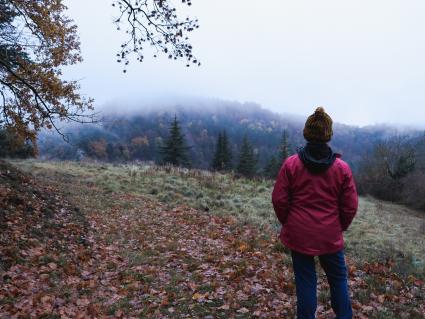
As the air begins to crisp, and the leaves start changing colors, we are brought back to what’s familiar. Maybe this time feels sad, or it feels exciting. The beauty of seasons is the change we must endure; reminding us of our internal strength and resilience. September 10th was National Suicide Prevention Day, and while a day can never be enough to grieve the lives lost and families and friends affected, it’s an important time for us to listen, unlearn, relearn, and heal. With over 700,000 lives lost a year globally due to suicide it important for us to reflect on our own struggles, how common and yet unique they are, and the systems within us and around us, that make it challenging to find hope. Most of us, if not everyone, has thought about dying, has questioned why we are here, and wondered what it would be like to not exist. For us to make changes in that harrowing yearly number, we need to take the shame out of suicide and suicidal thoughts. Shame hides us from the world, it protects us but with limits. It is also not solely on us, but on the systems and powers put in place that keeps us apart: limiting our time available to support one another. Most of us are too tired to have challenging conversations and too exhausted to support one another as most of us are barely able to support ourselves.
As some of us begin to start school, come back from vacations, put our summer clothes away, restart our routines, get back to work, it’s okay to feel burdened by it all. And It’s okay to feel excited about what’s to come, who you will meet and what you will learn. Some important strategies to consider in this transitional phase is to focus on what has already helped you and identify your internal and external strategies. Internal strategies can look like taking a breath before you answer that text or email. Finding the feeling in your body; if you can find the edges of this feeling, where it begins and where it ends. Putting some love, maybe your hand, towards this feeling, acknowledging it’s there, it is showing you you’re alive, and maybe you can talk to it or write to it. Some external strategies can be calling that friend who listens deeply or going for a walk with your co-worker or family member who can relate in the struggles you face. Or maybe, you watch that tv show or movie or read that book that brings you comfort and ease. Acknowledging how scary and uncomfortable change can be and releasing yourself from the expectation that you should feel differently about it. Rather, embrace your feelings and allow them to be, because they will change just like the color of the leaves on that tree.
Just like the change in the weather, we, our feelings, the severity of them, will change and get rearranged in our bodies so that the pain from them feels more manageable that even light can shine through. And maybe this feeling lasts longer than you hoped it would. Hope isn’t always accessible, we can’t always feel it, but it’s always there. Hope is in the tree that has stood tall for decades, weathering storms and suffering. Hope is in your child’s eyes as they taste ice cream for the first time. Hope is in that flower that blooms after that long cold winter. Hope is in our community, between one another as we rebuild after destruction. Suicide and thoughts of suicide has a stigma around it because we, in this culture, tend to avoid what’s painful to survive another day. And while this is understandable, what if we could connect on this common thread that’s between us? Maybe the shame and stigma would lessen, and our bodies could feel comforted and held through the suffering that is living. I encourage you all to reflect on what you keep from the world, your families, friends, yourselves, and what others may keep from you and themselves. We don’t need to withhold our pain and only share them with professionals. Our pain connects us, our pain is our humanness. Have those hard conversations when you can, open up to your neighbors, your friends, your family, if it’s safe, and open yourself up to the world; find your community, no matter how big or small. We don’t need to do all this living and suffering alone.
World Health Organization. (n.d.). World Suicide Prevention Day 2024. World Health Organization. https://www.who.int/campaigns/...
About Danielle Stram,, M.S. Ed, LMHCChanging Seasons, Changing You Related Blog Posts




Changing Seasons, Changing You Related Services

Mental Health Counseling
At the Stram Center, we recognize that mental health is often the basis of your potential to navigate life’s challenges as well as to heal from physical illness. Understanding your full self, including traumas and difficulties you may have experienced, is often the first step to learn what your unique strategies are in the face of life’s difficulties. Quality healthcare should include support…Mental Health Counseling
Chinese Herbal Formulas and the Common Cold
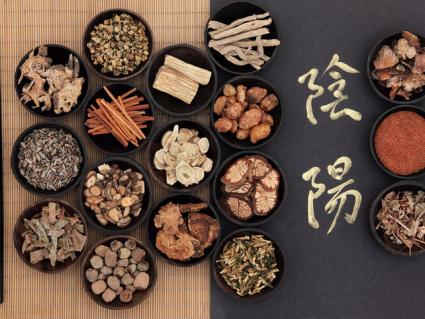
Not all Chinese herbal formulas for the common cold are alike.
Breaking it down to specific cold-related symptoms, there are 18 commonly used formulas used for cough, and 8 standard formulas used for nasal congestion. Each formula is comprised of a different combination of typically 5-12 herbs. Aside from the standardized preparations, each formula can be tailored to the individuals presentation and capacity to heal by adding or subtracting individual herbs from the standard formula.
The method of deducing which formula one should take is dependent upon the evaluation of the tongue and the pulse in addition to symptom presentation. Concerning the cold, is the expectorant thick or thin, green, yellow or clear? Are there chills or fever? Is the cough productive or non-productive, worse at night or with movement? Is there a headache or muscle stiffness? Is there aversion to cold or heat?
Take the case of a common cold that starts with a mild fever, headache and sore throat, and a rapid floating pulse. This type of cold will be best remedied by a combination whose focus is to ‘clear heat’ and ‘relieve toxicity’. One such formula is Yin Qiao San, a cooling formula whose ingredients are:
- Honeysuckle, peppermint, fermented soy bean, forsythia, bamboo leaf, licorice root, edible burdock and balloon flower
One would not use the same formula to address a cold stemming from ‘wind cold’. This could drive the pathogen further, disrupting the defensive qi of the body. Symptoms of a wind cold type of common cold are: spontaneous sweating, dry cough, stiff neck, fever and chills, clear nasal discharge and a pulse that is bound and floating. One suitable formula used for the common cold due to ‘wind cold’ is Gui Zhi Tang, comprised of the following herbs:
- Cinnamon, white peony, fresh ginger, jujube, and honey fried licorice
The beauty of herbs is their ability to reduce the symptoms while addressing the body’s natural defenses in an entirely pragmatic way. What a gift we have in nature!
Chinese Herbal Medicine & COVID-19
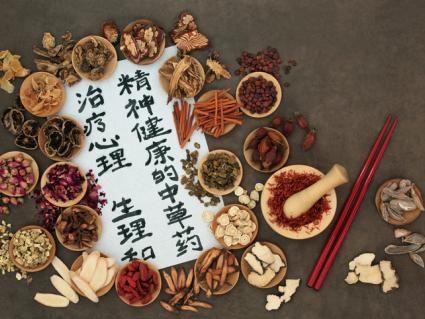
This article discusses the benefits of Traditional Chinese Herbal Therapy for COVID-19 prevention, initial onset of symptoms, progression of symptoms and recovery. If you are interested in Traditional Chinese Herbal Therapy for COVID-19, the Stram Center is offering telemedicine consults only through May 4 to safeguard our patients and staff against COVID-19.
In order to receive Chinese Herbal Therapy telemedicine services, new and existing patients must sign an informed consent, which is available in our patient portal. Please contact us regarding next steps.
Please note: if you live outside of New York State and are seeking Traditional Chinese Herbal Therapy for COVID-19, we may not be able to treat you due to our current licensing, even if you are an existing patient. Please contact us with questions.
Chinese herbal medicine can be very helpful in prevention, treatment and recovery of the coronavirus as well as other health issues in the midst of this pandemic. In these unprecedented times, we are here to help within our means available, for us acupuncturists in the United States, these means are providing herbal medicine via virtual or phone consults. After reviewing up-to-date articles, lectures and videos from COVID-19 experienced doctors, we wanted to share with you our latest impressions from an integrative perspective.
According to Dr. Xing Xing Guo, a Traditional Chinese Medical (TCM) doctor in Wuhan, the epidemic has largely resolved in China (1). Amidst the epidemic, the Chinese government issued a manual on ‘Guidelines for treating COVID 19.’ This manual is now on its 7th edition, demonstrating the process of trouble-shooting and resolutions with which any healthcare community is presented when dealing with emerging diseases. The Wuhan Chinese doctors state that the earlier the disease is treated, the better, and that the inclusion of Chinese herbs yields more favorable outcomes.
It is fortunate that we have dedicated doctors and nurses at our clinics and hospitals treating patients and saving lives. It is also fortunate we have acupuncturists in the area that can recommend herbs to address the stages of COVID-19 disease, from prevention, through symptoms and on to recovery. Hospitals in China have both TCM and Western medical departments and both work together in treating patients. In the states, there is not this integration of approaches, so if you would like to use Chinese herbs in your treatment, contact your acupuncturist.
Not only have Chinese herbs been used for thousands of years, but have been at the forefront of previous epidemics throughout history and with good results. In fact, the large majority of all patients in China have used TCM in the treatment against COVID-19 by incorporating herbs, acupuncture, massage and dietary therapy (2). All of these treatments can contribute to the decrease in severity of symptoms and duration of illness and facilitate recovery time.
Most cases (80%) of COVID-19 are mild and don’t require hospitalization. Chinese herbal formulas are used based on the stage of illness which is determined by your acupuncturist:
- Prevention
- Initial onset of symptoms
- Progression of symptoms
- Recovery
At all stages of illness, acupuncturists make an individual assessment in order to diagnose the appropriate formula. Even though we all now know the main symptoms associated with COVID-19 of fever, cough and dyspnea, acupuncturists will ask many more detailed questions about how it is presenting for you which may include sore throat, head or body aches, chills, alternating fever & chills, sweating or not sweating, and more.
From a Chinese medical perspective, the difficulty breathing is coming from very thick and sticky mucus in the lungs that we refer to as dampness and phlegm. The herbs that are recommended currently are damp clearing herbs along with those that strengthen the body’s immunity. TCM formulas also include herbs that have been shown to be antiviral, antipyretic (fever reducing), antitussive (cough suppressing), bronchodilating & anti-asthmatic (opening airways), expectorating (resolving phlegm/dampness), antihistamine/anti-inflammatory, as well as nourishing in the recovery stage to further facilitate healing and improve energy (3).
According to Chinese medicine, the lungs are the body’s first line of defense and circulate what we refer to as ‘wei Qi’ (pronounced ‘way chee,’)or our protective energy. This acts like a shield, is located between the layers of the skin and muscles, and controls the opening and closing of the pores. In modern medicine, this is analogous to immunity. If this is strong, then we can ward off external pathogens like viruses more easily. The quality of the air we breathe, the food and drink we consume, and the sleep we get, as well as exercise, emotions & stress can strengthen or deplete the energy of the lungs. If the energy of the lungs is weak, this can lead to increased susceptibility to illness.
Herbs are prescribed in what we call formulas of anywhere from 2 to 20 single herbs that work together synergistically to support, potentiate and balance one another. One of the main formulas classically used for prevention is called “yu ping feng san” or jade windscreen powder. This includes the well-known immune supporting herb astragalus. Almost all herbal companies sold out of this when the coronavirus first began increasing in the US. We have an enhanced version of this at the Stram Center that also includes the medicinal mushrooms cordyceps and reishi that are known to strengthen immunity. For more information on these, see Dr. Diroma’s previous blog post: Protecting Your Body Against Viral Infection.
COVID-19 and SARS are mutations of the larger family of viruses called the coronavirus, and are 96% equivalent in structure. During the SARS epidemic in 2003, there were three studies conducted on medical staff treating infected patients which assessed the effectiveness of a preventative formula based on yu ping feng san and several other antiviral, lung protective herbs(4). In all three studies that included a few thousand participants, none of the subjects who had taken the preventative herbal formula contracted SARS. Whether these preventative formulas will have the same effect as they did on SARS, we do not know yet, but it is worth considering these to help strengthen the wei Qi and immune system as they have been used for thousands of years for this purpose.
Herbs can also be used for almost any other health concern you can think of, including anxiety and insomnia which may be exacerbated now during these difficult times.
FAQs about Chinese herbs:
Are the herbs safe? The herbs we source are all from reputable companies that follow strict manufacturing practices from growing, harvesting, processing and testing. Processes are used to assure safety, quality, and clinical efficacy including testing of soil, water, and of the herbs themselves for identity, pesticides, microbes, heavy metals and purity following standards set forth by the World Health Organization and the United States FDA. All of the herbs are plant & mineral-based.
What are the qualifications to prescribe? All TCM herbalists have a minimum master’s degree or doctorate in acupuncture and oriental medicine, maintain licensure in their state, and carry their own malpractice insurance. As part of our extensive clinical education, alongside TCM education, practitioners are trained in biochemistry, pathophysiology, and basic pharmacology, in addition to training in herb-drug interactions, contraindications, and possible side effects.
What is required to obtain herbs? A video or phone consultation would be scheduled. You must reside in New York state. Informed consent forms must be signed, this can be done through the patient portal. Patient health history intake will be taken. Pulse taking and tongue reading are normally a part of our diagnosis, so we may ask you to take a picture of your tongue to send which will be kept securely in our patient portal. Herbs can be picked up outside of the Stram Center by the end of the day, or mailed to you and payment must be received beforehand.
What is in the formula and how long is it taken? Your formula will consist of a combination of sometimes as few as 3 herbs, but more often up to 8-15 herbs. Formulas are composed of usually 2-3 chief herbs that target the illness, 2-3 assistant herbs that support the function of the chief herbs, 2-3 additional herbs to address specific symptoms, 1-2 herbs that decrease any possible toxicity, and other herbs that help harmonize the formula. In regards to COVID-19, the pathology shifts quickly and therefore the herbs must be tailored to the specific phase of the virus and will most likely need to be adjusted every 4-6 days with an end point once fully recovered. For other health concerns, herbs can be taken long term.
Are there side effects? Because of the way the formulas are composed there are very few side effects. Occasionally there may be slight digestive changes, which is sometimes desired. With phlegm in the lungs, it is important to be sure the bowels are moving and not constipated. One way to clear out this phlegm is through the stool. Another side effect may be an increase in energy that could possibly disrupt sleep, so taking the last dose earlier in the evening is sometimes best.
How are herbs taken? The herbs we have stocked at the Stram Center are in either capsule, tablet or liquid tincture form. Other forms of herbs may include a custom formula in a powdered form called granules that dissolves in warm water or the actual bulk raw herbs form. They all work, it just depends on which form you will be able to consume regularly or based on your need and our availability. Dosage is typically 2 times per day and depends on which stage of treatment you are at.
Other tips:
- Avoid dairy, sugar, unfermented soy and fried foods-- these are all phlegm producing and hard on the gut, similarly to how these foods aggravate diarrheal disorders by adding dampness to an already damp digestive system. In order to prevent excessive phlegm production and to keep immunity strong, it is essential to keep the gut as healthy as possible.
- Eat less processed foods and more whole foods including lots of fruits and vegetables, these have the essential vitamins and minerals needed to support immunity.
- Hydrate! Staying hydrated will help decrease the sticky phlegm that may accumulate in the lungs if you become ill. Try to drink lots of water and warm teas, as well as soups and broths, and avoid sugary juices, sodas and over caffeinating. And if you do become ill, try to consume warm fluids every hour.
- Exercise-- even if just walking, to get the heart rate up a bit and maybe sweat a bit to exercise the lungs themselves and diaphoretic action of the skin.
- Keep a regular sleep/wake cycle-- the more rested you are now, the better able you’ll be to deal with the virus if it sets in. Ask for herbs for sleep if you are having difficulty.
- Take deep breaths whenever you think of it-- anything done rhythmically naturally calms the mind, this will automatically bring you into the present moment, and will help oxygenate your lungs.
To schedule a Chinese herbal phone consult with Liza Pollock M.Ac.O.M., L.Ac. or Rebecca Rice DACM, L.Ac. call the Stram Center at (518) 689-2244. You may also set up a meeting via email: aculiza@gmail.com or RiceAcupuncture@gmail.com
Sources:
(1)https://www.youtube.com/watch?v=RtpQEadezxQ&featur...
Clinic Manual of Oriental Medicine 3rd Edition, Lotus Institute of Integrative Medicine.
(4)Lau J, Leung P, Wong E, Fong C, Cheng K, Zhang S, et al. “The use of an herbal formula by hospital care workers during the severe acute respiratory syndrome epidemic in Hong Kong to prevent severe acute respiratory” Journal of Alternate and Complementary Medicine 2005; 11:49-55;
Xu J, Jiang X et al “Clinical observation of Yinhua Yupingfeng decoction in preventing SARS . . .” Conference on the prevention and treatment of SARS in integrated traditional Chinese and Western medicine . . . 2006; 158-159;
Zhang L, Chen B, Zeng H “Analysis of fangdu decoction on SARS and zero infection in hospital” Chinese Journal of Hospital Pharmacy 2005; 25:59-60.
https://www.elotus.org/promo-files/COVID-19_resources/Handbook_of_COVID_19_Prevention_en_Mobile.pdf
Chinese Herbs, Borrelia and Biofilm Research
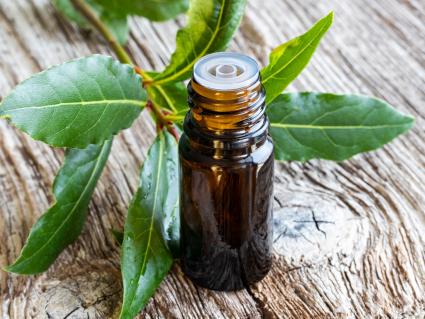
Chinese herbal medicine serves as a natural, comprehensive protective therapy for patients with TBD as well as a viable option to mitigate the disease.
Integrative medicine blends holistic and western medical practices to diagnose and treat illness. Chinese medicine’s clinical history is thousands of years old, yielding one of the most expansive comprehensive medical traditions in the world. It’s herbal therapeutics are used to address ailments as simple as the common cold and as complex as chronic illness. The therapeutic benefits of Chinese herbal medicine are increasingly documented through numerous studies found in peer reviewed journals. One study that I recently came across examines the efficacy of several herbal oils and fatty acids for the inhibition of Borrelia spirochete growth and the breakdown of it’s sturdy biofilm structure known as one of the formidable aspects of the Borrelia bacteria (Goc, et al., 2019). The researchers found that of the 47 oils and fatty acids tested, bay leaf oil and cassia oil, a commonly used Chinese herb, were the most effective in inhibiting Borrelia activity. Both bay leaf and cassia (a.k.a cinnamon) are culinary herbs used throughout the world, likely residents of your spice cabinet.
Biofilm is the protective structure formed by the (Borrelia) bacteria which allows it to survive in different environments and in different cellular states (Sapi, et al, 2016). The biofilm acts like a shield and has been shown in vivo to protect the bacteria even against common antibiotics used to treat the disease (DiDomenico, et al, 2018). Herbal oils of cinnamon, oregano and clove examined in vivo were found to be more effective at disrupting Borrelia replication than was doxycycline (Feng et al, 2017). Feng and colleagues explain that this is due to the nature of the Borrelia bacteria which can be destroyed by commonly used antibiotics in the log phase but that in the stationary phase (the phase which includes Borrelia biofilm, microcolonies, and round bodies) the antibiotics are ineffective.This, the researchers say, may result in persistent infections. This is one example where herbs can be a bridge to treatment success for Lyme.
Chinese herbal medicine serves as a natural, comprehensive protective therapy for patients with TBD as well as a viable option to mitigate the disease. Herbs used in Chinese medicine are typically within a formula comprised of multiple herbs, each owning precise actions singularly and eliciting a myriad of responses in the body when combined with other herbs in the same formula. Simply put, Chinese herbal formulas are similar to a recipe for an excellent dish, where one herb serves as the flour, others serving as the egg, sugar, vanilla, butter and so on to create the perfect cookie.
In addition to cinnamon and clove, some other Chinese herbs that contain bactericidic properties include smilax (tu fu ling), isatis (ban lan gen), andrographis (chuan xin lian), scute (huang qin), forsythia (lian qiao), and artemesia (qing hao), among others. Andrographis contains antimicrobial, anticancer, and anti-inflammatory properties in addition to being known as a cardioprotective, hepatoprotective and neuroprotective herb.
Chinese herbs strengthen the patient’s constitution (whole system), address disease symptoms and decrease the disease burden on the body. For example, there are over 800 Chinese herbs used to address pain. Where there is joint and muscle pain one may use Chinese herbal formulas that include analgesic herbs such as frankincense (ru xiang), myrrh (mo yao), or tumeric (jiang huang). Another Chinese herb, lumbricus (earthworm), has been used for thousands of years to treat stubborn pain and headaches. This herb has shown to increase the pain threshold and exhibits peripheral analgesic effects in mice without the toxic side effects such as those from pharmaceutical painkillers (Luo et al, 2018). In light of the research, extensive history, and unyielding effectiveness of Chinese herbal medicine it’s realistic and optimal to utilize the best that medicine can offer through both western and holistic treatments for Lyme/TBD.
References:
1. Di Domenico, E. G., Cavallo, I., Bordignon, V., D'Agosto, G., Pontone, M., Trento, E., … Ensoli, F. (2018). The Emerging Role of Microbial Biofilm in Lyme Neuroborreliosis. Frontiers in neurology, 9, 1048. doi:10.3389/fneur.2018.01048
2. Feng, J., Zhang, S., Shi, W., Zubcevik, N., Miklossy, J., & Zhang, Y. (2017). Selective Essential Oils from Spice or Culinary Herbs Have High Activity against Stationary Phase and Biofilm Borrelia burgdorferi. Frontiers in medicine, 4, 169. doi:10.3389/fmed.2017.00169
3. Goc, A., Niedzwiecki, A., & Rath, M. (2019). Anti-borreliae efficacy of selected organic oils and fatty acids. BMC complementary and alternative medicine, 19(1), 40. doi:10.1186/s12906-019-2450-7
4. Luo, W., Deng, Z. H., Li, R., Cheng, G., Kotian, R. N., Li, Y. S., & Li, W. P. (2018). Study of analgesic effect of earthworm extract. Bioscience reports, 38(1), BSR20171554. doi:10.1042/BSR20171554
5. Sapi, E., Balasubramanian, K., Poruri, A., Maghsoudlou, J. S., Socarras, K. M., Timmaraju, A. V., … Zelger, B. (2016). Evidence of In Vivo Existence of Borrelia Biofilm in Borrelial Lymphocytomas. European journal of microbiology & immunology, 6(1), 9–24. doi:10.1556/1886.2015.00049
Chinese Medicine & Multiple Sclerosis
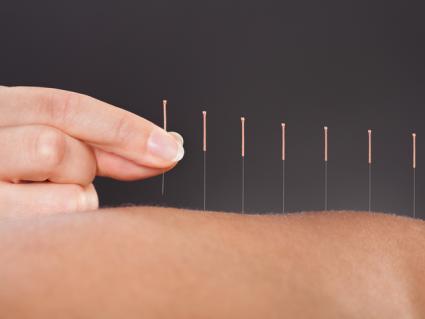
Using Chinese Medicine to reduce phlegm - the pathogen that disrupts patients with multiple sclerosis.
Chinese medicine (CM) supports patients with multiple sclerosis (MS) using acupuncture treatments, herbal formulas, cupping, heat therapy, and tui na (acupressure/massage). From a CM standpoint, MS is seen largely as in issue of phlegm. Phlegm, as a pathogen, is heavy and cloying in nature and clogs the meridians. It disrupts and inhibits movement of qi, blood and body fluids thereby causing the symptoms of fatigue, poor balance, bowel and bladder issues, depression/mental stress, muscles spasticity, numbness, and aches. Excessive phlegm build up weakens the muscles causing debility and heaviness.
Chinese herbal formulas are used to fortify the body’s ability to remove the phlegm and ensure proper fluid circulation and metabolism. Acupuncture works in the same regard, supporting digestion to promote fluid metabolism and the delivery of nutrients to the cells.
A clinical study through Institute for Traditional Medicine in Portland, Oregon involving 42 MS patients who were enrolled in a treatment program whereby they received acupuncture for 3-12 months demonstrated the effects of Chinese Medicine on this population. The results were extremely positive in that most participants had marked improvement in their symptoms which included increased energy, decrease in use of antidepressants and pain relievers, improved bladder and bowel function, improved ambulation, decreased tingling and numbness, improved mood and sharper cognition.
Reference:
Darmananda, Subhuti. MODERN CHINESE MEDICAL METHODS FOR MS:
Clinical Setting and Patient Reports. Institute for Traditional Medicine, Portland,OR
Retrieved from: http://www.itmonline.org/arts/msmodmed.htm