Massage Therapy, Craniosacral Therapy
Limbic and Vagal Dysfunction
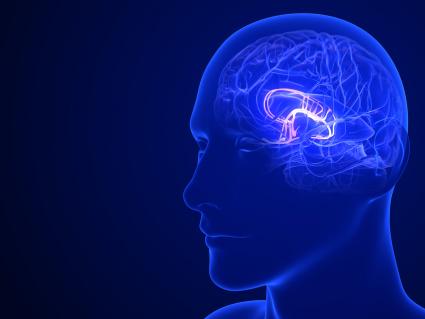
The Limbic and Vagal systems are both involved in controlling processes of the Autonomic Nervous System (ANS) - our body’s system that regulates involuntary processes. The ANS consists of the Sympathetic Nervous System (SNS), which controls our “fight or flight” response, and the Parasympathetic Nervous System (PNS), traditionally known for its function in “rest and digest. The Polyvagal theory, coined by Dr. Stephen Porges, breaks the PNS down further, setting a foundation for understanding of the PNS through the lens of two main pathways of the Vagus Nerve, Cranial Nerve X: the Dorsal Vagal branch and the Ventral Vagal branch. Both branches originate from adjacent locations of the Medulla Oblongata in the brainstem. These branches are functionally and structurally different, and therefore play different roles in regulating the PNS.
Read MoreLiving with Chronic Pain
As the weather is getting warmer and we are emerging from our winter hibernations through spring blossoms and soon into early summer, we will see a rise in tick borne infectious disease. Lyme disease is a bacterial infection we get from infected ticks. Symptoms of the initial infection may or may not include a bullseye rash but can also include fever, headache, chills, fatigue, muscle and joint aches, and swollen lymph nodes. If the infection isn’t treated promptly, symptoms can progress into neurological tissue and cause systemic and local inflammation that manifests as arthritis, severe joint and nerve pain, dizziness and cognitive issues, and memory problems.
Read MorePosture and Your Heart Health

We are a forward society. We do many actions that involve reaching and leaning forward. We sit long hours looking at computer screens, bend forward to talk to our children, text on our phones, read and play games on our tablets and drive for long periods of time. Over time, these can cause slumped-forward posture: forward head, hands, and shoulders. Poor posture can negatively impact your heart health...
Read MoreMove More, Age Less

Our bodies need movement to function optimally. Movement stimulates the lymphatic system, helps blood circulation, increases energy, decreases anxiety, improves sleep, and keeps muscles and joints working properly. Technological advances have made our lives easier, but the downside is a tendency to adopt a sedentary lifestyle. Sitting at a computer all day, binge watching television (we don’t even have to get up to turn the channel) and driving instead of walking are just a few examples...
Read More
The Healing Touch of Myofascial Release Massage

Does your jaw ache since you twisted your knee? Have you suffered with headaches since your hip surgery years ago? There can be a connection, even though most people are not familiar with some of the causes and effects.
Read MoreFall Sports: Concussions and the Role of CranioSacral Therapy
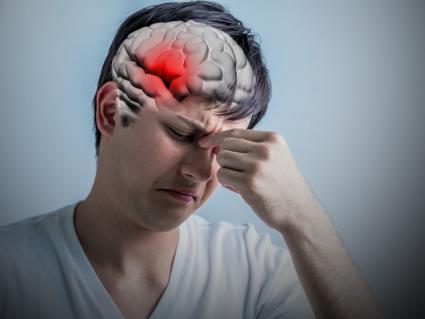
Using CranioSacral Therapy to treat post-concussion syndrome.
Read MoreNew Craniosacral Therapy Techniques
I love learning new things that can be of help to my patients. I took a new craniosacral seminar two weeks ago. This was part refresher class and part new techniques and skills.
Read MoreCraniosacral Therapy Found to Significantly Improve Symptoms of Fibromyalgia
I just read a research study on Craniosacral Therapy’s beneficial effects on people suffering from fibromyalgia. The results of this study were very clear and significant. Craniosacral Therapy definitely and significantly reduced the body pain, anxiety and depression experienced by the participants of the study, all of whom had fibromyalgia. It improved their overall quality of life – there were clear improvements in physical function, general health and vitality, and therefore the ability to take part in social activities. Craniosacral Therapy also improved the quality of their sleep in the participants.
Read MoreSleeping Positions and Pain - Part 2
I have heard from a number of people since I wrote my first blog about this on how hard it is to change from being a stomach sleeper to being comfortable in any other position, even though sleeping on their stomach causes pain. I understand because I was a stomach-sleeper till I was in my teens. Then my neck cramped up big time and I couldn’t do that any more. It was a tough transition but I had no choice and eventually succeeded.
Read More