The Power of Movement
Exercise, exercise, exercise - we have all heard it before. Maybe so many times that we start to tune these recommendations out. Read below for some information about how daily movement can help to reduce your overall risk of cardiovascular disease - sometimes, knowing the “why” and “how” can help motivate us to make these changes towards better health!
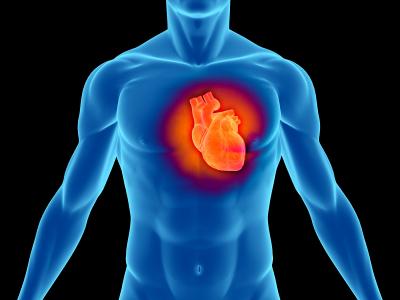
According to the American Heart Association, approximately 126.9 million American adults had some form of cardiovascular disease between 2015 and 2018 - and this number continues to climb. Significantly, cardiovascular disease (CVD) is the leading global cause of death, accounting for about 18.6 million deaths in 2019 - this is more deaths than deaths from all forms of cancer and chronic lower respiratory disease combined! If only there was something that we could start doing today to help minimize our risk … and there is!
A major contributor to the rise in heart disease are our modern-day lifestyle choices, one of them being our predominantly sedentary lifestyle. Research has shown that physical inactivity is a significant modifiable risk factor of heart disease. Modifiable risk factors are those which WE can control ourselves. Therefore, we can use this knowledge as power to motivate us to make changes towards a more active lifestyle and reduce our risk of cardiovascular disease.
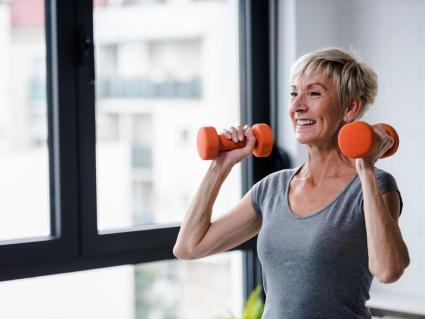
The American Heart Association recommends that adults get at least 150 minutes of moderate-intensity aerobic activity or 75 minutes of vigorous activity, or a combination of both per week. Resistance or weight muscle strengthening activity is recommended at least twice per week. As with any recommendation, it is individualized - every person is different, and therefore everyone’s recommended exercise frequency and intensity to achieve optimal functional enhancement will be different. It is also important to note that the best exercise for you at a given time may vary based on your current health status, so it is always beneficial to consult a provider for appropriate recommendations.
Also, as with most lifestyle changes - it is recommended to start low and go slow with the change. Even little increases in movement every day can lead to cumulative effects that can have significant long-term benefits. And indeed, the very best exercise is the exercise that you will be modified to perform on a regular basis. This may look a little different for everyone - the idea is to move more, sit less - and find forms of movement that YOU enjoy. And it certainly does not have to look like going to the gym multiple times a week, unless, of course, this is something you enjoy doing.
We all have good reasons to choose to not exercise, whether it be time, accessibility, energy, lack of motivation, etc. I challenge you to grab a paper, pen, and write down a list including “active” activities that:
· You have done in the past that you have enjoyed
· That you currently do on a regular or irregular basis and enjoy
· That you think you might enjoy trying in the future
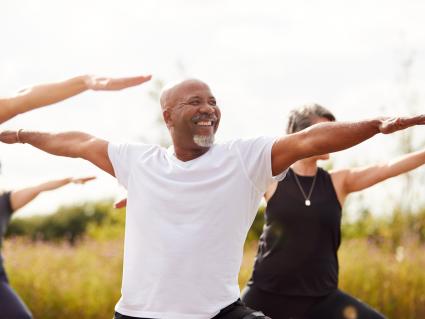
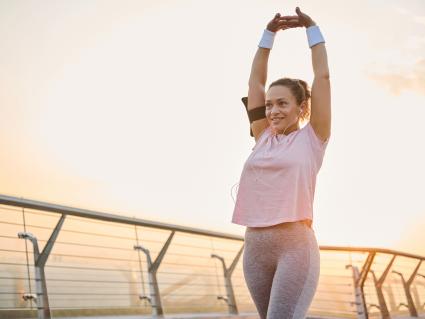
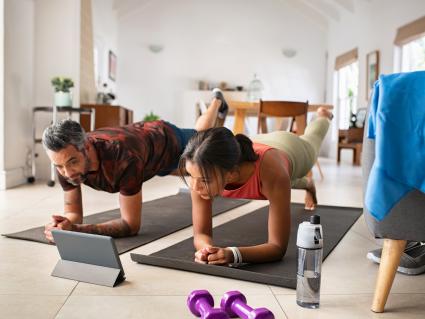
These activities can be something as simple as taking a walk during your lunch break, going on a bike ride, shooting hoops, roller skating, etc. For this time of the year when outdoor activities are more limited, there are a plethora of free online classes for Zumba, HIIT, yoga, etc. - try inviting a friend over or get a family member to join and make it fun!
After brainstorming these ideas, I further challenge you to circle at least one from each category and plan time in the near future to make time for these activities. The idea is to identify “active” activities that you enjoy doing and implement a variety of them into your daily, weekly, and monthly routines for a sustainable plan centered around increased activity.
But what if I am too tired to exercise?
Exercise, even light activity can boost energy levels! Yes, this can include something as simple as taking the stairs instead of the elevator, for starters. The more you move, the more energy you will have. Exercise will work to pump more blood throughout your body, delivering oxygen and vital nutrients to energize your cells. It also facilitates mitochondria production, resulting in increased cellular energy supply, allowing you to have more energy. Exercise also boosts certain hormones - if you have ever felt that “high” after exercising, you know what I am talking about!
Some helpful tips:
- Note patterns of time during the day when you tend to have the most energy - try to use these times to their advantage and try to fit in some form of activity, no matter how small that may be. Over time, it will be easier to slowly increase the amount of activity performed.
- Plan an active activity to do with a friend or family member, that way you are held more accountable, and you have a partner to motivate you more to do the activity.
- Try an exercise class - whether virtual or in person, often having support from a group can help - and modify the class to your fitness ability! Always remember to start low, go slow, and build from there!
If you remember nothing from this post, always remember that the very best exercise is the exercise that you will be motivated to perform on a regular basis - and challenge yourself to discover this! Just like healthy habits, heart disease develops over time - so try to incorporate as many preventative measures into your regular routine as possible to prevent adverse cardiac events in the future.
Of note, don’t forget other significant modifiable risk factors of heart disease that were not discussed in this post, such as dietary factors, alcohol intake, smoking, and doing your part to seek regular screening for and controlling weight, diabetes, blood pressure, cholesterol etc.
References :
https://www.heart.org/en/healthy-living/fitness/fitness-basics/aha-recs-for-physical-activity-in-adults



The Power of Movement Related Services
Stress Reduction
Many of the therapies offered at the Center, from Integrative Medicine, to Massage Therapy, to Healing Touch, Acupuncture, and other forms of traditional Chinese medicine, are extremely effective in helping people reduce stress.Stress Reduction
Integrative Medicine
Integrative medicine is the blending of conventional medicine with holistic, complementary, and alternative medicine. Integrative Medicine is defined as healing-oriented medicine that takes account of the whole person (body, mind, heart and spirit), including all aspects of lifestyle. It emphasizes the therapeutic relationship and makes use of all appropriate therapies, both conventional and…Integrative Medicine