ENHANCED RECOVERY OF BRAIN INJURY WITH HYPERBARIC OXYGEN THERAPY: A Summary

Traumatic Brain Injury (TBI) is a major cause of disability and death world-wide. According to the CDC, 30% of all injury deaths are caused by traumatic brain injury. Hyperbaric oxygen therapy (HBOT) has been demonstrated to enhance recovery from TBI effect brain activity by reducing the hypoxia and neuroinflammation effects of TBI while increasing circulation in the brain.
Enhanced neurological repair and regeneration with HBOT:
· Reduces the effects of hypoxia and inflammation of the brain
· Promotes neurogenesis
· Enhances stem cell mobilization and proliferation
· Increases damaged tissue recovery
· Stimulates neuroplasticity
· Induces remyelination
· Augments concussion recovery
HBOT also improves overall function from the effects of a traumatic brain injury:
· Advances cognitive function
· Improves gross/fine motor skills
· Enhances speech and language
· Alleviates spasticity
· Lessens frequency of seizures
· Stimulates better eye contact
· Improves balance and walking
ENHANCED RECOVERY OF BRAIN INJURY WITH HYPERBARIC OXYGEN THERAPY: A Summary Related Blog Posts




ENHANCED RECOVERY OF BRAIN INJURY WITH HYPERBARIC OXYGEN THERAPY: A Summary Related Services
Hyperbaric Oxygen Therapy
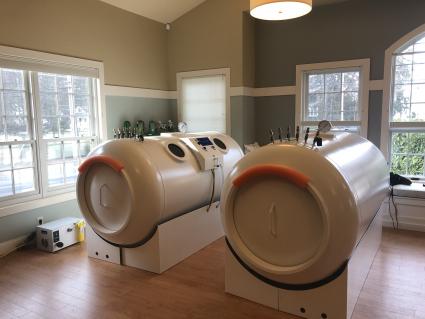
Dedicated to treating the root cause of illness and using the most advanced integrative methods in a safe environment, the Stram Center for Integrative Medicine, under the medical supervision of Dr. Ron Stram, will utilize the benefits of hyperbaric oxygen therapy (HBOT) to complement and enhance the healing process in both chronic and acute conditions of our patients. You will…Hyperbaric Oxygen Therapy
Integrative Medicine
Integrative medicine is the blending of conventional medicine with holistic, complementary, and alternative medicine. Integrative Medicine is defined as healing-oriented medicine that takes account of the whole person (body, mind, heart and spirit), including all aspects of lifestyle. It emphasizes the therapeutic relationship and makes use of all appropriate therapies, both conventional and…Integrative Medicine
Eric’s Detox Salad

This salad below is rich in many compounds to help support the body and promote a healthy detox/cleanse.
The Stram Center offers comprehensive cleansing and detoxification programs. It is important to work with a trained healthcare practitioner to help guide you through a structured detox program. For additional information about our detox program, call the center at 518-689-2244 or visit http://www.stramcenter.com/services/cleansing-programs/
Antioxidants/phytochemicals are extremely important during a detox to help protect the body organs involved in the detox, especially the liver and kidneys. This salad is rich in antioxidants/phytochemicals such as Beta-carotene: (leafy green vegetables, orange starchy vegetables, red peppers, broccoli) and Vitamin C: (kale, broccoli, bell peppers, citrus fruit). This salad is also rich in compounds that help pull toxins out of the body. These compounds are found in various foods such as alliums (onions, garlic, scallions), cruciferous vegetables (kale, broccoli, cabbage, Brussels sprouts), and sea vegetables (wakame, arame, kombu, bladderwrack, nori).
Eric's Detox Salad
Recipe By: Eric Sharer, MPH, RD, CSO, CDN Serves 8
Ingredients:
1 cup sea vegetables such as wakame, arame, or bladderwrack*
1 eachcucumber, thinly sliced
1 each carrot, peeled and shredded
1 eachbell pepper, deseeded and diced
1 cupcabbage, shredded or 1 cup chopped broccoli
2 cupsmixed greens/shredded kale/shredded Swiss chard/baby spinach
1 tsp.ginger, fresh, peeled and finely grated/chopped
½ tsp.garlic, minced
1 ½ tbsp. brown rice vinegar or 1 1/2 tbsp. fresh lemon juice
1 tbsp. tamari or soy sauce or coconut aminos if you are soy intolerant
½ tsp. water
1 tsp. maple syrup or other sweetener of choice
*Consider buying organic sea vegetables such as from Main Coast Sea Vegetables www.seaveg.com
Soak sea vegetables in warm water for 5-10 minutes. If using bladderwrack soak for 15-30 minutes. Drain, rinse then squeeze out excess water. If wakame/bladderwrack is uncut, cut into small ½" pieces. Wakame may have tough ribs running through the middle of the plant. Cut these ribs out as well.
While the sea vegetables are soaking, mix together all the remaining vegetables in a large bowl, except for the garlic and ginger.
Stir together vinegar, tamari, water, maple syrup, ginger, and garlic in a bowl until combined.
Add the prepared sea vegetables to the bowl of vegetables. Mix well
Pour dressing over salad and mix well.
Serve immediately, or chill for 1-2 hours to allow the flavors to develop.
Chefs Note: Vegetables can be peeled and sliced 1 day ahead and chilled in sealed plastic bags until ready to use.
Eric’s top recommendations to optimize cancer prevention, treatment, and survival
It has been estimated by the World Cancer Research Fund that one-quarter to one-third of the cancers that occur in the United States are due to poor nutrition, physical inactivity, and excess weight. This research supports our belief that embracing a healthy lifestyle is essential for anyone whose life is unfortunately touched with cancer. Follow the tips below to increase the anti-inflammatory potential of your diet.
Eric's top recommendations to optimize cancer prevention, treatment, and survival.
1.Minimize pro-inflammatory foods
·Limit and avoid animal protein, poultry, and dairy products:
- These foods typically are rich in saturated fat, and a compound called arachidonic acid. It has been found that high intakes of these compounds may increase risk of many diseases and disorders, including cancer, diabetes, heart disease, Alzheimer’s disease, and macular degeneration. The belief behind the increased risk is that these compounds tend to be “pro-inflammatory”, meaning they can raise inflammation in the body. High amounts of inflammation in the body may create an environment where cancer can thrive due to particular processes in the body being promoted or inhibited.
·Replace animal based/derived foods with plant based foods:
- Be sure to replace the animal protein, poultry and dairy with plant-based equivalents. Currently there are many plant based options available, such as plant milk (almond, rice, soy, coconut, hemp, or oat based milks), plant yogurt (almond, soy, rice, coconut), plant cheese (soy, rice, blends such as Daiya as pea protein/tapioca mixture), and plant-based proteins (beans, lentils, veggie burgers, tofu, edamame, tempeh, etc.)
Continue to follow the blog for tp # 2. Boost your immune system
Estrogen Detoxification: Importance on Health

Estrogen is an important hormone for women and men, playing a key role in reproductive health, bone density, mood regulation, and overall well-being. However, an imbalance—especially excess estrogen—can lead to issues such as weight gain, PMS, fibroids, endometriosis, and even an increased risk of hormone-related cancers. This is where estrogen detoxification becomes important.
What Is Estrogen Detoxification?
Estrogen detoxification refers to the body’s natural process of metabolizing and eliminating excess estrogen through the liver and digestive system. This process ensures that estrogen levels remain balanced, reducing the risk of estrogen dominance and associated health concerns. Influences on estrogen detoxification are both environmental and genetic.
Phases of Estrogen Detoxification
Estrogen metabolism occurs primarily in the liver and involves two main phases:
Phase 1: Estrogen Metabolism (Hydroxylation)
In this phase, estrogen is broken down into three primary metabolites:
• 2-hydroxyestrone (2-OH-E1) – Considered a protective metabolite with weak estrogenic activity.
• 4-hydroxyestrone (4-OH-E1) – Can be harmful as it may lead to DNA damage and increase cancer risk.
• 16α-hydroxyestrone (16α-OH-E1) – A potent estrogenic metabolite linked to estrogen dominance conditions such as breast cancer and fibroids.
The goal is to promote the production of 2-OH-E1 while minimizing 4-OH-E1 and 16α-OH-E1. This phase is supported by enzymes such as cytochrome P450 and can be influenced by diet, lifestyle, and genetics.
Phase 2: Estrogen Conjugation (Methylation, Sulfation, Glucuronidation)
In this phase, the estrogen metabolites from Phase 1 are further processed to become water-soluble so they can be excreted through urine and stool. Key pathways include:
• Methylation – Facilitated by the enzyme COMT (catechol-O-methyltransferase), which converts 2-OH-E1 and 4-OH-E1 into less harmful metabolites.
• Glucuronidation and Sulfation – These pathways help eliminate estrogen efficiently through bile and urine
How to Support Estrogen Detoxification Naturally Article Link Here.
Estrogen Detoxification: Importance on Health Related Blog Posts


Evolving Objectives in the Treatment of Lyme Disease
As often happens in medicine, scientific evidence evolves; the continual flux of new patients with symptoms suggestive of Lyme disease is growing and new research has proven that Lyme disease is more complex and prevalent than we thought. The time has come to move beyond the divisiveness of the past, listen to the suffering of our patients and their families and move forward with all sides of the discussion into an evidenced-based paradigm for research, education, and patient care. The question is no longer whether Lyme is a complicated disease, or whether the current testing is adequate or whether the Lyme bacteria can survive a single antibiotic challenge in order to become a persistent infection. High quality studies show not only that it happens, but they also show how it happens, and why we should not be surprised that it happens. Our objective now is to determine which patients suffer from acute and or persistent LD, and to keep pressing for evidence-based wisdom to guide physicians and allied health care providers called upon to treat them.
Exercise 7 Hours Per Week?
Recently there was a study published in JAMA (Journal of the American Medical Association) that concluded that women need to exercise 1 hour per day 7 days per week to MAINTAIN weight, let alone lose weight. I have since heard on multiple T.V. and radio broadcasts about the study, and the reaction from women has not been positive, for obvious reasons. Women lead very busy lives and finding the time for 1 hour of exercise every day sounds more like burden than anything else. So I’m writing this blog to shed some light on this study, and to clarify what the study actually concluded.
The study was published by the Department of Medicine in Brigham and Women’s Hospital at Harvard Medical School. The group was comprised of 34,079 women with an average age of 54 years old over a 15 year period. The diet was described as a “usual” diet. Three groups were followed, those exercising less than 2.5 hours per week, those exercising 2.5 to 7 hours per week, and those exercising over 7 hours per week. The exercise was defined as moderate-intensity activity.
The study concluded that all women in the group gained an average of 5.7 pounds over a 15 year period. There were only slight differences in weight gain among the groups taken in 3 year intervals, about ¼ pound. And activity level correlated with successfully maintaining weight only for those with a Body Mass Index, or BMI, of less than 25, but not for those with a BMI of greater than 25 or 30.
So what does all of this mean? There does not seem to be large enough differences in weight gain between the different exercise groups. And the only group who actually maintained weight, defined as <5 pounds over 15 years, were those who already had a normal BMI of less than 25.
As far as exercise is concerned, some activity is better than no activity. So don’t feel that you need to exercise 1 hour per day every day to maintain your weight. Plus in this study moderate-intensity activity was defined as brisk walking, dancing, or gardening. Higher intensity exercises typically require less time, because they burn more calories. And we all know that the more weight loss equals calories in minus calories out. What I have found is that many of us are not exercising with enough intensity, and eating too many high calorie foods. So my recommendation is to find an activity you like to do (it doesn’t always mean going to the gym) like hiking, swimming, kayaking, golfing, biking, running, etc. and do it often. The more you enjoy your activity, the more likely you will actually do it.
Factors That Support Thyroid Health | Naturally
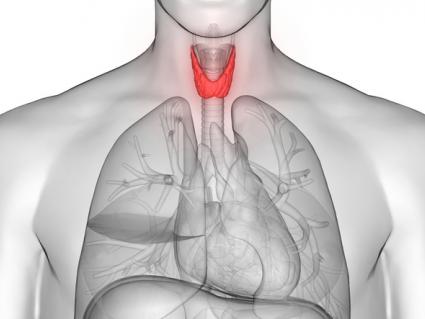
Natural ways to support thyroid health.
In the previous article I explained how the hypothalamic-pituitary-thyroid axis functions. In this article I will discuss natural ways to support thyroid health and testing to evaluate thyroid function.
Nutrients and vitamins can provide improved thyroid function just as servicing your heater and getting new filters can improve performance and life of the heater. Nutrients such as iodine, tyrosine, zinc, antioxidants, and vitamins E, B2 (riboflavin), B3 (niacin), and B6 (pyridoxine) assist are factor needed for THYROID HORMONE PRODUCTION. Factors that REDUCE thyroid hormone production include stress, infections, radiation, some medications, fluoride (antagonist to iodine), toxins such as pesticides, and inflammatory conditions such as Celiac disease and chronic infections.
Factors that may influence an increase of RT3 include stress, trauma, inflammation, infections, toxins, liver or kidney dysfunction, and low zinc and selenium levels. Since the pathway for T3 is dependent on selenium and RT3 pathway is not, then it is important to have enough selenium to maximize T4 to ACTIVE T3 conversion.
Thyroid antibodies such as anti-thyroid peroxidase and anti-thyroglobulin can cause inflammation to the thyroid gland impairing thyroid function. Evidence of high levels of these antibodies are indicative of an autoimmune thyroiditis called “Hashimoto’s”. It is not exactly known what causes Hashimoto’s, but some associations include gluten sensitivities, chemical exposure, and certain chronic infections such as Epstein-Barr virus also known as mono virus.
A full evaluation of thyroid function, immune function, GI function including food sensitivities and nutrient and vitamin levels can help determine a comprehensive treatment approach to hypothyroidism.
Stay tuned for next month’s article as I will discuss thyroid hormone replacement options.
Fall into Wellness: Prepare for a Healthy Seasonal Transition

Using the seasonal change to reconnect with nature.
We are fortunate to live in an area of the country where seasonal transitions dramatically enrich and guide our relationship with nature. It may not always seem like a gift in the middle of a long, cold, snowy northeastern winter, but the seasons provide a rich opportunity to relate our environment to our health. As we enjoy these last warm, bright weeks of summer, it’s a good time to contemplate and prepare to transition into the cool, colorful beauty of fall that begins next month.
As many are aware, fall and winter bring with them greater assaults on our immune system. As colder weather forces us to spend more time indoors, we are more readily and frequently exposed to circulating bacteria, fungi and viruses that can cause illness. At the same time, declining sun exposure, including both duration and intensity, contribute to lower Vitamin D levels that can dampen immune function. In addition, decreased intake of fresh vegetables and fruits as seasonal produce availability wanes over the winter can lower body levels of numerous immune supportive vitamins and minerals. Along with microbial hazards, fall is a particularly triggering time for many seasonal allergy sufferers. Environmental allergens such as ragweed, molds, and dust mites increase with fall weather conditions, triggering an overactive immune response in those who are sensitive.
Fortunately, with some planning, nature has provided us with many tools to prepare our bodies to thrive during the fall and winter months. Starting in October and through to April, we can increase our intake of key immune nutrients, such as Vitamins A, C, D, and the mineral zinc, by supplementing with them daily as well as with immune enhancing herbs and mushrooms like astragalus, elderberry, andrographis and others. If the body is prepared and capable of generating a healthy immune response, exposure to microbes need not lead to illness. For allergy sufferers, daily nasal lavage with a neti pot during the fall months can dramatically decrease their symptoms by washing away inhaled allergens. There are also many nutrients and herbs that can promote immune tolerance through anti-histamine and other modulating effects. Best taken daily, starting in late August or early September before fall allergy season is in full swing, these include quercetin, bromelain, nettles, and Vitamin C, among others.
Moving into fall from summer is a good time to consider a simple detox plan to enhance overall wellness by decreasing the body’s toxic load. It is also a great way to establish a practice that acknowledges and prepares the body for a seasonal transition. Late September or early October is an ideal time to start, and the most benefit will be gained from adhering to changes for at least 14-21 days. Some of the many positives you can expect to experience include increased energy, better sleep, improved digestion, fewer headaches, clearer skin and more. There are many approaches to detox, with a multitude of supplements, herbs, homeopathics and techniques to support it. A consultation with a health professional at the Stram Center can provide you with a more comprehensive and individualized protocol, but there a few basic things you can do to support the process on your own.
-Diet: Eliminate a few simple foods from your diet, including caffeine, alcohol, sugar and processed foods. To take it even further, generally inflammatory foods like dairy, wheat, corn and red meat can also be removed. Increase consumption of foods that support liver function, such as dark leafy greens, cabbage, brussels sprouts, beets and parsley. Choose organic varieties whenever possible – check out the Environmental Working Group’s Dirty Dozen and Clean Fifteen lists for guidance.
-Hydration: Drink half your body weight in ounces of water daily. Urine should be a light yellow color; darker yellow suggests dehydration.
-Movement: Get outside and break a sweat while the sun still shines on crisp fall days and walk, run, hike, bike, etc. to promote elimination via sweating and increased lymphatic circulation.
-Sleep: Plan to get a solid 7-8 hours every night. Sleep is a critical time for the body to heal and detoxify. So, practice good sleep hygiene by going to bed between 10-11pm, sleeping in a completely dark room and turning off electronics at least an hour prior to bedtime.
Eating seasonally is another way to embrace the transition into fall, the harvest season. In the northeast, with cooler days and nights comes an increased array of vegetables and a decreased variety of fruits. This provides a natural move toward more cooked foods in the fall and winter months, which provide our body with more easily digested foods as our internal digestive fire tends to decrease with falling temperatures. Many of the vegetables and fruits available at this time are rich in the immune supportive and anti-allergy nutrients mentioned earlier which align with our body’s seasonal health needs. In addition many fall fruits and vegetables are hardy in nature, some lasting through to the first frost and lending themselves well to canning, drying or freezing for consumption through the winter. Check out local farmer’s markets and farm stands for a nice selection of regional fall produce.
Lastly, the waning sunlight, cooler temperatures and shorter days of fall gently signal us to look inward. Summer encourages bustling activity – festivals, vacations, picnics, social gatherings, etc, – and as such, our experience often emphasizes an outward flow of attention and energy. In contrast the fall and winter provide greater opportunity for introspection. A powerful way to embrace this shift is to begin or deepen a personal mindfulness practice. Mindfulness refers to simply existing in the present through awareness of all five senses and any internal thoughts or feelings in each moment. There are many ways to enhance this practice, including meditation, journaling, yoga, gratitude, breathing techniques, nature walks and many more. Enhancing both physical as well as mental-emotional health, cultivating mindfulness can greatly support our overall wellbeing, especially during the contraction of the coming winter season.
Soak up what remains of summer, and prepare for fall, so you are ready and eager to embrace its colorful splendor, abundance, and unique opportunities!
Fall Sports: Concussions and the Role of CranioSacral Therapy

Using CranioSacral Therapy to treat post-concussion syndrome.
School is back in session! Our young ones and teenage children embrace the sport of their choice as the sense of spirit and pride begins to fill the air! Growing up in a small town where football, soccer, and the additional contact sports become a uniting thread, bringing the community together and observed in all communities with this similar passion; mentioning concern of childhood concussions can invoke a defense. My goal is to increase awareness, provide education for parents, coaches, and teachers to make informed decisions when caring for a concussion by learning the symptoms and role of CranioSacral Therapy as a treatment option. The common goals of this school spirit filled atmosphere are to place #1 in the league, succeed in sectionals, make it to and win the championship, but ultimately we all want to ensure the health and future wellness of our personal MVPs.
The symptoms of post-concussion syndrome (PCS) include headache, neck pain, dizziness, a sense of not feeling right, feelings of brain fog, nausea and vomiting, an increased sensitivity to light, and changes in sleeping pattern. A concussion occurs when a head injury or strong blow to the head takes place with symptoms of fatigue, dizziness, and headache. These symptoms should subside with proper rest and refrain from physical activity that places additional stress on the healing nervous system. PCS may present days to weeks after the incident. It is key to monitor for reoccurring symptoms and take note of those that continue to affect our athlete despite proper care at the time of incident.
What does a Craniosacral therapy treatment look like for someone with PCS?
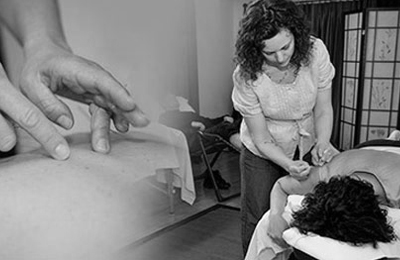
Craniosacral therapy (CST) is a gentle hands on treatment modality that releases tension deep in the body to relieve pain and dysfunction and improve whole-body health and performance. A trained therapist works with the client, dressed comfortably, resting supine (face up), and often in calm environment. The therapist accesses the nervous system via the sacrum (tailbone), dural tube (surrounding the spinal column), cranium (skull), including the membranes within the cranium, and fascia of the body; following the cranial sacral rhythm (CSR) as a guide for soft tissue release. Fascia is made up of both elastic and collagen fibers, varying in character depending on location and function within the body. Fascia can be described as a “whole body stocking” holding organs in place while at the same time for example surrounding muscle fibers and allowing them the flexibility to extend and contract with movement. When injury, stress, surgery, etc. take place the fascia can become dysfunctional and affect typical movement patterns and body symptoms.
During a treatment session the craniosacral therapist will palpate the CSR either along the spinal column or at any part of the body, this rhythm is created by the production and reabsorption of cerebral spinal fluid within the ventricles in the brain. Releasing fascial tissue within the body and at the occipital base (where skull and top of neck meet) allows for optimal restriction release and fluid exchange prior to cranial holds.
Cranial holds assess the mobility of the cranial bones, decrease restrictions, and promote optimal function as the therapist palpates the flexion and extension movement of craniosacral rhythm and intuitively bringing attention to areas of need. The touch of the therapist is very light, the weight of a nickel, when following the craniosacral rhythm. This craniosacral pulse is comparative to feeling a circulatory pulse or following a respiratory rate. The effects of providing this hands on attention to the craniosacral system for those suffering from PCS can be profound at relieving symptoms offering an avenue that encourages the athlete’s own natural healing mechanism. From infancy to the age 16 the cranial bones continue to fuse from the process of development that begins in utero, considering this when impacts occurs to our children’s developing system presents a new perspective when taking proactive strategies to minimize injury to promote a path of greater health and wellness for years to follow.
Having once been a three season athlete myself, as a CST practitioner it is always an honor to work with student and collegiate athletes. Located here at the Stram Center feel welcome to schedule a time for you or your MVP to meet with me for symptom management, better overall health routine, or to promote disease resistance. Good luck this season!
Sources:
Craniosacral Therapy – John E Upledger DO & Jon D Vredevoogd MFA 1983 p 237-236
The Upledger Institute: Craniosacral Therapy … for a healthier you – brochure
The Upleder Institute: Craniosacral Therapy for Pediatrics course book
http://www.healthline.com/health/post-concussion-syndrome#overview1
Feeling Sluggish? Toxic? Out of Balance? Try Biotherapeutic Drainage
Feeling toxic? Sluggish? Out of balance? Biotherapeutic Drainage May Help!
Biotherapeutic Drainage is a type of detox, both gentle yet profound, that aids in the elimination of toxins & waste products, restoring balance to the body.
Created in Switzerland by physicians in the 1920-30’s, the Unda numbered compounds are homeopathic drainage formulas that blend both plants and minerals. The plants act as guides in the formulas due to the affinity plants have for specific organ systems (e.g., Juniper for the genitourinary tract, Hawthorne for the cardiovascular system). The plants carry the mineral component to the appropriate organ system, and the mineral provides a therapeutic effect through facilitating localized enzymatic activity. Thereby, Undas aid in optimizing biochemical function at the cellular level within specific organ systems.
Outlined below are some main characteristics of the biotherapeutic drainage system and considerations of how these remedies may provide clinical benefit.
-Safe: As homeopathics, they can be taken with all pharmaceuticals, herbs and supplements without caution or contraindication. So, they are a great adjunct to an existing treatment regimen and may help to decrease the toxic burden of medications on the body.
-Targeted: Biotherapeutic Drainage therapy can focus on one particular organ system that may be most symptomatic for a person.
-Gentle (yet profound): These remedies are great for all but may be especially helpful for sensitive patients who poorly tolerate medications or supplements. Kids respond very well, too.
-Mental/emotional: Unda numbered compounds can be used to clear mental/emotional toxicity, using the understanding that many organs have corresponding emotional functions as well as physiological.
-Balancing: They may be helpful in patients who are feeling “stuck” and have tried everything because these remedies can work to address underlying toxicity and imbalance at the cellular level. This in turn can make other therapies more effective.
-Individualized: There are 76 Unda numbers in total, which allows a knowledgeable practitioner to customize treatment to the unique nature of each person’s presentation.
Biotherapeutic Drainage is great for most ailments, but here are a few examples of conditions that I have seen improve or resolve with these therapies: anxiety, depression, menopause, infertility, persistent grief, recurrent urinary tract infections, numbness/tingling/nerve, irritable bowel syndrome, Crohn’s, insomnia, acid reflux, thyroid disorders, joint pain, PMS.
In addition to my four year naturopathic medical training, I participated in a year-long Biotherapeutic Drainage mentor program with Dr. Dickson Thom, DDS, ND- the foremost expert in the Unda Numbered formulas and am the sole provider of these therapies at the Stram Center. In practice I have witnessed these remedies be profoundly beneficial for a wide range of conditions. If you think Biotherapeutic Drainage could help you, please consider scheduling an appointment or a free 15-minute phone consultation with me to discuss it. I look forward to speaking with you!- Read more about Biotherapeutic Drainage.