Staying Healthy This Holiday Season

The holiday season is filled with togetherness, celebration, and festive foods — but it can also bring late nights, stress, sugar overload, and an increase in seasonal illnesses. I am frequently asked by my patients how they can stay healthy during this time of year. Focusing on keeping your body balanced and resilient so you can feel your best while still enjoying the season. Here’s a simple, easy-to-follow guide for staying healthy, energized, and grounded during the holidays and beyond.
Keep Blood Sugar Balanced: Big holiday meals, sweets, and cocktails can cause blood sugar swings, leading to fatigue, cravings, irritability, and inflammation. Supporting stable glucose is one of the most effective ways to stay energized throughout the season. Functional medicine staples for steady blood sugar:
Pair protein with every meal (beans, eggs, poultry, tofu).
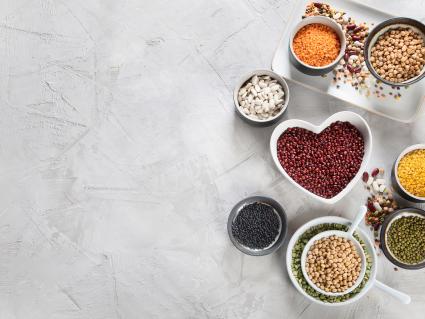
Fill your plate with fiber-rich foods like veggies, oats, chia seeds, lentils, and apples.
Add healthy fats such as nuts, seeds, avocado, and olive oil.
Try the “fiber-first” approach — starting meals with vegetables or protein to soften post-meal glucose spikes.
Eat Breakfast. Skipping breakfast to “save calories” for later can cause higher blood sugar spikes later in the day and lead to overeating and lower energy throughout the day. Research has shown that routinely skipping breakfast can lead to worsened insulin resistance, increased inflammation, mood disturbances, and decreased physical and cognitive performance.
You can enjoy holiday favorites — just pair them with protein or eat them as part of a meal instead of alone.
Show Your Gut Some Love: Roughly 70% of your immune system lives in your gut, making digestive health essential during the holidays. Gut health tips:
Eat slowly and chew thoroughly — one of the simplest ways to improve digestion.
Include fermented foods (yogurt, kefir, kimchi, sauerkraut) to support healthy gut bacteria.
Add prebiotic fibers like oats, bananas, beans, onions, garlic, and asparagus to nourish those microbes.
Stay hydrated, especially with travel or salty meals.
A happy gut means better digestion, steadier energy, and a stronger immune response all season long.
Boost Immune Resilience: Between crowded gatherings and colder indoor months, your immune system needs extra support. Wash Your Hands! Good hand washing is the single most effective way to stay healthy. Prioritize sleep: Research shows even one poor night’s rest can weaken immune function. Aim for 7–9 hours and stick to a consistent sleep schedule when possible. Eat immune-supportive nutrientsL
Vitamin C: citrus, berries, peppers
Vitamin D: sunlight + fortified foods (supplement only if advised)
Zinc: nuts, seeds, beans, whole grains
Antioxidants: colorful fruits and veggies
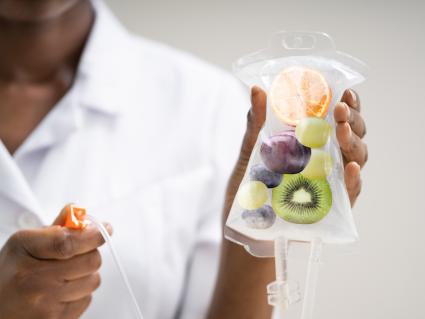
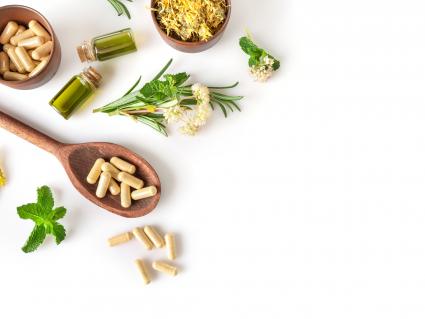
If needed, consider the use of supplements for additional support or even adding an immune-boosting wellness IV.
Manage stress gently: Simple, free tools like deep breathing, stretching, short nature walks, connecting with a trusted friend, and meditation help regulate cortisol and keep immunity strong.
Support Natural Detox Pathways: Supporting the body’s natural elimination systems, especially the liver, kidneys, gut, lymphatic system, and skin can help boost the body’s immune system. Healthy, accessible detox-support habits:
Load up on cruciferous vegetables like broccoli, cauliflower, cabbage, and Brussels sprouts — shown to support liver detox enzymes.
Stay active — even a 10-minute walk boosts circulation, lymph flow, and digestion.
Prioritize sleep, since the brain’s glymphatic system clears waste most effectively at night.
Enjoy alcohol mindfully and hydrate well between drinks.
Consider the use of sauna or epsom salt baths 2-3 times a week to aid in detoxification and relaxation.
Small habits add up and help your body handle the extra demands of holiday life.
Protect Emotional Wellness: The holidays can be joyful — and emotionally challenging. From busier schedules to family expectations and the darker winter months, your nervous system may need extra support. Morning sunlight: Early daylight helps regulate your circadian rhythm, energy, and mood. Even 10 minutes outdoors can create a noticeable shift. Bright Light Therapy Light therapy (often used for Seasonal Affective Disorder) is a powerful, research-backed tool that supports emotional well-being.
Using a 10,000-lux light box
Sitting 16–24 inches away
10–20 minutes each morning
This simple at-home practice helps improve mood, regulate sleep patterns, and increase daily energy during darker months.
Red Light therapy is not just for anti-aging. Use of red light nm 600-850 for 30 min three times a week can help promote improved mood, mitochondrial function, and relaxation, amongst many other health benefits.
Aim for Balance, Not Perfection; Instead of focusing on what to avoid, focus on balance by adding healthy, grounding “anchors” such as:
A protein-rich breakfast
A brisk walk after big meals
Hydration throughout the day
A few minutes of breathwork or mindfulness
Veggies at most meals
Consistent bedtime routines
These small, doable habits help stabilize your system while still leaving room for fun and celebration.
The holiday season doesn’t have to derail your health. With these simple tips you can enjoy the festivities while supporting digestion, immunity, detoxification, mental health, and
Staying Healthy This Holiday Season Related Blog Posts


Stram Center Attendance at the International Lyme and Associated Diseases Association Conference | San Antonio, TX 2025

In October, our team had the privilege of joining our colleagues for the annual International Lyme and Associated Diseases Association (ILADS) conference in San Antonio, Texas. A significant topic discussed at the conference was neuropsychiatric manifestations of vector-borne infections.
Neuropsychiatric manifestations in vector-borne infections are well documented, as is the significant impact that this can have on disease progression; however, there is no consensus on the exact cause - it is likely a combination of multiple factors.
This understanding is ever-evolving, including the recognition of the interplay among infectious, immune, and inflammatory factors. This is thought to occur through a combination of factors, such as cytokine effects, biochemical changes, metabolic dysregulation, and microglial activation. These mechanisms involve immune-mediated processes that can contribute to immune dysregulation and persistent neuroinflammatory states. This can disrupt neurotransmission and neurocircuitry, potentially causing various symptoms.
Not everyone who is affected by Lyme Disease or Neuroborreliosis may experience neuropsychiatric symptoms, and the reason behind this is thought to be related to the individual variability of different factors such as genetics, environment, and infection type. A deeper understanding of these factors is needed to facilitate new avenues for therapeutic intervention, such as immunomodulatory and anti-inflammatory therapies.
It is also essential to recognize that having a medical illness that causes debilitating symptoms or loss of functioning, such as seen in Neuroborreliosis, can contribute to worsening states of mental health. Multidisciplinary collaboration can be essential to lessen disease progression. Seeking professional guidance to make sure mental health is addressed, in addition to medical illness, can help you feel better, both mentally and physically.
It is essential to recognize that the causes of neuropsychiatric symptoms that can be frequently seen in those with Neuroborreliosis are multifactorial, and ‘not just in your head’. Early identification, including an interdisciplinary and individual approach to treatment, can help. More research in the field can help further re-examine existing paradigms.
Stram Center Attendance at the International Lyme and Associated Diseases Association Conference | San Antonio, TX 2025 Related Blog Posts

Stram Center Hosts Escape Fire Film on Health Care Reform
Update: 10/19/12: Escape Fire played to a sell-out crowd! You can see our pictures from the evening on our Facebook page (even if you’re not on Facebook, you can still view them)
The Stram Center will host the first local showing of award-winning healthcare film, Escape Fire: The Fight to Rescue American Healthcare
This multiple award-winning, riveting film on the nature of America’s broken healthcare system will be presented by the Stram Center, Thursday, Oct 18th at Spectrum 8 Theatre in Albany, NY.
Escape Fire: The Fight to Rescue American Healthcare
This film tackles one of the most pressing issues of our time: how can we save the badly broken healthcare system? American healthcare costs are rising, yet our health outcomes are worse. A Sundance Film Official Selection for 2012 and a four time film-festival winner, Escape Fire is a must see!
Join the Stram Center staff in the presentation of this deeply powerful and extremely relevant film.
What: Escape Fire: The Fight to Rescue American Healthcare
Where: Spectrum 8 Theatre – 290 Delaware Ave, Albany, NY 12209
When: Thursday, October 18th 6:30pm
Tickets Sales:
- On sale NOW ONLY at the Stram Center for Integrative Medicine
- Call or stop by! 518-689-2244
- Hurry in, tickets are limited and going fast!
- Remaining tickets will be available on the day of the show at the Spectrum 8 box office, beginning at noon!
- Adults: $9.25 / Seniors & Students $7.50
Q & A session hosted by Dr. Ronald Stram and the following guests to follow film.
1. Dr. Ronald Stram:
- Founded the Stram Center 10 years ago (2002)
- Founded Stram Center directly after completing the integrative medicine fellowship seen in the Escape Fire film with world renowned Dr. Andrew Weil
- Has been practicing medicine for over 25 years
2. Christopher Reilly
- LAc – Licensed Acpuncturist
- Has been with the Stram Center since the opening of it’s doors back in 2002
3. Richard Kirsch
- Author of Fighting for Our Health: The Epic Battle to Make healthcare a Right in the United States (Published in Feb 2012)
- Currently working as a strategic consultant to organizations and foundations all over the area
- Serves as an advisor to various committees and boards
- He is a true advocate for policy change
4. Professor John Huppertz, PhD
- PhD graduate of Syracuse University
- Currently chair of the Union Graduate College MBA in Healthcare Program – held position since 2004
- Also a marketing professor at the grad school
5. Dr. Joel Bartfield
- Associate Dean for Graduate Medical Education at Albany Medical College
- Involved in graduate and undergraduate medical eduction for over 25 years
- Also practices emergency medicine at Albany Med
6. Sarada Bernstein
- Corporate Dietician – ShopRite
- Runs the registered dietitian program at all Shop Rites
Reviews:
- 3.5/4 Stars Roger Ebert Chicago Sun Times
Interviews:
- An interview with Documentary Channel and the film’s directors, Matthew Heineman and Susan Froemke.
Stram Center Naturopathic Medicine comes to Burlington Vermont
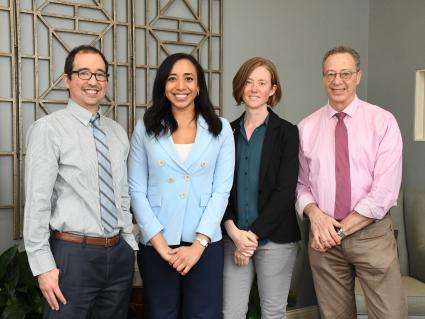
Naturopathic medicine is a distinct system of primary health care, distinguished by the healing principles upon which its practice is based. Unlike most naturopathic practices, the Stram Center is a unique collaboration of naturopathic doctors and medical doctors working together, investigating root cause so that we can provide the best most accurate treatment for our patients. Our team approach is so valuable and we are excited to bring this care to the Burlington community, helping to nurture longer, healthier happier lives to our community. Read more about Dr. Kathryn Boulter, Dr. Jacquelyn Burrell, Dr. Korey DiRoma, and our founder, Dr. Ronald Stram.
"More brains are better than one," as Dr. Stram likes to state, when describing the style in which we approach complex patients. Read more about Naturopathic Medicine here.
About Ronald Stram, M.D. About Korey DiRoma,, N.D.Stram Center Naturopathic Medicine comes to Burlington Vermont Related Blog Posts

Stram Center Now Offers Beyond Balance
Several Stram Center providers attended the Forum for Integrative Medicine conference in San Francisco. What they learned was invaluable.
In the spring, a few of our Stram Center providers --Jennifer Mager, Natasha Ruiz and Kirsten Carle-- had the opportunity to attend the Forum for Integrative Medicine conference in San Francisco, which focused this year on integrative approaches to chronic infections. The forum featured a variety of experts in the field, and our providers returned with an abundance of new insights regarding assessment, treatment and overall approach to patients who struggle with chronic infections. Hoping to find some new herbal formulas to more effectively address chronic infections, including those that are tick borne, we were not disappointed. At the conference, numerous clinicians from many different disciplines spoke about the positive responses of their patients to the Beyond Balance herbal formulas. Impressed by what we heard, the Stram Center has now begun to carry these herbal products, developed by herbalist, Susan McCamish. These high-quality, carefully crafted formulas are produced in GMP compliant facilities with all ingredients tested to the highest standards for quality and purity. With many different formulas to combat a variety of infections, support the immune system and facilitate detoxification, we are excited to be able to utilize the Beyond Balance products to support the health and well being of our patients.
Stram Center Practitioners
Our many years of clinical experience working as a diverse integrative team, gives our patients the best options for prevention, treatment and wellness. Our blog is full of original content authored by our practitioners. You can browse articles by author by clicking on them below.
Strawberry Spinach Salad
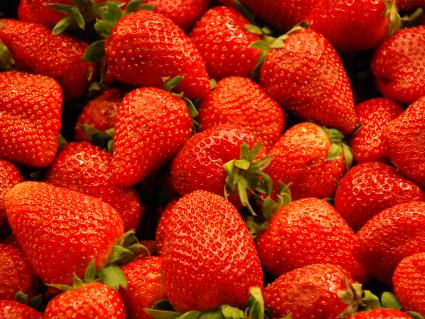
Enjoy the nutritious and delicious summer bounty with this amazing salad. Eat in season and try to eat as local as possible when choosing your produce to ensure the most intact nutrients and fresh produce. Alter this recipe with whatever produce you have present, such as using different greens, different berries, or adding in your favorite garden produce.
Strawberry Spinach Salad
Recipe from Linda Lalla Close, adapted by Eric C. Sharer, MPH, RD, CSO, CDN Serves 8-10
Dressing
1 each lemon
2 tbsp white wine vinegar
¼ cup agave nectar or maple syrup
1 tbsp organiccanola oil or other oil of choice
1 tsp poppy seeds optional
Salad
¼ cup sliced natural almonds, toasted
8 oz. (1 ½ cups) strawberries, hulled and quartered
½ eachmedium Cucumber, sliced and cut in half
¼ eachsmall red onion, sliced into thin wedges (1/4 cup)
1 package (6 ounces) baby spinach
Directions:
For dressing, zest lemon to measure ½ tsp zest. Juice lemon to measure 2 tbsp juice. Combine zest, juice, vinegar, agave, oil and poppy seeds in a bowl. Whisk until well blended. Cover; refrigerate until ready to use.
1.Preheat oven to 350° F. For salad, spread almonds in single layer over bottom of a small bar pan.
2.Bake 10-12 minutes or until lightly toasted. Remove from oven; cool almonds in bar pan.
3.Meanwhile, hull strawberries; cut strawberries into quarters.
4.Score cucumber lengthwise; remove seeds. Slice cucumber; cut slices in half/ Slice onion into thin wedges.
5.Place spinach in large serving bowl; add strawberries, cucumber and onion. Whisk dressing; pour over salad, gently tossing to coat. Sprinkle with almonds. Serve immediately
Strengthening Your Immunity
Our immune system is complex and has many parts and each plays a different role. Imagine your immune system like it is our military, with different branches that serve different functions. Some are highly specific in what they do, they may only consist of small, specialized, tactical teams, and others are more broad like an infantry of men. The small tactical teams are much easier to mobilize, but for an infantry of men it takes more effort and time to mobilize. In this winter season, it is as important as ever to support your immune health. There is the new COVID-19 variant, Omicron, on the rise and recent news that the current flu vaccine is not very effective against this year’s dominant flu strain.
Antibody production is part of a specific immune response, but it takes time to make and mobilize antibodies in response to exposure to the microorganism, so it is not our first line of defense. The purpose of a vaccine is to create the antibodies before being exposed to the microorganism in order to have the ability to fight right at the time of exposure. It can be difficult to raise total antibody production without a vaccine, but it is possible depending on the virus. Eating higher amounts of protein daily can increase antibody levels. Antibodies, also called immunoglobulins (abbreviated Ig) are made of protein. The word immunoglobulin means “immune protein”. Therefore getting enough protein is important in building more immunoglobulins. There are 4 main types of immunoglobulins and we call them IgG, IgA, IgM, and IgE. They each serve a slightly different role. IgA is in your secretions such as saliva, tears, and mucus secretions of lungs and gastrointestinal tract and often comes in first contact with microorganisms. Probiotics, or beneficial bacteria, such as lactobacillus and bifidobacter and have been shown to help increase IgA production.
Natural killer cells, unlike antibodies, are non-specific, but they are a first responder. These cells tend to target viruses and virus infected cells. Mushrooms have a special carbohydrate called beta-glucan that can actually stimulate the production of natural killer cells. Specifically shiitake, maitake, and turkey tail mushrooms are often used to stimulate production of these cells.
The following passage contains more specific properties of other immune stimulating herbs and vitamins.
Astragalus
Astragalus contains polysaccharides that help to improve immune response. The polysaccharides stimulate lymphocyte production including NK cells. They can also stimulate T helper cells which are part of the specific immune response.
Mushromms—shiitake, maitake, turkey tail, reishi, cordyceps
Shiitake mushrooms contain a substance called lentinan which has immune stimulatory properties. These mushrooms can help stimulate a NK cell activity and T cell activity.
Maitake mushrooms contain b-glucans and polysaccharides that stimulate NK cells and macrophages (1). They can also help to activate T-cells
Turkey Tail mushrooms contain a specific type of sugar called polysaccharide krestin. Widely used in Japan in conjunction with chemotherapy, it is known to stimulate the effects of T lymphocytes.
Reishi mushrooms also contain polysaccharides that have NK cell and T lymphocyte stimulating properties (2)
Cordyceps is a type of fungus and is not a mushroom. Preliminary studies suggest that cordyceps help to stimulate the immune response by increasing NK cell activity (3) and increasing T cells.
Echinacea
Echinacea has been used for many years to help with preventing and alleviating symptoms from the common cold and influenza. It appears to be effective against “enveloped” viruses which again include coronavirus and influenza virus (4). Echinacea contains polysaccharides and arabinogalactans that help to increase levels and activity of NK cells, T-lymphocytes, neutrophils, and macrophages.
Elderberry
Elderberry is a dark purple berry from deciduous trees found predominantly in N. America and Europe. Since it is a berry, it has anti-oxidant properties from polyphenols and flavonoids. Elderberry has been shown to have effectiveness for the influenza virus (5).
Andrographis
Andrographis is an herb native to India. In Ayurvedic medicine it has been used for colds and flu. It has shown in-vitro activity against certain flu viruses (6). It may also help to stimulate macrophages and increase antibody activity
Vitamin C and Zinc
Vitamin C is a water soluble vitamin known for its anti-oxidant properties. It has been shown to improve the activity of NK cells and increase production of lymphocytes. Zinc can also help to stimulate NK cell activity (7).
References
2. https://www.ncbi.nlm.nih.gov/pmc/articles/PMC4684115/
3. https://www.ncbi.nlm.nih.gov/pubmed/1392475?dopt=Abstract
4. https://www.hindawi.com/journals/ecam/2012/841315/
5. https://www.ncbi.nlm.nih.gov/pubmed/9395631?dopt=Abstract
6. https://www.ncbi.nlm.nih.gov/pubmed/28783743?dopt=Abstract
7. https://www.ncbi.nlm.nih.gov/p...
About Korey DiRoma,, N.D.Strengthening Your Immunity Related Blog Posts
Strengthening Your Immunity Related Services
IV Therapy for Wellness
We often associate healthcare with “sick” care – but then where does wellness fit in? At the Stram Center, we believe that it is not only important to heal the body, but to also bring the body into its utmost state of wellbeing.IV Therapy for Wellness

IV Vitamin C
IV Vitamin C and Cancer Care There is much research regarding the use of vitamin C (ascorbic acid) in cancer therapy. However, most of the research focuses on oral rather than the more effective intravenous (IV) route of administration. IV vitamin C has a significantly greater effect on immune enhancement than the conventional oral route of administration.IV Vitamin C
Lifestyle and Prevention
Nutrition is an essential component to preventative health, and is one of the most modifiable factors in our lives. Embracing a proper diet for your body has the power to positively impact your health on all levels, helping you reach your own distinctive state of wellness.Lifestyle and Prevention
Stretching Has Heart Health Benefits
Here is a big incentive to keep stretching, or add it to your health regimen. I just learned from an article on MSNBC that a study has found that women who are more flexible have about 7% less arterial stiffness and lower blood pressure than women who are less flexible. When you improve your flexibility by stretching it helps expand the arteries and keeps them more pliable, which improves heart function.
This suggests that the more flexible you are, the better your heart health is. Amazing! We tend to link cardiovascular exercise with increased heart health and stretching just helps the muscles. Now we know stretching helps the heart as well. I’ve known for a long time how important regular stretching is for preventing and eliminating pain, but I had no idea that it could do this – though it does make sense. If your body is stiff on the outside it’s most likely stiff on the inside, and that has to constrict organ function. This study shows it's true with heart function. This is another incentive for me to work more diligently on improving my own flexibility! How about you?
STRIVE Program: Using Food as Medicine

Wellness means something different to every individual and lifestyle. Whether you are looking to lose weight, gain more energy, learn how to eat right for your body’s needs, or simply feel your very best – the STRIVE program is for you.
Food is commonly measured as calories but is so much more, it’s molecules of information. Molecules that can turn on and off our genes and regulate responses like inflammation. On the most basic level of diets, we also think of setting some ratio of protein, carbohydrates and fats. That doesn’t allow for the quality and type of food we are eating or more importantly who is eating the food. Food is a messenger for our body not a just a macronutrient. It carries messages that can be beneficial like those found in anti-inflammatory foods such as vegetables or cold-water fish. On the flip side many things we eat like sugar and processed grains offer pro-inflammatory messages that can lead to imbalances like resistant weight gain. That knowledge takes us beyond counting calories or measuring macronutrients-it looks at the root cause of how a body can get out of balance. As we peel back the layers of food, we also find there are many types of vitamins and minerals that help support virtually every metabolic pathway of all our body systems. Our bodies and our health are created by that formula of nutrients in our food. Digging even deeper we learn about Phytonutrients, which are the colorful pigments we find in plant foods. Their discovery and research are a new frontier of the healing power of food with over 10,000 cited in medical literature. What we eat is directly fueling our cells, our metabolism, our detoxification, our immune system and our overall health. That’s why diets don’t work since that take a superficial view of food that thinks all calories are equal and all bodies the same. They don’t account for bio individuality, the power of food and that fact that we become what we eat! With that in mind, STRIVE nutrition uses the science of food as medicine to craft a personalized plan to support your goals and bring your body into balance.