The Benefits of Eating Seasonally
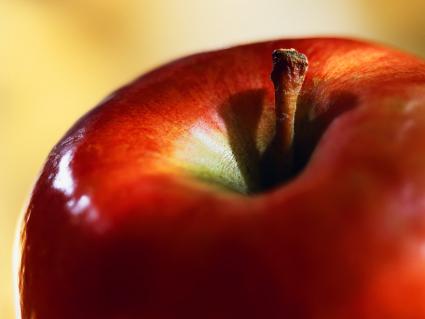
As winter approaches, seasonal eating shifts from summer berries to squashes, root vegetables, apples, and pears. Choosing in-season produce offers better flavor, improved quality, and lower cost—especially when sourced locally. Seasonal foods inspire simple, nourishing meals and add natural variety to the diet, from fresh summer salads to warming winter soups and stews. Eating with the seasons also supports local farmers and regional food systems. Preserving seasonal foods through freezing or canning allows you to enjoy their nutritional benefits year-round. Embracing seasonal ingredients supports health, community, and delicious, satisfying meals throughout the colder months.
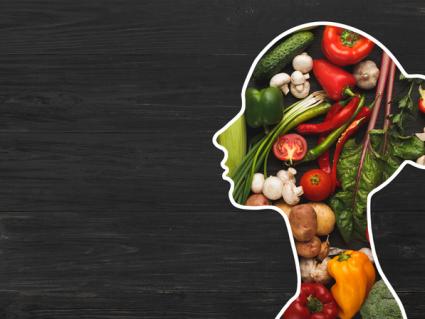
With the winter months ahead, we are in a time where the abundance of summer produce has come to pass, and it’s been replaced with squashes, eggplant, peppers, root vegetables, pears, and apples. The ripe berries that overflowed during the hotter months can still be found in the grocery store, but there are several reasons to be intentional about the produce you select for your meal planning.
One of the top reasons to consider eating in-season foods is that they taste the best! Taste is important, and when we select foods that are picked at peak freshness, ideally sourced locally, we will be delighted by the difference in quality and flavor. Every chef prioritizes this because when your ingredients are good, this makes for the best meals with little effort. You need only to let the prime produce shine with simple preparations.
Another great reason to select seasonal ingredients is cost–not only will this strategy help to stretch your food budget, but you will also support local farmers when eating what they are harvesting at that time. Check out the local farmers' markets and ask farmers how they recommend preparing the produce they’re selling. Try a new food or prepare an old favorite in a new way (such as using roasted pumpkin puree in your homemade hummus).
Eating seasonal foods also adds variety to the diet as you change up meals to include what is available—the summer months likely make for great, robust, fresh salads. In contrast, the colder months upon us have many folks making soups and stews, roasted root veggies, and leaning into the warming spices that make us feel so cozy and nourished. The availability of food will also depend on the specific location (for example, do you live in Upstate New York or Florida?). Again, this is where we can support local communities by getting to know the farmers producing food in our region.
Consider preserving seasonal foods to enjoy year-round. Freezing and canning can provide a wider variety of foods to us outside the typical growing months. And if you’ve ever wondered how the nutrition of preserved foods holds up, you can rest assured that frozen and canned foods do still hold ample nutritional value, enhancing the flavor, vitamin, and mineral content of meals.
Support your health and your local economy while delighting your taste buds this season. Check our website and social media for simple seasonal recipes, such as baked apples, spiced nuts, and more!