Small Lifestyle Changes Help Us Win BIG

With a fresh new year upon us, maybe it’s time to reevaluate our habits. Many of us have goals for ourselves no matter the time of year but we all tend to have a heightened focus in January. It’s a time of reflection, taking inventory, if you will. This allows us to objectively assess what went well, what didn’t go so well, and how we might use everything we learned to inform our future decisions. Several key things can help us to have a positive and meaningful direction going into the new year.
Mindset matters: Our mindset is everything. How we feel about ourselves either enhances or blocks our ability to succeed. With the right mindset we can feel unstoppable, ready to take on tasks that previously seemed impossible. But without this self-confidence, we don’t fully tap into this potential and, conversely, we can become our greatest obstacle. It’s worth starting here, taking time to get your mind right, looking into what your core beliefs might be (good or bad). Some tools or practices to help you if you are new to this self-reflection can include speaking with a mental health counselor, therapist or life coach. You can even start with just journaling, writing your thoughts down to better assess what is helpful and what might be harmful.
Small changes help us win BIG: When we set goals for ourselves, it’s easy to dream big. But research shows that attainable changes for lasting results come from small realistic habits built and maintained over time. Consistency is key so try to focus on 1-3 very small changes first. When you have those down, add another. Then another. And pretty soon you will start noticing a shift. Some examples of small changes to improve one’s health might be drinking more water, going for a 10-minute walk at lunch, or limiting alcohol intake. As these small changes take root, your self-confidence will grow, propelling further positive change. Then there’s no stopping you!
Short-term and long-term perspectives: Try to have a small, immediate goal in mind, such as “what is something I want to achieve over the next 3-12 months,” and a longer-term goal, such as “what is something I want to achieve in 5 years?” This will help you to look at your daily actions with a focus on the future. This perspective can help to motivate the everyday actions you take.
The big picture: Speaking of perspective, it’s important to consider how we fit into the big picture—how are we contributing to life? This can mean considering our roles as one member of our family or work team or faith community. Are we focused on just what we get from others or are we also seeking ways to contribute, to benefit the group as a whole? Research shows that a mindset that’s service oriented is much more meaningful than when we are only looking out for ourselves. So, this year, seek to be a helper, a listener, a friend. After all, it is in giving that we receive.
About Janna Neitzel,, MS, RD, CDNSmall Lifestyle Changes Help Us Win BIG Related Blog Posts


Small Lifestyle Changes Help Us Win BIG Related Services
Nutritional Counseling
The practitioners at the Center recognize that diet is often the basis for your heath and your potential to heal. Adopting a healthy diet is often the first step towards correcting health problems. Many medical conditions can be treated more effectively when the patient implements specific diets and uses nutritional supplements. These interventions afford fewer complications and side effects than…Nutritional Counseling
Some Anti Breast Cancer Dietary Picks
A wide variety of dietary nutrients and herbs have been studied and found to be effective for both prevention of and therapy of established breast cancer. Here is a short list of top picks:
Flavonoids and proanthrocyanidins in grapes and other fruits and vegetables have been shown to kill breast cancer cells in vitro.
Tocopherols/tocotrienols (Vitamin E compounds, commonly found in leafy green vegetables, wheat germ oil, nuts, and fish) have been shown to inhibit estrogen receptor positive cancer cell growth by altering cellular response to estrogen.
Curcumin interfers with growth factor stimulation of breast cancer cells and reduces tumor growth in animal and in vitro studies. Please note that when choosing the supplement form of curcumin, otherwise known as the most active constituent of the spice known as turmeric, giving it its yellow color, make sure it also contains black pepper to aid in its absorption by the body.
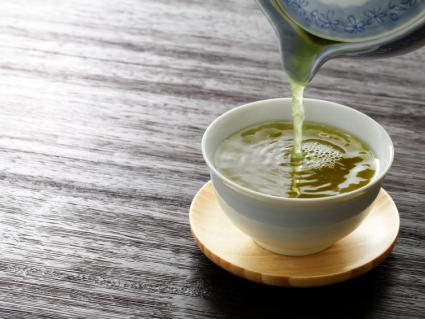
Green tea has a protective effect against breast cancer and can also inhibit breast cancer cell growth and invasion.
Flaxseed lignans in cellular and animal studies can reduce breast tumor growth and help prevent metastases and human trials have shown that high plant lignan intake is associated with a reduced risk of post menopausal breast cancer.
Vitamin D: Although most data with vitamin D has suggested a preventive role for breast cancer, there is data indicating that women with low levels of vitamin D tend to have more advanced breast cancer while women with higher levels of vitamin D tend to have less advanced cancers.
Omega-3 Fatty Acids, found in flax oil, algae oil, and fish oil, have been shown to reduce breast tumor growth in animal models so incorporating these into the diet in the metastatic breast cancer setting would also be prudent.
Southwestern Quinoa
Enjoy this tasty recipe for a gluten free, grain free, dairy free side dish or starch accompanyment to any lunch or dinner.
Southwestern Quinoa Recipe by: Eric C. Sharer, MPH, RD, CSO, CDNServes: 4-6
Ingredients
1 cup quinoa (preferably royal quinoa, the tan/white colored quinoa)
2 cup water*
2 teaspoon ground cumin
1 teaspoon.smoked paprika
½ teaspoon salt*
Optional: ½ eachchipotle chili in adobo sauce, chopped *If using vegetable broth instead of water do not add salt.
Optional ingredients:
1 tablespoon cilantro, minced 2 tablespoon fresh lime juice
Directions:
- Cooking choice #1: a.Combine 2 cups liquid with 1 cup dry quinoa and seasonings in a pot. Cover. Bring to a boil with the lid on for approx. 1 min. Leave lid on, turn off heat, and let quinoa sit for 15-20minutes untouched. The quinoa will be cooked. Once cooked, consider adding cilantro and lime juice.
- Cooking choice #2: a.Combine 2 cups liquid with 1 cup dry quinoa and seasonings in a pot. Cover. Bring to a boil with the lid on. Reduce to a simmer. Cover with lid. Cook for 15-20 minutes, stirring gradually. Once cooked, consider adding cilantro and lime juice.
Soy as a Potential Tool for Cancer Prevention-Risk Reduction

As cancer is the 2nd most common leading cause of death in the United States, it is very important to embrace a healthy lifestyle to promote cancer prevention and cancer risk reduction. One food that has been found to have a strong connection to preventing certain cancers as well as helping fight cancer that someone may have is soy foods. Read below to learn more about the cancer prevention/cancer fighting potential of soy as well as to find a tasty tofu recipe!
Soy foods are any foods that come from soy beans, and include tempeh, tofu, edamame, miso, natto, soy milk, soy cheese, soy protein powder, and soy isolates in meat alternatives. It is best to consume foods as close to their natural source as possible, so it is recommended to focus on foods closer to the soy bean such as tempeh, tofu, edamame, miso, natto, and soy milk over the other soy options when possible.
Soy is a good source of nutrients that have many health benefits. Epidemiological studies have found that soy protein may reduce the risk for cancers including breast, colon, and prostate. 1, 2
Studies show that eating soy-foods early in life decreases risk of breast cancer in adults. Studies within Asia show that Asian women who consume higher amounts of isoflavone-rich soy-foods are less likely to have breast cancer as compared to those who consume little soy. Studies suggests that children and/or teens who consume as little as one serving of soy daily decrease their risk of breast cancer later in life by 25 to 50 percent. 3, 4
Isoflavones, commonly called phytoestrogens (plant estrogens) because they bind to the same receptors in cells that bind to the hormone estrogen, are plant chemicals found in soy products. They are different, however, from estrogen in some important ways. In some tissues, isoflavones exert weak estrogen-like effects, but in others, they seem to have anti-estrogenic effects. Yet, in others, they have no effect at all.
While results of some animal studies suggest that isoflavones may be contraindicated for women with breast cancer, or possibly even those who are at high risk of this disease, human studies generally show that neither soy-foods nor isoflavone supplements have estrogenic effects on breast tissue. 4, 5 The current position of the American Cancer Society is that breast cancer patients can safely consume up to three servings of soy-foods daily.6
Research in the United States and China show that for breast cancer survivors, those who consumed the most soy products were less likely to have their cancer return, compared with those who tended to avoid soy products. 1, 7
In addition to fighting and preventing cancer, soy has been found to be helpful for other conditions, including: heart disease, relieving hot flashes, and promoting bone health for postmenopausal women. 4, 5
If you are interested in eating more soy, try this easy and tasty tofu recipe below.
References
1. http://www.pcrm.org/sites/default/files/pdfs/health/pv_soy_and_your_health.pdf
2. Badger TM, Ronis MJ, Simmen RC, Simmen FA. Soy protein isolate and protection against cancer.
J Am Coll Nutr. 2005;24:146S-149S
3. Messina M, Hilakivi-Clarke L. Early intake appears to be the key to the proposed protective effects of soy intake against breast cancer Nutr Cancer. 2009;61:792-8.
4. Sharer, Eric C., MPH, RD, LDN. Vegetarian/Vegan Myths. American Dietetic Association Vegetarian Nutrition Dietetic Practice Group Web site. www.VegetarianNutrition.net. Published 2012.
5. Messina,Virginia, MPH, RD. Isoflavones. American Dietetic Association Vegetarian Nutrition Dietetic Practice Group Web site. www.VegetarianNutrition.net. Published 2009. Updated 2009.
6. Rock CL, Doyle C, Demark-Wahnefried W. et al. Nutrition and physical activity guidelines for cancer survivors. CA Cancer J Clin. 2012. 23
7. Nechuta SJ, Caan BJ, Chen WY, et al. Soy food intake after diagnosis of breast cancer and survival: an in-depth analysis of combined evidence from cohort studies of US and Chinese women. Am J Clin Nutr. 2012;96:123-132.
Tasty Baked Tofu
By: Eric C. Sharer, MPH, RD, CSO, CDN Yields 3-4 servings
Ingredients:
1 lb. Firm tofu, drained and pressed* See below
¼ cupTamari (Gluten free soy sauce)
1/8 cupVegan Worcestershire sauce, such as Annie’s Naturals or Edwards and Sons
Optional ingredients:
Your favorite vegetables, diced. Ex. Garlic, onions, bell peppers, mushrooms, grape/cherry tomatoes, fresh ginger, fresh or ground turmeric, etc.
Directions:
- Press tofu. See below for instructions
- Remove tofu from towel(s). Cut tofu cut into at least 8 slabs.
- Mix tamari and Vegan Worcestershire sauce together in a bowl.
- Oil a glass baking dish such as a 9x9 or 9 ½ x 11 Pyrex pan, using a high smoke point oil such as grapeseed oil or organic canola oil.
- If pan is large enough, place tofu flat in the pan. If there are too many pieces of tofu, lean the slices against each other so that they are slightly tilted ( / / / / / ). Mix tamari and Vegan Worcestershire sauce again and pour over tofu. If using other vegetables put them in a separate bowl as they will not be added until right before the dish goes into the oven. Cover the pan with a lid or cutting board and let tofu marinate for 10 minutes.
- After 10 minutes. Flip the tofu over and let marinate for 10 minutes longer while covering the dish. Preheat oven to 400°F. Add vegetables on top of tofu.
- Place dish in oven. Check tofu in 10 minutes. Flip or stir tofu/vegetables if possible. Return to the oven and cook for 5-10 minutes longer.
- Remove tofu when vegetables are tender and tofu is hot and slightly crispy.
- Serve tofu with your favorite complex carbohydrate such as roasted sweet potatoes, brown rice, quinoa, wild rice, etc.
- The baked tofu also goes great over a large salad.
the tamari, Vegan Worcestershire Sauce, and optional vegetables are added.
Pressing Tofu-
Wrap tofu in towel or several paper towels and place directly on cutting board or on a metal baking tray.Place another cutting board or metal baking tray on top of the tofu. Place a heavy object right on top of the 2nd cutting board or metal baking tray tofu (unopened half gallon of almond milk, book, or heavy skillet for 10 minutes.
Soy, Almond, or Coconut Berry Yogurt
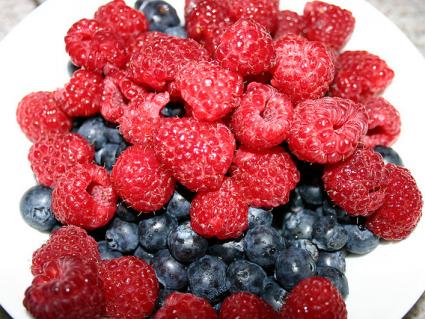
Research has shown that diet can play a big role in men’s health. Numerous studies have found that diets high in saturated fat such as animal protein, poultry, and various dairy products, and low in dietary fiber, can increase risk of various diseases and disorders such as heart disease, Erectile dysfunction, various cancers including colorectal and prostate cancer, and diabetes. Several studies also have found a link between dairy consumption and increased risk of prostate cancer. In recognition of Men’s Health Month, try this delicious non-dairy yogurt recipe which is rich in dietary fiber, dairy free, and low in saturated fat if you do not use the coconut milk yogurt. Enjoy this for breakfast by adding fiber rich foods such as ground flaxseed or your favorite nuts/seeds.
Soy, Almond, or Coconut Berry Yogurt
Recipe by: Eric C. Sharer, MPH, RD, CSO, CDN Makes approx. 3.5- 4 cups
1 pint fresh raspberries or berry of choice
2 tbsp.fresh lemon juice (approx. 2/3 of a lemon)
1 tbsp.maple syrup
3 cupsnon-dairy yogurt such as coconut, soy, almond, or rice milk based
Directions:
1.Addberries, lemon juice, and maple syrup into a large bowl. Mix well. Cover and refrigerate for 8 hours.
2.Add berry, lemon juice, and maple syrup mixture into a blender. Run on high for 1 minute, until smooth and seeds are completely incorporated.
3.Add the non-dairy yogurt to the blender and blend until smooth.
Chefs Note: To maximize the juice extraction from the lemon, roll the lemon on a cutting board. If using organic lemons first zest the lemons and save to use for a garnish, add to a fruit salad, salad dressing, etc. Try experimenting with other citrus fruit or other berries!
Spaghetti Squash with Red Lentil Tomato Sauce
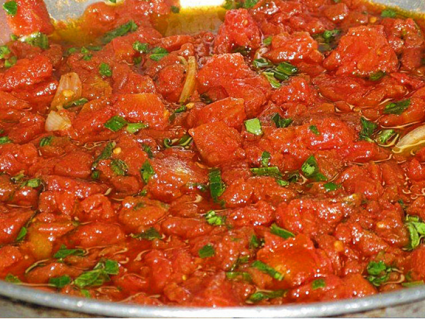
In recognition of Colorectal Cancer Awareness Month it is important to embrace a healthy lifestyle as research is very supportive of the impact of lifestyle, especially diet on colorectal cancer risk. An overwhelming amount of evidence has found a strong connection between red and process meat intake with increasing colorectal cancer risk. There are several possible causes for this risk including that red and processed meats are high in potentially harmful substances such as saturated fat, an overabundance of essential amino acids and other nutrients that promote cell growth, and potentially carcinogenic compounds such as nitrates, heterocyclic aromatic amines (HCA) such as PhIP, and polycyclic aromatic hydrocarbons (PAH), which are formed during the processing or cooking of meat. Red and processed meat also lacks protective compounds that have been found to have preventative effects on cancer, such as fiber, antioxidants, and phytochemicals (plant chemicals with cancer fighting properties). For this reason it is recommended that people consider decreasing their intake of red and processed meat while increase their intake of plant based foods. Plant based foods such as fruits, vegetables, nuts, seeds, legumes, and grains have many protective components as they are rich in fiber, antioxidants, and phytochemicals. See below for a recipe full of fiber, antioxidants, phytochemicals, and plant based protein.
Spaghetti Squash with Red Lentil Tomato Sauce:
Recipe by: Eric C. Sharer, MPH, RD, CSO, CDN Serving size: 1.5 cup Yield: 8 servings
Sauce Ingredients:
5 cupswater
1 ½ cupred lentils
2 eachmedium onion, chopped
4 clovesgarlic, minced
2 eachlarge parsnips, diced or grated
1 ½ broccoli crowns, chopped
½ poundsliced fresh organic mushrooms
1-2 eachorganic green peppers, seeded, de-stemmed, and diced
1 eachmedium organic zucchini, sliced or grated or eggplant, chopped
1 28 oz. Cancanned organic tomatoes, whole or diced (Check for no added sugar) *
1 eachcan/jar organic tomato sauce (Check for no added sugar) *
3 tbsp.fresh basil or 1 tbsp. dried
3 tbsp.fresh oregano or 1 tbsp. dried
Squash Ingredients: 1-2 eachSpaghetti Squash
Directions: Sauce- Stove-top method:
1. Combine lentils and water in a large pot. Bring to a boil and reduce to a simmer. Cook covered for 25 minutes. Add extra water if necessary.
2. Combine remaining ingredients into pot. Bring to a boil, and reduce to a simmer. Cook until vegetables are tender. Approx. 45 – 55 minutes ** If using fresh herbs, do not add them until the end of cooking the sauce.
Slow-cooker (crock pot) method:
1. Place all of the ingredients in slow-cooker. Cook on low for 6-8 hours or on high for about 4 hours. * If you have hypertension (high blood pressure) or are trying to avoid excess salt consumption choose No salt added tomatoes, or sauce containing low sodium (< 300mg per serving).
Directions: Squash
1. While the sauce is cooking, Preheat oven to 400° 2.Cut squash in half lengthwise. Scoop out and discard the seeds. Place skin side facing up in a casserole pan. Add water to pan to cover ½” of squash. Bake for 30 to 40 minutes, until the squash is tender. * May take longer depending on squash size. Also may need to add water over time. 3.Remove from oven, cool for 5 minutes, and scrape out insides using a fork (it comes out in strands like spaghetti)
Spring Cleaning
We often think of Spring as being associated with house cleaning, but it is also important to cleanse the body. Removing environmental, processed food, and everyday accumulated toxins is important for maintaining overall health. Detoxing can help speed recovery and keep our systems in good working order. Fasting is an excellent method for detoxing.
While most of us eat 3 square meals a day, limiting our intake can start to take toxins out of our systems and increase energy. A weekly fast can be helpful for cleansing on a regular basis. It may seem impossible to do, but going slowly can ease you into a routine. Here are some ways you can work a weekly fast into your routine:
WEEK 1: Pick one day of the week and skip one meal.
WEEK 2: On the same day, skip two meals. You can replace the meals with fruit or juice. Drink lots of water to flush impurities out of your system.
WEEK 3: Skip all meals for the day only, replacing meals with juice or fruit.
WEEK 4: Leave out the fruit and simply have juice or water for that day.
It is essential to try not to jump in to the whole fast at once, rushing in has been the cause of many failed diets and cleansing routines.
If you get cravings, drink liquids; water, cranberry juice, or a naturally sweetened fruit juice. Coffee should be avoided as it can cause cravings, as well as deplete the body of nutrients. Green tea is a good coffee substitute.
Let your body adjust to going without a meal before moving to the next level. It may take several weeks, and several stops and starts to get into a positive fasting routine, but the benefits can be well worth the work.
The day after fasting you will wake up energized, you will be able to deal with the temptation of snacking and resist foods your body naturally knows are not healthy. The brain/thoughts will be clearer and the senses heightened.
A cleansing fast helps to maintain or lose weight, and keeps the body running like a fine tuned engine, burning fuel efficiently.
There are many ways and types of fasting/cleansing methods you can use for different results. The practitioners here at the center can help you to choose a cleansing method that works for you. If you are on any medications or special dietary restrictions always consult your physician before starting a fast.
Spring Fever
The other day I was marveling at the fact that I hadn’t come down with a cold or flu all year! To the surprise of my pride, the next morning I woke with chills, mild fatigue, and rhinitis. Now I do see my missteps of the previous day-getting overjoyed with the sunshine and warm weather I went outside with damp hair and a lighter jacket, thus making myself more vulnerable to cold and flu viruses. I also had a big cup of hot chocolate and later that night was walking in the cold March wind to my car returning from a concert, wearing the same light jacket.
In Chinese medicine the nape is called the ‘wind gate.’ This is the area in the back of the neck where external pathogens can enter the body. This is why many Acupuncturists wear scarves in the winter – to protect the wind gate. I certainly provided the perfect invitation to the cold I contracted by exposing my wind gate through cold damp hair, wind, and lowered the strength of my immune system with sugar.
The treatment I chose was a hot shower, hot ginger tea, and an acupuncture treatment to open the wind gate, expel the pathogen and consolidate the wei qi. (The wei qi is the protective qi which lies at the surface of the skin and regulates what enters the body and what does not-chills are a sign that the wei qi is weak and has been infiltrated). Because I acted quickly with incorporating all of these therapeutic responses, I was able to significantly reduce the severity and the amount of time I had the cold. Thank You Chinese Medicine!
Springtime Cleanse

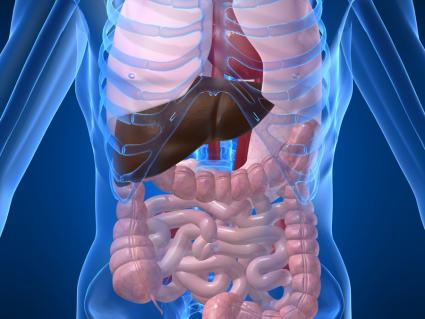
Each change of season is an ideal time to do a cleansing program. According to Chinese Medical theory each season has its associated organs. Springtime is related to the liver and gallbladder and is an especially prudent time for a digestive cleanse.
The goals of a dietary cleanse are to purge the liver of accumulated toxins, support the free flow of bile through the gallbladder and support digestion and assimilation of food through the stomach and small intestine.
Cholorgenic acids found in several herbs have the ability to promote a healthy flow of bile through the gallbladder. The highest concentration of chlorogenic acid is found in coffee beans (green/un-roasted yields higher amounts than roasted beans). Interestingly, data shows that those who consume 2 or more cups of coffee have a lower chance of developing gallstones.(1)
For those non-coffee drinkers, the following herbs have a suitable concentration of chlorogenic acid which facilitates gallbladder activity: artichoke leaves, burdock root, dandelion root, Echinacea root, gardenia fruit, lonicera flowers, crataegus fruit, chrysanthemum flowers, artemesia leaves, epimedium leaves and eucommia bark. Several patent Chinese herbal formulas contain combinations of the above mentioned herbs delivering the actions of cleansing the liver and gallbladder.
Because of the shift from eating pro-inflammatory foods to anti-inflammatory foods a detox reaction can occur especially during the first few days due to breakdown of accumulated toxins. Common side effects from a cleanse can include: muscle aches, headache, and fatigue and are typically followed by increased energy, mental clarity, improved digestion, improved sleep, and pain reduction.
Not all cleansing programs need to be combined with herbs or supplements. Following a cleansing program can be as simple as weeding out foods that create toxic accumulations in the body. Fundamental culprits include: sugar, dairy, gluten, alcohol, caffeine, and meat. Creating a decreased burden on the digestive system and liver/gallbladder gives the body a fresh start for every season.
References:
(1) CHLOROGENIC ACID FOR HEALTHY LIVER AND GALLBLADDER FUNCTION; by Subhuti Dharmananda, Ph.D., Director, Institute for Traditional Medicine, Portland, Oregon
Staying Active as the Weather Changes

Exercise creates a positive response in our body yet only 17% of Americans exercise daily!
With the Fall and Winter seasons quickly approaching, it is a great time to reflect on all of the activity you and your family have done this summer season; however the change of seasons should not prevent you from continuing to stay active. Our focus this month is Nurture and Transformation, and what first came to mind for me was exercise or physical activity. Personally, I have found that engaging in regular physical activity aids in nurturing my body to stay healthy, at the same time as promoting total body transformation.
I don’t think there is one person in our country that can say they have not been stressed at any given point in time during their lifetime.In fact, there has been research that suggests 8 in 10 Americans are afflicted by stress on a regular basis.Of those, 79% of Americans feel stress frequently throughout the day.According to Jackson, 2013, it has been estimated that between 75% and 90% of primary care physician visits are caused by stress-related illnesses ranging from cardiovascular disease, obesity, depression, anxiety, immune system suppression, headaches, pain, and sleeping problems.
Luckily for us, there are many “outlets” or ways to de-stress. It has been shown through scientific research studies that exercise creates a positive response in the body with the production of endorphins, which leads to those feeling good about themselves, being in a good mood and feeling less stressed.Why is it then that one-third of adults (37%) report exercising less than once a week or not at all??? Only 17% of Americans report daily exercise! This goes to illustrate how much we as individuals make ourselves our priority, however if we don’t start making ourselves a priority we will not be present on earth to enjoy time with our loved ones.For this reason, it is extremely important for you to develop your own exercise routine all-year round and that you commit yourself to it for your own well-being. As most of you likely already know, the same exercise regimen is not meant for all. But that is the beauty of having so many options.As we come into the cold months, let’s make it a priority to join a group, class, gym, etc. and get your body nurtured and transformed! I’ve listed a few different forms of physical activity that illustrated effectiveness in improving overall health through scientific research:
- Running
- Strength training with weights
- Tai Chi
- Yoga
- Martial arts
- Sports- football, baseball/softball, soccer, tennis, swimming
- Dance
References:
https://www.apa.org/news/press/releases/stress/2013/exercise
https://news.gallup.com/poll/224336/eight-american...