Rosebud: Mei guy hua

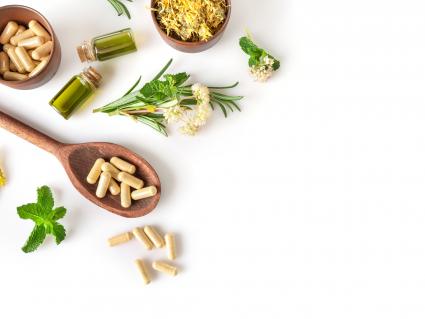
Known in Chinese Herbal Medicine to move and regulate qi (relieve stress and promote calm), mei gui hua (rosebud) is a lovely addition to fresh brewed teas.
The bud of the rose flower contains the potential for beauty, grace, and tranquility. Aside from being the infant stage of the flower associated with love, peace and friendship, the rose bud has properties that promote a similar state of well-being in oneself.
Known in Chinese Herbal Medicine to move and regulate qi (relieve stress and promote calm), mei gui hua (rosebud) is a lovely addition to fresh brewed teas. This herb is used to remedy depression, anxiety, moodiness and PMS. In combination with other herbs it is used to address reflux and stomach discomfort related to stress, irregular menstruation and menstrual cramps.
Save Your Ticks!
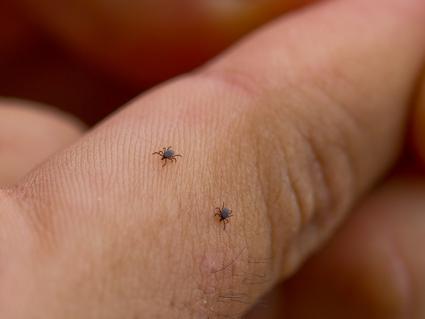
We know this must sound strange, but save your ticks! Saving your ticks and sending them out to be tested is one of the most effective measures to find out just what type of infection that tick could be carrying.
If you get bit by a tick, remove it safely and carefully. Then, place it in a ziplock baggy with a moist cotton ball. You can visit www.tickreport.com to read more about where to send your ticks and how much it costs. Results typically come back within a few days to a week.
Rates of Lyme disease and other tick-borne illnesses continue to dramatically increase, especially in the Northeast. Due to many factors, tick populations are exploding accompanied by increased percentages of ticks that carry disease-causing microbes. With this knowledge, it is now imperative that we do everything we can to prevent contracting these debilitating and often difficult-to-treat infections. In this instance, prevention is certainly worth a pound (or more) of cure! Below are some recommendations for preventing tick bites.
Be aware of tick habitat.
Ticks thrive in wooded areas, shrubs, brush, tall grass, leaf litter, woodpiles, particularly seeking out damp spots as they need moisture to survive. They are commonly found at the ends of foliage, waiting to grab on to a passerby. Mowing the lawn regularly and cleaning up yard debris can help decrease tick populations on your property.
Consider seasonal risk.
Although ticks are more active in warmer months (spring, summer, fall), some species can be active in the winter months as well if the temperatures are above freezing. Precautions should be taken all year long, especially with the more erratic temperature fluctuations of recent winters.
Natural insect deterrents.
Apply natural insect repellant prior to outdoor activities. A particularly effective (and local) brand that we recommend is RAD Soap Co.’s Natural Insect Repellant Spray. They also carry a version called Animal House that is safe for dogs. For an additional layer of protection, wash thoroughly with their Insect Repellant Soap prior to heading outside.
Proper attire.
Keep in mind that it is easier to spot ticks on light clothing. Although not exactly fashion-forward, tucking your pants in to long socks prevent ticks from climbing underneath pant legs, a common route of exposure. During outdoor activities, have a lint roller on hand to catch ticks that may be crawling on your clothing before they have a chance to reach your skin.
Thorough tick checks.
Inspect yourself, kids and pets for ticks after any outdoor exposure. Remove all clothing and place directly in dryer - run on high heat for 10 minutes to kill any ticks that may be present. Inspect the entire body, paying particular attention to groin, armpits, scalp and hair – all areas that can be missed where ticks like to bite. Bathing or showering afterward is best.
Save ticks for testing.
Despite your best preventative measure should a tick bite occur, save any ticks for testing. For a $50 fee, the Lab of Medical Zoology at UMass Amherst can test ticks for Borrelia burgdorferi the bacteria that causes Lyme and for additional pathogens that cause other tick-borne diseases. For more information, visit www.tickreport.com.
Seeing the Gift with Cancer
Does that title surprise you? What goodness could possibly come from the devastating news of a cancer diagnosis? In my twenty plus years of clinical practice in adult oncology, I have seen the full spectrum of patient emotions and journeys—leaving some patients feeling defeated, yet others empowered.
I have learned, and witnessed, that curing may not always be possible, but tremendous healing can be.
Let me tell you about Mary. I met Mary when she was 60 years old.She sat in my office at our initial consultation, with newly diagnosed metastatic breast cancer.Mary was angry, bitter, frightened, and deflated—all at once.As a busy, “Type A”, highly successful real estate agent, she said, “I don’t have time for this #!%&* cancer!!”Her career was her life—unmarried, no children, no hobbies, no religious or spiritual support, and estranged from many family members.
As she cried, both sad and angry at the same time, I held her hand and told her I would do my best to get the cancer into remission.I tried but unsuccessfully fought off my gut instinct that was telling me I needed to take a “leap of faith” with her.I said, “Mary, I would like you to meditate on what gift this cancer is providing for you.”She was at once stunned, and then with a slightly nervous smile Mary said, “Ok I will do it.”
That was ten years ago.Mary had from that moment found her inner strength.She re-created the story of her life.She slowed down the intensity of her real estate work.She regularly meditated and journaled, and joined a meditation group.She ate healthier foods and exercised more, often taking walks in nature.Mary reunited with family members and friends whom she previously discarded—they could not believe her transformation.Her smiles and laughter melted away her angry brow.Mary’s cancer responded quite well to various hormones and chemotherapies, often with few if any side effects.
In late 2013, Mary’s cancer had become resistant to conventional therapies, and she weakened.She passed away peacefully surrounded by family and friends, almost ten years since her diagnosis.
I remember that at my final visit with her, Mary had appeared withered and pale, yet she maintained a warm glimmer in her eyes and a welcoming smile.Mary said, “I want to thank you for asking me to look for the gift my cancer was giving me…I found it.”I asked, “What was the gift?”She responded, “The gift was the message to slow down, to see what really had value in my life, and to feel joy—joy I couldn’t feel before the cancer came.You know, I wasn’t really living before the cancer arrived.That cancer allowed me to truly live.”As my eyes filled with tears, I smiled, and I held her hand.
I have learned, and witnessed, that curing may not always be possible, but tremendous healing can be.
Let me tell you about Mary. I met Mary when she was 60 years old.She sat in my office at our initial consultation, with newly diagnosed metastatic breast cancer.Mary was angry, bitter, frightened, and deflated—all at once.As a busy, “Type A”, highly successful real estate agent, she said, “I don’t have time for this #!%&* cancer!!”Her career was her life—unmarried, no children, no hobbies, no religious or spiritual support, and estranged from many family members.
As she cried, both sad and angry at the same time, I held her hand and told her I would do my best to get the cancer into remission.I tried but unsuccessfully fought off my gut instinct that was telling me I needed to take a “leap of faith” with her.I said, “Mary, I would like you to meditate on what gift this cancer is providing for you.”She was at once stunned, and then with a slightly nervous smile Mary said, “Ok I will do it.”
That was ten years ago.Mary had from that moment found her inner strength.She re-created the story of her life.She slowed down the intensity of her real estate work.She regularly meditated and journalled, and joined a meditation group.She ate healthier foods and exercised more, often taking walks in nature.Mary reunited with family members and friends whom she previously discarded—they could not believe her transformation.Her smiles and laughter melted away her angry brow.Mary’s cancer responded quite well to various hormones and chemotherapies, often with few if any side effects.
In late 2013, Mary’s cancer had become resistant to conventional therapies, and she weakened.She passed away peacefully surrounded by family and friends, almost ten years since her diagnosis.
I remember that at my final visit with her, Mary had appeared withered and pale, yet she maintained a warm glimmer in her eyes and a welcoming smile.Mary said, “I want to thank you for asking me to look for the gift my cancer was giving me…I found it.”I asked, “What was the gift?”She responded, “The gift was the message to slow down, to see what really had value in my life, and to feel joy—joy I couldn’t feel before the cancer came.You know, I wasn’t really living before the cancer arrived.That cancer allowed me to truly live.”As my eyes filled with tears, I smiled, and I held her hand.
Self Care Tips to Relieve Holiday Stressors!

The Holidays increase our stress levels. Here are tips to help cope!
As the holiday season has arrived, it is important to embrace and reflect on the past, present, and future in order to start the New Year on the right foot. Unfortunately, many Americans are too busy and stressed during the holiday season to take time to care for themselves. This has the potential for people to decline in physical, mental, and emotional health. According to the American Psychological Association, 2016, 44% of women and 31% of men report an increase of stress around the holidays. The leading holiday stressors tend to be lack of time, lack of money, commercialism, pressure of gift exchanges, family gatherings, and staying on diet (APA, 2016). There are many different ways to cope with these stressors .
1. Create a To Do List
Over the course of this month, there will be many tasks and obligations that come across your schedule. In order to decrease stress and not feel pressed for time, it would be beneficial to make a To Do List that prioritizes your goals and items to accomplish in a sequential order. This will also set you up for positive results when you are able to cross off each line one at a time on your to do list! Always try to look at the positive. Although you may have a lot to conquer, it can and will be done!
2. Be on the move!
Exercise is one of the best ways to overcome stress whether during the holidays or life in general. Despite the many demands in your life, this is not the season to stop exercising. Research has shown that physical activity not only boosts your fitness abilities and energy levels, it can also elevate your moods with increased endorphin production. Exercise has been found to reduce negative emotions such as fatigue, tension, anger, and confusion; so let’s get up and keep moving!
3. Choose REAL foods
During the holiday season most people are bombarded with comfort foods, snacks, and desserts that are not the healthiest options, however there is no need to feel guilty for allowing yourself a treat once in awhile. In order to be your most focused, energetic, and happy self, the best foods to eat grow on trees on the ground ( fruits and vegetables). It is also important to choose healthy fat options such as olive oil and flax seeds. Lean proteins such as fish, organic chicken, seeds, nuts, and legumes are important as well. When you are around a large party for the holidays, pick one “cheat” item for the day and make that your only vice. Remember the food you eat is always a choice; make it a good choice!
4. You Time
Despite all the chaos that occurs during the holiday season, please remember how important it is to take care of yourself. You are not able to help or care for others if you are not feeling your best. It is not too much to ask of yourself to take 15 minutes out your day to help you decompress. Use your time wisely whether it’s taking a few minutes in a quite room to reflect on this year, take a “calm break” using several deep breaths to help relax and possibly meditate, or use imagery to escape for a few moments to your favorite location. Choose whatever it is that helps you unwind, and do it.
With the holidays usually comes feelings of happiness, joy, and gratefulness. Unfortunately there are many individuals and families who don’t visualize the holidays as a merry and peaceful time. Bringing joy to others can be very rewarding and I would encourage all of us to pay it forward if the opportunity presents itself. You may not be able to contribute money or time, but generosity and kindness are basic deeds we all could benefit from this holiday season.
HAVE A HEALTHY AND BLESSED HOLIDAY SEASON!
Self-Care In Community

As we turn towards a new season, shedding the cold winter air from our skin, our mind and body adjusts to the inevitable and relieving change in the weather, which can also open more opportunity to change up our behaviors and perspectives. Self-care has always been important. Especially now, as we embark on political and social uncertainty, caring for ourselves and each other is imperative to our survival. To those living with chronic illness, self-care is a large pillar in the foundation of living life with meaning. Learning to separate from the systems that are meant to oppress and harm, and no longer keeping up with expectations that are not suitable nor possible for all people.
It’s important to look at history to understand the origins of certain practices, like self-care, as this term can sometimes just look like beauty maintenance (Goodar). The origin of self-care is tied to human existence, caring for ourselves, our communities, and the earth. In the 1950’s the term “self-care” began to emerge in medicine and healthcare, to care for the mentally ill and the elderly and to those in helping professions, as way to prevent compassion fatigue and burn out (Goodar). However, because of the oppressive systems in place, this term became co-opted, making the ability to practice self-care more exclusive to those that could afford to spend money on spas, country clubs, health treatments, vacations and so on (Goodar). We see this now in the wellness industry, pushing us to spend money on items we don’t need for our own well-being. In the 1960’s and 70s, when it came to community care, the Black Panther Party, was the first to introduce prevention and health related programs, like meditation and nutritional meals to the black community in Oakland, California. Black feminists such as, Audre Lorde, coined this term as an act of resistance, making statements such as, “Caring for myself is not self-indulgence, it is self-preservation, and that is an act of political warfare.” (Breaking Isolation, 2015)
We ultimately all need each other. Self-care is not just about the individual, it’s about all of us. For example, look at nature and its ecosystems; mushrooms communicate and cooperate through an underground mycorrhizal network called the "wood-wide web", allowing trees to share resources and potentially warn each other of threats (Geddes, 2022). Spiritual, religious and indigenous communities all have a common thread of sharing resources, providing food, shelter, education, connection and guidance (Nimri). Our ancestors can guide us towards what we as humans need now, in a world where we are often too exhausted and overwhelmed with the chaos of life that we forget what is most important.
We of course need to have some internal practices to care for ourselves, such as verbal affirmations, solo walks in nature, or setting a boundary and resting when your body is depleted. However, with this internal practice, the intention is not just for the individual to get what it needs, but for the individual to have the energy to then also care for who and what is around them. Self-care in community can be as simple as checking in with your family each night at dinner, what each person is feeling, what they need from one another, and planning actives to be done together that enhance each other and the earth. Self-care in community can be cooking yourself a meal and saving a serving for your elderly neighbor. Self-care in community can look like joining a community garden, a kitchen, an organization, or maybe you start a book or film club with a few friends and neighbors. Self-care is not just about the self, it’s about the world and all that is living in it. Now, more than ever, we owe it to each other or be there for one another, despite our differences, as humans, we can each offer a unique way of connecting and caring for all.
References
Breaking Isolation: Self Care and Community Care Tools for our People. (2015, March 31). The Audre Lorde Project. https://alp.org/breaking-isolation-self-care-and-community-care-tools-our-people
Geddes, L. (2022, April 5). Mushrooms communicate with each other using up to 50 “words”, scientist claims. The Guardian. https://www.theguardian.com/sc...
Goodar, V (n.d). Brief report: Analyzing radical self-care origins and community self-care practice. Community Psychology: Social Justice Through Collaborative Research and Action. (n.d.). https://www.communitypsycholog...
Nimri, N (n.d). Self Care is Collective Care is Community Care. (n.d.). Slowfactory.earth. https://slowfactory.earth/read...
Self-Care In Community Related Blog Posts
September is Childhood Obesity Awareness Month
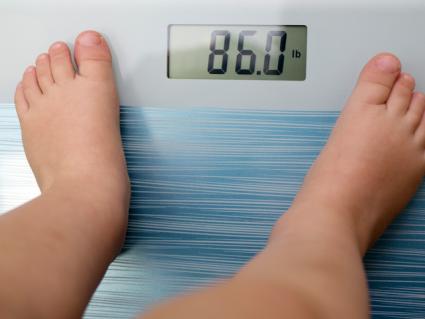
Why is childhood obesity on the rise?
An important topic to address this month is the rising incidence of childhood obesity, which is actually a global health issue in developed countries, particularly in our country. The percentage of children with obesity in the United States has more than tripled since the 1970’s. The cause of childhood obesity is complex and multifactorial, and can lead to serious health consequences both in childhood and in adulthood. It is known that 60% of overweight children are likely to become overweight adults, and health issues that can develop include Type II diabetes mellitis, asthma, hypertension, and cardiovascular disease, amongst others. Causal factors include inadequate physical activity and unbalanced nutrition/excess calories, but also “epigenetic” factors such as higher maternal pre-pregnancy body weight, prenatal tobacco exposure, excess maternal weight gain during pregnancy, and excess weight gain in the first 1,000 days of infant/child life. We also know that parents of low socio-economic status tend to have a higher incidence of obesity, and their children do as well, due to poor nutrition.
So what has been happening since the 1970’s that has permitted this rise in childhood obesity, apart from the noted epigenetic factors? Also, what can we do to intervene? Below, I have listed factors that, in my opinion, have led to the rise in incidence of this health problem, with a few suggested solutions:
1.Children are less active, much in part due to the “electronic age.” Kids spend hours behind computers, video games, and smart phones, and less time outside playing and doing physical activity. The screens of these “gizmos” are addictive. Parents can place restrictions on screen time and encourage children to get more “green” time! Do physical activities as a family (hike, bike, swim…just get out there!).
2.The Standard American Diet (“SAD” Diet) is calorie rich and nutritionally poor. The nutrient quantity and quality of our food is poor, yet very rich in calories, usually from trans-fats and sugars including high fructose corn syrup. Our food is highly processed and laden with chemicals which are “addictive”; this is particularly true of fast foods. Usually these foods are less costly than organic whole foods, and thus more accessible. Lets teach our kids about food quality and quantity, and provide them with whole foods. It is also helpful to show them where food comes from, and to have them participate in growing their own! Changes are occurring in some schools now, which is encouraging, in which healthier food options are available in cafeterias. Juices and sodas are very high in sugar, so encourage kids to drink water (with lemon or lime), coconut water, or teas instead!
3.Not eating regular meals encourages snacking. Lets face it, families have crazy busy schedules, and often times families do not have regular dinners together, and kids many times skip breakfast or lunch and compensate by eating processed snacks. Helping kids to eat three healthy meals a day with healthier snacks can decrease empty calorie consumption. And dinnertime is so important for family bonding!
4.Kids are getting less sleep. We tend to lose more weight and burn more calories with longer sleep times, and going to bed earlier discourages late night snacking. Our kids are often overly stressed with schoolwork, extracurricular activities, and too much screen time, so that they get to bed later than they should be. Encourage a balanced schedule and less screen time to protect their sleep!
5.Exposure to toxins disrupt the endocrine system. Non-organic foods are often laden with pesticides that in the body often can serve as “endocrine disruptors”, causing dysfunction of our endocrine systems that can lead to weight gain. The same can happen with the use of skin and haircare products that contain such chemicals. Eating organic foods and using organic personal care and cleaning products can minimize the toxin burden in our children, leading to less potential for weight gain issues.
As parents and guardians, it helps when we are good role models for our children, and incorporate these habits in our own lives. It helps when we work with our children on these goals, together. They will feel part of a “team” this way. Having conversations with them about how healthy lifestyle habits at a young age can impact their futures is not only helpful but essential.
So have a happy September…and remember…”EAT CLEAN, LEAVE THE SCREEN, GET OUT TO THE GREEN, TO STAY LEAN!!”
Setting an Intention: Mental Health Tips

Simplicity is the antidote to complexity. In light of the experience of anxiety, depression and racing thoughts, simplicity helps the mind to gain clarity and settle down. A mistake that can be made while setting an intention is the assumption that you won’t be met with challenges. As is shown in the tai ji symbol, challenges are unavoidable.The tai ji symbol (yin/yang symbol) shows us the law of nature where there is a balance of opposites. Where there is change, there is stability, where there is day...
there is night, etc. The curved line in the middle shows that these opposites exist in relation to each other. The white circle within the black and the black circle within the white signifies that these opposites cannot be separated. When the balance becomes shifted towards one end there is imbalance, and the light becomes the dark and vice versa. In this example the idea of complexity can be a trigger towards balance through change.
Setting an intention allows us the ability to be in a world of change and complexity while reacting with clarity instead of delusion. Setting an intention can be a daily practice that allows you deal with difficult emotions, cutting through the experience of anxiety, depression and racing thoughts.
The practice of setting an intention can be applied using your own existing spiritual practices or can be applied using pragmatic practices. From prayer and chanting a mantra to creating a list of mindsets or tasks you would like to accomplish, setting an intention can be used as the foundation to your outlook and your day.
For a pragmatic approach, try this:
In the morning, write down 3 things you would like to do today. Above those things, write down one of your positive qualities. Try to abide by your positive quality as you fulfill your daily goals. This way you have acknowledged yourself with compassion while achieving your goals.
For a spiritual approach:
In the morning, reach for a favorite spiritual book and read a passage from it. Meditate then contemplate this passage. Consider the words you have read throughout the day. End the day by rereading this passage, meditate and contemplate.
It sounds very simple, but of course that’s the point; to bring you into balance, back to your true center.
Setting an Intention: Mental Health Tips Related Blog Posts


Setting an Intention: Mental Health Tips Related Services

Acupuncture
Did you know that acupuncture has been shown to be more effective than conventional treatment for migraines, back and knee pain? Acupuncture is also the complementary therapy most recommended by medical doctors (M.D.'s), and is covered under more insurance plans than ever before. No other traditional healing method has ever earned as much world-wide success, recognition and support! Acupuncture…Acupuncture
Stress Reduction
Many of the therapies offered at the Center, from Integrative Medicine, to Massage Therapy, to Healing Touch, Acupuncture, and other forms of traditional Chinese medicine, are extremely effective in helping people reduce stress.Stress Reduction
Shifting Your Resolutions

As the leaves begin to fall, the air begins to grasp tighter around our skin; we reminisce, reflect on our year, and for most of us, begin to feel regret and shame for not accomplishing those new year resolutions we thought of many months before. The end of the year can be met with stress, anxiety, and depression, and especially now, we may have more fear and uncertainty. We tend to put pressure on ourselves around this time of year, mainly because of what is portrayed in the media, what we consume daily, and the shock that is this year ending and another one upon us. Time seems to pass by faster when the years come to a close, we tend to think back on what we could and should have done, what we may have lost or gained, thus looping us back into the shame of not meeting unrealistic expectations.
With the continuous pain that is of this pandemic, the looming uncertainties of what will be of our futures, and the grief that is also perpetually weaving through our bodies, I welcome you all to turn our expectations of enormous change to something different and more within. For this year, maybe we can work towards allowing ourselves to just, be. Be angry, be sad, be in pain, allow for joy, love, and grief. Let us all give ourselves permission to go at our own pace, listen to our bodies, and offer it a space to be exactly itself.
I challenge you all to allow for grace, mistakes, chaos; let us also in this pace, learn to be more understanding of others suffering as we work through our own. We can owe each other kindness when it is granted and grow within our flaws and messiness. This year, I invite you to ask yourselves what this new year, change, means specifically to you. Our resolutions can be as simple as saying no more often, breathing more intentionally, loving deeper, or maybe confronting that grief you so bravely tucked away. With all the resilience and strength that we have hadto express, give yourself the permission to collapse and rest.
As we are forced to open our doors to more uncertainty, we welcome discomfort, and also growth. This year lets be intentional and vocal about what we need, and to also normalize our needs are all different. For this new year, let us lessen the grip we put on ourselves to change automatically, and allow for peaks and valleys. Let us this year, appreciate all parts of ourselves and to also, just, be.
About Danielle Stram,, M.S. Ed, LMHCShifting Your Resolutions Related Blog Posts
Shifting Your Resolutions Related Services

Mental Health Counseling
At the Stram Center, we recognize that mental health is often the basis of your potential to navigate life’s challenges as well as to heal from physical illness. Understanding your full self, including traumas and difficulties you may have experienced, is often the first step to learn what your unique strategies are in the face of life’s difficulties. Quality healthcare should include support…Mental Health Counseling
Simple Dietary Techniques for IBS Management
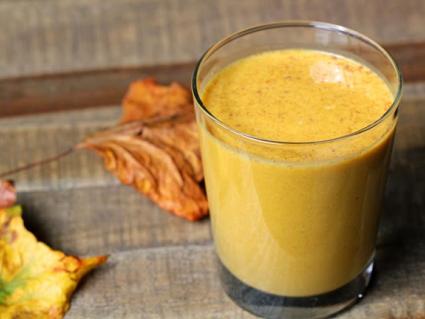
Unfortunately many people around the world suffer from intestinal distress, also known as Irritable Bowel Syndrome (IBS). For many patients at the Stram Center, we are able to use food and supplements to help one manage their IBS. In recognition of IBS Awareness Month, below is some basic information on our dietary approach for IBS Management at the Stram Center. Also be sure to try the tasty IBS Smoothie below.
The causes of IBS can vary greatly person to person. That is why at the Stram Center we feel it is important to treat the person as an individual and work to treat a person as a whole, instead of focusing on one condition. We utilize many approaches to work to determine if any specific foods are causing IBS symptoms. Some of our techniques include: Food Sensitivity Testing, Elimination Diets, Low FODMAP diets, a Comprehensive Stool Analysis, a “Gut Healing Approach”, and food and symptom journaling.
One approach that works for many, but not for all, is increasing soluble fiber in the diet. Soluble fiber is a soft and fluffy fiber that absorbs extra liquid in the bowel, and also gently massages the intestinal lining. Soluble fiber can slow down digestion, and can greatly help with managing loose stools or diarrhea. Even if people suffer from constipation, soluble fiber many times can help soften the stool and ease passing of the stool. Soluble fiber also has the additional benefit of helping lower ones cholesterol.
Soluble fiber is found in a variety of foods, including: cooked orange starchy vegetables (pumpkin, sweet potato, winter squash, carrots, etc.), oatmeal, oat bran, bananas, peaches, plums, mangos, potatoes, turnips, beans, lentils, avocados, etc. Soluble fiber is also used in popular fiber supplements such as Metamucil and Psyllium husk. Try gradually increasing soluble fiber in your diet and monitor your IBS symptoms.
As everyone tolerates foods differently, it is important to gradually increase new foods in the diet. If you have never had the food before, try to eat a small amount at first and monitor your symptoms. While gradually increasing fiber in the diet, it is also important to increase your fluid intake. Increasing fluids will help to prevent symptoms such as bloating/cramping.
While there are numerous approached to IBS, it is important to find the one that works best for you. Try one approach at a time and monitor your symptoms. Increasing soluble fiber could be a great place to start to help you achieve a happy and healthy GI tract!
IBS Smoothie
Recipe by Eric C. Sharer, MPH, RD, CSO, CDN Serves 1-2
Ingredients:
8 ounces of soy, rice, almond, lite coconut milk or oat milk
½ cup canned peaches (or other cooked/canned fruit)
Or if tolerated, consider using fresh fruit such as banana or ½ cup canned pumpkin or other cooked orange starchy vegetables.
* If adding canned pumpkin to your smoothie, consider adding ¼ - ½ tsp. pumpkin pie spice (adjust according to your tastes) to give a pumpkin pie flavor
1 tsp. agave nectar/maple syrup, or several drops of liquid stevia (optional)
Start with 1 of the following. Add another serving of fat/protein if tolerated. Too much protein/fat can cause nausea, indigestion, or diarrhea.
1/5-1/4 avocado
1 tbsp. smooth nut butter
½ scoop plant based protein powder such as pea protein (equivalent to 10-14gm protein) or soft/silken tofu *Caution with protein rich foods. Monitor how you feel after the smoothie.
Directions:
1. Add all ingredients into a blender and blend until smooth.
**Some people may have an intolerance to soy, coconut, legumes, or tree nuts so monitor how you feel when using these foods. Beans and lentils can aggravate diarrhea, so use caution if your bowels are inflamed.
Sleeping Positions and Pain - Part 2
I have heard from a number of people since I wrote my first blog about this on how hard it is to change from being a stomach sleeper to being comfortable in any other position, even though sleeping on their stomach causes pain. I understand because I was a stomach-sleeper till I was in my teens. Then my neck cramped up big time and I couldn’t do that any more. It was a tough transition but I had no choice and eventually succeeded.
I heard a great idea from a client the other day and wanted to pas it on. This client has been able to remain comfortable sleeping on her stomach her entire life, but she now uses a pillow under her stomach for even greater comfort. I tried that last night and it actually helps. You can have the pillow in whatever position is most comfortable for you – just under your stomach or under your chest and stomach. What it does is let your spine rest in a more natural curve. Your face is always facing to the side and I do feel you need part of another pillow under just the back of your head so that your face is tilting down towards the mattress as opposed to lying flat to the side. That relieves some of the stress off your neck. Like I said – I tried this and it wasn’t bad. I didn’t sleep that way but it was pretty comfortable – lots more so that just lying flat.
For you stomach sleepers in pain out there, give this a try. Sleeping on your stomach is still the most challenging position for comfort but this may help some of you.