The Benefits Of Gratitude & Mindfulness Tips!

Shifting behavior through mindfulness.
This time of year is a focal point for assessing the blessings in our lives and cultivating a sense of gratitude. Gratitude and thanksgiving is all relative so we know that a lot of it comes down to perspective. The phrase “attitude of gratitude” isn’t just catchy, it reflects that we play an active part in putting on a particular perspective that seeks out the good and focuses on that, leaving less room to feed negative energy. Have you ever been a part of a group of people complaining? You might walk away from that scenario feeling down or even finding yourself internally complaining about the complainers. The nature of like-feeds-like is at play here, where the negativity attracts further negativity. Rather than partaking in the downward spiral, you have the choice of interrupting this cycle. The first step is awareness, so simply breaking this cycle allows for you to decide what direction your thoughts go. This is a great opportunity to “try on” some positive thoughts, by either positive affirmation or making a behavioral shift that can lead you in a different direction. Some actions or behaviors can include healthy movement such as exercise, breath work, meditation, or even putting on some uplifting music or watching a comedy.
Practicing mindfulness has been proven to have a positive impact, especially when it comes to food. Some tips on how to bring mindfulness to your plate at mealtime include:
- Minimizing distractions - eliminating other factors that can draw your attention away from your food, conversation, and fully experiencing your meal creates the opportunity to allow your senses to come alive. This makes for deeper satisfaction, leaving you more fulfilled and less likely to overeat. Top distractors for most of us are the tv and our phones. Putting them aside and taking as seat can help quiet the outside noise and make it easier to listen to what your body’s telling you. So sit and savor!
- Pause - take a moment before your first bite to engage your attention and appreciate the meal (and maybe the people) before you. Additionally, setting your utensils down in between a few bites helps you slow down and not blow by the signals your body is sending.
- Chew! - a lot of GI upset (from gas and bloating to improper breakdown and absorption of nutrients) is caused from not adequately chewing our food enough. We don’t have teeth anywhere else in the body besides our mouth so do your system a favor and fully chew each bite. You’ll probably find that you’re taking smaller bites, you need less food overall to feel satisfied, and you’re belly (and below) is happier.
- Honor your fullness cues - when your body isn’t having to scream over other distractions, we’re better able to hear when it’s telling us we’re full. As we slow down, we’re able to hear sooner when we’re full. A helpful (and healthful) tip is to halt eating when we’re 80-90% full so we can leave the table feeling fully satisfied but not uncomfortable.
As you consider these tips and try them out at mealtimes, remember that new habits take practice. Give yourself some grace while making these changes and notice how it impacts your gratitude gauge…and perhaps your waistline, as well.
The Benefits of Hormone Replacement Therapy for Women and Men: Restoring Balance and Long-Term Wellness

Bioidentical hormone replacement therapy (BHRT) supports individuals experiencing symptoms related to hormone imbalance caused by aging, stress, or metabolic changes. Hormones influence energy, mood, sleep, cognition, metabolism, and sexual health, and gradual shifts may go unnoticed for years. BHRT uses hormones structurally identical to those produced by the body, allowing for a more physiologic response. In women, balancing estrogen and progesterone during perimenopause and menopause may improve sleep, mood, cognition, and overall well-being. In men, optimizing testosterone levels can support energy, strength, metabolic health, and mental focus. At the Stram Center, BHRT is personalized, carefully monitored, and integrated with whole-body health considerations.
Bioidentical hormone replacement therapy (BHRT) is a therapeutic option used to support individuals experiencing symptoms of hormone imbalance. Hormones play a central role in regulating energy, mood, sleep, metabolism, cognitive function, and sexual health. When hormone levels shift due to aging, stress, or underlying metabolic factors, the downstream effects can be significant. These changes are often gradual and may be attributed to daily life demands rather than a true hormonal decline. BHRT uses hormones that are structurally identical to those produced naturally by the body, allowing for a more physiologic response and improved tolerability.
In women, fluctuations in estrogen and progesterone during perimenopause and menopause can contribute to symptoms including hot flashes, night sweats, disrupted sleep, mood instability, cognitive changes, and irregular cycles. There is evidence that declining estrogen influences serotonin, GABA, and other neurotransmitter pathways involved in mood and sleep regulation, which may explain the emotional and cognitive changes many women report during this transition. Bioidentical progesterone has been shown to exert calming, sleep-supportive effects, while estradiol may support metabolic balance, lipid regulation, and bone density. Together, these hormones can help restore equilibrium and alleviate symptoms associated with menopause. Many women report improvement in sleep quality, mental clarity, and overall well-being once hormone levels are balanced.
Men can also experience clinically significant hormonal decline, most commonly involving testosterone. Testosterone levels naturally decrease with age—on average 1% per year after the third decade of life—and this may contribute to changes in energy, motivation, muscle mass, body composition, cognition, and sexual function. Research has shown that testosterone plays a role in red blood cell production, metabolic regulation, and neurotransmitter support. Low testosterone can therefore lead to reduced stamina, slower recovery, mood changes, and declines in libido or erectile function. Bioidentical testosterone therapy aims to restore physiologic levels, which may improve strength, metabolic function, cognitive performance, and overall vitality. Many men describe an increase in energy and mental focus once testosterone levels are optimized.
At the Stram Center, hormone therapy is approached from a whole-person perspective. Laboratory testing is used to assess hormone levels, and this may include bloodwork, urine hormone analysis such as DUTCH testing or saliva testing. Treatment is individualized, using the lowest effective dose of bioidentical hormones and monitoring closely for therapeutic response and safety. Because hormone imbalance often overlaps with adrenal function, thyroid health, sleep quality, and metabolic factors, these systems are also evaluated and supported when necessary.
Restoring hormone balance can help individuals feel more aligned with their natural rhythm and functioning. Improvements in energy, sleep, cognitive clarity, emotional wellbeing, and sexual health are commonly reported as part of therapy. As with any treatment, hormone therapy may not be appropriate for everyone and requires clinical oversight, as certain conditions may influence eligibility or dosing. For this reason, individuals interested in BHRT should consult with a provider trained in hormone therapies, their mechanisms, and their potential interactions with other medications or health conditions.
If you are interested in learning whether hormone replacement therapy may be appropriate for you, please contact the Stram Center to schedule an appointment. All providers are trained in integrative and functional approaches to hormone health and can help determine the most appropriate plan based on your individual needs.
The Benefits of Hormone Replacement Therapy for Women and Men: Restoring Balance and Long-Term Wellness Related Blog Posts



The Benefits of Individualized Nutrition

While humans are alike in many ways, we are also unique, especially when it comes to our behaviors, beliefs, genetic makeup, likes and dislikes. Our nutritional needs are just as unique to each of us because nutrition is much more than calories, vitamins and minerals. Our individual nutrition depends on many of factors, including our beliefs, behaviors, habits, cooking abilities, access to healthy foods, financial means, likes/dislikes, upbringing, and exposure in a safe and supportive childhood home to different foods. In an individualized nutrition counseling session, all of these factors are taken into account, creating space that you can thrive in.
When it comes to nutrition, we know that the one-size-fits-most rule does not typically work. Sometimes it can work in the short-term, but we do not usually see lasting effects, nor do we typically enjoy the process. The benefits of working with a practitioner and engaging in individual nutrition counseling often leads to long-term success that can lead to achievement of goals for one’s health and body. Individualized nutrition takes into account whether we are too busy to cook elaborate meals (or if we even like cooking to begin with), family dynamics, and all barriers to making life long changes. These barriers are then formulated into targeted plans for achieving attainable goals.
When we think about a nutrition plan that is tailor-made, we might think it focuses on purely our health status, whether that is to lose weight, improve fertility, or reduce inflammation/pain. And yes, it does all that and more. By working with a nutrition provider that you trust, this process is not only effective, but even enjoyable. If you are interested to know more about nutrition services offered at the Stram Center, please reach out. We would love you to experience the benefits of individualized nutrition counseling.
Learn more about our nutrition services at this page.
Meet our Registered Dietitian, Janna, at this link
About Janna Neitzel,, MS, RD, CDNThe Benefits of Individualized Nutrition Related Blog Posts




The Benefits of Individualized Nutrition Related Services
Integrative Medicine
Integrative medicine is the blending of conventional medicine with holistic, complementary, and alternative medicine. Integrative Medicine is defined as healing-oriented medicine that takes account of the whole person (body, mind, heart and spirit), including all aspects of lifestyle. It emphasizes the therapeutic relationship and makes use of all appropriate therapies, both conventional and…Integrative Medicine
Lifestyle and Prevention
Nutrition is an essential component to preventative health, and is one of the most modifiable factors in our lives. Embracing a proper diet for your body has the power to positively impact your health on all levels, helping you reach your own distinctive state of wellness.Lifestyle and Prevention

Nutritional Counseling
The practitioners at the Center recognize that diet is often the basis for your heath and your potential to heal. Adopting a healthy diet is often the first step towards correcting health problems. Many medical conditions can be treated more effectively when the patient implements specific diets and uses nutritional supplements. These interventions afford fewer complications and side effects than…Nutritional Counseling
The Benefits of Teletherapy

As difficult and chaotic the past year has been, one silver lining has been the increase in accessibility to mental health services. Psychologists all around the world report an increase in demand for treating trauma, anxiety, and PTSD since 2020. Mental health care should be convenient for individuals, and teletherapy has the potential to improve the comfort level in clients, as they have the ability to engage in one of the most challenging and rewarding relationships from the comfort of their own home.
Teletherapy allows clients to build their very own safe space—which further allows clients to feel connected in therapy. Multiple studies demonstrate that the more individuals feel a sense of familiarity during their therapy session, the more comfortable they are in opening up to their counselor.
Telehealth services have the potential to enable rural clinicians to acquire new levels of expertise by supporting clients in major cities. Therefore, telehealth services have the potential to improve the overall quality of health care throughout the country. Additionally, this allows for clients in a rural area who may have limited access to mental health services to seek support from therapists throughout more populated areas.
Although there have been reported increases of access to mental health care services with the influx of telehealth, there are still millions of people who do not benefit from telehealth. Severe mental health issues that require a higher level of care need a focused level of attention from mental health care specialists.
Having the opportunity and access to mental healthcare allows us all the potential to work through challenges as they come, especially during the unpredictable time that is our world today.
About Danielle Stram,, M.S. Ed, LMHCThe Benefits of Teletherapy Related Blog Posts


The Benefits of Teletherapy Related Services

Mental Health Counseling
At the Stram Center, we recognize that mental health is often the basis of your potential to navigate life’s challenges as well as to heal from physical illness. Understanding your full self, including traumas and difficulties you may have experienced, is often the first step to learn what your unique strategies are in the face of life’s difficulties. Quality healthcare should include support…Mental Health Counseling
The Challenges of Weight Loss, Part 1
As drugs for weight loss are currently seeking approval by the FDA, one has gone the way of Fen-Phen and has been pulled off the market. The drug Meridia has been on the market since 1997 and boasted claims of at least 5 percent weight loss over placebo. However, Abbot Laboratories, the maker of the drug, voluntarily pulled the drug off the market due to clinical trials showing increased risk of heart attack and stroke.
The search continues for the “one” pill that will cause weight loss. In July the FDA disapproved Qnexa for the market, a new diet pill that combines an amphetamine and an anticonvulsant. And not just drugs, but natural products are constantly being marketed as the next “fat burner”.
The problem with developing a weight loss pill or supplement is that weight gain is multi-factorial and can be different for each person. Drug companies investigate ways to suppress the appetite, decrease gut absorption of fats, and increase metabolism as quick fixes. However, there are many other factors that cause increased weight gain. And we all know the main factor, and that is high calorie processed and restaurant food. Now that New York has passed a law to put calories next to menu items, it’s no wonder why the most recent government data reports that more than 2/3 of the American population is obese or overweight. There are often very few meals under 1000 calories, and there are many that are closer to 2000 calories! For most of us, that is considered an entire days worth of calories in one meal.
The other most common factor to weight gain is lack of activity or exercise. Walking is great exercise and perhaps one of the most common forms of exercise. However, it is not the best calorie burner. Walking for 30 minutes at a rate of 3-4 miles per hour burns about 150 calories. Walking for 1 hour at 20 minutes per mile (3 miles per hour) burns about 240 calories. One Grand Latte from Starbucks is 272 calories, and that is without any sugar, syrups, or whipped cream. Some activities burn many more calories, for example 30 minutes of cross-country skiing burns about 390 calories, 30 min of rock climbing burns 373 calories, and playing golf while walking with bag 18 holes burns almost 2,000 calories! So as Americans, we are fighting high calorie foods with not enough activity to burn these calories. Not everyone can do these activities every day, but find an activity, preferably outdoors, that you can do at least once per week, and make them different every week. The body does better with change, rather than doing the same routine all the time. Before starting any rigorous activity, please consult with your health care provider first.
In my next blog, Part 2, I will discuss other factors of weight loss when diet and exercise alone are not working.
The Challenges of Weight Loss, Part 2
As we explored in part 1, diet and exercise remains a key factor in weight loss. But what happens when these are not enough? When what has worked in the past is no longer working? There could be other factors involved that could be hindering your ability to lose weight.
Do you have a slow metabolism or fast metabolism? Your thyroid gland plays a role in your metabolism. If it is low or hypofunctioning, this could lower your overall metabolic rate leading to weight gain. A blood test can determine your thyroid functioning.
Sugar metabolism plays a large role in energy expenditure and fat storage. However, not all sugars act the same in our bodies. Glucose stimulates insulin secretion that then promotes the cells to take up glucose for use as energy or to store as glycogen. The presence of insulin inhibits fat breakdown for energy (because now the body is using sugar) and promotes fat cells to not only take in fat, but also to produce fat (typically in the form of triglycerides). Therefore in the presence of circulating insulin, the body is going to make and store fat. This is why insulin resistance is associated with weight gain.
Fructose on the other hand, does not stimulate insulin production. It is metabolized in the liver and stored as glycogen or fat (in the form of triglycerides). Therefore, if we are inactive and not using our glycogen store in our muscles, we will convert fructose directly to fat. This is why fructose sweetened beverages and excessive consumption of fructose may be a possible health problem and could be contributing to the obesity epidemic. 1,2,3 Glucose, insulin, and triglyceride blood tests can be performed to determine your metabolic status.
Chronic inflammation can also lead to weight gain. Most commonly inflammation is thought of as painful or swollen joints, but chronic inflammation can brew in the body as a response to diet and environment. Inflammation may have an affect on a hormone called leptin.4,5 Leptin, mostly produced in fat cells, sends signals to the brain to decrease appetite and increase energy expenditure. Since leptin is produced in the fat cells, it circulates in our bodies proportionally to the total number of fat cells. This makes sense since leptin decreases appetite and the more fat cells there are, the less need there would be to eat. However, inflammation and too much leptin leads to leptin resistance, causing a decreased ability for leptin to decrease appetite. One way to reduce inflammation is to investigate any food allergies that could be causing chronic inflammation. I have seen success with patients who follow a personalized hypoallergenic diet according to their food allergy results and successfully lose weight. Having a personalized diet plan is often more successful than trying a diet that is marketed to the masses for weight loss.
Dietary fructose reduces circulating insulin and leptin, attenuates postprandial suppression of ghrelin, and increases triglycerides in women
J Clin Endocrinol Metab. 2004 Jun;89(6):2963-72.
Teff KL, Elliott SS, Tschöp M, Kieffer TJ, Rader D, Heiman M, Townsend RR, Keim NL, D’Alessio D, Havel PJ.Monell, Chemical Senses Center, University of Pennsylvania, Philadelphia 19104, USA
Fructose and metabolic diseases: new findings, new questions
Nutrition 2010 Nov-Dec;26(11-12):1044-9. Epub 2010 May 14.
Tappy L, Lê KA, Tran C, Paquot N. Department of Physiology, University of Lausanne, Lausanne, Switzerland
Consumption of high-fructose corn syrup in beverages may play a role in the epidemic of obesity
Am J Clin Nutr. 2004 Apr;79(4):537-43.
Bray GA, Nielsen SJ, Popkin BM. Pennington Biomedical Research Center, Louisiana State University, Baton Rouge, LA 70808, USA
Leptin in immunology
J Immunol. 2005 Mar 15;174(6):3137-42.
Matarese G, Moschos S, Mantzoros CS. Gruppo di ImmunoEndocrinologia, Istituto di Endocrinologia e Oncologia Sperimenttale, Consiglio Nazionale delle Ricerche, Naples, Italy
Leptin resistance: a possible interface of inflammation and metabolism in obesity-related cardiovascular disease
J Am Coll Cardiol. 2008 Oct 7;52(15):1201-10.
Martin SS, Qasim A, Reilly MP. Department of Medicine, Cardiovascular Institute, University of Pennsylvania School of Medicine, Philadelphia, Pennsylvania 19104-6160, USA
The Colon: A Gateway to Good Health
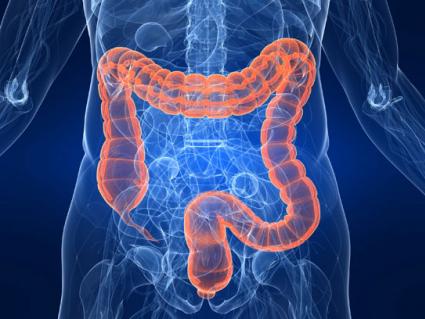
An investigative approach to Colon Health.
The cornerstone of treatment for many conditions, begins with evaluation of an individual's Colon Health. We understand that good colon health is imperative for an individual's quality of life and is one of the premiere areas of immune regulation. If someone is suffering from constipation or an overactive colon, the body's ability to cleanse and or retain nutrients is compromised.
First, we begin with a person's individual cellular make-up by drawing blood work, and analyzing where we may see some discrepancies - for example, we try to identify if you have any allergies/sensitivities to dairy, soy, gluten, etc. Are you absorbing nutrients properly. What might be the cause of your fatigue, discomfort, bloating?
Based on your personal analysis, we then recommend an integrative approach that may include: supplements, diet changes, acupuncture, chromotherapy, and medical treatment options as needed. Looking specifically on how an integrative approach can benefit colon health, let's dive into the use of chromotherapy (light therapy) for improved colon function.
If you are suffering from constipation, the body is not able to "throw the garbage out". Your body may benefit from the heat of our infrared sauna - generated through the use of red light. Red light increases circulation bringing more blood to your heart and bowels and helping your body to detox. Likewise, if you have prolonged bouts of diarrhea, your body may respond to undertones of blue light in our infrared sauna, which helps to cool and calm overactive bowels.
Colon health is a tricky thing and really needs to be evaluated based on the individual make-up of each person. It is something we take very seriously at The Stram Center because a good colon translates to a healthy body. If you have questions or concerns about your colon health, please don't hesitate to contact us.
The Complexity of Mold

A combination of a passion for environmental medicine and an uptick in mold-related illness at the Stram Center prompted me to seek further medical training on the latest advances in treating mold-related conditions; a continuing medical education course taught by a Naturopathic Doctor specializing in mold sickness, Dr. Jill Crista. This blog is intended to bring attention to this chronic, often misdiagnosed, complex condition that is the root cause of a lot of “mystery” symptoms and syndromes - think chronic fatigue syndrome, mast cell activation syndrome, mitochondrial dysfunction, dysautonomia, chronic sinusitis, interstitial cystitis, nephritis, tinnitus, neuropathy, immunodeficiency, cognitive impairment, unspecified gastrointestinal symptoms, food sensitivity, among many others.
It is well recognized in conventional medicine that mold can cause allergic rhinitis, hypersensitivity pneumonitis, asthma (both IgE and non-IgE mediated), and aspergillosis. This is limited to medical conditions caused by mold spores, and does not include the most toxic of mold related conditions, mycotoxin sickness. Mycotoxins are the most toxic components of mold that are released by mold when it is threatened. Mycotoxins, unlike spores, can be absorbed into circulation and cause systemic illness. They can enter human bodies through routes of inhalation, ingestion and/or absorption through skin. Their lipophilic nature allows them to enter cells, causing disruption in cellular processes. They have no scent, so are often undetected by exposed individuals. It is not new knowledge that mycotoxins are dangerous - militaries around the world make bioweapons out of them. Unfortunately, mycotoxin illness is not yet well represented in conventional medical models.
It is important to note that mold is everywhere in our environment. A lot of the mold we are exposed to does not cause us to be sick. We are mostly concerned with exposure to water damaged buildings, and thus mycotoxins. Exposure to mold from water damaged buildings at any point in your lifetime can be making you sick NOW. Exposure does not have to be recent. Think - potential past exposure at school, work place, campus housing, camping, hotels, basements, etc. Mold is not just an “old building” issue - once buildings have been exposed to water, mold can grow quickly, in just 24-48 hours. Large areas of water do not need to be present - humidity levels of >50% indoors can support mold growth. Since toxic components of mold often are not visible to the eye or detected via smell, it is possible you were exposed and never knew it or are currently being exposed and don’t know it. Toxic mold can hide under flooring, behind drywall, in HVAC systems, CPAP machines, humidifiers, etc - easily left undetected.
A big principle of environmental medicine is avoidance of the environmental trigger. This applies for treating mycotoxin illness as well, and in fact is the most important first step in treatment. From experience, patients will not reach full treatment potential and/or will have relapses in symptoms if they do not get out of the moldy environment permanently. It may be advised to get your current living environment assessed, and if needed, professionally remediated for mold. DIY testing is highly discouraged, as mold can be easily missed by the untrained. DIY remediation is also highly discouraged, as when mold dies, it releases more toxins. Leave it to the professionals - you don’t want to make yourself sicker!
How Integrative Medicine can help: if you are suffering from chronic symptoms of no known etiology, and/or if you suspect mold-related illness, it is important to have a full “biologic terrain” assessed to determine root cause. Treatment plans are highly individualized and that also goes for mycotoxin illness. Treating mycotoxin illness requires chronic intranasal and systemic therapy, and is done in several phases. The extent of illness is related to our environmental and genetic predisposition, duration, and amount of exposure. Your genetic diversity, type of mycotoxins exposed to, and comorbidities also play a big role in the types of symptoms, severity of illness, and treatment strategies implemented. Each treatment phase is individualized to your specific needs.
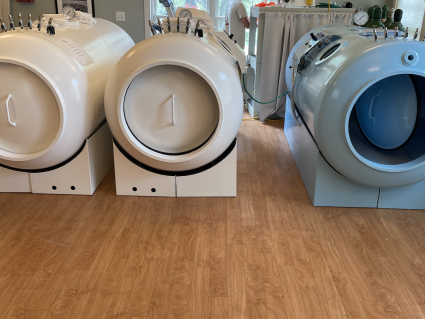
We have the ability to implement specialized IV therapies at our clinic to support your body’s needs.
Please contact the Stram Center if you are interested in making a medical appointment for evaluation.
A special thanks to the resource of this article, Dr. Jill Crista. Check out her patient-friendly book “How to Break the Mold” for more in depth, easy to read information.
The Complexity of Mold Related Blog Posts
The Complexity of Mold Related Services
Integrative Medicine
Integrative medicine is the blending of conventional medicine with holistic, complementary, and alternative medicine. Integrative Medicine is defined as healing-oriented medicine that takes account of the whole person (body, mind, heart and spirit), including all aspects of lifestyle. It emphasizes the therapeutic relationship and makes use of all appropriate therapies, both conventional and…Integrative Medicine

IV Therapy for Wellness
We often associate healthcare with “sick” care – but then where does wellness fit in? At the Stram Center, we believe that it is not only important to heal the body, but to also bring the body into its utmost state of wellbeing.IV Therapy for Wellness

IV Therapy for Chronic Illness
Chronic illnesses are on the rise in the US. From chronic Lyme disease, cancers, chronic fatigue, pain and more – patients are attempting to live their best lives while fighting a battle within. A patient’s response to chronic illness is unique – based upon many factors ranging from emotional response to the disease, individual physical symptoms, immune response and the duration of the…IV Therapy for Chronic Illness
Tests We Use
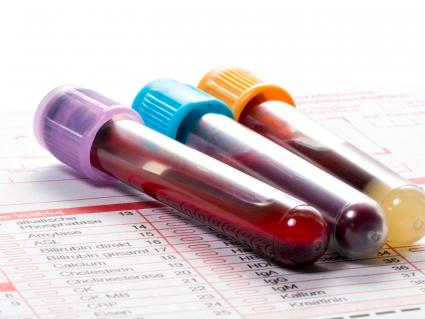
The Stram Center for Integrative Medicine utilizes the most advanced and comprehensive testing available to assess root cause of illness for our established patients.A wide range of detailed and extensive diagnostic tests are accessible by the Stram Center and include highly sensitive and accurate testing . Aside from conventional medical testing, such as Complete Blood Counts,…Tests We Use
The Essence of the Healing Power of Reiki
I found a wonderful article about Reiki in the May 2010 issue of Body and Soul Magazine (Relief Through Reiki: Alternative Healing by Lynn Darling). It very poignantly describes the anger that a woman experiences as she undergoes radiation treatment for her breast cancer.
Her descriptions are so very personal and vivid. She is not a woman who puts much faith in alternative therapies but decides to see if Reiki can help her release some of her anger. She describes what she experiences during her first Reiki session, and how it really did allow her to let the anger go, finding more peace and freedom and comfort than she had felt in a long time. In her words “whatever Reiki is, and whether or not, by any quantifiable measure, it works, it works for me.” I found the article to be very moving. It shows how taking a chance and trying something new in times of great challenges can give you such gifts and tools to help you on your way.
A sidebar in this article also explains that New York’s Beth Israel Medical Center has “recently launched a program that includes Reiki as one of 5 interventions used to create an optimal healing environment on the cancer floor”. Reiki is becoming more accepted and used by major medical centers all the time. I have been working with Reiki for 14 years and can attest to its ability to bring peace and comfort, to relieve pain and stress, and to encourage healing, as well as to maintain your health. It is a wonderful tool to explore, and you can learn to use it for yourself very easily. Reiki started me, many years ago, on my path to healing myself to, now, helping others to find their own healing through working at the Center. It is a powerful and profound tool of healing and transformation, and yet is so simple. If you so desire, see where it can take you.
The Food and Fertility Connection
Fertility Foods Basics
When looking at ways to enhance fertility, the diet is one of our most reachable influences. To improve the diet it is helpful to consider your specific constitutional needs. A Chinese medical assessment which includes a tongue and pulse diagnosis will give you a framework to work within.
In general foods are best consumed at their freshest state. These foods have greater vitality which is transferred through nutrients in the body. Foods that are easy to digest are important as well. Choose lightly cooked vegetables over raw ones. Choose warm foods over cold ones. Having heat already within the food creates less of a burden on your digestion.
Foods That May Impair Fertility
Eating organic or pesticide/herbicide free produce is optimal. Pesticides and herbicides contain known endocrine disrupters. They interfere with female reproductive health by altering the availability of ovarian hormones and altering the binding and activity of hormones at the receptor level. This can lead to irregular menstrual cycles, endometriosis and infertility.
At least 1 in 130 Americans have a genetic predisposition to Celiac disease and even more are gluten intolerant. These conditions are present when cells that line the small intestine become inflamed as a result of eating gluten (found in wheat, rye, barley, spelt, kamut, semolina, cous cous, and gluten contaminated oats). Intestinal inflammation leads to malabsorption of vitamins and minerals. Aside from malnutrition there are over 200 possible symptoms. The most common ones include: abdominal cramps, bloating, constipation, diarrhea, fatigue, IBS, infertility, joint pain, mouth sores, weakness, and weight loss. A blood test is available to test for celiac disease. This determination can be pivotal for those wishing to conceive.
Eating for Wellness
The next time you eat something pay attention to the way your body feels afterwards. Do you feel energized or fatigued? Do you have a headache? Is your mind sharp or foggy? Everything that goes into your body has an affect, whether it’s observable or not, pleasant or unpleasant. Food affects overall health as well as our fertility.
Resources:
Craig ZR, Wang W, Flaws JA.
Reproduction. 2011 Aug 23. [Epub ahead of print]
Endocrine disrupting chemicals in ovarian function: effects on steroidogenesis, metabolism and nuclear receptor signaling. Source: Z Craig. Comparative Biosciences. University of Illinois,Urbana, United States.