Successful Detox Tips: Optimizing the livers ability to detox!
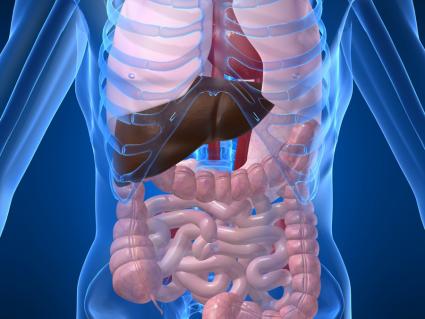
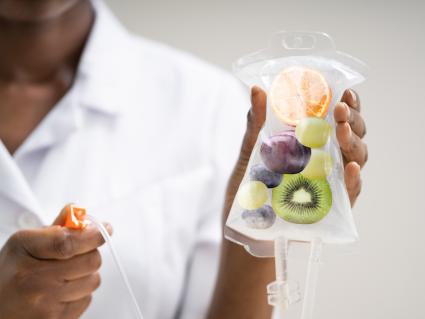
Many organs and body processes are involved in the detox process, but the liver is the main organ that is involved in the processing and removal of metabolic wastes and foreign substances, also known as toxins, from the body. In order to successfully embrace a detox program it is important to understand how the detox process works in the body.
Once the metabolic wastes and toxins make it to the liver, the final detox process begins. The liver utilizes different enzymes or mechanisms for processing and removing toxins.
The liver first uses phase 1 enzymes to help make metabolic wastes and toxins more water like or water-soluble. This makes it easier for the liver to remove the metabolic waste or toxins from the body. Phase 1 Enzymes produce free radicals during this process, which can injure the cells of our organs, especially our liver. This creates an increased need for antioxidants in the diet.
During a detox it is important to consume a wide variety of different colored plant based foods to maximize the antioxidant density of our diet. Below are several important antioxidants and food sources to consume during a detox.
- Beta-carotene: Beta-carotene has been found to support the immune system and also protect the skin. Another benefit of Beta-carotene is that it can be converted into vitamin A, which is important for protecting the eyes and liver from oxidative damage and diseases.
- Food Sources: leafy green vegetables, orange starchy vegetables, red peppers, apricots, broccoli, mango, cantaloupe, etc.
- Vitamin C: Vitamin c is a strong antioxidant that protects multiple sites in the body, including our DNA and the cells of the liver. Vitamin c is heat sensitive, so try to consume several servings of raw fruits and vegetables each day during a detox.
- Food Sources: kale, broccoli, bell peppers, citrus fruit, and tropical fruit such as papaya.
Visit the blog tomorrow to learn about how phase 2 enzymes play a role in detoxing, as well as dietary recommendations to optimize the phase 2 enzyme action or learn more on our webpage at http://www.stramcenter.com/services/cleansing-programs/
Suffer from Seasonal Allergies?

There are some natural alternatives for allergy relief.
It’s that time of year when we welcome the warm weather, but not the prospect of suffering from seasonal allergies. With everything in bloom and all the pollen in the air, many depend on allergy medications and nasal steroid sprays to control symptoms. But are there some natural alternatives?
Many natural remedies incorporate a combination of vitamins, nutrients, or herbs for a balanced attack on histamines, leukotrienes, and other inflammatory mediators. These remedies may include vitamin C, stinging nettle, quercitin (a bioflavinoid from fruit), bromelain, n-acetyl cysteine, or boswellia (aka frankinsence).
Natural desensitizing therapies include homeopathic remedies and eating local honey. Therapies that help decrease exposure include using a good indoor hepa air filter and daily nasal rinses with a netti pot or sinus rinse.
Some people may be able to alleviate symptoms with the use of natural therapies alone, or in combination with allergy medications. At the Stramcenter we use integrative medicine to find the best combination of remedies and medicines, because the ultimate goal is to be symptom free and to enjoy the outdoors!
Summer is the Season of Colorful Foods!
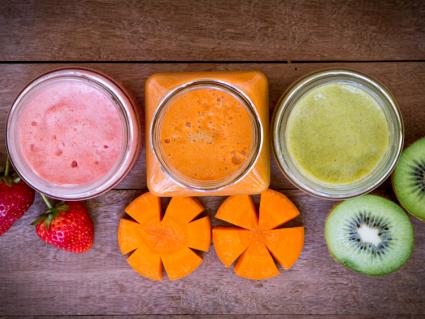
Keep meals interesting, try new greens, fruits, and vegetables!
There is so much research about the healing power of color in our plant foods. All those colorful pigments have many powerful healing nutrients and eating the rainbow is a great strategy for daily fruits and vegetables! The foundational of eating all those colors is that plant foods have so much to offer including vitamins and minerals, fiber as well as their colorful compounds. They provide so much healing and well-being in our bodies. As summer is in full season now this this is a perfect time to seek out new sources for those great colorful vegetables. Find ways to add more plant foods by planting a small garden in your yard or use containers, grow herbs in a window garden, join a CSA or seek out your local farmer’s market. Eating fresh local food is the perfect way to source those colorful plant foods.
Here are some tips help add more vegetables every day:
1. Try some new greens in your salad; be creative with texture and color.
2. Using the rainbow as a reference, notice how many colorful plants you can eat in one day. Kids love to match colors from the rainbow to their foods, you can make a game out of it!
3. Add vegetables to breakfast: spinach, carrot, tomatoes are all great side dishes for eggs and other breakfast foods.
This is a delicious smoothie recipe that features a rainbow of colorful plant foods:
Rainbow Smoothie*
Makes ≈ 2- 8-10 oz. servings
½ cup (cold) green tea
1 cup hemp or almond milk (unsweetened)
1-2 tablespoons chia seeds, whole or ground
1/4 teaspoon cinnamon
⅛ teaspoon ginger (dried) or . teaspoon fresh ginger, minced
1 tablespoon fresh lemon juice
1 teaspoon maple syrup or 1 teaspoon stevia
½ cup (no sugar added) frozen blueberries
½ cup (no sugar added) frozen strawberries
½ cup (no sugar added) frozen mangoes
1 cup packed baby spinach
*Add ¼ to ½ cup ice to increase thickness if desired
Add prepared green tea, hemp or almond milk to blender. Then add the rest of the ingredients in the
order listed ending with baby spinach. Blend at very low speed until ingredients are mixed then gradually
Support Your Immune System with Acupuncture

This time of year is commonly plagued with colds, flus, bronchitis or simply feeling run down. Our immune systems are challenged and impaired by the colder weather, lack of natural vitamin D, stress, and poor diet.
This time of year is commonly plagued with colds, flus, bronchitis or simply feeling run down. Our immune systems are challenged and impaired by the colder weather, lack of natural vitamin D, stress, and poor diet. Clinical studies have shown that acupuncture is used as a preventative approach to colds, reduce the spread of infection in the body and shorten the duration of the illness. According to Chinese Medicine illness occurs when organ systems are weak and out of balance which creates an environment for germs, bacteria and viruses to thrive and lead to a cold. It is important than to support and strengthen our immune systems.
How does Acupuncture Help?
The equivalent of our immune systems in Chinese Medicine is called Wei Qi or Defensive Qi. It runs between the skin and muscle; is made from food and water; and is the first line of defense to protect the body from external pathogens. A strong wei qi acts as a barrier that protects and defends the body against any foreign substance which lead to illness and diseases. However, when weak, it decreases the body’s ability to protect from external pathogens and one’s health is compromised. Regular acupuncture treatments strengthen, support and rebalance the immune system providing the body with proper tools to fend off any colds or flus. As well, acupuncture stimulates wei qi, so when you feel a cold coming on, acupuncture can shorten the length of the cold or prevent it completely from taking you out for the count.
Other ideas to keep the Immune System Healthy
In addition to acupuncture, food and lifestyle can affect the functions of the immune system. To stay healthy throughout the winter, get enough sleep, plan time to relax and unwind from daily stressors, and exercise regularly. Vitamin C and zinc are two important elements to support the immune system. Make sure to incorporate these foods for red peppers, red cabbage, strawberries, tangerines, oranges and kiwi Vitamin C; and for zinc include chicken, barley, lamb, turkey and beef. As well, add garlic to meals for its antibacterial and antiviral abilities. Make sure to limit sugar because it suppresses the immune system cells responsible for fighting of pathogens. If you do feel the beginnings of a cold coming on have miso soup or broth with green onion and fresh ginger. This combination helps the body’s pores to open and sweat out the cold. After eating the soup, get under the covers and get to bed early.
The key is to boost and support your immune system to prevent getting sick.
Supporting Chemotherapy with Acupuncture
Study published in Journal of Clinical Oncology shows that acupuncture may have positive effects in relieving fatigue related to chemotherapy in patients with breast cancer.
Most women who have been diagnosed with breast cancer are treated with chemotherapy. It is a crucial therapy that saves lives, and it also has its side-effects. One such side-effect which can linger for years is chemotherapy-related fatigue, the sense of tiredness and just not "feeling like my normally energetic self."
A study from the University of Manchester, published in the Journal of Clinical Oncology in 2012, adds to a growing list of studies showing acupuncture to be an invaluable tool to care for cancer patients. The study included over 300 breast cancer patients who were suffering from moderate to severe fatigue. These women had been treated with chemotherapy within five years previous to the study, and most had been experiencing fatigue for over one year.
The results: after one session of acupuncture per week for six weeks, these women experienced a nearly four point reduction on a 20 point scale of General Fatigue; compared to less than a one point reduction in the control group (the group who did not receive therapeutic acupuncture). In addition to the primary measure of General Fatigue improvement, the study also found that acupuncture was significantly superior to control for improving Mental Fatigue, Physical Fatigue, Anxiety and Depression, and Quality of Life including physical, mental, and social measures of well-being. That was with three pairs of acupuncture points.
This study adds to a growing number of studies on acupuncture for patients with cancer over the past 15 years or so that share a few things in common: they are all positive, and they are all clear. In addition to the above, studies have shown acupuncture to reduce cancer or treatment-related pain, dry mouth, nausea, depression, post-surgical pain and nausea, and hot flashes related to hormone suppression therapy. For links to some of these studies, please check our Facebook page throughout this October's Breast Cancer Awareness month, and have a wonderful Fall!
Supporting Hormonal Health Through Food
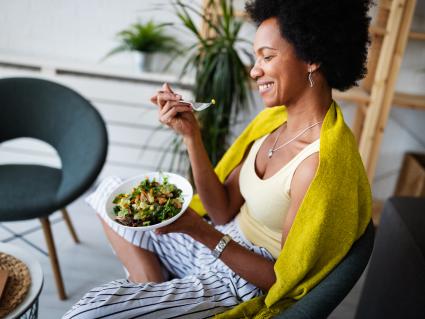
Women’s bodies transition through many different phases throughout the lifecycle. Because of this, their nutritional needs vary greatly as well. There are several dietary approaches that can help to support the female body during these different stages of life. Here are some nutrition approaches to consider....
Seed cycling to support hormonal health:
This strategy can be especially helpful for females with menstrual cycles. Seed cycling is intended for long-term use (starting with a minimum of three months) and entails eating certain seeds at certain times during the cycle. During the first half of the menstrual cycle (day 1-14 of menses, with day 1 = first day of menstruation) consume 1 tablespoon of ground flax seed and 1 tablespoon pumpkin seeds per day. During the second half of the cycle (days 14-28) consume 1 tablespoon sunflower seeds and 1 tablespoon sesame seeds per day. For those who cannot consume seeds these can be ground into seed butters. These seeds or seed butters can be a great addition to yogurt parfaits, smoothies, or used in energy balls with other nuts and dried fruits.
Extra detox support with cruciferous veggies:
For women with excess estrogen, estrogen dominance, poor liver functioning, or difficulty detoxing, including cruciferous veggies daily can help. Cruciferous veggies include cabbage, broccoli, cauliflower, brussels sprouts, arugula, bokchoy, watercress, radishes, collards and kale. Broccoli sprouts are particularly powerful additions to the diet due to their potent amount of sulforaphane.
Blood sugar balance is essential for hormonal balance:
To balance blood sugar, make sure to eat adequate protein, healthy fat, and fiber with meals. Reducing carbohydrates can sometimes be helpful, particularly if the bulk of meals is carbohydrate-based. In general, trying to avoid processed carbohydrates and focusing on healthy whole-food forms of starch supports better blood sugar balance, such as swapping out a turkey sandwich at lunch for a salad with chicken, chopped veggies and greens, avocado and beans.
If you have been focusing on these concepts already and find you are still struggling with hormonal balance, consider working with a functional practitioner and dietitian to look a bit deeper into the many areas that affect endocrine functioning. Deeper testing of hormone production and metabolism is often very helpful to determine where issues are stemming from. A functional practitioner can offer this insight along with supplement and lifestyle modifications to help lead your body back into balance.
Supporting Hormonal Health Through Food Related Blog Posts


Supporting Lyme by Calming the Mind

One of the basic concepts of integrative, naturopathic, and Chinese medicine is that given the right conditions and support, the body has an inherent ability to regulate and heal. This can take a long time when something as noxious as Lyme disease and its co-infections have set in, but healing is possible and we are here to support you. Chinese medicine works with the body’s life force, not against it. When the body and mind feel fragile, hypersensitive, and exhausted, acupuncture can help relieve physical and emotional discomfort by toning down pain and heightened anxiety, and nourishing the depletion of chronic disease to not only relieve fatigue but build stamina and reserves
One practitioner of Chinese medicine, Dr. Heiner Fruehauf, who has been studying and treating Lyme for over 20 years, aptly described the way people with Lyme often feel—“as though somebody put a hex on them without anybody being able to see what was really going on.” There are ancient records in Chinese medical texts of these types of patients who are exhausted from the chronic inflammation that has depleted their reserves. This is the case in chronic infections that have gone on undiagnosed, often perplexing medical practitioners, until finally Lyme is detected, or at least suspected. Chinese medicine including acupuncture, herbs, and nutritional therapies can be used alongside antibiotic therapy to greatly increase healing. Having been bitten by ticks twice myself experiencing both acute and chronic Lyme, I can attest to this!
In general, in the modern day society we live in, our nervous systems are challenged perhaps more than ever before in history. We’re expected to keep up at a rapid pace and perform well with a lot of multi-tasking. So, when an illness like Lyme sets in, this can cause great physical, mental and emotional suffering. “And for most Lyme patients, two steps forward and one step back- and plateauing in between- are the normal form of progression on the road towards recovery” (Heiner.) Because Lyme primarily infects the nervous system, with the digestive system secondarily, the emotional state can feel fragile due to cognitive challenges which can feel like a rollercoaster at times. The anxiety experienced with Lyme is real, and although anxiety is pervasive in our modern day living, Lyme does activate both physical and emotional symptoms. I’ve talked to patients who have never considered themselves anxious until they had Lyme.
Acupuncture can be a very helpful modality to allow yourself to slow down. The points chosen can help facilitate physical, mental and emotional relief with clarity of thought and mind beyond your treatment time. One of these points is Governing Vessel 20. The Chinese name is Bai Hui (pronounced ‘bye whay’) which translates to One Hundred Meetings, said to treat 100 diseases. It is the uppermost point on the entire body located at the center of the crown of the head on the scalp. This point has many actions (what it does) such as benefiting the brain and calming the spirit, and indications (what it is used for) such as headache, dizziness, prolapses in the organs, even loss of consciousness.
Being located so close to the brain, it helps to nourish this vital organ. From a more mental and spiritual perspective, this point can help with disorientation which can happen if we are so busy and become overwhelmed and lose focus, as well as with poor memory and sadness by helping to “move a person forward to a different level of understanding and being” (Worsley.) If there are feelings of tightness and tension this point can calm and lift the spirit, clear the mind, and calm feelings of overwhelm to help bring about peace and clarity from within.
You can meditate on opening this point by focusing on the very top and center of your head and if you’d like you can apply gentle pressure. Most people really like receiving acupuncture at this point. Feel free to request it at your next treatment!
Sources:
Classical Pearls Herbal Formulas Clinical Reference Guide “Lyme Disease: An In-Depth Interview with Heiner Fruehauf,” 2012.
A Manuel of Acupuncture, by Peter Deadman
Spirit of the Points by J.R.Worsley, Lonny Jarret, et al.
Supporting Lyme by Calming the Mind Related Blog Posts





Supporting Lyme by Calming the Mind Related Services

Acupuncture
Did you know that acupuncture has been shown to be more effective than conventional treatment for migraines, back and knee pain? Acupuncture is also the complementary therapy most recommended by medical doctors (M.D.'s), and is covered under more insurance plans than ever before. No other traditional healing method has ever earned as much world-wide success, recognition and support! Acupuncture…Acupuncture
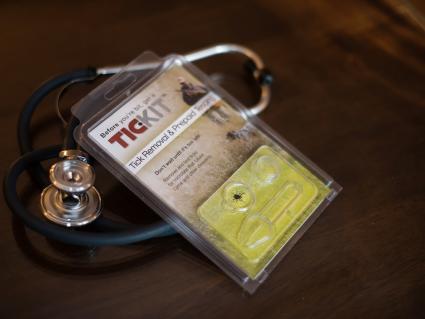
Lyme Disease
Lyme Disease Diagnosis and Treatment in Delmar NY and Burlington VT offices At the Stram Center we vow to continue our education on Lyme Disease research, stay up to date on the most effective testing and all the safe available therapies. Moreover, our years of experience in treating patients according to the whole person-integrative medicine approach allows us the most effective way to care…Lyme Disease
Supporting your Immune System: What Should You Eat?

For patients battling Lyme disease and tick-borne illnesses, nutrition plays a critical role in recovery. Food can serve so many purposes; from enjoyment and pleasure to tissue healing and reducing inflammation. Besides avoiding major inflammatory ingredients (such as processed foods, inflammatory oils, alcohol, added sugar, and artificial sweeteners), it is important to specifically support the immune system, as that is the critical component to overall healing. For immune wellness, here are some key components:
Protein:
This immune system requires adequate amino acids to function, and impaired dietary protein weakens the immune response. Many individuals are not consuming adequate amino acids to begin with and have increased nutrient needs from one or more infections. To meet nutrient requirements for healing, try to consume a wide range of proteins, including bioavailable high-quality animal proteins, fish, eggs, and plant-based proteins such as beans and lentils. Aim for ample protein at each meal to support healing and stabilize blood sugar levels.
Hydration:
Proper fluid intake is key to support circulation and detoxification, both critical components of immune functioning. A basic guideline for fluid intake is to try to drink about half your body weight in ounces every day. Increase fluid intake if you consume caffeine or alcohol, or to replenish fluid losses of exercise, sweating (on a hot day or using a sauna, for example), or diarrhea. If you find yourself thirsty despite meeting your fluid intake needs, consider electrolyte supplementation.
Vitamin C:
Vitamin C is not only a major antioxidant, protecting the body from oxidative stress, but it has multiple beneficial effects on cellular functions of the innate and the adaptive immune system. Vitamin C additionally has antimicrobial properties. So it’s an all-around win and can also taste so delicious in the many food sources it comes, including berries, citrus, and bell peppers.
Antioxidants:
Support the body’s healing by consuming a diet rich in antioxidants, including those found in dark leafy greens, dark rich berries, broccoli, carrots, sweet potato and squash, coffee and tea. Antioxidants can improve certain immune responses, such as increased activation of cells involved in tumor immunity and fighting infections.
RESOURCES:
https://pubmed.ncbi.nlm.nih.gov/17403271/ https://www.ncbi.nlm.nih.gov/pmc/articles/PMC5707683/#:~:text=Vitamin%20C%20stimulates%20neutrophil%20migration,decreasing%20neutrophil%20necrosis%20and%20NETosis. https://pubmed.ncbi.nlm.nih.gov/8227682/#:~:text=Recent%20clinical%20trials%20have%20found,tumor%20immunity%20in%20the%20elderly
About Janna Neitzel,, MS, RD, CDNSupporting your Immune System: What Should You Eat? Related Blog Posts



Supporting your Immune System: What Should You Eat? Related Services
Lifestyle and Prevention
Nutrition is an essential component to preventative health, and is one of the most modifiable factors in our lives. Embracing a proper diet for your body has the power to positively impact your health on all levels, helping you reach your own distinctive state of wellness.Lifestyle and Prevention
Nutritional Counseling
The practitioners at the Center recognize that diet is often the basis for your heath and your potential to heal. Adopting a healthy diet is often the first step towards correcting health problems. Many medical conditions can be treated more effectively when the patient implements specific diets and uses nutritional supplements. These interventions afford fewer complications and side effects than…Nutritional Counseling

Women’s Health
Our reproductive health and fertility are a part, expression and source of our overall health. At The Stram Center we maintain that a broader understanding of the individual is just as essential as a focused examination of the reproductive system and it’s functioning within that person. Our integrative approach to women’s health provides holistic, balanced and effective care to achieve…Women’s Health
Lyme Disease
Lyme Disease Diagnosis and Treatment in Delmar NY and Burlington VT offices At the Stram Center we vow to continue our education on Lyme Disease research, stay up to date on the most effective testing and all the safe available therapies. Moreover, our years of experience in treating patients according to the whole person-integrative medicine approach allows us the most effective way to care…Lyme Disease
Take Charge of Your Thyroid Disorder with Acupuncture Pressure Point #17: The Small Intestine
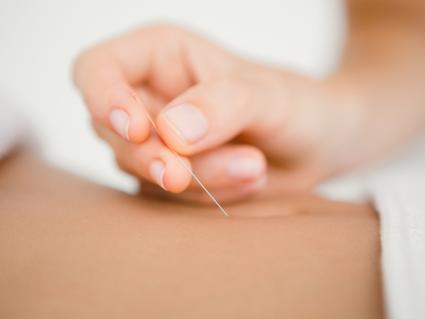
As a complete system of medicine, acupuncture and Chinese herbal medicine treats and supports not only pain, which is what brings most people in, but in fact anything health and medically related, including endocrine issues such hyper- and hypothyroid. The approach in diagnosis and treatment is much different than a western medical doctor, of course, but one that can be integrated into a healthcare plan to help encourage healing and even thriving.
Chinese medicine attributes many functional aspects to the organs that do not always correspond to how western medicine explains how they work. In Chinese medicine the organs create, regulate, and circulate Qi, blood, and body fluids as well as help to transform, move and excrete food, fluid and substances. The Spleen, for example, has almost nothing in common with the biomedical spleen, and is more closely related to the pancreas, although this organ is not mentioned in Chinese medical texts.
With any one disease, an acupuncturist will look for
underlying patterns of disharmony associated with the organs and treat accordingly with different acupuncture points, herbs, and nutritional advice. With hypothyroidism that has symptoms such as intolerance to cold, weight gain, fatigue, constipation, enlarged neck or goiter—one common pattern seen is Spleen Qi deficiency. The Spleen plays an important role in the creation of Qi and blood, if this is impaired one can feel tired, cold and weak. With hyperthyroidism that has symptoms such as goiter, tachycardia, warm/moist skin, tremors, palpitations, nervousness, increased activity and sweating, sensitivity to heat, increased appetite, weight loss, insomnia, increased frequency of stools and exophthalmos (bulging of the eyes)—a common pattern seen is Liver Qi stagnation with phlegm production. Among many other functions, the Liver is in charge of the free and smooth flow of Qi in the body, when this gets stuck, one can feel irritable, experience chest oppression, headaches, blurry or dry eyes. When the Qi is not flowing properly, fluids can congeal to form phlegm, which can manifest as a stuck feeling in the throat.
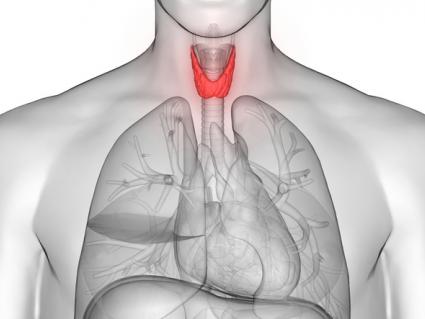
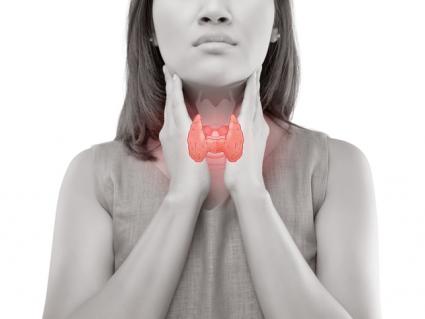
Acupuncture points along the Spleen and Liver channels can definitely be used to help balance thyroid issues as well as local points on the neck near the thyroid. The point Small Intestine 17, named Tian Rong or Heavenly Appearance, is located bilaterally on the neck between the front edge of the sternocleidomastoid (or SCM) muscle and the angle of the jaw. If you feel below your ear lobe, there is a depression in front of the ropey muscle on the neck just next to the corner of the mandible or lower jaw bone. This point benefits the neck and throat, disperses swelling and descends rebellious Qi with symptoms such as cough, obstruction of and pain in the throat, goiter (enlarged thyroid), clenched teeth, swelling of the cheek and more.
For any of your health concerns, consider including acupuncture as part of your journey to wellness.
Sources:
The Treatment of Modern Western Medical Diseases with Chinese Medicine by Bob Flaws & Philippe Sionneau
A Manual of Acupuncture by Peter Deadman
A Patient’s Guide to Acupuncture by Sarah Swanberg
Take Charge of Your Thyroid Disorder with Acupuncture Pressure Point #17: The Small Intestine Related Blog Posts

Take Charge of Your Thyroid Disorder with Acupuncture Pressure Point #17: The Small Intestine Related Services
Acupuncture
Did you know that acupuncture has been shown to be more effective than conventional treatment for migraines, back and knee pain? Acupuncture is also the complementary therapy most recommended by medical doctors (M.D.'s), and is covered under more insurance plans than ever before. No other traditional healing method has ever earned as much world-wide success, recognition and support! Acupuncture…Acupuncture
Chinese Herbal Medicine
Desiring a healthier life may be your goal, but for you and millions others it can prove more challenging. You may feel that your immunity is low. You may be in a state of physiological, mental or emotional unrest. Or you may be faced with a more serious illness or chronic pain.Chinese Herbal Medicine
Integrative Medicine
Integrative medicine is the blending of conventional medicine with holistic, complementary, and alternative medicine. Integrative Medicine is defined as healing-oriented medicine that takes account of the whole person (body, mind, heart and spirit), including all aspects of lifestyle. It emphasizes the therapeutic relationship and makes use of all appropriate therapies, both conventional and…Integrative Medicine
Take control of your lifestyle to prevent falling into old habits this fall!

Research and practice have shown the immense impact that lifestyle can play on our body as well as overall health. Many people feel that they lose control of their health when they are not feeling well or when life becomes busy or stressful. For this reason, the Stram Center believes it is essential to embrace a healthy lifestyle and allow people to take control of their health.
A healthy lifestyle can be defined in many ways, but the Stram Center feels it is important to optimize the following four areas:
- Diet
- Exercise/ Physical Activity
- Sleep
- Stress Management
The Stram Center Practitioners will work with you to develop an individually tailored plan to optimize your lifestyle.
The changing of the seasons is a great time to work towards improving your lifestyle. Follow these 3 tips to become successful with your lifestyle transformation.
1. Make obtainable goals
One trick is to make appropriate and obtainable goals. People often make overzealous goals and end up becoming frustrated when they struggle to reach those goals. It is better to make small, gradual and steady changes instead of drastic changes that result in frustration, failure, and possibly one returning back to their original habits. If your goal is to be more active, make a goal of trying to exercise one time a week. Once you meet that goal, check it off of your list and make a new goal such as exercising twice a week. This can be empowering for making healthy lifestyle changes.
2. Pick your battles
Remember to also “pick your battles.” If you do not reach your goal right away, instead of getting down on yourself, acknowledge that you did not reach the goal, but also think about why you did not reach your goal. When you identify the reason, you can work towards finding a solution. In the words of Dr. Stram “failure is not trying.”
3. Make lifestyle changes with a friend
Find a friend/loved one who is also interested in improving their lifestyle. Together you can motivate each other to work towards achieving your goals. They also can be your support system during the process.
If you follow these simple tips, you will begin to thrive on your journey towards optimal health. Below are tips and a healthy recipe to help you utilize fresh late summer and fall produce in your diet!
Tips for Utilizing Summer Produce
- Summer produce can be utilized in a wide variety of recipes. Include your favorite summer produce in soups, salads, stir fries, and even smoothies. Try to buy produce that is local and in season to receive the cheapest, freshest, and healthiest produce possible! For more information go to www.localharvest.org
Tips for Utilizing Fall Produce
·Fall produce can be utilized in a wide variety of recipes. Include your favorite fall produce in soups, salads, stir fries, and even smoothies. Cooked orange starchy vegetables can be blended snuck into casseroles, tomato sauce, and even make a tasty snack. Try to buy produce that is local and in season to receive the cheapest, freshest, and healthiest produce possible! For more information go to www.localharvest.org
Curried Autumn Stew
Recipe By: Eric C. Sharer, MPH, RD, CSO, CDN
Serves 6
4 cups water 4 cupsvegetable stock
*1-3 tbsp. low-sodium soy sauce
1 eachlarge onion, peeled, cored, and diced
1 eachbell pepper, cored and diced
6 each large garlic cloves, peeled and diced
4 cups butternut squash, peeled and diced (approx. 1 medium or ½ large squash) 2 cupcabbage, shredded (approx. ½ small head)
1 each15-oz can diced tomatoes
*2 tbsp. curry powder
*2 tsp. cumin*2 tsp. ground paprika
*½ tsp. black pepper
1 each15-oz can kidney or black beans, rinsed and drained
2 cups fresh or frozen organic corn2-3 tbsp. Vinegar of choice such as brown rice vinegar or apple cider vinegar
* Season soup according to taste. Also add any of your favorite vegetables such as broccoli, cauliflower, carrots, celery, etc.
Directions
1.Add all ingredients to a large pot except for the beans, corn, and vinegar. Bring to a boil and reduce to a simmer.
2.Cover and simmer until the squash and remaining vegetables are tender. Approximately 15-20 minutes.
3.Add the beans and corn. Cook for 5 minutes longer.
Adjust the seasoning according to taste and add the vinegar, stir thoroughly and serve.For those who dislike vinegar leave it out or pour ½ tsp. per individual bowl.