Mushrooms & Breast Cancer Support
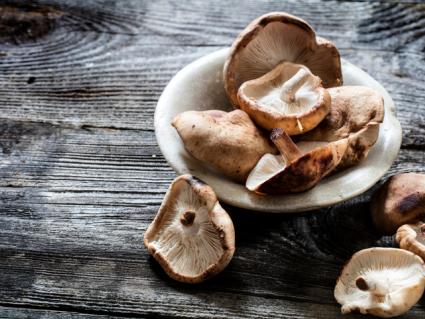
Mushrooms and Vitamin D help with Natural Killer cells that fight Breast Cancer.
There are multiple ways to target and kill breast cancer cells.
- There are direct ways by inhibiting DNA synthesis using chemotherapy and radiation, causing cell death;
- If it is a hormone-based cancer, then reducing hormone levels can inhibit cancer cell growth;
- There are also ways to use the immune system to target and kill cancer cells.
The most important cancer fighting immune cell is the Natural Killer cell, or NK cell. These cells circulate and destroy viruses and cancer cells and can activate other parts of the immune system to do the same. One of the best and most researched stimulators of NK cells are maitake, shitake, and reishi mushrooms. These mushrooms contain a sugar molecule called Beta-glucan within their cell walls, and once extracted, can be used to stimulate NK cell production. And more recently, vitamin D has been shown to play a role in activating NK cells and other immune cells. Interestingly, mushrooms are also one of the only plant sources of vitamin D.
So to keep your immune system working optimally during and after cancer treatment, I would suggest adding the use of medicinal mushrooms and making sure your vitamin D levels are in an optimal range. The Stram Center can assist you with testing for NK cell activity and vitamin D levels and develop the optimal protocol for cancer support.
Myth vs Fact: The Skinny on Cancer
Ahhh…spring is just around the corner! This month we are taking a look at common myths in healthcare, to decipher what is accurate, and what is, well, just simply not true.
I will focus on a few cancer myths that I have heard in my now many (!) years of taking care of patients with cancer:
- “Cancer is mainly genetic, and if you get those ‘bad genes’, there’s not much you can do about it!” This is an all too common misperception, and contributes to the helplessness patients with cancer or those with strong family histories for cancer can feel. The truth is that less than 5% of all cancers have a genetic link, and more than half of cancer diagnoses can be prevented! Knowing this fact can be very empowering for people, as paying attention to lifestyle factors and exposures can make a real difference. Epigenetics is a term that describes the study of how nutritional and environmental influences can activate or deactivate certain genes, without changing the genetic code itself, and provides evidence that having a particular gene present does not mean cancer is inevitable. This is well described by the late Dr. Mitchell Gaynor in his book The Gene Therapy Plan: Taking Control of Your Genetic Destiny with Diet and Lifestyle (Viking Publishing, 2015). In it, he states that “The expression of our genes is deeply affected by everything we eat and drink, by the way we move and the habits and patterns that govern our days. We cannot change the genes we are born with, but we can prevent and reverse disease with foods, supplements, and lifestyle choices that turn good genes on and bad genes off.
- “Being obese really doesn’t increase a person’s risk for cancer.” While a low percentage of cancers are attributable primarily to a genetic mutation, a much higher percentage ARE directly related to obesity. Some evidence suggests that being overweight contributes to a more advanced tumor type at the time at diagnosis and can also decrease overall survival (Abrams DI and Weil AT, Integrative Oncology, Second Edition, Oxford University Press 2014, page 105). Excess weight is directly linked to an increased risk of death from cancer in those already diagnosed with cancer. Currently the typical Western diet (“Standard American Diet”, or SAD) promotes obesity and thereby contributes to the development of cancer. The SAD diet is rich in “energy dense” foods such as dietary fat and beverages high in simple sugars, and efforts to decrease consumption of these foods promote weight loss and control. Some evidence suggests that being overweight contributes to a more advanced tumor type at the time at diagnosis and can also decrease overall survival (Abrams DI and Weil AT, Integrative Oncology, Second Edition, Oxford University Press 2014, page 105). Excess weight is directly linked to an increased risk of death from cancer in those already diagnosed with cancer. In those without cancer, avoiding excess pounds, eating a healthful diet (“nutrient but not calorie dense”, such as the Anti-Inflammatory or Mediterranean diets), and exercising is a direct and controllable way to help prevent cancer.
- “People who have cancer should rest as much as possible and should do little physical activity.” It is true that patients with active cancer, particularly those on treatments such as chemotherapy, radiation, or immunotherapy, may experience fatigue from the cancer itself or from such therapies and do therefore require adequate rest. Such patients should, however, be encouraged to do regular physical activity on most days of the week as there are numerous health benefits from such exercise, including: prevention and management of other chronic medical conditions; controlling weight and countering obesity; improved general health and strength, countering fatigue and muscle deconditioning; possible improved cancer survival; amelioration of cancer treatment related side effects; possible improved mood and self-esteem; and improved quality of sleep. In general, few adverse events associated with exercise in patients with cancer have been reported, and there is generally a favorable risk/benefit ratio.
- “Eat whatever you want; the foods you eat really don’t matter once you already have cancer.” During my many years of hematology/oncology practice, I have heard numerous patients with advanced cancer who had seen other practitioners who told them they could eat whatever they wanted to, and that what they ate would make no difference in outcome; they were told to make sure they ate “enough calories.” Cancer patients are told to get all the calories they can, from, for example, butter, margarine, high-fat dairy products, mayonnaise, eggs, meat, hard and soft cheese, ice cream, and peanut butter. This “wrong-thinking” is discussed well by Dr. Keith Block in his book, Life Over Cancer (Bantam Dell, 2009, page 58). He points out the disconnect between the American Cancer Society’s cancer-prevention dietary advice and its cancer-fighting dietary advice, and states that it is hard to justify. He summarizes that “To a great extent, the foods recommended for cancer prevention are also the foods that seem to suppress cancer after it’s diagnosed…despite the overwhelming evidence for the benefits of a healthy diet when one is fighting cancer, this is not what mainstream medicine recommends.” In his experience, he has had numerous patients with advanced malignancies exceed expected survivals and quality of life by switching from nutrient-poor to nutrient-rich diets.
- “Herbs have no place during chemotherapy or radiation treatments for cancer, and should be completely avoided.” This too is a myth in cancer therapy. Although some herbs and supplements have clear data showing that they could be problematic during chemotherapy and/or radiation therapy in terms of potentially inhibiting the benefit of these treatments, many can be supportive and may actually: enhance activity of such therapies; reduce need for dose reductions of chemotherapies; reduce side effects from chemotherapy and radiation; and may actually improve survival. I highly recommend reading Dr. Keith Block’s meta-analysis of the use of antioxidants during treatments for metastatic cancer (Block KI et al., Impact of Antioxidant Supplementation on Chemotherapeutic Efficacy: A Systematic Review of the Evidence from Randomized Controlled Trials, Cancer Treatment Reviews [March 14, 2007]).
Well that is all for my input into this month’s newsletter…go out there and enjoy spring!!
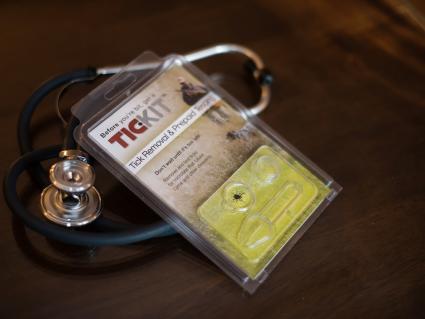
Myth: A tick head needs to be removed completely if broken off in or under the skin.

According to the American Academy of Pediatrics 2020 and the Tick Bite, Schmitt Pediatric Guidelines 2020, it is recommended NOT to dig out the head of a tick if the tick breaks upon removal. It is felt that more trauma to the surrounding skin can lead to a higher risk of infection or cellulitis of the area. Leaving the tick head in does not increase the risk of contracting a tick borne illness. The body will shed skin layers and the tick debris as it heals
The Center for Disease Control (CDC) 2021, notes that if the tick were to break off leaving mouth parts in the skin, attempt to remove with tweezers if able. If unable to remove easily or it is under the skin, leave the area to heal on it’s own and the body will eventually expel the tick pieces. It is recommended to either cleanse the area with alcohol or soap and water.
Discussion-
Throughout my practice in mainstream medicine, it has been debated if a tick head should be removed completely or not, if the head broke off during removal. It has been my experience that there have been patients that insist a tick head need to be removed despite the depth of the head. There have been times that colleagues I have worked with have gone above and beyond to attempt to “dig out” the head or even as far as removing it with a scalpel. This leaving the area sore and inflamed in turn having higher risk for infection.
Tick Removal-
Ticks can be removed in several ways. Most easily tick twisters have become in favor as very easy to utilize and the tick comes off in entirety each time. Other methods include using light pressure with tweezers to pull off the tick. The National Center for Emerging Zoonic Infectious Disease, 2022 does not recommended to use Vaseline, ointment or nail polish to smother the tick, trying to burn the tick or scraping the area with a credit card.
Myth: A tick head needs to be removed completely if broken off in or under the skin. Related Blog Posts

Myth: A tick head needs to be removed completely if broken off in or under the skin. Related Services
Lyme Disease
Lyme Disease Diagnosis and Treatment in Delmar NY and Burlington VT offices At the Stram Center we vow to continue our education on Lyme Disease research, stay up to date on the most effective testing and all the safe available therapies. Moreover, our years of experience in treating patients according to the whole person-integrative medicine approach allows us the most effective way to care…Lyme Disease
Myth: Bullseye Rash is Always Present in Lyme Disease

Many people believe that the bullseye rash, also known as erythema migrans (EM), is necessary for a Lyme disease diagnosis. While a bullseye rash is indeed clinically diagnostic, its absence cannot rule out either acute or chronic Lyme disease. However, a non-bullseye rash is more common...
Non-Bullseye Rashes Are More Common:
- The most common type of rash from a tick bite is a non-specific, solid-colored pink rash, occurring more frequently than the bullseye rash. Still, this may occur in as little as 50% of cases of Lyme. [1].
- Only about 33% of patients with Chronic Lyme Disease recalled having a bullseye rash, and 42% remembered a tick bite [2].
- EM rash is only present in about 70% of early cases of Lyme disease [3]. Approximately 20-30% of patients with Early Lyme Disease will not present with EM.
Beware of Co-Infections:
- There are several other infections that ticks can transmit. These are known as “co-infections”, such as anaplasmosis and babesiosis. These infections can mimic Lyme disease symptoms but won't cause a bullseye rash.
- Relying solely on the absence of a bullseye rash to rule out Lyme disease can result in missed diagnoses of co-infections.
Diagnosing Without a Bullseye Rash:
- If a bullseye rash isn't present, consider other factors:
- Exposure to tick-endemic areas. Remember that cases of tick borne illness have been reported in all 50 states.
- Hobbies or work that involves the outdoors or risk for exposure, such as farming, landscaping, gardening, Veterinary, horseback riding, hunting, hiking, etc.
- Owning pets such as dogs, cats, horses
- Presence of common Lyme disease symptoms such as fatigue, fevers, chills, joint pain, muscle aches, abnormal sweats, swollen lymph nodes, headache
- Use positive laboratory findings as additional supportive evidence
Don't solely rely on the presence or absence of a bullseye rash for a Lyme disease diagnosis. Consider other factors and symptoms to ensure accurate diagnosis and treatment.
Resources:
1 Smith RP, Schoen RT, Rahn DW, et al. Clinical characteristics and treatment outcome of early Lyme disease in patients with microbiologically confirmed erythema migrans. Ann Intern Med 2002;136:421-8.
2 Johnson, L., Shapiro, M., Stricker, R. B., Vendrow, J., Haddock, J., & Needell, D. (2020, October). Antibiotic treatment response in chronic lyme disease: why do some patients improve while others do not?. In Healthcare (Vol. 8, No. 4, p. 383). MDPI.
3 Schwartz, A. M., Hinckley, A. F., Mead, P. S., Hook, S. A., & Kugeler, K. J. (2017). Surveillance for lyme disease—United States, 2008–2015. MMWR Surveillance Summaries, 66(22), 1
Myth: Bullseye Rash is Always Present in Lyme Disease Related Blog Posts


Myth: Bullseye Rash is Always Present in Lyme Disease Related Services
Lyme Disease
Lyme Disease Diagnosis and Treatment in Delmar NY and Burlington VT offices At the Stram Center we vow to continue our education on Lyme Disease research, stay up to date on the most effective testing and all the safe available therapies. Moreover, our years of experience in treating patients according to the whole person-integrative medicine approach allows us the most effective way to care…Lyme Disease
Natural Prevention of Swine Flu
There has been a lot of talk lately on the news and in the community about swine-origin flu. Thus far, the transmission of swine-flu, and risk factors associated with it are thought to be very similar to the seasonal flu that we see every year. I thought it might be helpful to review some of the simple, natural ways that we can protect ourselves from flu viruses.
-
Get enough sleep. There are numerous studies showing how important sleep is for many aspects of health, in one such study, it was found that patients who had adequate sleep produced far more antibodies in response to a viral (hepatitis A) vaccination, and produced significantly higher levels of immune-stimulating hormones.
-
Keep chronic stress to a minimum. Unlike acute fight-or-flight forms of stress, a meta-analysis of research shows that chronic stressors can lower the functioning of the immune system.
-
Meditation is great to help prevent chronic stress from accumulating and one study using mindfulness meditation found that those who meditated not only had increased activity in an area of the brain associated with positive mood, but also had significantly higher antibody production in response to an influenza vaccination.
-
Keep physically active, especially if you are elderly. As we advance in age, parts of our immune system that work to fight off a specific infectious agent like a virus decline. A study of older men found that this trend was partially reversed by regular physical exercise.
-
Drink plenty of fluids and eat nutritious food. This one is pretty much a no-brainer!
- Quit smoking. Smoking, among other things, damages the ability of the respiratory tract and lungs to take care of themselves. Smokers are not only more susceptible to infection, but also have on average more severe symptoms, and take longer to recover from respiratory infection. As far as quitting goes, there truly is no time like the present.
I hope these simple pointers can help us to live a more healthy life in general, and help us to stay calm in the current atmosphere of reactivity and fear. There are many other strategies such as clinical nutrition, herbs and supplementation that can help support a healthy immune system. These require much more individual attention and recommend contacting one of our providers should you want to pursue them further.
Naturopathic Support for Common Period Problems: PMS, Cramps, Heavy Bleeding & More

For many individuals, the menstrual cycle is more than just a monthly occurrence—it can come with a host of uncomfortable symptoms like PMS, cramping, heavy bleeding, bloating, and changes in bowel habits. Naturopathic medicine can provide gentle, holistic support to alleviate discomfort and promote overall hormonal balance. Here’s how natural remedies, smart diet and lifestyle tweaks can help.
1. Premenstrual Syndrome (PMS)
PMS encompasses a range of symptoms, including mood swings, irritability, breast tenderness, and fatigue. These symptoms often arise due to hormonal fluctuations and imbalances. Increasing whole foods, healthy fats, protein, and fiber while reducing processed foods and refined sugars can help balance hormones. Herbal medicine such as Vitex (Chaste Tree) is known to support progesterone levels and reduce PMS symptoms. Supplements such as magnesium and vitamin B6 can ease mood swings and reduce irritability. Regular exercise and stress management techniques such as meditation or yoga can support emotional well-being.
2. Menstrual Cramps (Dysmenorrhea)
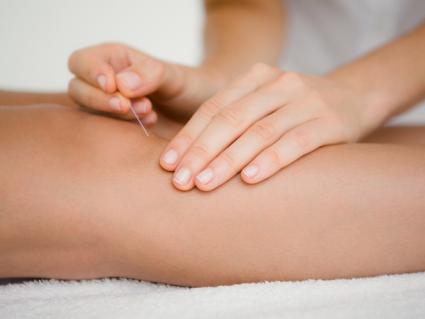
Painful cramps are caused by the release of prostaglandins, which trigger uterine contractions. Herbs such as Ginger and cramp bark can help relax the uterine muscles and reduce pain. Applying a heating pad to the abdomen can provide immediate relief. An anti-inflammatory diet rich in Omega-3 fatty acids from flaxseeds, chia seeds, and fish can help reduce inflammation and cramping. Acupuncture sessions can also provide relief from menstrual pain.
3. Heavy Bleeding (Menorrhagia)
Excessive menstrual bleeding can be due to hormonal imbalances, fibroids, or nutritional deficiencies. Iron rich foods such as leafy greens, lentils, and red meat help replenish lost iron. Yarrow and shepherd’s purse are herbs that have been used traditionally to reduce heavy bleeding. Bioflavonoids in foods like blueberries and raspberries support blood vessel health and may reduce excessive flow. Supporting the liver with milk thistle and dandelion root helps your liver to metabolize excess estrogen.
4. Bloating and Water Retention
Many individuals experience bloating before or during their periods due to hormonal fluctuations. Drinking plenty of water and herbal teas (like dandelion root) can help reduce water retention. Reducing salt intake and avoiding processed foods can prevent bloating. Magnesium helps ease fluid retention and relax muscles. Supporting gut health can aid digestion and minimize bloating.
5. Changes in Bowel Habits
Many people experience diarrhea or constipation during their period due to hormonal shifts affecting the digestive system. Fiber rich foods such as whole grains, fruits, and vegetables can promote regularity and detoxification. Drinking sufficient water helps maintain smooth digestion. Maintaining a healthy gut microbiome can stabilize digestion during hormonal fluctuations.
Balancing hormones naturally requires a holistic approach, including diet, lifestyle, herbal remedies, and supplementation. If menstrual symptoms are severe or disruptive, consulting with a naturopathic doctor can provide personalized support tailored to individual needs. By nurturing your body with natural therapies, you can experience a more harmonious menstrual cycle!
Naturopathic Support for Common Period Problems: PMS, Cramps, Heavy Bleeding & More Related Blog Posts

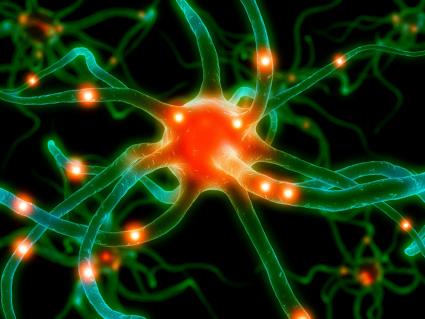
Neurological Disorders and Hyperbarics

Hyperbaric oxygen therapy and neurological disorders.
Approximately 1 billion people of all ages are currently affected by neurological disorders, with an estimated 6.8 million related deaths that occur every year world-wide. New evidence has shown how hyperbaric oxygen therapy (HBOT) has helped individuals regain neurological activity and functionality. For neurodevelopmental and neurodegenerative disorders, in addition to neurological injuries, HBOT provides the brain with increased levels of oxygen to help recover/repair brain tissue, increase neuronal stem cell growth and improve cognitive functioning. Clinical studies have demonstrated the benefits of HBOT for neurological conditions with the following:
IMPROVE BRAIN FUNCTIONING & PERFORMANCE with HBOT:
Stimulates angiogenesis
Improves cerebral oxygenation
Enhances memory and mental performance
ATTENUATE NEUROINFLAMMATION WITH HBOT:
Reduces cerebral edema
Decreases intracranial pressure
Reduces blood-brain barrier breakdown
Minimizes oxidative stress
INCREASE REGENERATION OF THE NERVOUS SYSTEM WITH HBOT:
Stimulates neurogenesis
Promotes proliferation and mobilization of neural stem cells
Facilitates neuroplasticity
IMPROVE BRAIN REPAIR & RECOVERY WITH HBOT:
Recovers and repairs damaged brain tissue
Develops and regains cognitive/motor functions
AMELIORATE NEUROLGOCIAL CONDITIONS WITH HBOT:
Neurodevelopmental conditions (Autism, Cerebral Palsy, Fetal Alcohol Syndrome)
Neurodegenerative conditions (Alzheimer’s Parkinson’s, Huntington’s Disease)
Neurological injuries (Stroke, Traumatic Brain and Spinal Cord Injuries, Concussions)
Reference:
International Hyperbarics Association; The above statements have been taken from IHAUSA.ORG and have not been evaluated or approved by the FDA. All of the statements made are not anecdotal and have been taken directly from clinical data;
Boussi-Gross R, Golan H, Fishlev G, Bechor Y, Volkov I, et al (2013) Hyperbaric Oxygen Therapy Can Improve Post Concussion Syndrome Years after Traumatic Brain Injury- Randomized Prospective Trial. PLoS ONE 8 (11):e79995.
New Antibacterial and Antiviral Herbal Formulas
Integrative Herbals Have Come to the Center
For the first nine years of our practice at the Center, we the practitioners have relied on the herbal combinations and products that were available on the market. Now, we are proud to announce a new line of supplements, Integrative Herbals, designed specifically to meet the needs of our patients.
The Designers? Our very own doctors, Ron Stram and Korey DiRoma along with one of our Chinese herb specialists, acupuncturist Chris Reilly. Having many years of clinical experience to reflect on, and the rich herbal histories of both the East and West to draw from, we have taken the best of what has worked for us from various sources, and combined them.
Herbalguard: A Natural Antibacterial Supplement: This is a natural supplement containing five herbs known to be effective against a wide variety of bacterial infections such as bacterial sinusitis. Antibiotics often cause yeast overgrowth by eliminating the bacteria that compete with them. One of the advantages of Herbalguard is that it includes components that reduce yeast overgrowth.
Viralguard Fights off Viral Infections Naturally: As you may have guessed, this is a natural formula of herbs that help the body fight off viral infections. Included are herbs used against viruses that are acute such as rhinoviruses (the common cold) and influenza viruses, as well as those that are chronic such as HSV. In addition, both of the above formula’s have strong anti-inflammatory components which help reduce the inflammation that accompany infections, providing further symptom relief.
If you are curious, and believe you may benefit from one of our new herbal formulas, call us at the Center, and we will be happy to schedule a consultation for you. Please comment, and tell us what health concerns you would like to see our experts design a formula for next?
New Craniosacral Therapy Techniques
I love learning new things that can be of help to my patients. I took a new craniosacral seminar two weeks ago. This was part refresher class and part new techniques and skills.
I really enjoyed the refresher aspect – I have been doing craniosacral therapy for a long time now and this refresher gave me perspectives I either had missed or wasn’t ready to incorporate earlier. The teachers were exceptional. There was a great deal of anatomy of the brain and spinal cord, and the flow of the cerebrospinal fluid. Some of this was review but a lot of it was new and presented better than the first time around many years ago. I also learned new skills in feeling and evaluating areas of dysfunction in the flow of the cerebrospinal fluid and how to assist the body in correcting it.
The class culminated in a great new set of techniques specifically for improving the flow of all the fluids within the head. These new techniques are very effective for clearing out congestion and problems in the sinuses, ears, and Eustachian tubes. They are also excellent for easing dizziness, eye, and TMJ disorders. I’ve already incorporated them into my sessions and am getting excellent results. This is very exciting – for me and for my patients.
This class also reminded me about how profound craniosacral therapy is and how it can improve virtually any health problem we have, in the gentlest and most relaxing way possible. It is accessing, enhancing, and balancing the workings of the Central Nervous System, which runs and organizes everything in our bodies. It calms our nervous system down so that the body can adjust and heal itself. Nothing is gentler, and it is so effective.
I’m very excited about these new techniques and how well they are working. Feel free to come in a try them and see if they can be of help to you.
New Guidelines Put Acupuncture 1st for Low Back Pain
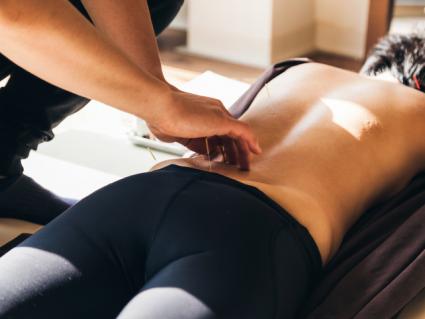
The American College of Physicians (ACP) calls for acupuncture and massage as first line of defense for acute and subacute lower back pain.
In February 2017, the American College of Physicians (ACP) released its clinical guidelines for the non-invasive (non-surgical) management of low back pain for physicians. The ACP recommends that physicians first try non-drug therapies (avoiding pain killers) including acupuncture and massage for acute and subacute lower back pain. This is an official standard of practice guideline.
-
The ACP is THE authority for clinical practice guidelines for Internists
-
These guidelines are based on research and clinical evidence
-
For Acute and Subacute low back pain: acupuncture and massage are first-line therapies, to be tried before pain medication
-
For Chronic back pain: acupuncture, tai chi and yoga are first-line therapies to be tried, before pain medication
This means that physician internists, in order to be in compliance with their profession’s guidelines, will first recommend acupuncture before recommending pain killers or a visit to an Orthopedist. An exception to this would be if the pain and other symptoms clearly point to a need for emergency or surgical intervention, which are the minority of cases.
The ACP is the largest medical-specialty society in the world. It is the leading authority for evidence-based recommendations and standards of care for practicing Internists. Their recommendations are based on research and clinical evidence, and are recognized throughout the mainstream medical field.
This means that the first stop on the road to relief from acute and subacute back pain should be with your acupuncturist and massage therapist. For chronic back pain (back pain lasting more than 12 weeks), the ACP also recommends acupuncture as a first-line treatment before pain killers, as well as tai chi and yoga.
To view the guidelines, visit the ACP's website.