Lyme Disease: Treatment is a Multidisciplinary Approach
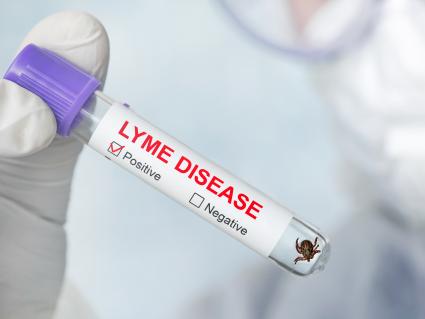
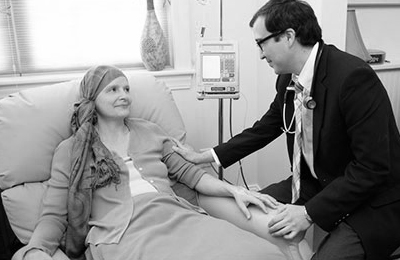
As we head into Lyme Awareness month, let us highlight the multi-modal approach that it takes to treat the complex condition that is Lyme disease. Treatment for Lyme disease is not a “one size fits all” approach and looks different for every single patient. Several factors, including but not limited to, duration of illness, parts of the body involved, co-infections present, and underlying health status, play a significant role in clinical decision making to decide what treatment(s) are appropriate for any specific patient. Lyme disease can infect any tissue in the body, and therefore has the ability to affect several body systems at once. This often leads to a multitude of symptoms across body systems that seem to be unrelated, but are in fact, all connected. Since this can look different for every patient, having a practitioner in Integrative Medicine to take the time to listen to you and put all of the pieces together is essential to achieve proper evaluation and treatment.
Once evaluation is established, we cannot emphasize enough the importance of a well rounded treatment plan that includes not only medical therapy, but nutrition and mental health support. Nutrition that is needed for healing from Lyme disease most often will look different than what may have worked for you nutritionally when you did not have Lyme disease. Nutrition is also not a one-size-fits all approach and having a Lyme literate dietician to guide you through healing has been shown to have a positive impact on improving your overall treatment outcomes.
Likewise, mental health support from a certified professional is essential. Not only does chronic illness impact our mental health, Lyme and co-infections can cause neuro-inflammation that contributes to mental health symptoms that can occur in someone that may have never had a history of mental health conditions. Our mental health counselor, Danielle Stram, at the Stram Center has experience in helping patients who have Lyme and other chronic illnesses, given her the ability to help you in a unique way given the lack of practitioner education for Lyme disease in our current healthcare system. It has been shown that patient treatment outcomes improve significantly when regular mental health support is included in the treatment plan.
Our medical team at the Stram Center treats Lyme disease through a multidisciplinary collaborative approach. We are constantly adding to our treatment options and protocols to stay up to date. Some of our more recent additions have included Platelet Rich Plasma, Sublingual ImmunoTherapy, and expanded IV therapy offerings. Through bringing together natural and conventional treatment modalities, we are able to treat patients comprehensively, leading to positive treatment outcomes.
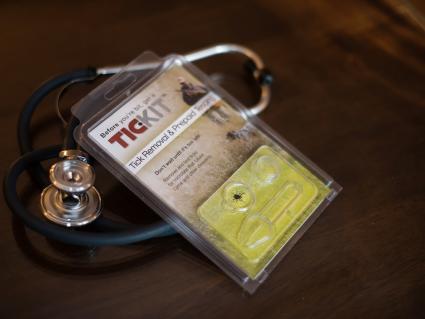
See our previous posts for ideas for tick bite prevention and what to do if you get a new tick bite. Stay safe out there this season!
Lyme Disease: Treatment is a Multidisciplinary Approach Related Blog Posts








Lyme Disease: Treatment is a Multidisciplinary Approach Related Services
Lyme Disease
Lyme Disease Diagnosis and Treatment in Delmar NY and Burlington VT offices At the Stram Center we vow to continue our education on Lyme Disease research, stay up to date on the most effective testing and all the safe available therapies. Moreover, our years of experience in treating patients according to the whole person-integrative medicine approach allows us the most effective way to care…Lyme Disease
Lyme Facts: Did You Know?

Lyme "Did You Know" facts.
Dr. Stram continues on the Lyme disease lecture circuit at the Southern Tier Lyme Support conference (held at Binghamton University on May 5, 2018) for physicians and patients. As presented at the lecture - below, please find some "Did You Know?" facts about Lyme.
DID YOU KNOW?
- Awareness is the best intervention to decrease Lyme activity even better than protective clothing;
- The percentage of detection is much higher in organs of inoculated mice than from samples of blood: Less than 2% of detection from blood versus 35% in bladder, 28% from heart, 30% from lung, and 50% in brain. This further supports not being able to use blood samples reliably which is what we find with current testing in humans;
- 54% of all cases are found in NY, NJ and PA;
- There is significant more tick activity surrounding the circumference of suburban homes than was found deeper in forests where predators are prevalent. Mice and other infected rodents are protected from their natural predators surrounding these human suburban environments. Are we less safe in our own backyard?
- Unlike other strains of Borrelia, Miyamotoi, which is on the rise, is transferred from adult female to her eggs, which can be as many as 3,000. They are born with the disease already without needing to become infected from their first blood meal of an infected host, such as the white footed mouse;
- Up to 37 known Borrelia species can be found in our bodies from a tick bite;
- Borrelia burgdorferi has the ability to change its surface proteins thereby initiating a new IgM response as if it were an new infection and disrupting the formation of our long term IgG immunity. This supports our inability to clear infection and sustain chronic disease symptoms, and causes problematic evaluation of testing.
To learn more from the Southern Tier Lyme Support Conference, CLICK HERE.
Lyme Myth: Everyone with Lyme or a Tickborne Illness Needs to Avoid all Gluten and Dairy

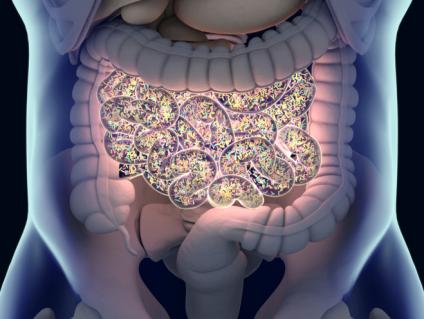
Truth/Fact: Gluten sensitivities are extremely common, in part due to the pesticides used on conventionally grown wheat (called glyphosate or Roundup). This is also found on GMO crops such as corn and soy and can irritate the gut lining, weakening our immune system and having other impacts on our overall wellness. While many common food sensitivity tests are ineffective, an elimination diet along with a GI Map stool test can offer answers as to how your body responds to wheat.
As for dairy, that is a large category that contains many nutritious foods that contain a range of lactose levels. Lactose intolerance is a digestive issue and many individuals can either use digestive support or simply avoid dairy products highest in lactose and feel fine. However, we often react more so to the proteins in foods. In the case of dairy, the proteins we can react to are the casein and whey, which are found in all dairy products. Working with a registered dietitian is helpful in determining what foods to include and what foods to consider avoiding, while keep as wide a variety of foods in your diet to ensure quality nutrition.
About Janna Neitzel,, MS, RD, CDNLyme Myth: Everyone with Lyme or a Tickborne Illness Needs to Avoid all Gluten and Dairy Related Blog Posts



Lyme Myth: Everyone with Lyme or a Tickborne Illness Needs to Avoid all Gluten and Dairy Related Services
Lyme Disease
Lyme Disease Diagnosis and Treatment in Delmar NY and Burlington VT offices At the Stram Center we vow to continue our education on Lyme Disease research, stay up to date on the most effective testing and all the safe available therapies. Moreover, our years of experience in treating patients according to the whole person-integrative medicine approach allows us the most effective way to care…Lyme Disease
Lifestyle and Prevention
Nutrition is an essential component to preventative health, and is one of the most modifiable factors in our lives. Embracing a proper diet for your body has the power to positively impact your health on all levels, helping you reach your own distinctive state of wellness.Lifestyle and Prevention

Nutritional Counseling
The practitioners at the Center recognize that diet is often the basis for your heath and your potential to heal. Adopting a healthy diet is often the first step towards correcting health problems. Many medical conditions can be treated more effectively when the patient implements specific diets and uses nutritional supplements. These interventions afford fewer complications and side effects than…Nutritional Counseling
Lyme Testing: What Should You Know?
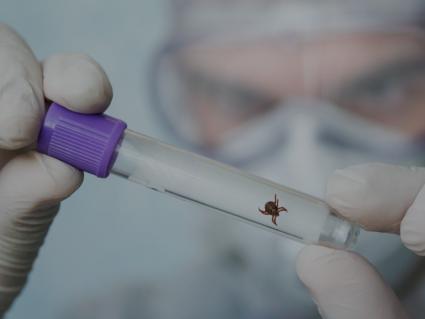
Testing for a Lyme infection can be challenging. The primary test used is an antibody test; the presence of antibodies is an immune system response and therefore confirms exposure to the bacteria. However, the test is not great at determining the date of the exposure. We can only know the date of exposure if there was a known tick bite and symptoms develop. Direct methods of testing for Lyme, such as PCR testing, exist but are not very sensitive. A negative PCR test does not mean that an infection does not exist…
What if You Test Positive on an Antibody Screen Test?
The antibody test is a 2 part test. The first part, often referred to as a screen test, is called the ELISA test. This tests for the presence of any antibodies (IgM and/or IgG) towards Lyme. If the test is positive, then a confirmatory western blot testwill be run to look at all the antibodies in more detail. The numbers on the western blot correlate to antibodies made to different parts or proteins of Lyme. For example, band 23 correlates to an antibody produced to outer surface protein (Osp) C. Since this protein is highly specific to Lyme then antibody presence on a test is highly likely for Lyme exposure. There is further confirmation of exposure with the presence of other specific Lyme antibodies such as 39, 41, and 93.
What Does an “Absent” Result Mean?
Even though the western blot is considered the confirmatory test for Lyme, there are still limitations. The test uses a specific strain of Borrelia bacteria antigen that is sensitive to Borrelia burgdorferi species but are not sensitive to other species including Tick Borne Relapsing Fever (TBRF) species of Borrelia. Antibody thresholds are set relatively high, and results are given as “absent” or “present”. But an “absent” result does not necessarily mean no antibodies. It is best to get western blot testing that is quantitative. This means that the actual level or number of antibodies produced are shown in the results and not just given as a “absent” or “present”. There are two antibodies that are not in the standard western blot that correlate to bands 31(Osp A) and 34 (Osp B). These two antibodies were used in the past for vaccination.
Are Lyme Vaccinations Coming Our Way?
Currently there is a new monoclonal antibody vaccine in development and starting clinical trials. This monoclonal antibody correlates to band 31. Out of all the antibodies against Lyme that were investigated, the antibody to Osp A was found to be the most lethal towards Lyme1,2. The vaccine is designed for prophylaxis and prevention as the antibody is strong enough to kill the bacteria within the tick while it is attached. Therefore, the presence of this antibody could be important in determining a more complete immune response towards resolving the infection.
What About Co-Infections?
When ticks feed on small mammals, they not only acquire Lyme bacteria, but also acquire other microorganisms. Sometimes referred to as “co-infections” we prefer a more accurate term Tick-Borne Illness. It is true that it may be difficult to get another infection without acquiring Lyme, but it is possible. Each of these infections are caused by very different types of microorganisms than that of the spirochetal Lyme bacteria and therefore require different tests and sometimes different treatment.
Babesiosis is a parasitic infection transmitted by deer ticks. It infects red blood cells and can lead to anemia. Symptoms include fever, headache, sweats, and shortness of breath. Treatment requires anti-parasitic medication.
The rickettsia bacteria group include Anaplasmosis, Ehrlichiosis, and Rocky Mountain Spotted Fever. They can be passed by ticks but also by other ectoparasites such as fleas, lice, and mites (chiggers). Symptoms often develop quickly and often include high fever, severe headache, fatigue, joint pain, and rash. These bacteria are highly susceptible to tetracycline antibiotics.
Bartonella infections, also known as Cat Scratch Disease, can be acquired from cat scratches and bites, ticks and ectoparasites such as fleas, lice, and sand flies. Symptoms include streaky rash, swollen lymph nodes, fever, joint pain and fatigue. Bartonella is a bacterial infection and is susceptible to antibiotics.
There are other tick-borne infections that can be acquired across the U.S. and worldwide. Ticks can pass bacterial, parasitic, and viral infections. If having symptoms, it is important to test for which microorganism, Lyme or other tick-borne illnesses, that could be causing the symptoms so that an appropriate treatment can be given.
References
1. J Infect Dis. 2019 Apr 1; 219(7): 1146–1150.
Published online 2018 Nov 21. doi: 10.1093/infdis/jiy627
Anti-OspA DNA-Encoded Monoclonal Antibody Prevents Transmission of Spirochetes in Tick Challenge Providing Sterilizing Immunity in Mice
Yang Wang,1 Rianne Esquivel,2 Seleeke Flingai,2 Zachary A Schiller,1 Aurélie Kern,3 Sangya Agarwal,2 Jacqueline Chu,2 Ami Patel,2 Katherine Sullivan,1 Megan C Wise,4 Kate E Broderick,4 Linden Hu,3 David B Weiner,2 and Mark S Klempner1
2. https://n-magazine.com/big-sho...
3. https://wwwnc.cdc.gov/travel/yellowbook/2020/travel-related-infectious-diseases/rickettsial-including-spotted-fever-and-typhus-fever-rickettsioses-scrub-typhus-anaplasmosis-and-ehr
4. https://www.cdc.gov/parasites/...
5. https://www.cdc.gov/bartonella...
6. https://www.cdc.gov/ticks/dise...
Lyme Testing: What Should You Know? Related Blog Posts
Lyme Testing: What Should You Know? Related Services
Lyme Disease
Lyme Disease Diagnosis and Treatment in Delmar NY and Burlington VT offices At the Stram Center we vow to continue our education on Lyme Disease research, stay up to date on the most effective testing and all the safe available therapies. Moreover, our years of experience in treating patients according to the whole person-integrative medicine approach allows us the most effective way to care…Lyme Disease
Lyme Testing: What to Know.

Did you know that the traditional Western Blot test for Lyme disease is not adequate testing to detect all Borrelia groups and species? Most of us are aware of “co-infections”, such as Babesia, Anaplasma, Bartonella, etc., however, other Borrelia groups and species are often overlooked when it comes to testing. Igenex, a laboratory that has a focus on developing high quality testing for Tick Borne Illnesses, recently discontinued their Western Blot to be replaced with the Lyme Immunoblot. The Lyme Immunoblot is more sensitive and specific than the traditional Western Blot, which only tests for one species of Borrelia, B. burgdorferi. In one test, the Lyme Immunoblot will assess for nearly ten species of Borrelia; including B. burgdorferi B31, B. burgdorferi 297, B. californiensis, B. mayonii, B.afzelii, B. garinii, B. spielmanii, B. bissettii, and B. valaisianaa.
Igenex also offers a separate Immunoblot test for the other, often overlooked, group of Borellia: Tick Borne Relapsing Fever (TBRF). In addition, the TBRF Immunoblot tests for several species, including B. miyamotoi, B. hermsii, B. turicatae, and B. parkerii, TBRF spp. Symptoms of TBRF can be similar to symptoms of Lyme. A negative result on a traditional Lyme Western Blot will not tell us enough information about exposure to TBRF or other species of Borrelia.
Moreover, the Igenex Immunoblot includes B. burgderfori band 31 and 34, which are two highly specific bands for Lyme that were taken out of the traditional Western Blot over 20 years ago with the onset of the LYMErix vaccine. However, it has been over 20 years since the Lyme vaccine has been discontinued and the traditional western blot test has not been updated. This adds additional limitations on the traditional Western Blot to provide reliable results.
The more accurate testing that the aforementioned Immunoblots provide gives more information about speciation and helps to clarify non-specific results on traditional Western Blots. It still stays true that testing is used to support the diagnosis of Lyme and needs to be correlated clinically. Working with a Lyme literate practitioner is essential for this process, as diagnostic and treatment methods are ever-evolving.
https://igenex.com/igenex-immunoblot-test
Lyme Testing: What to Know. Related Services
Lyme Disease
Lyme Disease Diagnosis and Treatment in Delmar NY and Burlington VT offices At the Stram Center we vow to continue our education on Lyme Disease research, stay up to date on the most effective testing and all the safe available therapies. Moreover, our years of experience in treating patients according to the whole person-integrative medicine approach allows us the most effective way to care…Lyme Disease
Lyme: Diet is a BIG Deal!

Lyme and tick-borne diseases affect the body in a myriad of ways. On a basic level, they trigger the immune system. When we get infected, the immune system is designed to kick in, causing an inflammatory response, and enlisting the body’s army of mighty cells to target the invaders, killing the bacteria and restoring the body to homeostasis. When we talk about diet and nutrition, we can see that with this simple immune response, diet plays a major role.
As described, the immune response causes inflammation. When someone has Lyme disease, this means there is a chronic state of inflammation, as the bacteria continue to replicate and take root in different areas of the body (joints, muscles, and the nervous system). Diet can either contribute to inflammation or help fight it. Some foods and ingredients that we know contribute to inflammation include sugar, processed foods, and food sensitivities.
Some refer to Lyme as “the great imitator,” as it seems to almost create food sensitivities in many people. This is because the bacteria is very stealthy and attempts to distract the immune system, having it target certain proteins found in foods, so it can go about replicating in peace. For this reason, people often find they are less able to tolerate some foods they used to. The most common ingredients include gluten and dairy.
In our treatment of Lyme and tick-borne disease, we typically recommend avoiding or reducing intake of these ingredients to lighten the load on the immune system and to simultaneously focus on increasing intake of foods that heal. There is no specific “Lyme diet” because everyone is so unique and as such, their nutrition needs are highly individualized. At the Stram Center we work with each person to determine what foods help them and which ones hurt, outlining specific dietary guidelines to support their treatment. We have seen diet and lifestyle both propel recovery or blunt it. While the adjustments are not always easy, that’s exactly what a support system and team of practitioners can provide. Healing is possible and we hope to help those struggling with Lyme on their journey.
Lyme: Diet is a BIG Deal! Related Blog Posts



Lyme: Diet is a BIG Deal! Related Services
Lyme Disease
Lyme Disease Diagnosis and Treatment in Delmar NY and Burlington VT offices At the Stram Center we vow to continue our education on Lyme Disease research, stay up to date on the most effective testing and all the safe available therapies. Moreover, our years of experience in treating patients according to the whole person-integrative medicine approach allows us the most effective way to care…Lyme Disease
Nutritional Counseling
The practitioners at the Center recognize that diet is often the basis for your heath and your potential to heal. Adopting a healthy diet is often the first step towards correcting health problems. Many medical conditions can be treated more effectively when the patient implements specific diets and uses nutritional supplements. These interventions afford fewer complications and side effects than…Nutritional Counseling
LymeSeq: Accurate Lyme Diagnostic Tool on the Horizon

LymeSeq, the new Lyme test, will detect the presence of multiple strains of Lyme bacteria, plus all major co-infections as well as non-Lyme causes of diseases like Influenza and Staph.
LymeSeq has been described as the “next generation” of Lyme diagnostics. It will be the only test that directly detects the presence of multiple strains of Lyme bacteria, plus all major co-infections as well as non-Lyme causes of diseases like Influenza and Staph. The test works by targeting, amplifying and sequencing specific segments of bacterial DNA present in the blood; amplified DNA is then compared to known bacterial sequences to make an accurate, reliable diagnosis. Developed by research scientists at Translational Genomics Research Institute (TGen), and funded by Focus on Lyme, LymeSeq represents a breakthrough in diagnosis and testing for Lyme disease.
By stark contrast, the current tests we use for Lyme check for just for a few strains and most markedly, are indirect, only testing the body’s immune system response to exposure and not for the actual presence of bacteria. These tests rely on the status of one’s immune system, which in a sick individual is likely compromised. The detection rate of the current testing is no better than a “coin toss” with only a 50% accuracy rate.
Despite this unreliability, our current testing is often used as the diagnostic tool to rule out Lyme in many clinical settings, leaving many patients undiagnosed, furthering the chances for developing chronic Lyme, and with it, debilitating symptoms. So often, patients testing negative but with continued sometimes serious symptoms, are told definitively (based on an unreliable test) that they do not have Lyme disease; consequently, pursued treatments are based on misdiagnosis, and missing the root cause altogether.
LymeSeq will be the game changer. When available, hopefully within the next year or so, LymeSeq will be a definitive tool for every emergency room and primary care physician to rule in or out Lyme and other tick borne illnesses.
The continued challenge will be how to treat, but at least with LymeSeq, treatment can be monitored for efficacy.
LymeSeq will continue to undergo clinical trials before becoming available to the general population. The trial which took place at the Stram Center on July 27th, is the first of several to help advance the process.
The second clinical trial, scheduled for Wednesday, Sept 6, 2017 became filled to capacity within days of its announcement, expressing the urgency people feel about achieving better diagnostic testing. Please continue to check our News and Announcements for the possibility of additional clinical trials.
Magical Thinking
The openness of childhood
Did you grow up believing in magic, magical places, and beings?
Did the world seem like a place full of magic, wonder, a place where anything could happen, a world where anything is possible?
Living in the “Real(?)” world
Somewhere on the path of growing into mature functioning adults, we stop believing the world is place of wonder. For some of us the world becomes mundane, a struggle or a place full of dangers we need to manage or control.
Remember the first time you realized no santa, no tooth fairy, Easter bunny or unicorns.
No magic.
Magical vs. Mundane
Yet, how else can we explain the wonder of the simple act of breathing, seemingly inhaling nothing and animating your entire body, from nothing comes something. Billions of neurons firing through your brain connecting thoughts, feelings, emotions and memories. The intelligence that tells every cell to divide and multiply, creating you and the world around you. Intelligence that creates stars, planets, universes and galaxies. Quantum Mechanics tells us that through our attention, we create our reality. Not only is magic at play all round us, we are that magic.
So next time you find yourself wondering if there really is any magic in this world, think of the mythical unicorn, a one of a kind, magical creature.
You my friend are that unicorn.
Isn’t it time you galloped though magical fields?
Massage Therapists are Health Professionals
Something that I find disappointing in my practice is how seldom doctors recommend therapeutic massage to their patients for the alleviation of pain.
They prescribe drugs, give shots, some recommend physical therapy (which is good and physical therapists can do some massage, but usually do very little in their work) and recommend surgery. Only a rare doctor recommends massage or soft tissue work. But massage therapy can do wonders for many conditions in a gentle way with only beneficial side effects. I think part of the problem is that most doctors – and most people for that matter – look at massage therapy as simply a relaxing luxury instead of a set of soft tissue techniques for relieving pain. This became obvious just this year as our Governor considered taxing massage therapy as part of the beauty industry, though we are licensed in a health field. Fortunately the economic stimulus package allowed the Governor to drop this idea, but it made it clear how most people view massage therapy.
NYS has the most stringent requirements and the toughest licensing exam in the country for massage therapists. While there is no separate licensing exam or certification for medical or orthopedic massage therapists, it is generally understood that a medical massage therapist has had more hours of schooling and continuing education to learn the latest and most cutting edge techniques for pain relief. Medical massage therapists are specialists in muscles and they know how muscle imbalances can affect the joints and the organs and posture and cause pain.
I’d love to see massage therapy taken seriously as the health profession that it is. I’d love to see options for higher levels of education and licensure. I would love to see physicians refer patients to highly trained massage therapists – medical massage therapists – as a first step to see if the soft tissue techniques can solve the particular problem before they try something more invasive. I’d love to see physicians collaborate with massage therapists the way many chiropractors do now. I’m so grateful and delighted to be working with a group of doctors and health professionals who do take this seriously. We have great success working together here at the Center.
Maximize the Health Potential of your Fall Produce: The Power of Carotenoids
As the seasons change and the beautiful foliage becomes ever present, the potential health benefits of our seasonal produce also changes as the fall harvest is plentiful. Embrace the local fall produce to maximize the health potential of your meals. Be sure to incorporate a variety of different colored fruits and vegetables to ensure the widest health coverage, especially from a class of compounds known as carotenoids.
Health Benefits of Carotenoids:
Carotenoids are a class of phytochemicals (disease fighting compounds found in plants) that make up the color of many brightly colored orange, green, and yellow fruits and vegetables. Three of the most common carotenoids are Beta-carotene, Lycopene, and Lutein. These phytochemicals have a variety of health benefits, including being antioxidants to fight and protect against cancer.
- Cooking typically increases the absorbability of Beta-carotene and Lycopene, but reports show that lutein has greater absorbability when in its raw state.
- Beta-carotene: Beta-carotene has been found to support the immune system and also protect the skin. Another benefit of Beta-carotene is that it can be converted into vitamin A, which is important for protecting the eyes from oxidative damage and diseases such as macular degeneration. Food Sources: leafy green vegetables, orange starchy vegetables, red peppers, apricots, broccoli, mango, cantaloupe, etc.
- Lycopene: Lycopene has been found to protect against prostate cancer, as well as protect the entire gastrointestinal tract. In addition to cooking lycopene, it has also been found that consuming it with small amounts of fat can increase its absorption. Lycopene is also good for the heart as it has been found to lower blood pressure as well your “bad cholesterol”, the LDL cholesterol. Food Sources: Lycopene is found in red colored fruits and vegetables such as tomatoes, watermelon, and grapefruit.
- Lutein: Lutein has been found to play a major role in eye health by protecting the eyes from oxidative damage which can lead to cataracts and macular degeneration. Food Sources: Swiss chard, spinach, kale, corn, etc.
References & Additional information:
How Carotenoids Help Protect Against Cancer - Physicians Committee for Responsible Medicine
How Lycopene Helps Protect Against Cancer - Physicians Committee for Responsible Medicine