One More Reason to Quit Smoking…
With recent tax increases, the average cost of a cigarette pack in NY is now $9.20! In one week of smoking one pack per day, that’s $64.40. The cost of the habit continued over a month is $276! That’s a car payment. The yearly cost is $3,358- that’s a trip overseas to stay in really nice hotels while you see the world! So instead of paying for the privelege of inhaling carcinogenic and poisonous chemicals, people across New York are calling it quits. Congratulations to all of you who have made the transition!
To all of you who are still on the fence, remember what Ben Franklin said: “A penny saved is a penny earned.” For every day you don’t smoke, add that up- that’s yours! At the end of the week, take that $65 and treat yourself to a really nice dinner, a massage or an addition to your wardrobe. That’s about a massage every week, something we could all really use! Or make plans for that money, add it up every day and see how much closer you’re getting to that trip to Australia.
If that’s not enough, consider using hypnosis and acupuncture to help you through the withdrawal stages of quitting. The choice to quit has to come from within, but now there are more reasons than ever to put them down and walk away with that change clinking in your pocket. We’d love to hear of your success stories- or maybe you could send us a postcard!
Open Up That Liver Channel
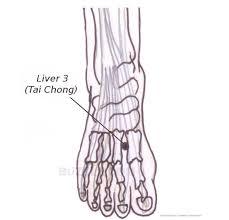
The third point on the liver channel - when open, emotion run freely, sleep is easy, and our lives move forward. When closed, our body responds.
The third point on the liver channel is named tai chong, or "great surge." It refers both to the strength of the spring season where plant and animal life are surging upwardly and outwardly after the cold winter, and the nature of the liver channel which is to move upward and expand freely and powerfully. When this channel is flowing openly we move from emotion to emotion smoothly, fall to sleep easily, move forward in our lives proactively and cycles such as the menstrual cycle are regular and without discomfort. This point is one of the most frequently used points in acupuncture, including its use for headaches, menstrual pains, anxiety and stress. It is located just forward of the proximal meeting of the first and second metatarsal bones. It can be massaged with firm, but gentle pressure for five to ten minutes on each side, but responds best to needling.
Optimal Nutrition Crucial to Lyme Regimen
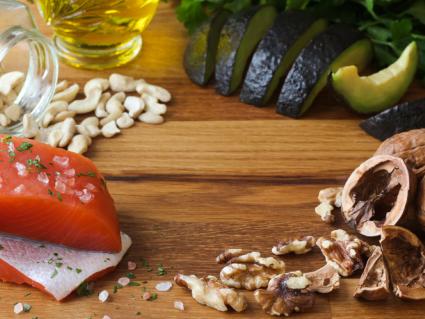
Proper nutrition can improve resiliency when battling Lyme disease.
Did you know that a crucial piece of any Lyme disease treatment regimen is optimal nutrition? Whether or not a person with Lyme disease is on active therapy for the disease, eating well can decrease symptoms from the disease, and can help therapies to work more effectively. The goals of eating a “Lyme Diet” include reducing inflammation in the body, supporting the immune system, preventing candida (yeast) growth and promoting healthy digestive function, supporting the body’s hormonal systems, and supporting detoxification. An organic (if feasible), whole-foods diet rich in vegetables, some fruit, high-quality protein, and “good fats” (containing anti-inflammatory omega-3-fatty acids) is ideal.
One of the most important parts of a Lyme Diet is minimizing consumption of sugar and carbohydrates. Not only does sugar fuel the growth of yeast, but it also supports growth of the spirochete bacteria that cause Lyme disease, Borrelia burgdorferi. Adequate probiotics (up to 100-200 billion organisms per day) and natural anti-fungals such as garlic, oregano, and coconut oil, as is sugar and carbohydrate restriction. Carbohydrates are not created equally; while all carbohydrates ultimately break down into simple sugars, there are good choices that one can make. Simple sugars, such as refined white sugar in cakes and cookies, have very little nutritional value and are a source of saturated fats and gluten, not supportive of health. More complex carbohydrates (in cereals and flour) can still feed yeast, as these are broken down into simple sugars. Fruits, although healthier due to vitamin and mineral content, still can feed Lyme and should be limited in consumption in Lyme patients. The best source of carbohydrates come from vegetables such as broccoli, leafy greens, and salads. These also are rich in fiber which benefits detoxification through elimination.
Part of a good Lyme Diet also includes minimizing or eliminating consumption of gluten. Many Americans are on the spectrum of gluten intolerance but they do not realize it; some of these symptoms overlap with symptoms of Lyme disease and are signs of inflammation such as heartburn, bloating, gas, abdominal pain, fatigue, muscle and joint pain, headaches, and skin rashes. It is known that gluten is pro-inflammatory. Often gluten cannot be properly broken down by enzyme systems, and gluten can trigger an autoimmune response. Avoiding gluten in Lyme is very important since there is already such a high degree of inflammation in the body with the disease, and avoidance also removes a source of immune activation.
As dairy foods are generally pro-inflammatory, elimination of dairy is often recommended in Lyme disease, especially if a patient is having significant gut issues. I personally feel that the benefits of probiotic-rich yogurt may outweigh the inflammatory potential in some patients, however.
So a cornerstone of cutting-edge Lyme treatment is good nutrition, which can improve a person’s resilience in dealing with the disease. Immune support, inflammation management, hormone regulation, and detoxification functions can all be influenced favorably by healthful nutritional intake, and having such control in Lyme disease can be very self-empowering for those dealing with these pesky spirochetes! Happy May!!
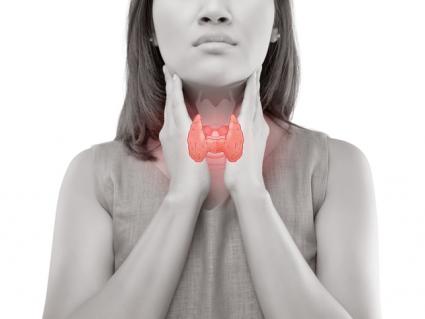
Optimal Thyroid Health: A Focus on a Gluten-Free Diet

It’s estimated that 20 million Americans have some sort of thyroid disease, meaning an issue with their thyroid gland that causes it to either under or over-produce thyroid hormones. These hormones are responsible for regulating the body’s metabolism and without proper diagnosis and treatment, thyroid disease can lead to further complications of the heart, fertility, bone health, and weight gain or weight loss. Women are 5-8 times more likely than men to have thyroid problems.
Hyperthyroidism is when the thyroid gland overproduces hormones and as a result, the metabolism increases beyond what is healthy. Individuals with hyperthyroidism often struggle to keep weight on, despite eating adequate or increased food intake.
Some other symptoms they may experience include an increased heartrate, anxiety, sweating, trembling fingers, and heat intolerance.
Conversely, those with hypothyroidism, or an underproduction of thyroid hormone, typically struggle with unexplained weight gain. Additionally, some common symptoms include fatigue, sensitivity to cold, dry skin, pain/stiffness in their joints, hair loss/thinning, thin or brittle nails, puffy face, and constipation. Hashimoto’s disease is the most common cause of hypothyroidism and this autoimmune disease attacks the thyroid gland, leading to an underproduction of thyroid hormones.
For the purpose of this post, we will focus on hypothyroidism, as it is more common in the US. Food plays a role in many ways, when it comes to hypothyroidism. It not only can be a contributing factor to the root cause but eating the right foods (and avoiding harmful foods or ingredients) are a critical piece of healing and managing symptoms.
Some foods to avoid with hypothyroidism include gluten, sugar, processed foods, and any foods the individual is sensitive or allergic to. Processed foods often contain an abundance of inflammatory ingredients, including industrial vegetable and seed oils, additives, food dyes, artificial flavorings, and other non-natural components. Our bodies have a hard time recognizing and digesting these ingredients so over time the body’s immune system gets involved, thinking that these processed foods are dangerous. This is where the thyroid gland kicks into gear and in an effort to protect us, it often overworks itself. That’s why in many cases, some individuals actually experience a temporary state of hyperthyroidism followed by a prolonged hypothyroidism.
Gluten has a similar molecular structure to thyroid tissue, so a gluten sensitivity causes the body to attack the thyroid as a function of defense. Gluten sensitivities are very common, and many individuals don’t even know they have it. Since gluten contains an inflammatory protein that passes through the body not fully digested, it is a known irritant and root cause for not only inflammation but also gut issues.
While we want to avoid the foods that cause or contribute to thyroid disease, we equally want to include foods that heal. An anti-inflammatory diet includes high-quality proteins from a variety of sources (animal-based, plant-based, and fish). Additionally, bright-colored fruits and veggies as well as dark, leafy greens contain a wide array of healing plant properties. And last but not least, make sure to incorporate healthy fats, such as avocado and avocado oil, olives and olive oil, nuts, seeds, and fatty fish. In essence, taste the rainbow and feel your best.
Optimal Thyroid Health: A Focus on a Gluten-Free Diet Related Blog Posts
Optimal Thyroid Health: A Focus on a Gluten-Free Diet Related Services

Supplements and Vitamins
Our natural remedies and supplements are carefully selected by our doctors and may be taken to promote natural healing and help treat a variety of conditions.Supplements and Vitamins

Acupuncture
Did you know that acupuncture has been shown to be more effective than conventional treatment for migraines, back and knee pain? Acupuncture is also the complementary therapy most recommended by medical doctors (M.D.'s), and is covered under more insurance plans than ever before. No other traditional healing method has ever earned as much world-wide success, recognition and support! Acupuncture…Acupuncture
Integrative Medicine
Integrative medicine is the blending of conventional medicine with holistic, complementary, and alternative medicine. Integrative Medicine is defined as healing-oriented medicine that takes account of the whole person (body, mind, heart and spirit), including all aspects of lifestyle. It emphasizes the therapeutic relationship and makes use of all appropriate therapies, both conventional and…Integrative Medicine

Women’s Health
Our reproductive health and fertility are a part, expression and source of our overall health. At The Stram Center we maintain that a broader understanding of the individual is just as essential as a focused examination of the reproductive system and it’s functioning within that person. Our integrative approach to women’s health provides holistic, balanced and effective care to achieve…Women’s Health
Chinese Herbal Medicine
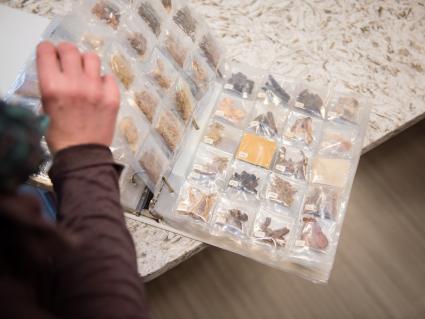
Desiring a healthier life may be your goal, but for you and millions others it can prove more challenging. You may feel that your immunity is low. You may be in a state of physiological, mental or emotional unrest. Or you may be faced with a more serious illness or chronic pain.Chinese Herbal Medicine
Nutritional Counseling
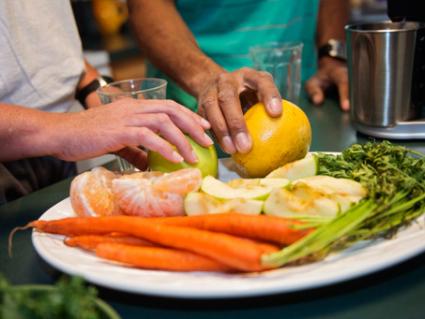
The practitioners at the Center recognize that diet is often the basis for your heath and your potential to heal. Adopting a healthy diet is often the first step towards correcting health problems. Many medical conditions can be treated more effectively when the patient implements specific diets and uses nutritional supplements. These interventions afford fewer complications and side effects than…Nutritional Counseling
Our Thyroid & How It Works

How our thyroid acts like the central heating unit for our body.
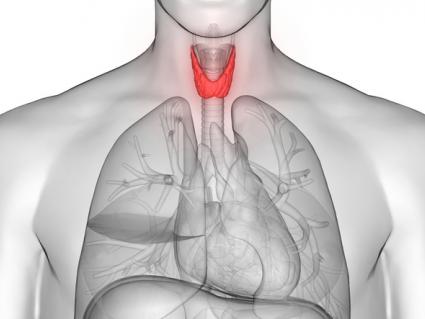
The thyroid gland is one of three main glands under the control of the hypothalamus and pituitary. The hypothalamus and pituitary are signaling glands while the thyroid is a hormone producing gland. The “signal” the pituitary sends to the thyroid gland is thyroid stimulating hormone, or TSH for short. TSH causes the the thyroid to make more thyroid hormone. So if the pituitary senses that thyroid hormone levels are low, it will send more TSH to the thyroid to increase production. Once hormone levels are higher, TSH levels will decrease.
Often difficult to understand, I will provide an analogy by using a central home heating unit. For central heat there is the master controller of temperature and in most cases it would be someone in the household. This person (the hypothalamus) would set the the thermostat at a certain temperature, let’s say 70 degrees. The actual thermostat provides the signal to the heater to turn on or off, therefore the thermostat is the pituitary gland. The heater receives signals to turn on or off to provide heat. The heater is the thyroid gland. The actual heat then would be the thyroid hormone.
The most common thyroid condition is known as hypothyroidism. I can use the above analogy to further explain. If the thermostat (pituitary) is not working and unable to send a signal (TSH) to the heater (thyroid gland), the heat would not turn on, and there you have no heat (thyroid hormone) and would be unable to get to 70 degrees. The problem then is with the thermostat (pituitary) and this is actually very uncommon.
More commonly the thermostat (pituitary) is able to send a signal (TSH) to the heater (thyroid gland), but the heater (thyroid gland) is not working and unable to provide any heat (thyroid hormone) and still not be able to get to 70 degrees. The thermostat keeps trying to turn on the heater, but the heater is not responding, and you’re are left with a cold house! So the signal is INCREASING (TSH levels becoming HIGHER) but the heat remains low (hormone levels are LOWER).
Thyroid hormone plays major role in metabolism. If thyroid hormone is low then metabolism will be low. The entire body will be low functioning. This could then manifest as feeling slowed, tired, sluggish, or feeling cold all the time. The metabolic processes of the body will slow down as well. It will not burn a lot of calories which could lead to weight gain, the cardiovascular system will slow down leading to decreased heart rate low blood pressure, and the digestive track can slow down causing constipation.
This is why it is important to get your thyroid tested regularly. Getting only the TSH tested is like only looking at your thermostat when you’re not getting any heat. If the thermostat is working but your are still not getting heat, would you stop any further investigation? Likely not and you would go directly to the heater to see why it is not producing heat. This is why we check TSH, thyroid hormone levels (T4 and T3) and thyroid antibodies to fully investigate thyroid function. Antibodies are inflammatory and can cause damage to the thyroid gland, just as if rust or dust could be causing damage to your heater.
Pilgrimage to India 2013 Sangha Rishikesh, India
Going into Silence
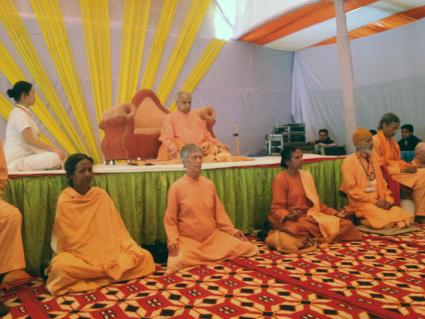
Three years ago Swami Veda Bharati sent word out to all initiates and teachers; “In February 2013 I will enter into a 5 year silence, come to India and I will give the teaching.” A call to 12 days of teachings, lectures and silence at Swami Rama Sadhaka Grama, an ashram in Rishikesh India.
Jim Whiting and Michelle Carpenter, Body Mind Spirit Yoga meditation and yoga instructors have been initiated in the Himalayan tradition*. Guided meditation based upon this tradition has been offered every Thursday night at 7:30Pm at the Stram Center for free for the past 6 years.
“After three years of preparation, we knew this was going to be a deep learning experience, and there would be a lot of great teachings we could bring back to the Stram Center, and incorporate into our classes” says Jim Whiting. “We certainly learned some great techniques for yoga and deepening meditation. But the main focus of the Sangha (a gathering of spiritual seekers) was family, our yoga family, our immediate family, biological or chosen, our work/organizational family. How to bring love into these families, how to bring love into our organizations and businesses. If there is no room for love in these families, they are broken, and how can we create room for love. Expanding family, growing that circle of love to include everyone.”
Michelle Carpenter adds “While the idea of extending your family circle to include all may seem to be a lofty endeavor, even small acts of openness and compassion towards others will have an effect. Practically speaking, scientific evidence is mounting to show that our health and sense of well being is enhanced by the joys of family, friendship and shared human experiences. How to do this? Cultivating just a small amount of silence into your daily routine can help to bring balance to your emotional state and stillness to the mind. This in turn helps to foster more mindfulness and integrity in all our interactions.”
“India was a cultural shock, but it was also very uplifting to encounter so many warm greetings from happy people (many of whom have so little), and inspiring to expand our family to those we connected with in India. We hope to continue to share that spirit of family connection back at the Stram Center,” explained Yoga teacher Jim Whiting.
* Note: the Himalayan tradition is not a religion, but rather a philosophy inclusive of yoga and meditation practices, tools which help deal with stress, emotional and mental distress and illness. The Himalayan tradition welcomes all religions, philosophies and beliefs.
Plant-Based Paleo Diet

A new diet focus is that of a paleo diet. There is a large variation in interrpretation of what a paleo diet should consist of. Read below to discover what we at the Stram Medical Center feel is the best approach for a paleo diet.
Plant-Based Paleo Diet
The Paleo diet, taken from the term Paleolithic or preagricultural, Paleolithic times, centers around the idea that we should eat more like our ancestors did 10,000 years ago, that is by hunting, fishing, or gathering. Nutritional anthropologists have been estimating the nutrient intakes of our ancestors for several decades. It turns out that a true Paleolithic diet, is much closer in nutrients to a vegan or plant-based diet than what many people promote as a paleo diet.
It has been found that wild or uncultivated plants provide about four times the fiber of commercial plants, meaning that people during Paleolithic time consumed great amounts of dietary fiber. As all food was foraged, hunting and gathering food required massive amounts of physical energy to secure the food. With minimal preservation techniques, when meat was secured it could only be eaten for a short amount of time, leaving people to focus on the plant-based foods they could gather. Also, it is estimated that the wild animals eaten then provided 6 to 16 percent of calories from fat compared to about 40 to 60 percent in today’s domestic animals, even those that are grass-fed. 1
Many paleo diets recommend avoiding legumes (beans, peas, lentils, etc.) Legumes have been found to be an important source of calories and protein for many of the world’s populations. Legumes have been found to be one of the staples of people living in the Blue Zones, populations found to be the healthiest in the world and with those living the longest.
Many diets also dismiss legumes because of their lectin and phytate content. Lectins are found in various plant based foods and are thought to be negative by many because of their potential to cause gastrointestinal distress. Cooking legumes destroys most lectins, and sprouting them significantly decreases the lectin content. Since legumes are almost always consumed cooked or sprouted, they are thought to be a very safe and healthy addition to the diet. 1Phytates are a compound found in various foods, including beans, grains, nuts, and seeds. In the past there was concerns that high intake of phytates can potentially decrease the absorption of minerals. Current research shows that the decrease in absorption only happens when large quantities of phytates are consumed with a diet low in nutrients. Phytates have been found to potentially help protect against colon cancer and osteoporosis. 2
While we live in a society where it is not possible to eat exactly as our ancestors did, it is possible to adopt a Paleo framework upon which to build a solid nutritional plan.In short, the Paleo diet should include as much plant-based foods as possible: vegetables, fruits, starchy vegetables, nuts, seeds, and legumes. Foods that are allowed but should be consumed in limited amounts are meat, seafood, and eggs. Foods that are avoided include grains, dairy products, sugar, and processed or refined foods.It is important to remember, however, that the focus of paleo is eating nutrient-dense, whole foods.It is not about completely eliminating certain foods, but choosing certain foods more often than others. The Stram Center Paleo plan emphasizes that a patient should eat as many plant-based foods closest to their natural form, also known as a whole-foods-plant based diet. The goal is to limit any refined foods, especially refined grain products such as bread, pasta, cookies, crackers, flour, etc.
Due to the potential impact lifestyle has on our overall health, the Stram Center believes it is essential to embrace a healthy lifestyle to help better manage your treatment plan and to promote optimal recovery.
A healthy lifestyle can be defined in many ways, but the Stram Center feels it is important to optimize the following four areas:
- Diet
- Exercise/ Physical Activity
- Sleep
- Stress Management
The Stram Center Practitioners will work with you to develop an individually tailored plan to optimize your lifestyle during your treatment.
Please speak with the Stram Center’s Registered Dietitian/Culinary Nutritionist to receive a tailored, in-depth nutrition plan based on thorough nutritional assessment, complete with meal planning ideas, recipes, handouts, and lifestyle recommendations.
References:
1. http://nutritionfacts.org/2014/09/23/will-the-real-paleo-diet-please-stand-up/
2. http://nutritionfacts.org/2015/05/28/phytates-in-beans-anti-nutrient-or-anti-cancer/
Planting Seeds of Health in 2017!

Some tips to helping you stay healthy all year long.
There is a lot of business during the Holiday season with parties and celebrations that include countless indulgences. It can feel like a race to the finish leading up to New Year’s Day. This is the time that we often consider ways to be healthier in the New Year. Making positive changes is like planting seeds to harvest as a healthy year. There are many areas to improve health from changing our diet, moving our body, getting more sleep and reducing stress. Making changes in those areas, very simply translates to better health. The key is staying with them beyond the first few weeks of the new year.
Here are a few tips to get you there:
- Create an intention for how you want to feel as the year unfolds. Better energy, slimming down, feeling stronger or improving health conditions are just some of things that motivate us. Make your statement clear and meaningful so that when you repeat it, it makes you feel great. Some suggestions are: I have a lean and strong body or My health has improving every day or I make choices to take care of myself. You may want to write them out or put them on your phone. Remind yourself every morning to keep you on track.
- Every change counts! Inch by inch, anything is a cinch. Simple changes can have a big impact.Start with one, two or all of these positive daily lifestyle changes:
- Add one more cup of veggies
- Add two more glasses of filtered water
- No processed foods for at least two meals per day (bread, bagels, pizza, crackers, desserts)
- Get outside for at least five minutes of fresh air
- Exercise in some way for at least 15 minutes
- Pause for at least 3-5 minutes of quiet and stillness (breathing, meditation, etc.)
DELICIOUS SPARKLING WATER RECIPES
It’s important to keep well hydrated to support immune health, so try sparkling water as an alternate drink option.
1. BLACKBERRY ROSEMARY
This fruit-herb water infusion is fruity and woodsy and the water turns such a gorgeous purple hue! It would also be great with blueberries.
Add 1/4 cup fresh or frozen blackberries and 1 stalk of rosemary to .5 liter (one small bottle, about 16 ounces) of sparkling water. Seal and refrigerate for at least 24 hours.
2. CRANBERRY GRAPEFRUIT
This delicious fruit-herb blend is like a sweet-tart candy. Plus, both grapefruit and cranberries have body cleansing powers, so this is a fantastic detox drink.
Slice 1 grapefruit into 8 wedges. Add 2 grapefruit wedges and 2 tablespoons of fresh or frozen cranberries to .5 liter (one small bottle, about 16 ounces) of sparkling water. Seal and refrigerate for at least 24 hours
3. CINNAMON VANILLA
This cookie-smelling infusion is lush, sweet, and slightly spice-y. It tastes like cinnamon flavored cream soda.
Slice a vanilla bean down the middle to loosen and expose the beans inside. Cut it in half again the other way. Add the vanilla bean and one cinnamon stick to .5 liter (one small bottle, about 16 ounces) of sparkling water. Seal and refrigerate for at least 24 hours.
Original soda recipes can be found here.
Platelet-Rich Plasma (PRP) a Treatment for Vitiligo
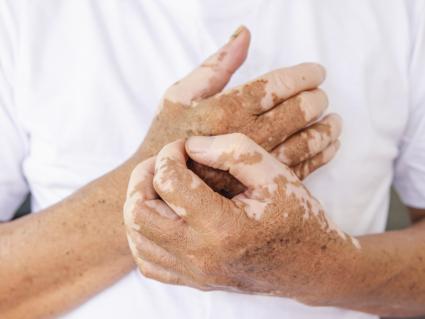
PRP treatment is a process of using one’s own blood components back into the body in areas that are injured, damaged or diseased causing regeneration. PRP has been used at the Stram Center for over 2 years and has continued to expand in its demand and uses. In addition to joint injections, we also use PRP to regenerate hair growth and to reduce lines, wrinkles and scarring. Upon our continued practice using PRP, we continue to discover benefits that PRP can provide our patients. In the medical community, PRP continues to gain momentum on disorders that are positively affected by its use. There is ongoing research to identify additional uses for this natural remedy. In addition to the above listed procedures, we also use PRP to reduce pigmentation to the skin. The main pigmentation disorders we encounter are melasma and vitiligo. Vitiligo is an autoimmune disorder that affects the skin by causing depigmentation. These areas can be located on the face, scalp and/or extremities. The depigmentation in vitiligo is caused by a destruction in melanocytes. Multiple dermatology and PRP case studies were reviewed, all with positive results on vitiligo improvement for both microneedling and PRP injections under the skin.
PRP is a high concentration plasma solution. This solution is a result of taking a blood sample and centrifuging it down gaining the sought after components that can help us heal our own body. The platelets contained in this solution include a variety of growth factors, adhesion molecules and chemokines. The way that PRP works after being injected into or under the skin is that it interacts with the area injected causing cell differentiation, proliferation and ultimately regeneration (Ding & Liu, 2021).
For treatment of vitiligo, it has been found that traditionally treatments such as phototherapy or laser CO2 have been effective in stimulating melanocyte production. As an alternative or adjunct therapy, PRP not only stimulates melanocytes, keratinocytes and fibroblasts, but also inflammatory pathways naturally. This inflammation then plays a role in promoting differentiation, proliferation and an increase in melanocytes and keratinocytes maturation leading to re-pigmentation overall (Yin et. al, 2020).
More simply said, PRP has proven to be an adjunct therapy to treating vitiligo. Treatments can even out skin tones to make areas much less noticeable and in some cases resolved.
Ding, X. & Liu, S. (2021). Progress in the use of platelet-rich plasm to treat vitiligo and melasma. International Journal of Dermatology and Venereology.
Lu Yin, B., Adotama, P., Svigos, K., Gutierrez, D. & Lo Sicco, K. (2020). Pletelet-rich plasma, a promising adjunctive treatment for vitiligo. American Academy of Dermatology.
Mercuri, S., Vollono, L., Paolino, G. (2020). The usefulness of platelet-rich plasma (PRP) for treatment of vitiligo: State of the art and review. Drug Design, Development and Therapy.
Platelet-Rich Plasma (PRP) a Treatment for Vitiligo Related Blog Posts

Platelet-Rich Plasma (PRP) a Treatment for Vitiligo Related Services
Lifestyle and Prevention
Nutrition is an essential component to preventative health, and is one of the most modifiable factors in our lives. Embracing a proper diet for your body has the power to positively impact your health on all levels, helping you reach your own distinctive state of wellness.Lifestyle and Prevention

Platelet Rich Plasma (PRP) and Prolotherapy
If you have suffered from chronic joint pain or a sports injury to a ligament or tendon, regenerative injection therapy may be a treatment option for you. There are different levels of joint dysfunction. There are also different levels of treatment. The right injection therapy can help you increase function, decrease pain and healing time, and get you back to living your best life faster.…Platelet Rich Plasma (PRP) and Prolotherapy
Point of the Month – Heart 5 – Acupuncture to Calm the Mind

According to Chinese Medicine - there is no separation between heart and mind.
According to Chinese Medicine, the organs have functions beyond their physiology. One of the functions of the heart is to store the mind and spirit. Unlike in Western culture where the mind and heart are viewed and talked about as separate (“my mind is telling me one thing, but my heart another,”) according to Chinese understanding - culturally, philosophically, and medically - there is no separation between the heart and the mind, rather, the mind lives inside the heart. And “the state of the heart will affect the mental activities including the emotional state” and visa versa.
In order to ensure a healthy heart, one must take care of the emotions. One of the oldest written texts of Chinese medicine says that excessive thinking and worry will weaken the heart’s ability to carry out all of its functions. Do you ever notice if you are anxious or sad, you may feel a tightness in the chest? Or if you’re angry your blood pressure increases? Or if you are so excited and elated with joy, your heart beats faster? Here is the mind-body connection.
When there is disturbance of the heart, this can manifest as scattered feelings of anxiety, agitation, restlessness, sadness, poor memory, palpitations, and most often as insomnia. “If the heart is weak, the mind has no residence and it will ‘float’ at night causing inability to fall asleep, disturbed sleep, or excessive dreaming.” Conversely, “if the heart is strong, a person will fall asleep easily and sleep will be sound.” These manifestations don’t necessarily mean you have pending heart disease, but all these symptoms point to disharmony in the functions of the heart and left long standing can weaken the whole system. According to this same ancient Chinese medical text, “the heart disdains being scattered.”
An acupuncturist always looks for underlying root causes, what has led to these sensations in the chest—what is it that is weakening the heart, or what is in excess that is over-exciting the heart?
The acupoint Heart 5, named “Tong Li,” translates to ‘penetrating the interior.’ It is located on the underside of the arm, about a finger width from the wrist crease, just inside the tendon that runs along the pinky finger side. This point calms the mind and also regulates heart rhythm. It is considered one of the most vital acupuncture points and has many indications for its use including palpitations (especially due to fright), pain, agitation or burning sensation of the heart, fullness and distention of the chest, sadness, irritability, even sudden loss of the voice, stiffness of the tongue, involuntary urination (this points to the intricate connections to multiple organs) and more.
We live in times of a lot of stimulation, and this affects our organs sometimes without us knowing. Give your heart some love with acupuncture and/or Chinese herbs to help maintain your naturally healthy state.
Sources:
The Yellow Emperor’s Classic of Medicine translation by Maoshing Ni, Ph.D
The Foundations of Chinese Medicine by Giovanni Maciocia
A Manual of Acupuncture by Peter Deadman