Is Chocolate Healthy for You? Here’s What You Need to Know!
There aren’t too many people that I know that don’t like or even crave chocolate. Why is this so? Simply, chocolate contains certain chemicals that are known to improve mood, but research also shows chocolate to have many important health benefits.
Some of us may have heard that dark chocolate contains “antioxidants” that are beneficial for us. But which antioxidants, how much of them, and how are they good for us?
Catechins and epicatechins are bioflavinoids that act as antioxidants and are found in cocoa, tea leaves (green and black) and wine. Catechins and the consumption of dark chocolate have been shown to significantly induce vasodilation of heart blood vessels, increase heart circulation, and decrease platelet adhesion, or act as a blood thinner. See: Dark chocolate improves coronary vasomotion and reduces platelet reactivity.
These effects are seen as early as 2 hours after ingestion of 1.5 ounces of cocoa. One study published in JAMA found that of pre-hypertensive and Stage I hypertensive individuals with no other health conditions, eating as little as 6 g of dark chocolate daily for 18 weeks, lowered their blood pressure on average by 3 points. And, hypertension prevalence within the group decreased from 86% to 68%. See: Effects of low habitual cocoa intake on blood pressure and bioactive nitric oxide: a randomized controlled trial.
What is this now, you say from eating dark chocolate?! Yes… These potent antioxidants help to reduce blood pressure, increase vascular flow in the heart, thin the blood, and reduce inflammation in the body. Sounds like a good thing to me!
Norman Hollenburg, a professor of medicine at Harvard medical school, has gone as far as saying that the epicatechins found in cocoa should be considered a vitamin. Although non-essential, the health effects as stated above, can help to reduce 4 of 5 of the main diseases in the United States; heart disease, cancer, stroke, and diabetes. See: Cocoa 'Vitamin' Health Benefits Could Outshine Penicillin
So how much of these antioxidants are really in cocoa? It must be a small amount, because something so good couldn’t be that good for you, right? Well, cocoa has up to 3 TIMES more of these flavonoids than does red wine, green tea, and black tea. Therefore, cocoa has more health benefits than red wine and tea. See: Cocoa has more phenolic phytochemicals and a higher antioxidant capacity than teas and red wine.
Another type of chemical found in cocoa are methylxanthines, and these include caffeine and theobromine. Theobromine, just as caffeine, has stimulatory affects, and has been hypothesized to cause the “addictive” effects of chocolate. Even though theobromine can increase the heart rate, it also acts as a vasodilator, thereby reducing blood pressure. Theobromine is also a natural diuretic, so can help alleviate swelling and high blood pressure due to water retention. It can also help to reduce asthma symptoms, as it is relaxes smooth muscles which causes the bronchioles to dilate, or “open up”. In fact theophylline, an older drug used for asthma, is also a methylxanthine like theobromine.
This may seem a little science intensive, so the bottom line is, what does this mean for me? It appears that eating about 1 ounce of cocoa, or at least 60% dark chocolate, as much as 4-5 times per week, could be of great health benefit. This does mean pure DARK CHOCOLATE! White chocolate does not contain cocoa. Commercial chocolates, chocolate ice cream, cakes, pastries, and candy, do not have the same health benefits. For one, many of these contain milk chocolate, which is high in saturated fat, and added sugar. Secondly, manufactures strip all the flanvonoids from the chocolate because they taste bitter. Yes, real cocoa is bitter, and hence better for you! There is a fine line between eating too much chocolate and gaining the health benefits, so this is not a license to eat dark chocolate all day every day. Again, about 1 ounce daily is more than enough to improve your health.
Is Coffee Good For You?
Coffee has been found to have many health benefits that include a decrease risk of Parkinson’s disease, heart disease, colon cancer, and liver cirrhosis. Coffee can also improve exercise and athletic performance and is often used to prevent headaches. Now there is increasing evidence that coffee consumption can decrease risk for developing type 2 diabetes.
A recent study published in the Journal of Agriculture and Food Chemistry demonstrated in mice that coffee reduces the risk of type 2 diabetes. Mice were fed either water or coffee, and scientists found that mice drinking coffee prevented the development of high blood sugar and increased insulin sensitivity. It is thought that this is mostly due to the caffeine content in coffee, but it is not exactly known. In another study, those drinking decaf coffee still had lower risk of developing diabetes, but by only half as much as those drinking the caffeinated versions.
Most of the health benefits from coffee come from caffeine. But coffee also contains large amounts of antioxidants. These antioxidants are more beneficial for heart health and cancer prevention.
Too much coffee can lead to jitteriness, nervousness, heart palpitations, and insomnia, and some are more affected by caffeine than others. Drinking unfiltered coffee, as with French press or espresso drinks, can raise cholesterol levels, specifically LDL levels. Caffeine can also raise blood pressure. Caffeine also inhibits anti-diuretic hormone, or ADH, which causes an increase in urination. If drinking coffee, increase the amount of your daily water intake. Most studies use black coffee, and health benefits are diminished when adding milk and sugar or drinking sweetened espresso drinks.
Is it Possible to Have Acupuncture Covered by Insurance?
Is it possible to have acupuncture covered by insurance? Yes! In light of the plethora of news about the reformation of health care, where does Chinese medicine stand?
Many practitioners in the field of holistic and complementary medicine are trying to encourage lawmakers to include services such as acupuncture into the new health care plan. The national governing bodies for Oriental Medicine, the NCCAOM and the AAAOM are backing this measure. To support acupuncture coverage please visit AAAOM: American Association of Acupuncture & Oriental Medicine
For information on President Obama’s statement on preventative health care visit:
Acupuncture Today's article: Obama Positive Toward Acupuncture
Is Red Wine Good for You?
There is much debate regarding whether red wine is beneficial for your health or not. The debate began with the observation that the French population has lower rates of heart disease compared to the American population, even though the French diet is higher in saturated fat consumption. This has been termed the “French Paradox”. The cause of this paradox is believed to be due to the higher consumption of red wine by the French.
In the past 20 years, there have been many studies, including many animal studies, to investigate whether red wine is the main factor in this paradox. However, there have been very few human trials that have shown that there is a positive health benefit. More clinical trials are needed to explore these benefits.
Resveratrol is the main active ingredient in red wine that is thought to have cardiovascular health benefits. Resveratrol is found in the skin of red grapes, and also in blue berries and bilberries. Most supplement forms of resveratrol are made from the roots of Polygonum cuspidatum due to its high amounts of the active resveratrol. A 5oz glass of red wine contains about 0.3-1mg of resveratrol. The kind of grape also makes a difference, as Pinot noir has the highest amount of resveratrol. Grapes grown in warmer, dryer climates have less.
Many studies using mice have found that resveratrol has cardiovascular benefits including lowering LDL cholesterol and raising HDL cholesterol, preventing atherosclerosis, and blood thinning effects similar to aspirin. Resveratrol has also been found to be anti-inflammatory, anti-carcinogenic, and estrogenic.
Resveratrol has been shown to increase insulin sensitivity. Since insulin is a fat promoting hormone, and insulin-resistance increases fat deposition, then increasing insulin sensitivity works to lower fat deposition and improve metabolic efficiency. Resveratrol also directly stimulates lipolysis and decreases the amount of fat cells.
Resveratrol also has very weak estrogenic effects. It is unknown whether this is protective or not, similar to other phytoestrogens such as soy, and is therefore not recommended as a supplement for those with hormone sensitive cancers.
In general, it is my recommendation that small amounts of red wine, not more than 1 glass daily, along with a balanced diet low in processed foods, can have an overall positive effect on all aspects of your health.
Is There a “Lyme Diet”?

For individuals affected by Lyme disease, treatment can take many forms. There are medicines and herbals. Complimentary therapies and mental health support. And diet can make a substantial impact for most people. Rather than one particular “Lyme diet”, nutrition is as individualized throughout one’s Lyme healing journey as it is throughout one’s lifetime. No one “diet” is meant to serve a person their entire lives—nutrition therapy is meant to shape one’s particular needs at any life stage or healing phase.
Plus, aside from the nitty gritty macro-micronutrients, vitamins and minerals of it all, it’s important to address lifestyle factors such as time, physical abilities to prepare food, economic and geographical considerations, food likes and dislikes. No two people are the same, so no two dietary approaches should be.
The main objective of nutrition therapy for the treatment of Lyme disease is to lower inflammation, support the immune system, and encourage the body in healing. One factor to consider deeper is gut health, as nutrition directly impacts the gut, and the gut is where most of our immune system lives. Some medications used to treat Lyme can change the gut microbiome. Additionally, Lyme disease itself can affect the gut, resulting in many types of symptoms. All things considered, a diet therapy that supports healing should include foods that are not only nourishing, equipping the body with the vital energy and nutrients to heal, but also be easiest to digest and not contribute to adverse symptoms but instead, work towards reducing them. For an individual who struggles with constipation, a diet that includes a wide array of fruits and vegetables as well as adequate hydration could be helpful. Conversely, someone who has diarrhea or loose stool may benefit from a diet rich in soluble fibers and include particularly helpful foods such as rice, potato, and cooked pumpkin.
Identifying any food sensitivities and avoiding inflammatory foods or ingredients is helpful for all patients. This can include limiting or avoiding sugar, processed foods, vegetable oils, gluten, dairy, corn, soy, or eggs. A nutrition plan should be as inclusive as possible with a wide variety of foods, while being also as healing as possible. It must also be realistic. Diet need not add stress or anxiety, as having an illness and journeying through the treatment process can be difficult enough. Having a support network of personal and clinical caregivers is a critical component for the individual going through Lyme treatment and we hope to provide loving encouragement to all our patients at the Stram Center who trust us on their journey.
About Janna Neitzel,, MS, RD, CDNIs There a “Lyme Diet”? Related Blog Posts


Is There a “Lyme Diet”? Related Services
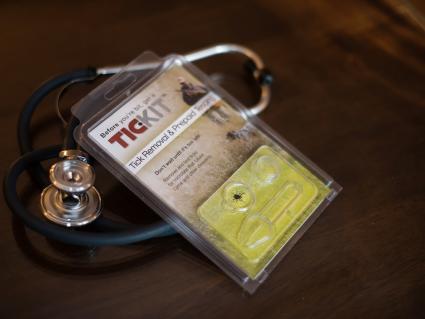
Lyme Disease
Lyme Disease Diagnosis and Treatment in Delmar NY and Burlington VT offices At the Stram Center we vow to continue our education on Lyme Disease research, stay up to date on the most effective testing and all the safe available therapies. Moreover, our years of experience in treating patients according to the whole person-integrative medicine approach allows us the most effective way to care…Lyme Disease
Lifestyle and Prevention
Nutrition is an essential component to preventative health, and is one of the most modifiable factors in our lives. Embracing a proper diet for your body has the power to positively impact your health on all levels, helping you reach your own distinctive state of wellness.Lifestyle and Prevention
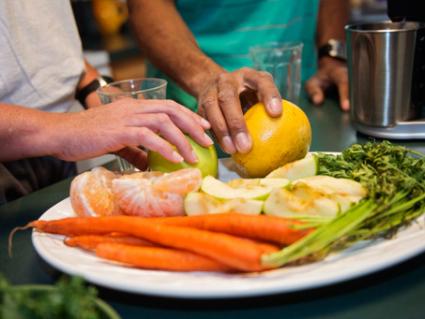
Nutritional Counseling
The practitioners at the Center recognize that diet is often the basis for your heath and your potential to heal. Adopting a healthy diet is often the first step towards correcting health problems. Many medical conditions can be treated more effectively when the patient implements specific diets and uses nutritional supplements. These interventions afford fewer complications and side effects than…Nutritional Counseling
Is There a Connection Between Cancer & Diabetes?
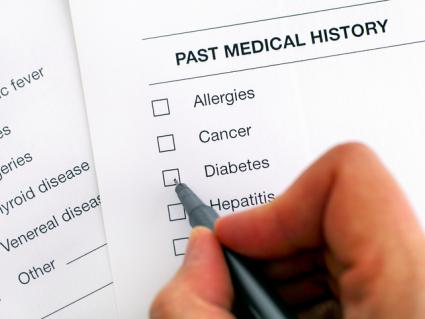
Research shows there may be a connection between certain types of cancer and diabetes.
Integrative medical therapies look to combine conventional medical treatments with safe natural therapies to provide the best treatment outcomes and an improved quality of life.
With a cancer diagnosis, conventional treatments often include specific targeted therapies such as surgery, chemotherapy, and radiation. These therapies address the cancer directly but do not address the cellular environment in which the cancer exists. What internal factors lead to cancer cell proliferation?
In July 2018 it was reported online in Medical News Today that the link between diabetes and cancer risk is “firmly established” (1). This was based on an article that was pulblished in Diabetologia (2).The article was an analysis that included 20 million individuals across the world and found that having diabetes not only increases cancer risk, but women with diabetes have a higher risk than men.
In an article jointly published by the American Diabetes Association and the American Cancer Society in 2010 (3), it reported that diabetes increased the risk by 50% or greater for liver, pancreas, and endometrial cancers, and 20-50% increase for colorectal, breast, and bladder cancer. The authors state that the possible biologic links with diabetes and cancer may include hyperglycemia (high blood sugar), hyperinsulinemia (high insulin), or chronic inflammation and that these mechanisms “may influence the neoplastic process”.
The research is becoming more apparent and clear that having type 2 diabetes increases cancer risk. There are multiple factors for developing diabetes such as obesity, poor diet, lack of exercise, tobacco and alcohol use, and age. Each of these factors could contribute to an increase risk in cancer. High blood sugar and high insulin levels may also be contributing factors. It is unlikely that only a single factor is leading to the increased risk. This is why at the Stram Center we use a whole-body approach to address the internal environment of the body. By assessing diet and lifestyle and looking at blood indicators such as glucose, HgA1c, fasting insulin, cholesterol and triglycerides, and markers for inflammation,we can tailor individualized plans accordingly. Our ultimategoal is to provide education and therapies that not only reduce cancer risk, growth, and recurrence, but also provide ways to feel your very best.
References
1. https://www.medicalnewstoday.
3. https://www.ncbi.nlm.nih.gov/
Is Your Digestive Tract Irritated?
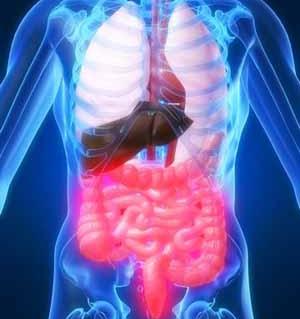
The Stram Center takes in investigative approach to Irritable Bowel Syndrome (IBS).
Over the years I have seen many patients who have come to me reporting that they have been diagnosed with irritable bowel syndrome, or IBS. Many have received this diagnosis because they have gone to their General Practitioner or Gastroenterologist with digestive complaints—indigestion, gas, bloating, constipation, or diarrhea—and all tests or procedures have come back “inconclusive”. This is often because most of the testing is to rule out Irritable bowel disease—Chron’s or Ulcerative colitis. Both are autoimmune conditions.
Now with the diagnosis of IBS, treatment recommendations may be laxatives or anti-diarrheals for symptoms related to constipation or diarrhea, or fiber such as Metamucil.
But what is CAUSING the digestive tract to be IRRITABLE?
Could it be certain foods in the diet? Could it be the use of medications such as antibiotics or non-steroidal anti-inflammatories? Could it be an imbalance of gut flora, also know as dysbiosis? Could it be sugar intolerance to lactose or fructose? Could it be stress?
At the Stram Center it is our goal to investigate these possible causes. With the use of comprehensive digestive stool analysis testing, IgG/IgA food allergy/sensitivity testing, and breath testing, we are often able to find the cause of the irritation. With dietary modifications and supplementation aimed at repairing and restoring your gastrointestinal tract, we are often able to alleviate symptoms of IBS to the point where most people can say “I no longer have IBS”.
Lao Gong: Acupressure for Connection, Clarity, & Renewal

Lao Gong, also known as the "Palace of Toil" is the eighth point of the heart master channel. It is stimulated to ease anxiety and clear inflammation.
This month's acupressure point is the eighth point of the heart master channel named "Lao Gong," or "Palace of Toil." It is located where the tip of your middle finger touches your palm when you make a fist. This is a key point for healing work and qi gong practice, and is stimulated to ease anxiety and clear inflammation.
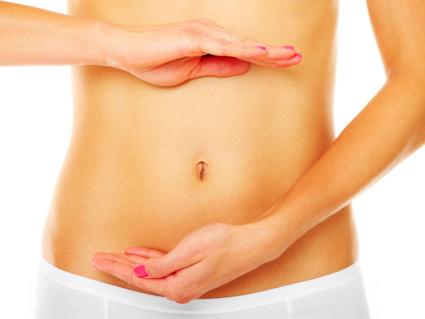
The following is a very rejuvenating and deep practice using this important point. Close your eyes and gently rub your palms together until a warm or tingling sensation is felt. Place one palm with Lao Gong on your chest over your breast bone. Place the other palm with Lao Gong over your lower abdomen 2-3 inches below your navel. Feel the warmth of your palms spread to your chest and abdomen. Now feel the sense of warmth or awareness connect the chest and abdomen, opening and joining all of the space between them. Breath into this space and enjoy the sense of openness and completeness within your torso for as long as you would like. End by placing both palms over the lower abdomen, focusing for a minute or two on breathing into the lower abdomen. Now open your eyes to a world that has changed, and a time that is unique. Spending the rest of the day with gentleness towards self and others will help preserve this state of peace and renewal.
Late Summer & Self-Compassion

Developing self-compassion is the stepping stone to enabling true connectedness.
Late summer is the ‘season’ Chinese medical theory ascribes to late August and early September. During late summer abundance is seen in nature. The fields are at peak production with fruits and vegetables ripened and ready to harvest. This time of year is filled with tall green flora and increased rain. Chinese medical five element theory relates late summer to the earth element. The five elements are fire, earth, metal, water, and wood. Each element is not only related to a season, but also other aspects that tie human existence with nature. Each element has its corresponding virtues, emotions, and health challenges which is reflected in the human experience.
Chinese diagnosis includes a determination of the patient’s element. Those with the earth element as part of their diagnosis tend to have strong virtues of being analytical and compassionate. When imbalanced, the earth element individual may be consumed with apathy and obsessive thought. Physical symptoms may include poor digestion, insomnia, apathy, fatigue, and anxiety.
Healing involves thoughtful diligence on the part of the practitioner and the patient. Alongside healing there is growth and transformation. Propelled by positive change the earth element’s challenge of apathy and overthinking transforms into clarity of thought as well as compassion for self and others.
What opens your heart? What settles your mind? What calms you and helps you unwind? These are the questions to ask yourself to nurture self-compassion. Self compassion opens our attention to our own needs. This is not a selfish endeavor when it comes from a clear mind. It is a necessary component of creating solid ground from which to function with integrity and act with compassion towards others.
According to sinologist Claude Larre, “compassion is the understanding that we are one with others, and with that, freedom of movement is necessary.” This means that in order to communicate with compassion it is important to be present to what is happening in the moment, and when you have tended to that moment, allow the mind to move to the next situation in need of your attention.
Claude Larre continues by saying, “when you are just talking to people from your sympathy they suspect that you are deceiving them. But if you are talking to them from solid ground you are really helping them.” Here, Larre is speaking about integrity that is developed from the insight of self-compassion.
Whether you are an ‘earth element’ individual or not, developing self-compassion is the stepping stone to enabling true connectedness and giving to others. In order to truly give, we must receive.
Reference:
Larre, C., Rochat de la Vallee, E. (1996). The Seven Emotions: Psychology and Health in Ancient China. Monkey Press, Cambridge,
Late Summer: How Our Body Transitions
Making adjustments to what we eat can help our body better transition to fall.
As the time of year that is directly opposite the Chinese New Year (occurring in January or February) and one of the ‘seasons’ in Chinese medical theory, ‘late summer’ is related to the spleen (modern day pancreas) and the stomach as well as the ‘earth’ element. The earth element is related to abundance and change. Late summer is marked by plentiful harvests and the transition from the heat and humidity of summer into the cool dry season of autumn.
Generally speaking, each organ in the body is connected to a season, and has it’s own elemental, physical, mental and emotional properties. When these properties produce specific signs and symptoms it denotes a pathological imbalance within that specific organ system.
According to Chinese medical theory the spleen and stomach together have the functions of assimilating nutrients from food to form the blood and regulating the water distribution throughout the body to hydrate and enliven cells. In a balanced state there is abundant energy, integrity in thought and actions, while a disfunction of these organs is related to anxiety and overthinking.
The flavor associated with late summer is sweet. An overabundance of sweetness (from overeating or indulging in sweets and carbohydrates) can cause abdominal distention, loose stools, constipation, headaches, achey joints, and fatigue to name a few. Eating simply with minimal seasoning during late summer (as well as throughout the year!) helps ensure healthy digestion which also promotes centeredness of being.
Paul Pitchford beautifully states, “To attune with late summer, one may listen to its subtle currents, as if living at the instant where the pendulum reverses its swing. Find the rhythms and cycles that make life simple and harmonious.” As we move through late summer we can boost our vitality by eating plainly and avoiding overindulging. We can create a centered mind state by using breathing practices, meditation, and exercises that clear the mind to carry you through life’s many transitions.
References:
Pitchford, Paul. Healing With Whole Foods, 3rd ed. Berkeley, California: North Atlantic Books, 2002. pp 339-340.