Limbic and Vagal Dysfunction
The Limbic and Vagal systems are both involved in controlling processes of the Autonomic Nervous System (ANS) - our body’s system that regulates involuntary processes. The ANS consists of the Sympathetic Nervous System (SNS), which controls our “fight or flight” response, and the Parasympathetic Nervous System (PNS), traditionally known for its function in “rest and digest. The Polyvagal theory, coined by Dr. Stephen Porges, breaks the PNS down further, setting a foundation for understanding of the PNS through the lens of two main pathways of the Vagus Nerve, Cranial Nerve X: the Dorsal Vagal branch and the Ventral Vagal branch. Both branches originate from adjacent locations of the Medulla Oblongata in the brainstem. These branches are functionally and structurally different, and therefore play different roles in regulating the PNS.
➢Ventral Vagal branch
○ Runs above the diaphragm (think heart rate, breathing, facial cues)
○ When faced with cues of safety, the Ventral Vagal Branch responds by
prompting relaxation and social connection.
➢ Dorsal Vagal Branch
○ Runs below the diaphragm (think digestion)
○ When faced with severe threats to safety, the Dorsal Vagal branch
responds with a “freeze” or “immobilization” response. A good example of
this in nature is of the opossum “playing dead”.
The third Autonomic Nervous System response, is the
➢ Sympathetic Nervous System
○ Controlled by nerves originating from the spinal cord.
○ Responds to perceived threats with a “fight or flight”, or “mobilization”,
response.
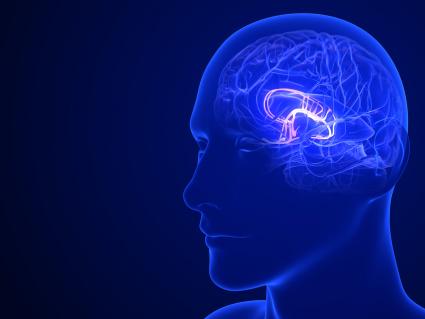
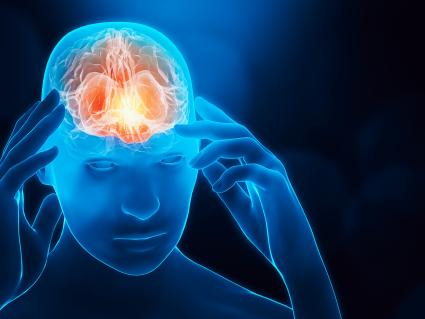
The Limbic System acts as a control center by subconsciously gaining information from our
environment and body. The limbic system consists of a network of structures in the brain
(labeled below) that work to:
➢ Interpret, sort, and categorize sensory input
➢Regulate emotion, cognition, pain, energy, and sensitivity

When in homeostasis, these systems are working together to easily bring us in and out of the Ventral, Dorsal, and Sympathetic states based on our daily experiences. However, when exposed to trauma, whether a single isolated event, or a recurring event(s), the Vagal and Limbic systems can become dysregulated. We may become stuck in a “fight or flight” or an “immobilization” response and have difficulty getting back to the Ventral Vagal state of feeling relaxed and socially connected. Moreover, the Dorsal and/or Sympathetic responses may also become more easily triggered by minor internal/external stimuli. Examples of Triggers of Limbic and Vagal Dysfunction that we commonly encounter include ➢ Tick borne infections, Strep, EBV, Mycoplasma, COVID, mycotoxin illness, environmental exposures, exposure to lived traumatic event(s), and other chronic inflammatory illnesses. When the ANS becomes hyperresponsive, we can experience symptoms affecting both mental and physical health, such as ➢ states of anxiety or panic, increased anger or mood dysregulation, depression, memory loss and other cognitive dysfunction ➢ changes in heart rate, respiration, blood pressure, digestion, sleep, immune function, sexual function, pain, fatigue, sensitivities.
How is Limbic and Vagal Dysfunction Addressed?
There is countless research backing up the use of breathing techniques, meditation, Tai Chi, and yoga to calm the nervous system and promote relaxation. Regular implementation of these techniques is encouraged and helpful. However, there are therapies that are more
specifically targeted towards Vagal and/or Limbic impairment. A few are listed below:
➢ Neuroplasticity
○ Plasticity is defined as “the capacity to be shaped, molded, or altered”. Our
brain has this capacity to essentially “rewire” neural networks that may be
stuck in a certain trauma-based loop.
○ There are research-backed programs out there to explore that focus on
daily guided sessions of Limbic Retraining that focus on the concept of
neuroplasticity. Discuss with your healthcare provider which specific
program(s) might be right for you.
➢ Targeted Exercises
○ Working with a skilled Cranio-Sacral Therapist
○ Various exercises are explained in the book listed below by Cranio-Sacral
therapist Stanley Rosenberg
➢ Vagal Nerve Stimulation Device
○ FDA approved for treatment resistant Depression, Epilepsy, and stroke
rehabilitation.
○ Possible applications may include Chronic pain, Migraines, Gastroparesis,
Cardiovascular Disease, Lung Injury.
➢ …and more. This is a growing field, and new options are continuously being
researched. It is always recommended to have a discussion with your healthcare
provider about which option(s) may be right for your specific situation, as everyone
may respond differently or better to certain therapies based on the trigger of the
dysfunction and symptoms/systems involved.
Addressing Limbic and/or Vagal Dysfunction can be an important piece in the journey of
healing from chronic illness and trauma. It can help promote self-growth, and allow for
deeper, more integrated healing.
Sources
The Polyvagal Theory in Therapy by Deb Dana
Accessing the healing power of the Vagus Nerve by Stanley Rosenberg
https://www.frontiersin.org/jo...
https://www.ncbi.nlm.nih.gov/p...
https://www.dovepress.com/arti...
Limbic and Vagal Dysfunction Related Blog Posts

Limbic and Vagal Dysfunction Related Services
Integrative Cancer Care
KNOW ALL YOUR OPTIONS A cancer diagnosis is stressful, frightening and overwhelming. Making decisions about treatment during this phase is challenging. Conventional oncologists usually recommend only conventional treatment such as chemotherapy, radiation and surgery, but you may be left wondering, "is there something else that can benefit me?" Your cancer consultation at the Stram Center will…Integrative Cancer Care
Ling Gu: Relief for Back Pain and Sciatica

Ling Gu, or "spirit bone," is a point virtually all of my sciatic patients will be familiar with. The point comes from the renowned Tung family style of acupuncture, and is a highly effective acupuncture point for relieving sciatic pain. This point is located on the hand opposite the side of the pain. Find ling ku by searching for a sore spot next to the round, bony end of the 2nd metacarpal (see diagram). Once you have found the sore spot in this area, press the point firmly so that it is sore, and continue pressure for 3-5 minutes. It is best to gently move the lower back by tilting and rotating the pelvis while pressing the point. You should notice pain relief during this process. If not, try pressing the point on the same side as the pain. Using acupressure for ling gu has worked well at need, and provides good temporary relief from the pain, and can help during long car ride, sitting through a movie or getting through a tough day at work. For longer lasting and permanent relief, however, using a needling technique is usually required.
Remember, as always, acupressure should be done with a calm mind and gentle intention. We aren't pushing the body into submission, we are allowing it to open to a healthier pattern.
Living with Chronic Pain

As the weather is getting warmer and we are emerging from our winter hibernations through spring blossoms and soon into early summer, we will see a rise in tick borne infectious disease. Lyme disease is a bacterial infection we get from infected ticks. Symptoms of the initial infection may or may not include a bullseye rash but can also include fever, headache, chills, fatigue, muscle and joint aches, and swollen lymph nodes. If the infection isn’t treated promptly, symptoms can progress into neurological tissue and cause systemic and local inflammation that manifests as arthritis, severe joint and nerve pain, dizziness and cognitive issues, and memory problems.
Sometimes it can be caught early, other times it takes months to years to even be diagnosed. If the illness is left untreated, chronic joint pain and neurological problems like meningitis, Bell’s palsy, numbness or weakness in the limbs, and impaired muscle movement may also occur. In these cases, a comprehensive pain management treatment plan is often beneficial to mitigate symptoms. At the Stram Center, we take a multidisciplinary approach to all of our patients with our multitude of services such as acupuncture, integrative functional medicine, massage therapy, mental health services, and nutrition along with our nurse team delivering amazing IV therapy, saunas, and HBOT (hyperbaric oxygen therapy).
In other cases, Lyme disease and co-infections can be rather stubborn and progress even further into Lyme arthritis. A new study published in Proceedings of the National Academy of Sciences explores why this may be happening. Bacteria have a matrix of protein and sugar, called peptidoglycan, that help protect and keep the contents inside their cell from spilling open. Bacteria tend to like to reduce, reuse, and recycle their peptidoglycan as they reproduce and divide, but the B. burgorferi bacterium is different. It has a structure that renders their peptidoglycan unable to be reused and so it dumps the structure into its surroundings.
This peptidoglycan collects in the joints where B. burgdorferi has inhabited and this is shown by the patients with Lyme arthritis having this peptidoglycan in their joint fluid. The body will produce specific antibodies to the peptidoglycan in the joint fluid which may have a correlation with the uptick in inflammation that contributes to the arthritis pathophysiology. Continuing treatment post infection may be necessary for these patients as the peptidoglycan can remain after the B. burdorferi DNA has been removed and killed off. There are many options available with the Stram Center and we are very excited to help bring this integrative model to our new Burlington office.
Jutras BL, Lochhead RB, Kloos ZA, Biboy J, Strle K, Booth CJ, Govers SK, Gray J, Schumann P, Vollmer W, Bockenstedt LK, Steere AC, Jacobs-Wagner C. Borrelia burgdorferi peptidoglycan is a persistent antigen in patients with Lyme arthritis. Proc Natl Acad Sci U S A. 2019 Jul 2;116(27):13498-13507. doi: 10.1073/pnas.1904170116. Epub 2019 Jun 17. PMID: 31209025; PMCID: PMC6613144


Living with Chronic Pain Related Services
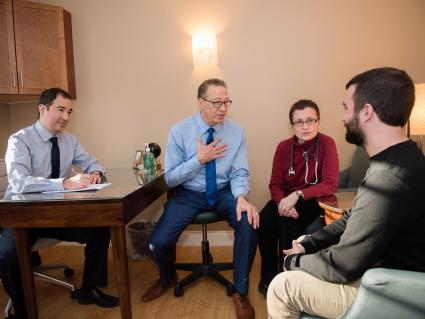
Chronic Illness
Nowhere is the need for an integrative approach more apparent than in the management of chronic illness. We are a synthesis of many systems all working together, and when one or more systems become diseased, all of the others will be stressed as well. From physical challenges, to the challenges of everyday living, to a satisfying quality of life, we have to go past seeing that illness in…Chronic Illness
Lifestyle and Prevention
Nutrition is an essential component to preventative health, and is one of the most modifiable factors in our lives. Embracing a proper diet for your body has the power to positively impact your health on all levels, helping you reach your own distinctive state of wellness.Lifestyle and Prevention
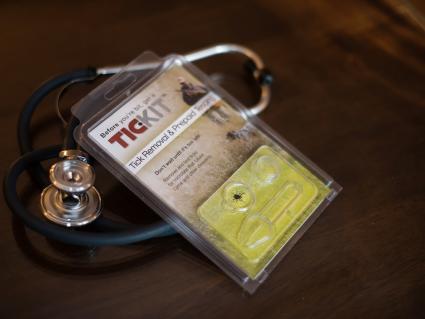
Lyme Disease
Lyme Disease Diagnosis and Treatment in Delmar NY and Burlington VT offices At the Stram Center we vow to continue our education on Lyme Disease research, stay up to date on the most effective testing and all the safe available therapies. Moreover, our years of experience in treating patients according to the whole person-integrative medicine approach allows us the most effective way to care…Lyme Disease
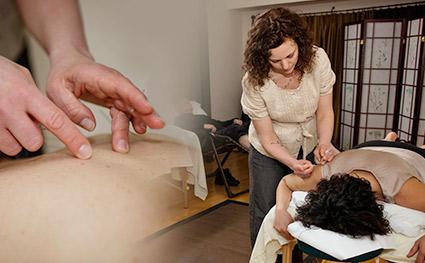
Pain Management
Restorative Pain Solutions Pain can affect every part of our lives. Pain can lead to fatigue, emotional distress and many other challenges in addition to the physical discomfort. The causes of pain can vary widely, and although most people with chronic pain share much in common, every person living with pain has their own story. At the Center, our emphasis is on resolving the source of the pain,…Pain Management
Lyme and Chinese Herbs

Integrating Chinese Medicine for the treatment of Lyme.
Have you seen all the beautiful forsythia blooming? This is the vine-like bush with the bright yellow small flowers. This is a very commonly used herb in the Chinese pharmacopeia used to clear heat and toxicity. After the flowers fall off, leaves grow, and after that, usually around July or August a small capsule-like fruit grows. This is the medicinal part of the plant called Lian Qiao (pronounced ‘leeon chow.’) This is included in a very common and classic herbal formula called Yin Qiao San, used for initial onset of a sore throat with fever, headache and thirst. It is also used in herbal formulas addressing both acute and chronic Lyme disease.
For any practitioner, whether from a Western or Chinese medical approach, naturopathic, integrative or other—Lyme disease can be difficult to treat because the spirochete is such an elusive bacteria that can hide from modern methods of diagnosis and can be stubborn to treatment. Anyone who has had or has Lyme knows how debilitating it can be—physically, mentally, and emotionally. At the Stram Center, we as practitioners go to great lengths to study, research, and continue to work to offer the best treatment options available.
Chinese medicine offers classic and traditional methods of treating modern diseases. And because Lyme is such a complex disease, the treatment using herbs is comprehensive and sophisticated to include those that are anti-pathogenic (the pathogen being the infectious agent(s) from ticks,) herbs that reduce the nervous system inflammation, and also herbs that are nourishing to the body to support the person who may be quite debilitated from the infection, or infections since Lyme is often accompanied by co-infections. So herbs like forsythia are used to push out toxins and other herbs are used as tonics, immune support, pain relievers, digestive support and more. Herbs chosen are of superior quality, sourced using impeccable harvesting and manufacturing processes, and can be integrated to be effective and safe for long-term use. So we are working with the body’s life force, not just against it.
One practitioner of Chinese medicine, Dr. Heiner Fruehauf, who has been treating Lyme for over 20 years, aptly described the way people with Lyme often feel—“as though somebody put a hex on them without anybody being able to see what was really going on.” There are ancient records in Chinese medical texts of these types of patients who are exhausted from the chronic inflammation that has depleted their reserves. This is the case in chronic infections that have gone on undiagnosed, often perplexing medical practitioners, until finally Lyme is detected, or at least suspected. If addressed acutely though, when you know you’ve been bit by a tick and do experience an initial illness, Chinese herbs can be used along side or after antibiotic therapy to greatly increase healing and prevent infection from going chronic. As a two time Lyme survivor myself, I can attest to this!
Dr. Fruehauf says, “from a holistic perspective, it is important we restore the body’s ability to police itself.” This is a basic concept of integrative, naturopathic, and Chinese medicine—that given the right conditions and support, the body has an inherent ability to regulate and heal. This can take a long time when something as noxious as Lyme or its co-infections has set in, but healing is possible and we are here to support you.
Sources:
The Journal of Chinese Medicine “Driving out Demons and Snakes, Gu Syndrome, A Forgotten Clinical Approach to Chronic Parasitism” by Heiner Fruehauf, May 1998.
Classical Pearls Herbal Formulas Clinical Reference Guide “Lyme Disease: An In-Depth Interview with Heiner Fruehauf,” 2012.
Materia Medica Essentials of Chinese Medicine by Dafang Zeng, 2003.
LYME DISEASE - AN URGENT APPEAL FOR REFORM: We Need Your Help!

The Lyme Disease Treatment Guidelines, authored by the Infectious Diseases Society of America (IDSA), are currently undergoing review. While there are multiple perspectives regarding the best treatment protocols for Lyme disease, and two professional medical societies that specialize in the diagnosis and treatment of Lyme disease, the CDC and the nation's insurance companies have historically selected the guidelines authored by the IDSA to be the sole voice for treatment advice for this highly complex and insufficiently understood illness. This has laid the groundwork for a lack of adequate treatment for hundreds of thousands of Lyme disease patients who have endured, and will continue to endure serious, persistent illness.
HOW CAN YOU HELP?
For your voice to be heard, it is recommended that you send a letter to your Congressional Representatives. To find your legislators CLICK HERE and enter your zip code. Deadline is April 9, 2015.
SAMPLE LETTER:
Dear Senator /Congress member: (FILL IN APPROPRIATE NAME) I (or We) seek your intervention to ensure that the new treatment guidelines for Lyme disease, currently in the process of being drafted by the
Infectious Diseases Society of America (IDSA), will result in guidelines that reflect a complete, fair, transparent, and trustworthy process in accordance with the Institute of Medicine's "Standards for Developing Trustworthy Clinical Practice Guidelines," and also be free of conflicts of interest and demonstrate an inclusion of the entire body of scientific evidence.
I (or We) ask for your attention to this matter because historically the IDSA treatment guidelines have been the only ones endorsed by the NIH and the CDC. Since 2002, IDSA guidelines have been limited and restrictive,
resulting in the failure of patients to be informed about their treatment options and the use of such guidelines by insurance companies to deny essential medical care to patients with persistent Lyme disease symptoms, which, in many cases, leads to long term suffering and disability. To ensure the safety and well-being of your constituents, I (or We) ask you to please intervene.
I (or We) respectfully request that you:
1) Please send a letter to the IDSA Directors reminding them that their review should be unbiased and representative of all available science (sample
letter is below and IDSA Directors are listed in APPENDIX E)
2) Please send a copy of your letter to the CDC, so they will be aware that biased guidelines might initiate further inquiry.
Background and resource information is attached in a pdf file, for your review.
Your immediate attention to this issue would be appreciated as the IDSA comment period closes on April 9, 2015.
Sincerely,
Patient/advocate to fill In your name and affiliation here
Lyme Disease and Craniosacral Therapy
This has been a bumper year for ticks and that has resulted in as big a year for Lyme disease here in the Northeast. While craniosacral therapy can’t treat or cure Lyme disease, it can definitely make a big difference in the amount of pain and discomfort you find yourself in and helps speed the healing process.
Lyme disease often results in muscle, joint, and nerve pain as well as fuzzy thinking and cognitive and neurological problems. Craniosacral therapy can be a big help in coping with and easing the symptoms and may actually help speed the healing. It improves and balances the flow of the fluids (cerebrospinal fluid) bathing the brain and spinal cord, which in turn helps calm and relax the entire nervous system. . If you are more relaxed you are in less pain and the neurological effects can be eased. (I personally find craniosacral therapy to be the most relaxing therapy I ever have experienced, and I get sessions monthly without fail, just to maintain my health). Craniosacral therapy also stimulates your immune system so that your own body can heal faster. Once you are on the mend, combinations of craniosacral therapy with massage, lymphatic drainage, and positional release therapy can ease any lingering discomfort. If anyone you know is dealing with lyme disease, tell them to try craniosacral therapy to help them get through it.
Lyme Disease and Hyperbarics | Turning the Corner on Treatment
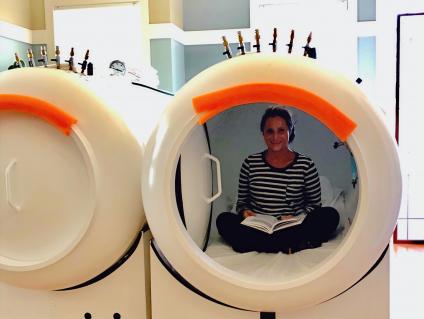
The healing benefits of Hyperbaric Oxygen Therapy (HBOT) and Lyme.
Why it works
The tick-borne bacterium or spirochete (Borrelia burgdorferi) protects itself by creating a biofilm to hide from its host’s immune system. Nestling in tissues further protected by creating inflammation, and evading blood flow, Borrelia can often lie dormant for years. Often antibiotic therapies fall short of providing symptomatic relief, especially when blood flow cannot reach the bacteria so well guarded. With hyperbaric oxygen therapy (HBOT) the plasma becomes saturated with a high load of oxygen, not otherwise possible, resulting in an elevation of tissue oxygenation, bypassing the need for hemoglobin carried by red blood cells. Now, the bacteria hiding from its hosts immune warfare carried by blood, has nowhere to hide from the deluge of oxygen, which is lethal to this bacteria. Further, increased oxygen levels from HBOT can increase white blood cell activity and enhance the efficiency of bactericidal action of white blood cells.
Hyperbaric Oxygen Therapy Effects
On Neurological Conditions Associated with Lyme
Benefits include: Decreases neuroinflammation; enhances short term memory, reduces chronic fatigue; ameliorates chronic headaches; lessens depression; moderates insomnia.
On Mobility Improvement
Benefits include: Diminishes inflammatory-related arthritic pain; lessens muscle discomfort; increases energy levels.
On Antibacterial Activity
Induces angiogenesis to mobilize blood flow to affected tissue and bone; augments antibiotic intervention by driving spirochete out of biofilms; enhances white blood cell and immune activity; improves antibiotic cell wall penetration; increases oxygen free radicals to combat the Borrelia organism.
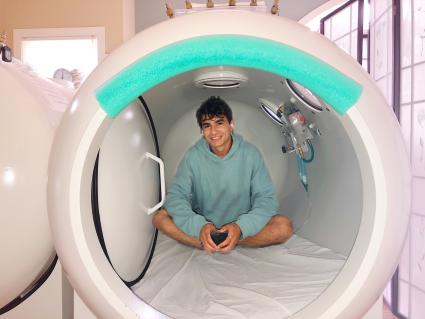
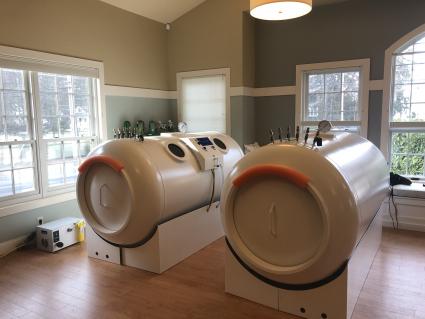
The Stram Center is the only free standing medical clinic offering high pressure steel chamber hyperbaric oxygen therapy in the greater New York State. Learn more about HBOT.
Lyme Disease and Hyperbarics | Turning the Corner on Treatment Related Blog Posts


Lyme Disease and Hyperbarics | Turning the Corner on Treatment Related Services
Hyperbaric Oxygen Therapy
Dedicated to treating the root cause of illness and using the most advanced integrative methods in a safe environment, the Stram Center for Integrative Medicine, under the medical supervision of Dr. Ron Stram, will utilize the benefits of hyperbaric oxygen therapy (HBOT) to complement and enhance the healing process in both chronic and acute conditions of our patients. You will…Hyperbaric Oxygen Therapy
Lyme Disease
Lyme Disease Diagnosis and Treatment in Delmar NY and Burlington VT offices At the Stram Center we vow to continue our education on Lyme Disease research, stay up to date on the most effective testing and all the safe available therapies. Moreover, our years of experience in treating patients according to the whole person-integrative medicine approach allows us the most effective way to care…Lyme Disease

IV Therapy for Chronic Illness
Chronic illnesses are on the rise in the US. From chronic Lyme disease, cancers, chronic fatigue, pain and more – patients are attempting to live their best lives while fighting a battle within. A patient’s response to chronic illness is unique – based upon many factors ranging from emotional response to the disease, individual physical symptoms, immune response and the duration of the…IV Therapy for Chronic Illness
Lyme Disease and Hyperbarics: Turning the Corner on Treatment
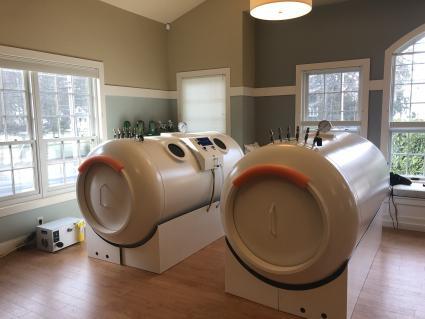
The Stram Center is the only free standing medical clinic offering high pressure steel chamber hyperbaric oxygen therapy in the greater New York State. Read how concentrated oxygen can help fight Lyme.
Lyme Disease and Hyperbarics: Turning the Corner on Treatment
Why it works
The tick-borne bacterium or spirochete (Borelia burgdorferi) protects itself by creating a biofilm to hide from its host’s immune system. Nestling in tissues further protected by creating inflammation, and evading blood flow, Borelia can often lie dormant for years. Often antibiotic therapies fall short of providing symptomatic relief, especially when blood flow cannot reach the bacteria so well guarded. With hyperbaric oxygen therapy (HBOT) the plasma becomes saturated with a high load of oxygen, not otherwise possible, resulting in an elevation of tissue oxygenation, bypassing the need for hemoglobin carried by red blood cells. Now, the bacteria hiding from its hosts immune warfare carried by blood, has nowhere to hide from the deluge of oxygen, which is lethal to this bacteria. Further, increased oxygen levels from HBOT can increase white blood cell activity and enhance the efficiency of bactericidal action of white blood cells.
Hyperbaric Oxygen Therapy Effects
On Neurological Conditions Associated with Lyme
Benefits include:
Decreases neuroinflammation; enhances short term memory, reduces chronic fatigue; ameliorates chronic headaches; lessens depression; moderates insomnia.
On Mobility Improvement
Benefits include:
Diminishes inflammatory-related arthritic pain; lessens muscle discomfort; increases energy levels.
On Antibacterial Activity
Induces angiogenesis to mobilize blood flow to affected tissue and bone; augments antibiotic intervention by driving spirochete out of biofilms; enhances white blood cell and immune activity; improves antibiotic cell wall penetration; increases oxygen free radicals to combat the Borelia organism.
The Stram Center is the only free standing medical clinic offering high pressure steel chamber hyperbaric oxygen therapy in the greater New York State. Learn more about HBOT.
Lyme Disease and Mental health

For those who are not diagnosed and treated in the early phases of Lyme disease, symptoms can progress to affect almost every part of the body. Some people present with chronic pain, some with autoimmune diseases, and some with predominantly neurological symptoms. Neurological Lyme often includes sudden changes in mood which can impact a person’s day to day life functions.
Early in the process of conventional medicine’s struggle to characterize chronic or post-treatment Lyme disease, psychologists noticed that some of their patients with anxiety and depression were presenting with other co-occurring symptoms. Depression, anxiety, and irritability presented with fatigue, pain, light and sound sensitivity, cognitive problems and numbness and tingling of the extremities. Depression and anxiety that is related to tick borne illness may not respond to treatment with traditional antidepressant medications.
Traditional psychotropic medications are designed to support the balancing of neurotransmitters, like serotonin. However, mood changes related to tick borne infection do not respond to traditional medications as they are not caused by neurotransmitter imbalances. The depression, anxiety, and irritability as a result of Lyme disease is due to encephalopathy, or in other words, a disease process happening in the brain. Inflammation, infection, lack of blood flow or damage to parts of the brain is to blame, therefore it is important that your practitioners are Lyme literate when treating complex mental health conditions like depression.
Diagnosing and treating infection and inflammation may improve mental health where traditional antidepressant medications fail. Anxiety and depression associated with Lyme disease can be severe, extreme, or last for extended periods of time. This severity of Lyme-associated depression and the sense of isolation associated with this complex illness is well known by Lyme-literate physicians and patients.
Research done by Columbia University Irving Medical Center and the Copenhagen Research Centre for Mental Health, found that patients in Denmark who received a hospital diagnosis of Lyme disease had a 28% higher rate of mental disorders and were twice as likely to have attempted suicide post infection than individuals without a Lyme diagnosis (Fallon, B. A., The American Journal of Psychiatry, Vol. 178, No. 10, 2021). This study helps us understand that having Lyme disease puts one at greater risk of poor mental health and suicidality than the general public.
At the Stram Center we encourage those suffering with chronic illness to have mental health support as part of treatment. Our licensed mental health counselor, Danielle Stram, understands the intersection of Lyme disease and mental health and is here to help you navigate life’s challenges.
Therapy is important to help cope with the stress and changes that are involved with being sick and the healing process. If you or someone you know is suffering from Lyme disease, depression, and is at risk for suicide please reach out for help. You can now reach a national suicide and crisis hotline by dialing 988 if you are experiencing an emergency. Please make sure that you speak with your doctor about how you are doing mentally as you go through treatment.
Lyme Disease and Mental health Related Blog Posts





Lyme Disease and Mental health Related Services
Lyme Disease
Lyme Disease Diagnosis and Treatment in Delmar NY and Burlington VT offices At the Stram Center we vow to continue our education on Lyme Disease research, stay up to date on the most effective testing and all the safe available therapies. Moreover, our years of experience in treating patients according to the whole person-integrative medicine approach allows us the most effective way to care…Lyme Disease

Mental Health Counseling
At the Stram Center, we recognize that mental health is often the basis of your potential to navigate life’s challenges as well as to heal from physical illness. Understanding your full self, including traumas and difficulties you may have experienced, is often the first step to learn what your unique strategies are in the face of life’s difficulties. Quality healthcare should include support…Mental Health Counseling
Naturopathic Medicine
Much like a general practitioner, a naturopathic doctor manages a broad range of health conditions affecting all people of all ages. However, naturopathic medicine is a distinct system of primary health care, distinguished by the healing principles upon which its practice is based.Naturopathic Medicine
Lyme Disease in Children

Lyme Disease in children can be elusive, often dismissed and/or undertreated. As adults it is easy for most to identify and relate symptoms that we may be feeling, however as a child, it can be difficult to put symptoms into words or even voice that something may be wrong. It is important to keep Lyme Disease as a differential diagnosis when a child may have vague complaints or a parent or caregiver notices changes in a child’s behavior. Children with Lyme Disease may exhibit exhibit headache, irritability, fever, unilateral limb pain or joint pain, fatigue, lack of motivation or change in behavior, facial palsy, rash/erythema migranes, lymphadenopathy, myalgia, carditis and aseptic meningitis. These symptoms are all seen fairly “early” in disease manifestation, within a few weeks to months.
Lyme Disease is caused by pathogenic genomospecies of the spirochete Borrelia burgdorferi. This is the most common cause of Lyme Disease in the United States. Less often other genomospecies include Borellia mayonii that is more likely seen in Mid-western states. In Europe and Asia Borellia afzelii and Borellia gariniii are more often seen (Stanek, Wormser, Gray & Strle, 2012).
Children with Lyme Disease may exhibit headache, irritability, fever, unilateral limb pain or joint pain, fatigue, lack of motivation or change in behavior, facial palsy, rash/erythema migrans, lymphadenopathy, myalgia, carditis and aseptic meningitis. These symptoms are all seen fairly “early” in disease manifestation, within a few weeks to months. “Late” manifestations can include any of these symptoms and more commonly joint pain or “lyme arthritis” (Clin. Infect Dis, 2021). Lyme arthritis commonly affects one joint at a time, however multiple joints can also be affected. Knee pain is the most common joint affected in 90% of pediatric cases according to Lantos, Lipsett & Nigrovic, 2016.
It is important to keep in mind a child’s risk for exposure to an endemic area or history of a tick bite in the past. It is not unusualfor children to have a tick bite and never see the tick. It is important to build prevention strategies into a child’s daily routine such as checking prime spots around the hair line or in the hair, behind ears, around edges of clothing or warm places on the body including the groin or arm pits. If you see a tick bite and/or remove the tick, it is important to send the tick in for testing to guide potential treatment.
In early Lyme (within the first few weeks after exposure to a tick), a blood work evaluation may not be helpful in diagnosis. As in adults, early serological testing is not sensitive enough to be helpful with a confirmed diagnosis. For example, in a study including over 200 children with Lyme Disease, only 19% of those had a positive Immunoglobulin (IgG) for BorreliaBurgdorferi at the time of presentation with a rash (erythema migrans) (Gerber MA, Shapiro ED, Burke GS, Parcells VJ, Bell,1996). If Lyme Disease is not recognized and treated early, the spirochete enters the bloodstream and then transfers to the tissues throughout the body, including joints, central nervous system and even the heart (Steere, 1989).
The longer a child has Lyme Disease and the later the testing takes place, it is more likely that the testing will not be as helpful for diagnosis, as the body may decrease its antibody production over time.
Resources
1. Bachman DT, Srivastava G. Emergency department presentations of Lyme disease in children. Pediatr Emerg Care 1998; 14:356.
2. Gerber MA, Shapiro ED, Burke GS, et al. Lyme disease in children in southeastern Connecticut. Pediatric Lyme Disease Study Group. N Engl J Med 1996; 335:1270.
3. Lantos PM, Lipsett SC, Nigrovic LE. False Positive Lyme Disease IgM Immunoblots in Children. J Pediatr 2016; 174:267.
4. Seltzer EG, Shapiro ED. Misdiagnosis of Lyme disease: when not to order serologic tests. Pediatr Infect Dis J 1996; 15:762.
5. Shapiro ED, Gerber MA. Lyme disease. Clin Infect Dis 2000; 31:533.
6. Steere AC. Lyme disease. N Engl J Med 1989; 321:586.
7. Bachman DT, Srivastava G. Emergency department presentations of Lyme disease in children. Pediatr Emerg Care 1998; 14:356.
Lyme Disease in Children Related Blog Posts


Lyme Disease in Children Related Services
Chronic Illness
Nowhere is the need for an integrative approach more apparent than in the management of chronic illness. We are a synthesis of many systems all working together, and when one or more systems become diseased, all of the others will be stressed as well. From physical challenges, to the challenges of everyday living, to a satisfying quality of life, we have to go past seeing that illness in…Chronic Illness
Integrative Medicine
Integrative medicine is the blending of conventional medicine with holistic, complementary, and alternative medicine. Integrative Medicine is defined as healing-oriented medicine that takes account of the whole person (body, mind, heart and spirit), including all aspects of lifestyle. It emphasizes the therapeutic relationship and makes use of all appropriate therapies, both conventional and…Integrative Medicine
Lyme Disease
Lyme Disease Diagnosis and Treatment in Delmar NY and Burlington VT offices At the Stram Center we vow to continue our education on Lyme Disease research, stay up to date on the most effective testing and all the safe available therapies. Moreover, our years of experience in treating patients according to the whole person-integrative medicine approach allows us the most effective way to care…Lyme Disease