How to be Proactive with Your Breast Health
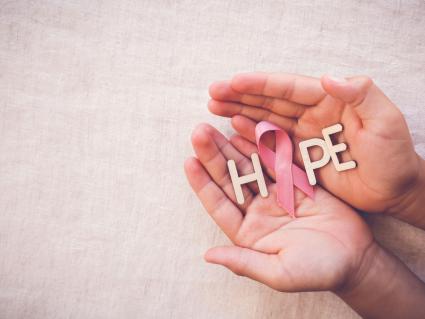
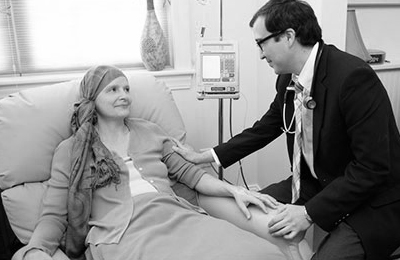
Whether you have lost a loved one, survived the trauma of defeating cancer, or simply would like to prevent cancer from growing in your body, we are here to listen. Our Integrative Medicine approach is based on caring practitioner-client partnership that incorporates the best of conventional Western medicine with alternative and complementary therapies resulting in a safer, more natural, whole body approach to stimulate healing. Prevention of breast cancer is linked with lower levels of alcohol intake, as alcohol increases circulation of both androgens and estrogens.
Studies have shown that consuming more than one alcoholic beverage per day relates to cancer development. Our environment can expose us to xenoestrogens, which can mimic estrogen in the body and increase your risk for breast cancers. To avoid your exposure to these toxins, always look paraben free cosmetic and household products.
Chronically ill patients in northern climates tend to have lower levels of Vitamin D deficiency. There is strong research that shows that Vitamin D is an immunity boosting, anti-cancer preventative. Therefore, it is important to test your blood levels frequently for Vitamin D levels, especially during the winter months.
In order to feel your best both on the inside and outside, you must maintain your body’s healthy weight and remain physically active. Lower levels of breast cancer is typically found in women with healthy body weights who exercise frequently and follow a majority plant-based diet. Therefore, nutritional therapy and lifestyle changes is a must for preventing cancer.
In the body, estrogen is broken down into various metabolites that can be either protective (2-hydroxyestrones) or permissive (16-hydroxyestrones) for breast cells in terms of vulnerability to cancer transformation. Dietary measures such as consumption of cruciferous vegetables and phytoestrogens (ground flaxseed) can improve the body's resistance for breast cancer development. It is important to monitor your levels of sugar, as high insulin levels can lead to weight gain and contribute to cancer growth. An important dietary factor for cancer prevention is the consumption of omega-3 fatty acids (EPH/DHA), which are found in fish, fish oil, walnuts, walnut oil, and others. There have been correlational studies linking a reduction in breast cancer for post and pre-menopausal women and consumption of fish oil.
A stressful environment creates a more vulnerable immune system, which can cause cancer cells to spread. However, when you are in a relaxed (parasympathetic nervous system) state, your immune system is more resilient. Therefore, take time for yourself, practice mind-body therapies, and do not be afraid to ask for help.
How to be Proactive with Your Breast Health Related Services
Cancer Care
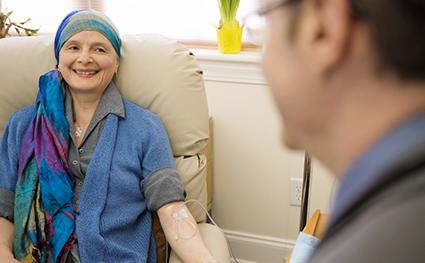
Integrative Oncology at the Stram Center The Center offers a wide variety of cancer care treatments — including IV therapy, hyperbaric oxygen therapy, acupuncture, medical massage and clinical nutrition — to combat cancer cells, help boost your immune system, reduce the side effects of chemotherapy and radiation, increase your energy, reduce anxiety and…Cancer Care
Integrative Medicine
Integrative medicine is the blending of conventional medicine with holistic, complementary, and alternative medicine. Integrative Medicine is defined as healing-oriented medicine that takes account of the whole person (body, mind, heart and spirit), including all aspects of lifestyle. It emphasizes the therapeutic relationship and makes use of all appropriate therapies, both conventional and…Integrative Medicine
Integrative Cancer Care
KNOW ALL YOUR OPTIONS A cancer diagnosis is stressful, frightening and overwhelming. Making decisions about treatment during this phase is challenging. Conventional oncologists usually recommend only conventional treatment such as chemotherapy, radiation and surgery, but you may be left wondering, "is there something else that can benefit me?" Your cancer consultation at the Stram Center will…Integrative Cancer Care
How to Combat the Anti-Aging Process with Intravenous (IV) Therapies
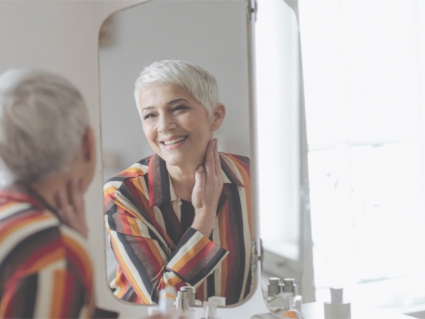
As we get older how do we combat the natural effects of the aging process? First, we have to look at some of the main factors that cause the symptoms of aging and degeneration. These symptoms include fatigue, muscle weakness or muscle loss, reduced stamina and endurance, poor memory and cognition, and chronic inflammation and pain. Many of these symptoms are inter-related and do not always have a singular cause. Addressing some of the root causes can start to reverse aging symptoms and therefore slow the aging process. Let’s look at what happens at the cellular level as we age…
The cells that make up organs, muscle, and connective tissue all have specific duties. Healthy cells must be able to create energy from oxygen, sugar, and fat. This metabolic process creates chemical “free radicals” and waste products that need to be removed from cells. The process of aging is a slow deterioration of the ability of cells to properly create energy.
What affects the health of the cells? Chemical reactions and metabolic processes create free radicals that are unstable and cause damage to cells. Anti-oxidants have the ability to stabilize the free radicals and therefore reduce damage to cells. When there are not enough anti-oxidants to stabilize the free radicals, it is referred to as oxidative stress (or oxidation). Over time, too much oxidative stress leads to cellular damage. If the damage is to the structures that produce energy such as mitochondria , then we get loss of energy production which will lead to fatigue, muscle loss, weakness, and cognitive issues. If there is damage to the nucleus where DNA is built, it can lead to cancer. Examples would be sun exposure, leading to skin cancer, and smoking, leading to lung cancer.
How can we combat this damage? Reducing exposure to specific elements that cause damage is important. Consuming nutritious food high in anti-oxidants, low in sugar (sugar increases oxidative stress), and plenty of clean water is critical. Since aging involves oxidation and a reduced ability to reduce energy, we can try to incorporate ways to slow or reverse this by increasing anti-oxidants, which leads to reduction in free radical damage.
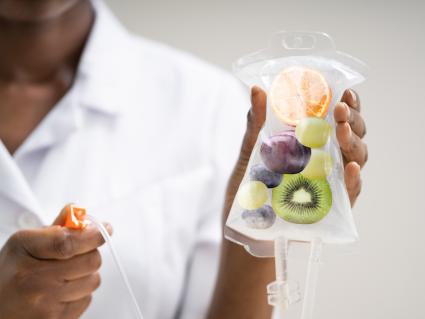
Intravenous (IV) anti-oxidant therapy is a fast way to overcome oxidative stress!
IV vitamin C at doses less than 15,000mg or 15 grams acts as a great anti-oxidant. Vitamin C has properties that can stabilize free radicals. Many animals can synthesize vitamin C from glucose, but humans cannot. Therefore, IV vitamin C is a beneficial way for absorption. IV vitamin C works wonders for our immune system as it helps fight infections and decrease inflammation. Infections and inflammation also cause damage to cells over time that negatively affect their function.
IV glutathione is another great way to increase cellular anti-oxidant levels. Glutathione is our body’s most powerful anti-oxidant; it stabilizes free radicals to reduce oxidative stress and inflammation. Glutathione is also important for removing chemicals and waste products from cells. Therefore, IV glutathione is beneficial for many degenerative diseases; such as diabetes, autoimmune, cardiovascular, and neurologic diseases.
IV nicotinamide adenine dinucleotide, or NAD+, can significantly improve the cell’s ability to produce energy. NAD+ is a product of vitamin B3, or niacin, and is involved as a co-factor in energy production cycle within cells. Our bodies can produce NAD+ from niacin, however, as we age, NAD+ production decreases. Reduction in NAD+ along with damage and down regulation of mitochondria further reduces cellular capacity of energy production. Introducing IV NAD+ can help combat symptoms of fatigue, low stamina, and poor memory and focus.
To reverse aging, we must be able to create cellular energy. We have to decrease the oxidative stress that leads to damage of cells and increase factors that assist in energy production. A wellness program that includes proper diet and nutrition, supplementation, oxygen and IV therapies can decrease oxidative stress and increase energy levels, thus allow you to feel your best!
How To Love Your Thyroid
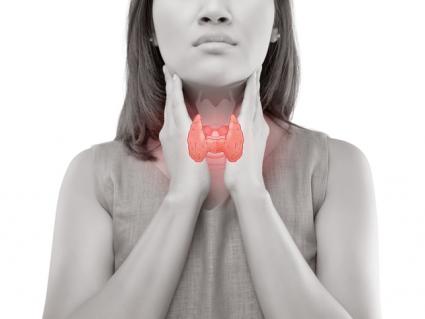
Why it's important to care for and listen to your thyroid.
The thyroid gland, located in the neck, is responsible for producing many important hormones. These hormones influence our metabolism, regulate our stress response, and impact overall energy. With this hefty job it’s no wonder our thyroid can get overworked. Additionally, this mighty gland can also undergo attack if the body is infected or fighting off illness.
Knowing there’s a lot our thyroid is responsible for, there’s a lot we can do to give it a little love. Managing our stress and giving it the nutrients it needs are great ways to help it heal and equip it for its many functions. Some foods to consider including in your regular diet are:
- Nuts, especially Brazil nuts, macadamia nuts, and hazelnuts for their potent selenium content
- Fatty fish, such as salmon, cod, sea bass, haddock, or perch
- Eggs
- Seaweed, kelp
- Moderate salt for iodine content
Some foods can certainly be damaging and are best avoided, not only because of their impact on the thyroid but overall health. It’s best to limit or avoid:
- Highly processed foods
- High gluten intake
- Toxins from plastic or unfiltered water
- Chemicals such as artificial coloring and sweeteners
When the thyroid is fatigued, inflamed, or otherwise not operating properly, we don’t feel so good. Some of the symptoms to look out for include:
- Extreme fatigue
- Chronic illness (just can’t seem to shake that cold or frequently sick)
- Weight gain or inability to lose weight
- Sleep disturbance, insomnia
- Headaches
- Skin issue
- Depression, irritability, or mood disruption
- Temperature imbalance (too hot, too cold)
- Brain fog
- Digestive issues (constipation, diarrhea, gas/bloating, and food sensitivities)
If you find yourself identifying with some of these symptoms, we’d love to help! Make an appointment with our providers and get started on a path to feeling better.
How to Recognize and Prevent Lyme Disease

This month is Lyme disease awareness month. As the number of cases continue to increase year after year, one must be knowledgeable about how to recognize and prevent this elusive and challenging disease. Lyme disease is a spirochetal bacterial infection transmitted by deer ticks. In the late 1970s in Lyme, Connecticut, a group of children started having symptoms that included rashes, fevers, and swollen joints. In 1982 a scientist by the name of Wilhelm “Willy” Burgdorfer, found spiral shaped bacteria while investigating deer ticks on Long Island. He then looked at deer ticks in CT and found the same spiral bacteria that are now known as Borrelia Burgdorferi.
How Does Lyme Transmit to Humans?
Deer ticks, the primary vector of Lyme disease, have 4 life stages that occur over 2 years. There is an egg stage and 3 growth stages: larva, nymph, and adult. Eggs will hatch into larva in the fall and larva will feed on animals such as mice, other rodents, and birds over. If these animals are infected with Lyme, then the larva will become infected. The infected larva molt into infected nymphs and will begin to look for their next “blood meal” in the early spring and summer. Most Lyme infections are transmitted to humans and animals during this this stage of feeding. Since nymph ticks are about the size of a poppy seed, they are often times difficult to detect. Feeding times of greater than 24 hours incur higher risks of Lyme infection, but it has been shown that infection can be transmitted with less than 24 hours of attachment. Adult ticks can transmit Lyme, but since they are much larger than nymphs, they are often found and removed in a shorter period of time.
What Happens After you are Bit by a Tick?
After a tick bite, symptoms can develop within several days. If the area of attachment becomes extremely red or swollen, this may be the start of an immune reaction towards bacteria. If a rash develops, it can present as a “bulls-eye” looking rash, or a completely solid red rash. A tick bite and subsequent development of a rash is diagnostic for a Lyme infection and treatment should be initiated immediately. However, if no rash develops, this does not mean an infection has not been transmitted. Multiple studies have shown a great variance in the occurrence of a rash, from as low as 10% and as high as 80%. Therefore, the rash is not the only sign or symptom to look out for. Other symptoms associated with early infection are headaches, joint pain and/or swelling, fatigue, and fevers. Often similar to “flu-like” symptoms,if these symptoms present in late spring, summer, or early fall when the flu virus is not present, then in an endemic area, it is likely a Lyme infection or other tick-borne infection.
What about Prevention? Home remedies.
Ticks tend to be close to the ground, in brush, and taller grass. Commercially available tick tubes can be placed in a perimeter around your yard. Containing specially formulated permethrin soaked cotton, these tubes actually target mice that use the cotton. When ticks feed on the mice, the permethrin is transmitted to the tick, and therefore, the tick is killed. The tubes are considered safe for animals, people, and the environment. It is advised not to make your own tubes, as the permethrin in-store bought tubes is specifically made for this purpose.
What about Prevention? Hiking and camping remedies.
If you frequently go hiking, camping, fishing, or hunting, then you should consider treating your clothes, shoes and gear with permethrin spray. Clothes can be self-treated or even purchased pretreated. Self-treated clothes can last about 6 weeks or through 6 washings. However, purchased pretreated clothes can last even longer. Though permethrin is also used as a shampoo to treat head lice, it is not recommended to use directly on the skin for tick prevention. Natural formulations often include essential oils of neem, lavender, eucalyptus, peppermint, castor, and garlic. Plus, try wearing light colored clothing when you are outside. Considering ticks are dark in color, they would be more visible against lighter colored clothing.
What do I do if I was Bit by a Tick?
Since time of attachment is important in transmitting infection, it is best if the tick can be quickly found and removed. If the tick is attached less than six hours the likelihood of infection is very low, but it is not a zero chance. At 24 hours or more, the risk starts to increase at much higher rates. At 36-48 hours of attachment, an infected tick will very much likely transmit the infection. However, the time of attachment is often unknown. Sometimes it is obvious such as a recent hike or yard work, but other times it may not be as obvious… such as a 4 day backpacking, camping, or hunting trip.
This is why regular tick checks are very important. Check yourself, children, and pets regularly. Ticks can crawl to any location on the body, but tend to like the neck, back of ears, scalp, groin, and legs.
Once removed the tick can be sent in for testing. Currently there is www.tickcheck.com and www.ticknology.org. For a nominal fee, the ticks can be tested for multiple species of Borrelia and several other tick-borne infections such as anaplasmosis and babesiosis. If a tick tests positive, it does not confirm actual infection, as time of attachment is an important determination of possible infection. In certain cases, prophylactic or preventative treatment may be initiated.
In the next blog post that will be available later this month, I will discuss other tick-borne infections, testing, and coinfections!
References:
1)Int J Gen Med. 2015; 8: 1–8.
Published online 2014 Dec 19. doi: 10.2147/IJGM.S73791
PMCID: PMC4278789
PMID: 25565881
Lyme borreliosis: a review of data on transmission time after tick attachment
Michael J Cook
https://www.ncbi.nlm.nih.gov/p...
How to Recognize and Prevent Lyme Disease Related Blog Posts
How to Recognize and Prevent Lyme Disease Related Services
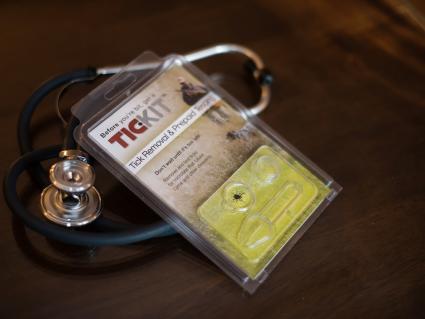
Lyme Disease
Lyme Disease Diagnosis and Treatment in Delmar NY and Burlington VT offices At the Stram Center we vow to continue our education on Lyme Disease research, stay up to date on the most effective testing and all the safe available therapies. Moreover, our years of experience in treating patients according to the whole person-integrative medicine approach allows us the most effective way to care…Lyme Disease
How to Support Estrogen Detoxification Naturally

Following the article on Estrogen Detoxification: Importance on Health ,learn more about how to support estrogen detoxification, naturally.
1. Optimize Liver Function: The liver is the primary site for estrogen metabolism, so keeping it healthy is essential.
• Consume cruciferous vegetables (broccoli, cauliflower, Brussels sprouts) – Rich in indole-3-carbinol (I3C) and diindolylmethane (DIM), which promote beneficial estrogen metabolism.
• Increase fiber intake – Helps bind excess estrogen and promote its excretion via the gut.
• Support methylation – Consume foods rich in B vitamins (B6, B12, folate) like leafy greens, eggs, and legumes.
• Reduce alcohol and processed foods – These can burden the liver and impair estrogen detoxification.
2. Maintain Gut Health: A healthy gut microbiome plays a crucial role in estrogen elimination.
• Eat probiotic-rich foods (yogurt, kefir, sauerkraut) – Supports gut bacteria that aid in estrogen breakdown.
• Reduce beta-glucuronidase activity – This enzyme can lead to estrogen reabsorption; it is kept in check by fiber and probiotics.
3. Support Phase 2 Detox Pathways
• Magnesium – Essential for methylation and overall detox function.
• Sulfur-rich foods (onions, garlic, eggs) – Support sulfation for estrogen elimination.
• Turmeric (curcumin) – Enhances liver detoxification and has anti-inflammatory benefits.
4. Reduce Exposure to Xenoestrogens: Xenoestrogens are synthetic compounds that mimic estrogen in the body, leading to hormonal imbalances.
• Avoid plastic containers and BPA – Use glass or stainless steel instead.
• Choose organic foods – Pesticides and herbicides can act as endocrine disruptors.
• Use natural personal care products – Many cosmetics contain hormone-disrupting chemicals.
5. Exercise Regularly: Physical activity supports estrogen metabolism by promoting circulation and encouraging the elimination of excess hormones through sweat and bowel movements. Strength training and high-intensity interval training (HIIT) are particularly effective.
Estrogen detoxification is essential for maintaining hormonal balance and overall health. Specialized testing is available at the Stram Center to monitor these pathways through blood, urine, and functional GI test. By optimizing liver function, improving gut health, supporting key detoxification pathways, and reducing exposure to harmful environmental estrogens, you can help your body process and eliminate excess estrogen effectively. Making these lifestyle changes could lead to improved energy, hormonal balance, and reduced risk of estrogen-related health issues.
How to Support Estrogen Detoxification Naturally Related Blog Posts


How We Can Expand our Options for Female Pattern Hair Loss in the Integrative & Functional Medicine setting
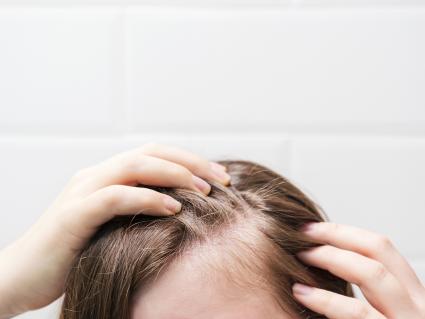
Hair loss is a common condition seen in healthcare today and subsequently, there are multiple different disorders related to hair loss. Today, we will be discussing the most common type of nonscarring hair loss in females, female pattern hair loss (FPHL), also known as androgenic alopecia. We will be discussing how Integrative & Functional Medicine can expand our options for successful treatment outcomes including the use of Platelet Rich Plasma (PRP).
FPHL is characterized by a gradual loss of hair in the frontal and topmost areas of the scalp, typically leaving the frontal hairline unaffected. There is not one known established cause of FPHL. Rather, the cause(s) are multifactorial, involving a combination of genetic predisposition, environmental influence, and hormonal factors.
Science suggests there is an interplay between chronic microinflammation surrounding the hair follicles and an imbalance in reactive oxygen species (ROS), or a group of highly reactive oxygen-containing molecules. The build up of ROS leads to oxidative stress, causing damage to the hair follicle and surrounding cells over time..
The resulting visible reduction of hair density can have a significant impact on quality of life and cause psychosocial distress in those affected. About 12% of females will develop FPHL by age 29, with 25% by age 49, and 41% by age 69.
Considering its prevalence, there are only a limited number of conventional treatment options currently available for FPHL. The two main FDA-approved medications for hair loss include Minoxidil and Finasteride, the latter of which is only FDA approved for men. These options come with several potential side effects, and typically have to be taken long term to maintain the desired effects. They also do not work for everyone. Given the lack of variety and effectiveness of current options, there has been an ongoing search for improved solutions.
We have seen a significant increase in patient interest for other therapeutic options that support hair growth, especially in the female population. When you work with a provider in Integrative & Functional Medicine, assessing for and addressing underlying contributing factors to hair loss will be at the foundation of addressing FPHL.
We achieve optimal outcomes with a personalized approach. We assess dietary influences, not only including what we eat, but how we eat and how our body is digesting the food. We assess your underlying ‘biologic terrain’, looking at gastrointestinal health, nutrient status, hormone markers, environmental exposures, and stress factors. Addressing these factors will not only help to set a foundation supportive of hair growth, but will also help to optimize long term results of more targeted therapies, such as Platelet Rich Plasma Therapy (PRP).
PRP therapy is a minimally invasive treatment option for FPHL with a favorable safety profile that can be added to a personalized treatment plan for FPHL. PRP is a solution of concentrated platelets in plasma derived from your very own blood that is spun down in a specialized centrifuge. A skilled practitioner uses a medical microneedling pen, creating microchannels within the scalp to deliver the PRP at an appropriate depth to the target tissues.
PRP activates multiple signaling pathways involved in the hair follicle cell cycle. Growth factors found in PRP contribute to the enhanced dermal and follicular growth. Histological examination of biopsy samples from treated vs control areas have demonstrated epidermal cell growth, differentiation, new blood vessel formation, and strengthening of extracellular matrices at the hair follicles and surrounding areas.
Several randomized control trials analyzing the application of PRP therapy to FPHL have shown promising evidence demonstrating improved hair density in the PRP group compared to control. Evidence also suggests improved outcomes with sooner intervention in relation to onset of hair loss. The frequency and number of sessions also plays a role in quality of outcomes.
PRP for FPHL has shown high levels of patient satisfaction both in research and in clinical practice. We recommend an emphasis should be placed on the quality of PRP, timing relative to onset of hair loss, quantity & frequency of sessions to achieve optimal outcomes.
When addressing FPHL, we aim to first and foremost address predisposing lifestyle and environmental factors that may be contributing to FPHL. For some, this may be enough to achieve hair regrowth. For others, additional science-backed options, such as PRP therapy, can be implemented in the treatment plan on an individualized basis. The continuous search for better solutions is one of the many ways we can work towards achieving optimized health outcomes in the field of Integrative & Functional Medicine.
https://www.mdpi.com/2075-4426...
https://www.sciencedirect.com/...
https://pmc.ncbi.nlm.nih.gov/a...
https://link.springer.com/arti...
How We Can Expand our Options for Female Pattern Hair Loss in the Integrative & Functional Medicine setting Related Blog Posts
How We Experience the Holidays & Our Mind

Tapping into our five senses.
The holidays inspire joy and celebration for many people. It can also be a stressful time for many. The experience we have during the holidays is affected by the relationship we have with the contents of our mind.
According to classical Chinese medical texts, the intent and will are derived and influenced by the internal weather and experience of one’s own mind. Chinese medical theory acknowledges the connection of the mind and the heart. That which resides in the heart, the mind perpetuates and becomes your intention. The will is understood as the intention put into action.
The mind is influenced by the five senses. One of the best gifts of the holidays is that which we give ourselves in freeing the grasp from unintended thoughts. Did this thought of wanting a triple layered chocolate cake come from me or the advertisement I saw on a roadside billboard? If I am to be truly giving it’s my intention that sets the stage for the gift. Should I give out of advertising or societal pressure or thoughtfulness stemming from the intention of my own heart?
Decreasing daylight and temperatures this time of year encourage us to look inward, opening to the intentions of our own heart. Practicing awareness by turning our attention to our own center of being (the heart) is especially important in times of stress and excitement synonymous with the holiday season.
Try this exercise to increase awareness and bring your attention inward.
- Sit comfortably in a chair
- Close the eyes
- Inhale and bring your attention to the acupuncture point yintang, located between the eyebrows
- Exhale and soften the brow, lift the chest and widen the collar bones
- Repeat several times
Huang Qi (Astragalus): A Tonic Herb
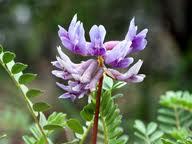
Huang Qi is a powerful herb that boosts the body's natural healing ability and supports tissue regeneration. It can be used as a single herb or added to fresh brewed teas and soups.
Huang qi, also known as astragalus, supports the lungs and digestive system. In Chinese Medicine astragalus is known as a tonic herb. It boosts the body’s natural healing ability to fight off debility and promotes tissue regeneration supporting wound healing. Huang qi is typically the first herb listed in Chinese herbal formulas to support weak digestion. It’s ability to bring the body back from illness or depletion is well known among Herbalists. Huang qi supports the lungs and is useful in those who tend to contract colds easily, bronchitis, and as a support for those with asthma.
Huang qi can be used alone as a single herb or added to fresh brewed teas, soups, complex formulas, tinctures and plasters.
Hyperbaric Oxygen Therapy for Breast Cancer

Hyperbaric oxygen therapy (HBOT) has many benefits in tissue healing. HBOT increases the amount of oxygen saturated in plasma regardless of red blood cell saturation percentage. The pressure assists in driving the oxygen through all tissue and especially where circulation may be compromised due to trauma or injury. Since oxygen provides energy, the cells can start repairing and rebuilding. The pressure also helps to close surgical wounds which can help reduce infection and scarring. Treatments such as mastectomy, tumor removal, and radiation therapy can cause damage to normal tissue and may lead to infection, burns, inflammation, and swelling or lymphedema. Multiple human studies have found benefit in the U.S. of HBOT for post surgical healing, radiation induced tissue damage, and radiation induced lymphedema.
One study looked at oxygen perfusion in tissue after mastectomy and found that oxygenation to at-risk areas were increased by 88% with HBOT. Another study looked at nipple ischemia after nipple sparing mastectomy and though the authors did not conclude statistically significant results, they did find that the average time to complete tissue healing was 36 days in HBOT group compared to 65 days in the non HBOT group.
Benefits of HBOT therapy have also been found with radiation induced tissue damage and lymphedema. A study in the Netherlands that included 57 women with late radiation-induced tissue toxicity found that symptoms were improved on average by 50% after about 40 sessions at 2.4 atmospheric pressures. Some of the symptoms assessed included pain in arm and shoulder, swelling in hand, pain and swelling in affected breast, and skin problems of the affected area. Side effects from therapy were found to be minimal and reversible.
A study done on triple negative and triple positive breast cancer cells concluded that HBOT was effective at suppressing tumor growth and reduced metastasis in triple negative breast cancer cells.
Hyperbaric oxygen therapy historically has only been available in the hospital setting for a limited number of medical conditions. Recently HBOT therapy has become more available outside of the hospital environment in private medical practices, such as the Stram Center.
Hyperbaric oxygen treatment has been under utilized as a treatment due to availability, but has been shown to have substantial healing benefits. Hyperbaric oxygen therapy should be considered along with conventional and complimentary therapies.
References used:
Hyperbaric oxygen therapy for late radiation-induced tissue toxicity: prospectively patient-reported outcome measures in breast cancer patients
David N Teguh 1 2 , René Bol Raap 3 , Henk Struikmans 4 5 , Cees Verhoef 6 , Linetta B Koppert 6 , Arne Koole 3 , Yadi Huang 7 , Rob A van Hulst 3
2017 Aug 23;12(8):e0183254. doi: 10.1371/journal.pone.0183254. eCollection 2017.
Oxygen-dependent regulation of tumor growth and metastasis in human breast cancer xenografts
Kristine Yttersian Sletta 1 , Maria K Tveitarås 1 2 3 , Ning Lu 1 , Agnete S T Engelsen 1 2 , Rolf K Reed 1 2 , Annette Garmann-Johnsen 1 , Linda Stuhr 1
Use of hyperbaric oxygen therapy for tissue ischemia after breast reconstruction
Neha Rajpal 1 , Elliot T Walters 2 , Tammer Elmarsafi 2 , Troy A Pittman 3 , Kelly K Johnson-Arbor 2
2001 Mar 15;49(4):1029-31. doi: 10.1016/s0360-3016(00)01515-7.
Hyperbaric oxygen therapy for late sequelae in women receiving radiation after breast-conserving surgery
U M Carl 1 , J J Feldmeier, G Schmitt, K A Hartmann
John Shuck1, Neil O’Kelly1, Matthew Endara2, Maurice Y. Nahabedian1
1Department of Plastic Surgery, MedStar Georgetown University Hospital, Washington, DC, USA; 2Alan Chen Surgical Associates, Chicago, IL, USA
Hyperbaric Physiological And Pharmacological Effects of Gases
Adam C. Kahle; Jeffrey S. Cooper.
Hyperbaric Oxygen Therapy for Breast Cancer Related Blog Posts

Hyperbaric Oxygen Therapy for Breast Cancer Related Services
Cancer Care
Integrative Oncology at the Stram Center The Center offers a wide variety of cancer care treatments — including IV therapy, hyperbaric oxygen therapy, acupuncture, medical massage and clinical nutrition — to combat cancer cells, help boost your immune system, reduce the side effects of chemotherapy and radiation, increase your energy, reduce anxiety and…Cancer Care
Integrative Cancer Care
KNOW ALL YOUR OPTIONS A cancer diagnosis is stressful, frightening and overwhelming. Making decisions about treatment during this phase is challenging. Conventional oncologists usually recommend only conventional treatment such as chemotherapy, radiation and surgery, but you may be left wondering, "is there something else that can benefit me?" Your cancer consultation at the Stram Center will…Integrative Cancer Care
Hyperbaric Oxygen Therapy
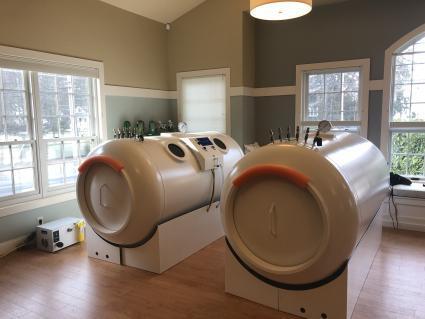
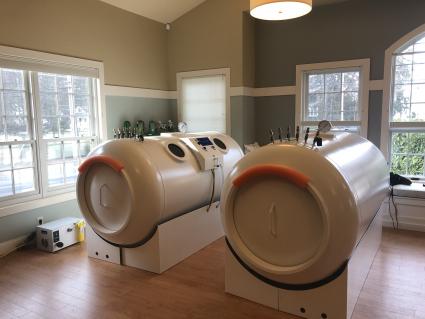
Dedicated to treating the root cause of illness and using the most advanced integrative methods in a safe environment, the Stram Center for Integrative Medicine, under the medical supervision of Dr. Ron Stram, will utilize the benefits of hyperbaric oxygen therapy (HBOT) to complement and enhance the healing process in both chronic and acute conditions of our patients. You will…Hyperbaric Oxygen Therapy
IV Vitamin C
IV Vitamin C and Cancer Care There is much research regarding the use of vitamin C (ascorbic acid) in cancer therapy. However, most of the research focuses on oral rather than the more effective intravenous (IV) route of administration. IV vitamin C has a significantly greater effect on immune enhancement than the conventional oral route of administration.IV Vitamin C
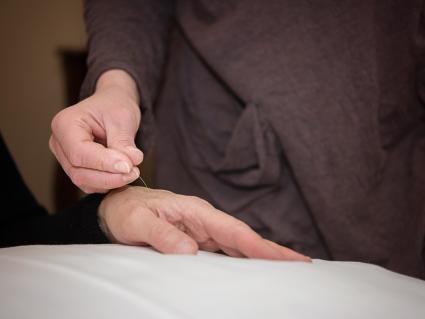
Acupuncture for Cancer Patients
Acupuncture provides a valuable complimentary therapy for the reduction of the symptoms and stresses of the cancer patient. In addition to its well known effectiveness at reducing many pain syndromes, reducing insomnia and anxiety and moderating digestive complaints, a great deal of research illustrates the importance of acupuncture in the holistic approach to cancer management.Acupuncture for Cancer Patients
Hyperbaric Oxygen Therapy: A New and Innovative Way to Treat Alzheimer’s Disease.

The prevalence of age-related neurodegenerative disorders, such as Alzheimer’s Disease, are on the rise in the United States. Nearly 60-80% of all cases of dementia in the elderly population originated from Alzheimer’s Disease. Unfortunately, there is no current cure or effective treatment that slows the progression of this complex and devastating disease. Therefore, alternative treatments that specifically target the function of the brain is important. Hyperbaric Oxygen Therapy (HBOT) has been shown to not only improve neurological functions and quality of life, but recent studies have found that HBOT can ameliorate Alzheimer’s Disease-related pathologies.
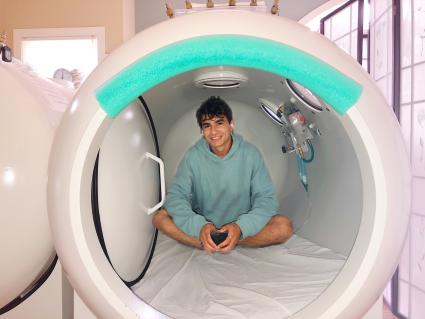
What Happens in the HBOT Chamber?
During a hyperbaric session, the increased pressure allows for a large concentration of oxygen to dissolve and saturate the blood plasma independently of hemoglobin in red blood cells. This results in a broad variety of beneficial physiological, biochemical, and cellular effects, not achievable with any other therapy. HBOT has been found to improve gross and fine motor skills, single or multi cognitive tasks, and overall life quality in subjects who have experienced the hyperbaric chambers compared to those who have not.
At the cellular level, HBOT can improve mitochondrial redox, preserve mitochondrial integrity, hinder mitochondrion-associated apoptotic pathways, alleviate oxidative stress and increase levels of neurotrophins and nitric oxide through enhancement of mitochondrial function in both neurons and glial cells (Huang and Obenaus, 2011).
The Connection to Alzheimer’s and a Lack of Oxygen
Alzheimer’s Disease has no direct cause. However, abnormal protein plaques called beta-amyloid and tau proteins form and accumulate in the brain, which ultimately lead to loss of synapses and degeneration of neurons. Hypoxia, which is the lack of oxygen in the tissues, has a major role in the Alzheimer’s Disease pathogenesis. Epidemiological research studies suggest that there is an association between hypoxia and dementia, showing increased incidence of dementia in ischemic stroke patients. Considering this evidence, the use of HBOT can potentially be a compelling and practical treatment protocol for patients with Alzheimer’s Disease. Higher oxygen levels can advance cognitive function, enhance speech and language, improve balance and walking, promote neurogenesis, stimulate neuroplasticity, and reduce the effects of hypoxia and brain inflammation.
A Research Example: Hyperbarics and Alzheimer’s
In a 2018 study, old triple-transgenic and non-transgenic mice were exposed to HBOT. For reference, transgenic mouse models have similar plaques and cognitive impairments to humans with dementia. Following the HBOT exposure, there were behavioral, histological, and biochemical analyses of the mice. The study found that HBOT reduce hypoxia and the tau proteins found in the triple-transgenic mice. Interestingly, HBOT reduced microgliosis, astrogliosis, and the secretion of proinflammatory cytokines, such as interleukin (IL)-1β and tumor necrosis factor alpha (TNFα) and increased the production of anti-inflammatory cytokines. Additionally, HBOT induced a morphological change in microglia near plaques to a more ramified state. These results suggest that HBOT attenuates neuroinflammation and represses inflammatory mediators. This study is consistent with previous studies that investigate the adequacy of HBOT on other neurological conditions, such as traumatic brain injury, stroke, and brain ischemia (Shapira, Elfrati, Ashery, 2018)
Considering the prevalence and devastation of neurodegenerative disorders, such as Alzheimer’s Disease, modern medicine should recognize the promising benefits of hyperbaric oxygen therapy.
The Stram Center utilizes a whole-body approach to your health, affecting all disease states that come with aging. We utilize nutrition, exercise, and stress reduction as well as hyperbaric oxygen therapy to impact the aging process so that lifespan is more about health span- the number of quality years of life versus the number of years alone.
Resources:
Huang L, Obenaus A. Hyperbaric oxygen therapy for traumatic brain injury. Med Gas Res. 2011; 1:21.
Shapira R, Elfrati S, & Ashery, U. Hyperbaric oxygen therapy as a new treatment approach for Alzheimer’s disease. Neural Regen. Res. 2018; 13:5.
Shapira R, Elfrati S, & Ashery, U. Hyperbaric oxygen therapy ameliorates pathophysiology of 3xTg-AD mouse model by attenuating neuroinflammation. Neurobiology of Aging. 2018: 62.
Hyperbaric Oxygen Therapy: A New and Innovative Way to Treat Alzheimer’s Disease. Related Blog Posts

Hyperbaric Oxygen Therapy: A New and Innovative Way to Treat Alzheimer’s Disease. Related Services
Hyperbaric Oxygen Therapy
Dedicated to treating the root cause of illness and using the most advanced integrative methods in a safe environment, the Stram Center for Integrative Medicine, under the medical supervision of Dr. Ron Stram, will utilize the benefits of hyperbaric oxygen therapy (HBOT) to complement and enhance the healing process in both chronic and acute conditions of our patients. You will…Hyperbaric Oxygen Therapy