Heart Nourishing Herb: Suan Zao Ren
According to Chinese medicine, the heart houses the mind. When the mind is at rest we drift off into a peaceful slumber.
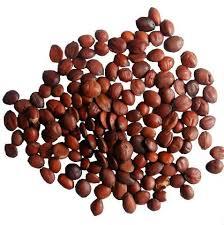
Suan zao ren is the seed of the Chinese jujube (da zao). Being one of the heart nourishing herbs, suan zao ren is used in formulas to treat symptoms such as insomnia, restlessness, agitation, and palpitations.
According to Chinese medicine, the heart houses the mind. When the mind is at rest we drift off into a peaceful slumber. Like many seeds, suan zao ren is considered slightly sour and oily in nature. It nourishes the heart and sedates the spirit.
Suan zao ren contains jujubosides, specific triterpenes that produces sedative effects. Triterpenes are also found in ginseng and ganoderma which have sedative properties similar to suan zao ren.
The famous Ming Dynasty physician, Zhang Jingyue writes, “When the heart is disturbed by worry and shakes the spirit, restlessness occurs, which generates insomnia.”
Suan zao ren helps create a restful space in the heart so that the mind is settled and sleep occurs.
Heathy Habits for Healthy Skin and Cancer Prevention
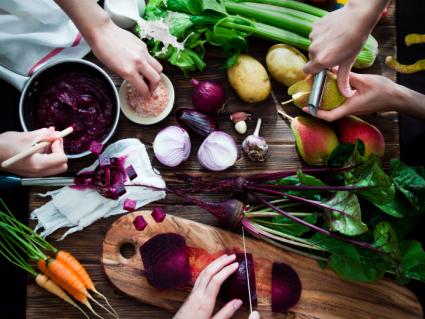
Skin cancer is a major problem in this country that many times can be prevented if the proper steps are taken. The National Cancer Institute estimates 40-50% of Americans who live to age 65 will have skin cancer at least once. Yet nearly all skin cancers are preventable if detected and treated early.1 Key lifestyle techniques, including nutrition have been found to be an important piece of skin cancer prevention. Read below for more information, including a healthy recipe full of cancer fighting compounds.
According to the American Institute for Cancer Research, skin cancer is usually caused by exposure to ultra-violet sun rays. You may have a higher risk if you have light skin, a family history of melanoma, history of severe sunburn in childhood, much sun exposure throughout your life, or many moles and freckles. Although cancer experts say 15-20 minutes of daily sun exposure is a safe source of vitamin D, more time spent soaking up the rays can be hazardous without adequate protection. 1
Research suggests a potential role of diet on skin cancer risk.Studies have found that a high-fat diet may increase skin cancer risk. Research also suggests that a diet that is rich in fruits and vegetables may protect against skin cancer due to their rich content of cancer fighting compounds including antioxidants and phytochemicals. While this research is not conclusive, eating a diet rich in fruits and vegetables has been found to be protective against most cancers. 1
The antioxidants and phytochemicals in plant-based foods (fruits, vegetables, legumes, nuts, seeds, and grains) may help protect against skin cancer by boosting our body’s natural defenses against UV rays. Remember that many of these compounds are found in the color of the food, so be sure to eat a wide variety of colored plant-based foods every day! 2
According to the Physician’s Committee for Responsible Medicine (PCRM), while it is important to use sunscreen, it is equally important to read the ingredients in the sun screen. The ingredients that act as UV blockers in sunscreen can be either chemical or mineral based. Chemical based products may have negative health effects, such as hormone disruption. Mineral-based ingredients, such as those containing zinc, typically include nano-particles, which means the minerals are small enough to absorb into your skin instead of staying on top of the skin. PCRM recommends washing off sunscreen once you’re inside, regardless if you choose a chemical or mineral base. 2
References:
1. http://preventcancer.aicr.org/site/News2?page=NewsArticle&id=7488&news_iv_ctrl=0&abbr=pub_
2. http://www.pcrm.org/health/diets/ffl/employee/uv-safety-month-2014
Low Fat Sautéed Italian Vegetables:
Recipe by Eric C. Sharer, MPH, RD, CSO, CDN
Serves: 6-8 Servings
Ingredients:
2 medium zucchini, cut into bite-size cubes
1 medium eggplant, cut into bite-size cubes
2 medium bell peppers, seeded & de-stemmed, cut into bite-size cubes
1 largeonion, peeled, cut into bite size cubes
3-4 cloves garlic, peeled, roughly chopped
1 pint cherry tomatoes
OR
2-3 mediumtomatoes, cut into wedged (quartered)
1 cupwater or vegetable stock to cook vegetables in.
2 tbsp.Dried Italian seasoning, or favorite seasonings (cumin,coriander, chili powder)
To Taste freshly ground black pepper
1-3 tbsp.Balsamic vinegar
Directions:
1.Heat ¼ cup of vegetable broth or water in a large skillet or sauté pan. Add the onion and garlic, cook until tender. Add more liquid as needed to prevent sticking.
2.Gradually add remaining ingredients, except balsamic vinegar.
3.Once vegetables reach desired consistency, add balsamic vinegar and cook for another minute.
Herb of the Month: Bo He
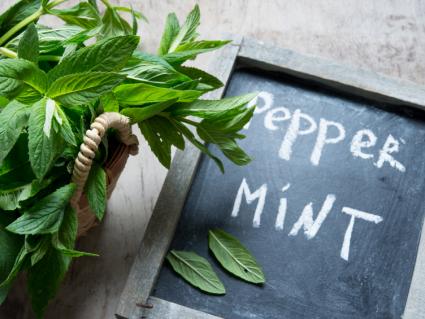
Bo He - AKA peppermint - is used in Chinese Medicine to refresh the mind and move stagnant liver energy.
If you have an herb garden you probably have some variety of mint flourishing in the summertime. Commonly coveted for its uplifting flavor and aroma, peppermint is used for things such as teas, soaps, delicious baked items and other edibles. Peppermint, named ‘bo he’ in Chinese medicine, also has medicinal uses.
Peppermint is used to ‘move liver qi.’ This is seen in cases of headache, muscle aches and pain, stress, PMS, reflux and digestive upset. These symptoms arise because the liver is not performing its role of regulating the qi. When qi becomes stagnant there can be pain and unresolved emotions. Peppermint refreshes the mind and moves the stagnant liver qi to release these discomforts.
Another common use of peppermint is to ‘release the exterior’. This use is applied in common colds that present with a sore throat, headache, and nasal congestion.
Herb of the Month: Cang Er Zi
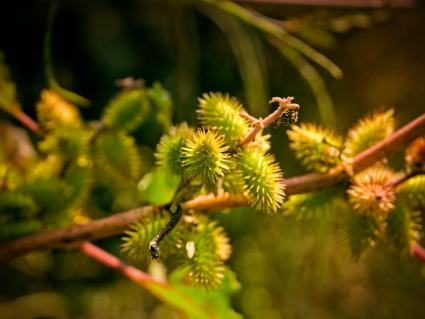
Cang Er Zi, a natural approach to headaches related to allergies and colds.
Cang er zi, also known as xanthium seed, is on my go to list for conditions related to allergies and colds. This widely used herb is combined within an herbal formula where its prime use is for rhinitis and sinusitis: nasal congestion, itching and sneezing. Xanthium seed is also used for sharp stabbing occipital headaches related to colds.
Those familiar with the cocklebur may find this herb a nuisance as it grows freely in fields and sticks to one’s clothing, skin and fur of animals. The variety used in Chinese medicine, xanthium strumarium, is slightly different in chemical composition than the Western botanical, xanthium spinosum which we see in the United States. Both immature seeds are considered toxic. However the mature seed of xanthium strumarium when prepared for medicinal use loses this aspect.
Herb of the Month: Chen Pi
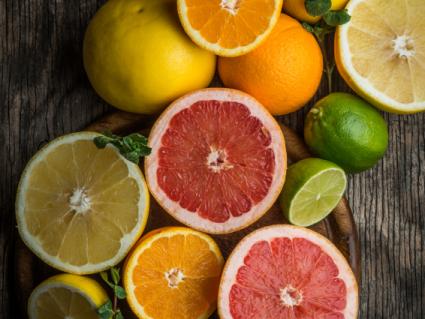
Chen Pi or citrus peel is one of the many regarded herbs in Chinese Medicine.
“Would you like lemon with your water”?
When you think of a wedge of citrus fruit in your water you may not realize that its use is beyond the uplifting flavor that it possesses.
Chen pi or citrus peel is one of the many highly regarded herbs in Chinese Medicine.
Citrus peel encourages digestion by promoting the increase of gastric acids. In Chinese medicine this is related to the herbs ability to ‘strengthen the spleen.’ Chen pi also relieves ‘food stagnation.’ This happens after eating a meal that contains food products your digestive system deems as ‘hard to handle,’ such as excessive carbohydrates or greasy foods.
Included in the ‘Regulate Qi’ category of herbal medicines, Chen pi is used to decrease nausea and quell episodes of vomiting related to common complaints associated with IBS, morning sickness and other gastro-intestinal disturbances.
This readily available herb is also used to help relieve chest congestion related to bronchial inflammation and an over- abundance of phlegm.
Infusions of citrus fruit slices in water can be sipped throughout the day to increase the vibrancy of the skin, boost the immune system as well as promote your digestion.
Herb of the Month: Chinese Healing Herbs and Tick-Borne Disease
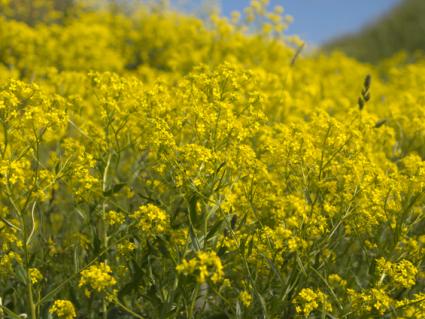
Chinese herbal protocols to address the symptoms of Tick-Borne Diseases.
There are a number of different herbal protocols to address Tick-Borne Diseases at multiple stages and with its varying symptoms. Chinese herbal medicine is no stranger to Lyme and other tick-borne illnesses. Many Chinese herbs contain broad spectrum antibiotic and antiviral properties as well as other constituents that diminish the pathogenic load in the body.
One such plant bears parts that address such issues, known as ‘damp heat’ in Chinese medicine. The 2 parts of the Isatis plant, its roots and leaves are effective for acute Lyme and other tick-borne infections. The root, known as ‘ban lan gen’ in Chinese is used for such conditions with high fevers, encephalitis, rashes, and hepatitis. Ban lan gen has antiviral and antibacterial properties and also improves the immune system.
The leaves of the isatis plant are used as a blue textiles dye. More importantly, the leaves, known as ‘da qing ye’,are used to address flu symptoms: high fever, headache, and brain inflammation. These flu-like symptoms can be a sign of more serious infection. Like the isatis root, isatis leaves address bacteria like Staphyloccocus a., Streptococcus pneumoniae, salmonella, E. coli and shigella. Isatis leaves protect the internal organs from damage by endotoxins.
Herb of the Month: Costus Root (Mu xiang)

Using herbs to address gastrointestinal upset.
One of my favorite herbs for addressing gastrointestinal upset is mu xiang. Also known by the common name ‘costus root,’ mu xiang promotes digestion to relieve symptoms such as nausea, bloating, abdominal pain, diarrhea, poor appetite, and intestinal cramping.
With it’s origins spread throughout the Himalayas, Costus root has been used as an essential oil in trading throughout history to help protect fabrics from ruin by insects. It has a beautiful woody scent and was worn by the Romans and in India as a perfume.
There are multiple species of mu xiang that have been used in both Chinese and Ayurvedic medicine which carry other therapeutic benefits. Studies over the last decade have shown the Saussaurea lappa variety of mu xiang’s anticancer and anti-fungal activity. It is also shown to be effective in those with diabetes and for inhibiting stomach ulcers.
Herb of the Month: Shan Zha (Hawthorn Berry)
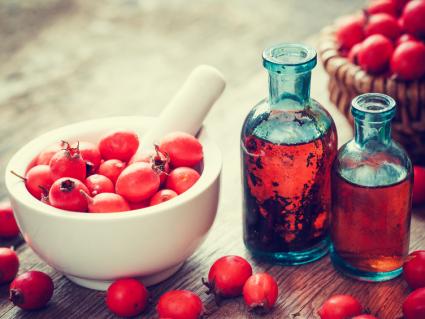
Hawthorn berry may lower cholesterol, supporting patients with cardiac issues or for addressing indigestion.
Crataegus, also known as Hawthorn, has several uses in Chinese and Western botanical Medicine. Hawthorn berry is traditionally used in Chinese Medicine to aid in the digestion of fats. The Hawthorn berry, flower and leaf are also commonly used in cardiac support and as a remedy for high cholesterol.
The berry is used medicinally dried or in a powdered granule. These are then combined with other herbs to create ailment targeted formulas for either lowering cholesterol, supporting patients with cardiac issues or for addressing indigestion.
An analysis of the action of hawthorn on cardiac patients shows that the berry is high in antioxidants, contains hypotensive and vasorelaxive activity and that it acts as a cardiac cell tonic. It has been shown that Hawthorne is effective in mild to moderate cardiac cases.(1)
References:
1.Pharmacogn Rev. 2010 Jan-Jun; 4(7): 32–41.
doi: 10.4103/0973-7847.65324
PMCID: PMC3249900
Hawthorn (Crataegus spp.) in the treatment of cardiovascular disease
Mary C. Tassell, Rosari Kingston,1 Deirdre Gilroy,2 Mary Lehane,3 and Ambrose Furey
HERB OF THE MONTH: The Nature of Sweetness
Excessive sweetness, whether in an herb or foods can have negative effects on health.
Each herb in Chinese medicine contains different aspects which are used to explain how the herb will function individually and within an herbal formula. These aspects are flavor, properties, direction, and meridian entered. An herb could possesses the following flavors: bitter, sour, salty, pungent and sweet.
The flavor, sweet points to an herb’s function of moistening, warming, tonifying, and ascending. Herbs that are sweet support the process of the spleen and pancreas. These herbs encourage digestion.
But you can have too much of a good thing! Excessive sweetness, whether in an herb or foods can have negative effects on health. An overburden of ‘sweetness’ in the body is seen in an individual who has a propensity to crave sweets, one who may have allergies, excessive phlegm in the form of chronic sinus problems, acne, poor digestion, candida overgrowth, loose stools, obesity, depression, and muscle aches and pains.
When designing herbal formulas a Chinese herbalist will balance the herbs with the ‘flavor’ aspects in mind. Just like a healthy diet consisting of too much sugar or white starches, herbal formulas should contain a balance of flavors.
Herb-Enhanced Summer Beverage Recipes
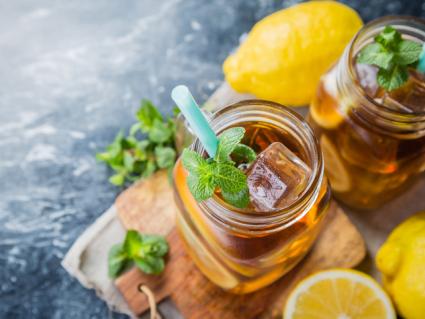
Try these summer recipes for a different spin on water!
One of the best ways to keep cool during hot summer months is by staying hydrated. Drinking half your body weight in ounces of water is the general recommendation. As wonderful as it is, sometimes plain water can become monotonous. Creating herb-enhanced cool beverages is a great way to keep hydrated with flavor.
Below are some of my favorites:
Basic Iced tea
Add one black or green tea bag to 4 ounces boiled water-let stand 3-5minutes
Slice 1/4 of a lemon and squeeze juice into cup
Add cold water and ice
Lemon Rosemary splash
An excellent blend to revive the senses and sharpen the intellect!
Simmer 1 teaspoon fresh coarsely chopped rosemary in 6 ounces of water for 10 minutes (strain if you prefer)
Slice 1/4 of a lemon and squeeze juice into cup
Add cold water and ice
Lavender mint
This is a great blend to sip throughout the day to be cool and calm.
Simmer 1/4 teaspoon lavender buds and 1/4 teaspoon mint in 6 ounces of water for 10 minutes (you can leave the herbs in the water or strain).
Add to a cup of cold water and ice