Hyperbarics and Fibromyalgia
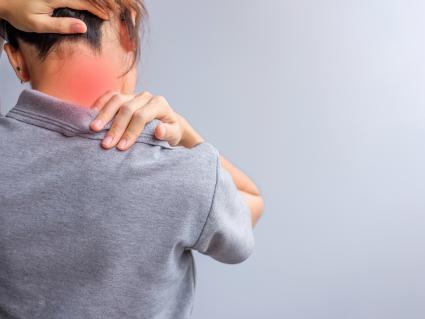
Hyperbaric oxygen therapy (HBOT) has been shown to be useful for wound healing and non-healing injuries, but more recently, it has also been utilized for traumatic brain injury (TBI) and symptoms related to post-concussion. HBOT has also been studied for inflammatory and autoimmune conditions including rheumatoid arthritis and ulcerative colitis. But what about chronic pain conditions such as fibromyalgia? It is not quite known what causes fibromyalgia, but possible causes include chronic infections, neurotransmitter imbalances, and emotional or physical trauma.
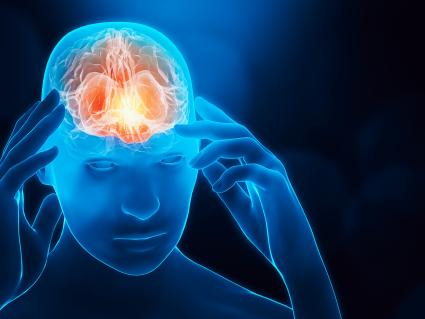
Studies of the brain SPECT scans of patients with fibromyalgia have found abnormalities in the hippocampus region of the brain. This part of the brain is associated with pain perception along with cognitive functions and sleep. Since HBOT has been shown to improve symptoms of other types of brain injuries, it is possible that HBOT can improve hippocampus function and decrease symptoms of fibromyalgia such as pain, fatigue, impaired sleep, and mood disturbances.
In one study, 60 female patients underwent 40 treatment sessions with at 2.0 ATA with 100% oxygen for 90min 5 days per week for 8 weeks. The study showed significant improvements in repairing brain activity which led to significant improvement in symptoms.1 In addition, the need for taking pain medication was reduced in the HBOT treated group.
In another smaller but more recent study, 17 patients with fibromyalgia underwent 40 treatments at 2.0 ATA with 100% O2 over 8 weeks. Improvements in overall functioning, symptoms of anxiety and depression and sleep quality were all improved.2 In addition, patients were seen to benefit from symptom improvement 3 months after the completion of treatment.
HBOT is a treatment that can be very effective at healing parts of the brain that are responsible for causing symptoms related to fibromyalgia. As most conventional treatments are prescriptions medications to treat the symptoms, HBOT can offer another treatment approach that is healing and therefore has long lasting effects.
References
1. Efrati S, Golan H, Bechor Y, Faran Y, Daphna-Tekoah S, Sekler G, Fishlev G, Ablin JN, Bergan J, Volkov O, Friedman M, Ben-Jacob E, Buskila D. Hyperbaric oxygen therapy can diminish fibromyalgia syndrome--prospective clinical trial. PLoS One. 2015 May 26;10(5):e0127012. doi: 10.1371/journal.pone.0127012. PMID: 26010952; PMCID: PMC4444341.
2. Atzeni F, Casale R, Alciati A, Masala IF, Batticciotto A, Talotta R, Gerardi MC, Salaffi F, Sarzi-Puttini P. Hyperbaric oxygen treatment of fibromyalgia: a prospective observational clinical study. Clin Exp Rheumatol. 2019 Jan-Feb;37 Suppl 116(1):63-69. Epub 2019 Feb 6. PMID: 30747099.
About Korey DiRoma,, N.D.Hyperbarics and Fibromyalgia Related Blog Posts


Hyperbarics and Fibromyalgia Related Services
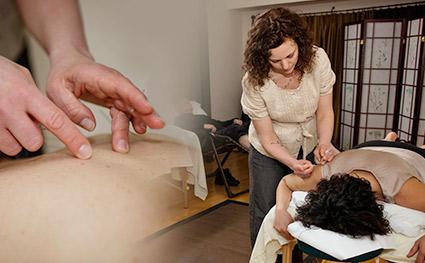
Pain Management
Restorative Pain Solutions Pain can affect every part of our lives. Pain can lead to fatigue, emotional distress and many other challenges in addition to the physical discomfort. The causes of pain can vary widely, and although most people with chronic pain share much in common, every person living with pain has their own story. At the Center, our emphasis is on resolving the source of the pain,…Pain Management
Chronic Illness
Nowhere is the need for an integrative approach more apparent than in the management of chronic illness. We are a synthesis of many systems all working together, and when one or more systems become diseased, all of the others will be stressed as well. From physical challenges, to the challenges of everyday living, to a satisfying quality of life, we have to go past seeing that illness in…Chronic Illness
I have my wonderful husband back!

A wonderful letter from our patient on how hyperbaric oxygen therapy and other integrative treatments helped dramatically improve the effects pf traumatic brain injury of 30+years as well as Lyme disease
Dear Dr. Stram and his wonderful team of helpers,
Jim and I want to take this special holiday time to let you all know how much we appreciate everything you guys have done for us. Not only did all Jim's lyme disease and other co-occurring illnesses disappear, but also he experienced great healing from his traumatic brain injury of 30+ years ago. Jim is a new man now. I have my wonderful husband back. Thank you from the bottom of our hearts for the amazing healing you offer the world.
With deep gratitude,
Jennifer and Jim V.
I have my wonderful husband back! Related Services
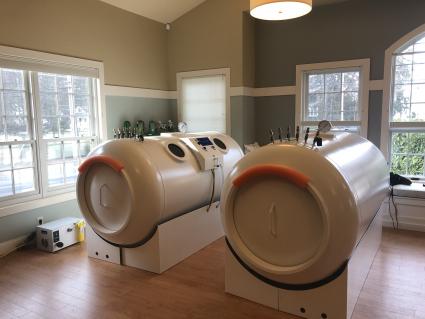
Hyperbaric Oxygen Therapy
Dedicated to treating the root cause of illness and using the most advanced integrative methods in a safe environment, the Stram Center for Integrative Medicine, under the medical supervision of Dr. Ron Stram, will utilize the benefits of hyperbaric oxygen therapy (HBOT) to complement and enhance the healing process in both chronic and acute conditions of our patients. You will…Hyperbaric Oxygen Therapy
Integrative Medicine
Integrative medicine is the blending of conventional medicine with holistic, complementary, and alternative medicine. Integrative Medicine is defined as healing-oriented medicine that takes account of the whole person (body, mind, heart and spirit), including all aspects of lifestyle. It emphasizes the therapeutic relationship and makes use of all appropriate therapies, both conventional and…Integrative Medicine
ILADS 2011 Conference Impressions
TREATMENT OPTIONS
Having attended the International Lyme and Associated Diseases Society (ILADS) conference last month in Toronto, we came home both reassured about the treatment options we offer and with additional therapies to improve our treatment options for our growing number of lyme patients at the Stram Center for Integrative Medicine, Delmar office. One of many interesting developments was discussed by Dr. Richard Horowitz on the topic of Babesiosis diagnosis and treatment, for example: usage for an herbal supplement used in Ethiopia to treat malaria, cryptolepis, has been shown to be effective in this co-infection.
CHANGING SYMPTOMS REQUIRE CLOSE EXAMINATION
We came away more reassured about the complexity of this growing, insidious disease and the treatments we already offer our patients: an integration of modalities with antibiotic therapies, nutritional support and herbal supplements are the most effective way of treating this disease. In addition, and not to be understated is the utmost importance of the ongoing and compassionate listening required of the practitioner because of the ever changing and evolving symptom response to treatment. This perhaps is the most challenging part of the management of lyme and of living with the disease itself. Therapies must be flexible in response to one’s changing symptoms.
PATIENT ADVOCACY IS ESSENTIAL TO EFFECT CHANGE
Dr. Daniel Cameron, past president of ILADS, strongly urged that patient advocacy will be the leading force to aiding LYME to become a recognizable disease in the medical community. Therefore, we encourage you, as people either afflicted personally, or are affected by afflicted members of your family or friends, to become as active as possible in your communities to effect change on the front line for recognition of this verifiable, debilitating and tragic disease.
Please contact your nearest Lyme Advocate Association to help make this change happen.
IMMUNE BOOSTING TEA
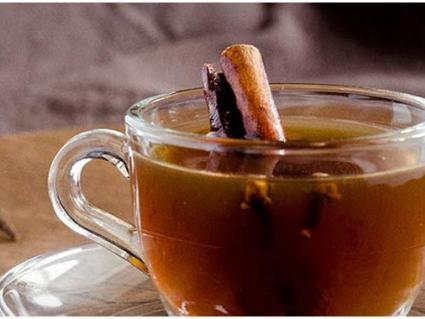
This simple tea can make a world of difference!
Make your winter a little easier while enjoying this recipe for an immune boosting tea!
Place 3 cups water in medium saucepan
Add:
2 pieces of astragalus root (available at health food markets)
1 slice fresh ginger (about the size of a quarter)
If you have a tendency towards being cold or have a cold add:
3-5 black peppercorns
3-4 cloves
10 cinnamon bits
Bring decoction to a boil them immediately reduce to simmer for 10 minutes. Strain the herbs with a fine mesh strainer while catching the liquid in a large mug. The remaining herbs can be saved for another dose of fresh tea later in the day.
The properties of astragalus make it one of the best go-to immune and energy boosting herbs. Astragalus is naturally sweet but if you prefer you can sweeten your winter tonic with a 1/2 teaspoon of honey.
Ginger warms the body and increases the body’s ability to stave off colds.
The addition of other warming herbs (black peppercorn, cloves, and cinnamon) enhance this teas function of clearing out colds which involve symptoms such as chills, headache, runny nose, thick nasal discharge and a scratchy throat.
Infrared Light Therapy May Offer Benefits for Health and Wellness
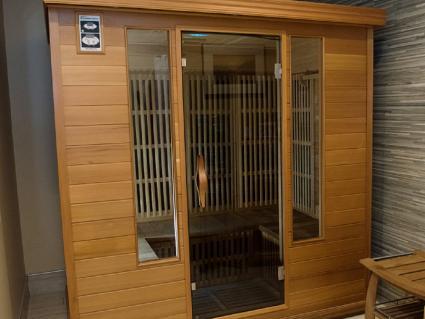
Research shows, infrared light therapy may benefit a range of health conditions.
Visible light is made up of a spectrum of colors with violet having the shortest wavelength of 380 nanometers and red having the longest wavelength of 700 nanometers. In 1800, astronomer William Herschel devised a way to measure the temperature of the different colors of visible light and noticed that red color light had the highest temperature of the visible colors (IPAC at Caltech and NASA, 2013). Herschel also found that the temperature was even higher for light of wavelength higher than red, even though this light was not visible to the naked eye. This range of light frequencies with wavelength higher than red color of light was later named as infrared light and covers a broad range of frequencies varying from a wavelength of 700 nanometers to about 1 million nanometers. Although infrared light cannot be seen to the human eye, its effects can be felt as heat. Through the years, many technologies have been created to measure and use different frequencies of infrared light for a variety of purposes, including possible applications to support health and wellness.
One group of researchers in Japan examined the possible health benefits of using infrared light therapy for type 2 diabetics (Ryotokuji et al, 2013). Infrared light therapy of wavelength varying from 9,000 nanometers to 12,000 nanometers at a power output of 30 milliwatts was applied to the feet of ten type 2 diabetics (six men and four women), whose average age was 62 years old. Infrared light therapy sessions for these ten patients were performed for 15 minutes once weekly for 4 weeks. The ten patients did not make any changes to their diabetic medications during the research study. Blood glucose, insulin, HbA1c and cortisol were measured before and after the 4 weeks of infrared light therapy. The results showed that after 4 weeks of infrared light therapy to the feet, both fasting blood glucose and hemoglobin-A1c were decreased. Since hemoglobin-A1c is a measure of blood glucose control over the last 3 months, it would be beneficial to extend the duration of this research study to 3 months and then re-assess hemoglobin-A1c. The researchers also found that cortisol levels were decreased after the 4 weeks of infrared light therapy, suggesting that infrared light therapy can be beneficial for reducing stress mediated by the sympathetic nervous system (the fight-or-flight aspect of the autonomic nervous system). Increasing the number of participants in this study would be beneficial to strengthen the results of the research study. In summary, weekly sessions of infrared light therapy applied to the feet may be beneficial for type 2 diabetics.
Another group of researchers in a pain management clinic in Canada examined the efficacy of infrared light therapy for people with chronic low back pain (Gale et al, 2006). Forty people with chronic low back pain were randomly assigned to either a placebo group or a treatment group. The average duration of low back pain in the group of forty people was 6.5 years of chronic pain. The age of the individuals varied from 26 to 80 years old. The treatment group was administered infrared light therapy of wavelength between 800-1200 nanometers to the low back region. The treatment group participants did not change any pain medications or other medications that they were already taking. After seven weeks of infrared light therapy treatment, the treatment group’s subjective pain scores had reduced by 50% on average, while the control group’s subjective pain score reduced by 15% on average. One critique of this study is that the study design states that seven weekly treatment sessions of infrared light therapy were performed but the duration of each treatment session was unclear. Further research could incorporate blood testing to look for changes in inflammatory markers after using infrared light therapy. In summary, infrared light therapy applied to the low back region may be beneficial for chronic low back pain.
Citations:
IPAC Communications & Education at Caltech. NASA. August 27th, 2013. Discovery of Infrared. Retrieved from http://coolcosmos.ipac.caltech.edu/cosmic_classroom/ir_tutorial/discovery.html
Gale, G.D., Rothbart, P.J., Li, Y. Infrared therapy for chronic low back pain: A randomized, controlled trial. Pain Research Management. 2006 Autumn; 11(3): 193–196.
Ryotokuji, K., Ishimaru, K., Kihara, K., Namiki, Y., Hozumi, N. Preliminary results of pinpoint plantar long-wavelength infrared light irradiation on blood glucose, insulin and stress hormones in patients with type 2 diabetes mellitus. Laser Ther. 2013 Sep 29; 22(3): 209–214.
INSULIN RESISTANCE - WHAT YOU NEED TO KNOW!
Diabetes facts and how to reverse early pre-diabetic symptoms.
November is diabetes awareness month. In 2012, there were 29 million Americans reported having diabetes and 86 million Americans with pre-diabetes, with a total estimated cost of 245 billion dollars, of which, 176 billion dollars were related to direct medical costs. Diabetes.org reports that another 1.4 million Americans are diagnosed with diabetes each year.
There are two types of diabetes – Type1 Diabetes (T1D) and Type 2 Diabetes (T2D). Here are some facts:
- T1D can occur at any age, but is most commonly diagnosed from infancy to late 30s. If a person is diagnosed with T1D, their pancreas produces little to no insulin, and the body’s immune system destroys the insulin-producing cells in the pancreas
- T2D typically develops after age 40, but has recently begun to appear with more frequency in children. If a person is diagnosed with T2D, their pancreas still produces insulin, but the body does not produce enough or is not able to use it effectively
- T1D represents about 5% of cases – which means an overwhelming number of cases are due to T2D. T2D is now a worldwide heath problem
- T2D, also known as insulin resistant diabetes, is caused mainly by a high-carbohydrate, high-fat diet and inactivity or lack of exercise
- 85% of people with T2D are overweight or obese (http://www.cdc.gov/diabetes/pubs/statsreport14/national-diabetes-report-web.pdf )
HOW DOES THE BODY DIGEST SUGARS?
Carbohydrates refer to different types of sugars (for a more thorough look at carbohydrates - CLICK HERE to read Dr. DiRoma's blog post - Demystifying Carbohydrates). Glucose is the predominant sugar used for metabolism and energy in the body. Since the body cannot live without glucose, the liver has mechanisms for making and maintaining normal glucose levels. After eating a meal or snack that contains glucose, blood glucose rises, and a hormone called insulin is secreted from the pancreas to lower glucose levels.
HOW DOES INSULIN LOWER BLOOD SUGAR?
The normal function of insulin is that it tells the liver cells to stop making glucose, increase glycogen (glucose storage) production, and increase fat-synthesis. In muscles cells, insulin increases glucose entry into the cells and promotes glycogen-synthesis. All of this is impaired with insulin resistance. When insulin cannot bind to the cell-receptor, the signal is essentially blocked and it cannot communicate with the liver and muscles. So the liver continues to make glucose and it decreases glycogen-synthesis, but it keeps on making fat! And insulin resistance in muscle cells does not allow for glucose to enter cells, so the glucose gets diverted back to the liver causing the liver to make MORE fat!
HOW DOES INSULIN RESISTENCE DEVELOP?
Diets high in carbohydrates over-stimulate insulin production. A sedentary lifestyle, or lack of exercise decreases the body’s energy expenditure and is therefore unable to utilize excess dietary glucose and fat. Fat accumulates in the liver and muscle cells, which causes insulin receptors not to work as well. The normal effects of insulin become impaired, blood glucose levels rise, and the liver continues to make fat, which further perpetuates the insulin resistance.
Elevated glucose levels stimulate the pancreas to make more insulin. Over time this causes the pancreas to “burn-out” which leads to less insulin production. This is why some with T2D will eventually require insulin injections to control blood glucose levels.
HOW CAN WE REVERSE INSULIN RESISTANCE?
As just explained, insulin resistance causes the body to MAKE fat. So how can this process be reversed? We have to reverse insulin resistance by making the cells more sensitive to insulin. For those who are pre-diabetic and even those with diabetes, insulin resistance is often reversible. At the Stram Center, our medical practitioners can order all the blood work necessary to determine early signs of insulin resistance. Our integrative team includes a nutritionist and a personal trainer that can get your started back on the path to reversing insulin resistance, burning fat, gaining strength, and improving your energy!
Integrating Chinese Medicine into Cancer Care
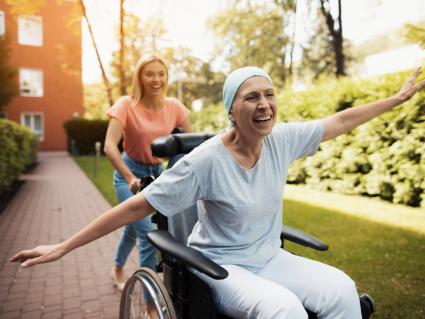 Chinese medicine can be an important and incredibly helpful addition to breast cancer treatment. Most people just think acupuncture is what a licensed acupuncturist can offer, but we are also trained in herbal medicine, nutrition, bodywork and Qigong meditation and these are all things that can be incorporated into your treatment plan and care, from prevention, to treatment, and to recovery and moving on with your life A cancer diagnosis is all consuming...
you have appointments with many doctors, you’re in shock, you’re running the gamut of emotions that accompany a diagnosis, and all the while you still have to go about your life. Often you have to answer lots of questions from friends and family who want to know how you’re doing and any and all updates. The updates are constantly changing, so it’s hard to keep everyone informed. It’s such a unique experience that is hard for others to understand that sometimes leaves you feeling somewhat alone.
This is where meeting with an acupuncturist can be of enormous help. We are here to spend time with you, to listen to your story, to how you’re feeling, and to help ease the journey. From a preventative perspective, regular acupuncture helps maintain the physical, mental and emotional aspects of the body and mind, and if you connect in such ways, the spiritual self as well. During treatment, whatever approach you take, Chinese medicine can help mitigate side effects from chemo, radiation, and hormone therapy such as fatigue, brain fog, dryness, hot flashes, neuropathy, insomnia, as well as strengthen the body and calm the mind. When treatment ends, there is still much healing needed and an acupuncturist can help in the road to recovery to get you to a sense of thriving, not just surviving.
During an acupuncture treatment, you’ll receive anywhere from 4 to 12 needles, sometimes more if there are multiple areas of pain that we are addressing locally. The needles are hair thin, and are barely felt, although you may feel a slight pressure or ache that comes to the needle briefly then goes away. We say this is the arrival of the Qi or, roughly translated, the energy. After the needles are placed, we allow you to rest for about 20-30 minutes. During this time, I tell people that the needles talk to each other and to your body, you may feel different sensations like twinges or ripples, nothing painful, and the stomach may growl. This is your time to yourself, to get you out of the fight or flight state and into the rest and relax state-- to rejuvenate, to cry if you need to, to sleep, and to heal.
It’s important to have a team of practitioners that help you feel like you are not just fighting the cancer, but that you are healing yourself. Having gone through breast cancer myself, and still having the regular follow up appointments and imaging and sequelae of issues post treatment, I highly recommend having an acupuncturist and naturopathic or integrative doctor on your team to address the entirety of you, not just the cancer cells, and most importantly to prevent a recurrence. If you are living with metastatic cancer, then integrating other practitioners besides just your PCP or oncologist can help try to get you into and keep you in a stable place where the cancer isn’t growing.
Wishing strength and peace to anyone going through cancer and care givers of those family members or friends.
For more detailed explanations on how acupuncturists approach a breast cancer diagnosis, see my previous blog posts:
https://stramcenter.com/blog/blog-detail/cancer-the-chinese-medical-framework-view/
https://stramcenter.com/blog/blog-detail/cv-17-to-open-promote-circulation-in-the-chest/
https://stramcenter.com/blog/blog-detail/restore-with-kidney-1-point-of-the-month/
Chinese medicine can be an important and incredibly helpful addition to breast cancer treatment. Most people just think acupuncture is what a licensed acupuncturist can offer, but we are also trained in herbal medicine, nutrition, bodywork and Qigong meditation and these are all things that can be incorporated into your treatment plan and care, from prevention, to treatment, and to recovery and moving on with your life A cancer diagnosis is all consuming...
you have appointments with many doctors, you’re in shock, you’re running the gamut of emotions that accompany a diagnosis, and all the while you still have to go about your life. Often you have to answer lots of questions from friends and family who want to know how you’re doing and any and all updates. The updates are constantly changing, so it’s hard to keep everyone informed. It’s such a unique experience that is hard for others to understand that sometimes leaves you feeling somewhat alone.
This is where meeting with an acupuncturist can be of enormous help. We are here to spend time with you, to listen to your story, to how you’re feeling, and to help ease the journey. From a preventative perspective, regular acupuncture helps maintain the physical, mental and emotional aspects of the body and mind, and if you connect in such ways, the spiritual self as well. During treatment, whatever approach you take, Chinese medicine can help mitigate side effects from chemo, radiation, and hormone therapy such as fatigue, brain fog, dryness, hot flashes, neuropathy, insomnia, as well as strengthen the body and calm the mind. When treatment ends, there is still much healing needed and an acupuncturist can help in the road to recovery to get you to a sense of thriving, not just surviving.
During an acupuncture treatment, you’ll receive anywhere from 4 to 12 needles, sometimes more if there are multiple areas of pain that we are addressing locally. The needles are hair thin, and are barely felt, although you may feel a slight pressure or ache that comes to the needle briefly then goes away. We say this is the arrival of the Qi or, roughly translated, the energy. After the needles are placed, we allow you to rest for about 20-30 minutes. During this time, I tell people that the needles talk to each other and to your body, you may feel different sensations like twinges or ripples, nothing painful, and the stomach may growl. This is your time to yourself, to get you out of the fight or flight state and into the rest and relax state-- to rejuvenate, to cry if you need to, to sleep, and to heal.
It’s important to have a team of practitioners that help you feel like you are not just fighting the cancer, but that you are healing yourself. Having gone through breast cancer myself, and still having the regular follow up appointments and imaging and sequelae of issues post treatment, I highly recommend having an acupuncturist and naturopathic or integrative doctor on your team to address the entirety of you, not just the cancer cells, and most importantly to prevent a recurrence. If you are living with metastatic cancer, then integrating other practitioners besides just your PCP or oncologist can help try to get you into and keep you in a stable place where the cancer isn’t growing.
Wishing strength and peace to anyone going through cancer and care givers of those family members or friends.
For more detailed explanations on how acupuncturists approach a breast cancer diagnosis, see my previous blog posts:
https://stramcenter.com/blog/blog-detail/cancer-the-chinese-medical-framework-view/
https://stramcenter.com/blog/blog-detail/cv-17-to-open-promote-circulation-in-the-chest/
https://stramcenter.com/blog/blog-detail/restore-with-kidney-1-point-of-the-month/
Integrative Pain Management: Free From Pain, Free From Dependency
Why not Pop a Pill? It’s Easy…right?
A recent study showed that patients over 60 who were given opiate painkillers after minor surgeries considered to be “low pain,” were 44% more likely to still be using the painkillers a year later when compared to patients who were not prescribed opiates right away. There was also a strong trend in the opiate group to graduate from a drug like codeine, to stronger opiates like oxycodone within a year. {Asim Alam, MD, et. al. “Long-term Analgesic Use After Low-Risk Surgery: A Retrospective Cohort Study.” Arch Intern Med. 2012;172(5):425-430.}
Still, using painkillers a year after a procedure is not a good sign that the drugs effectively managed the pain. Changing to more potent opiates over time indicates that the drug has successfully created dependency, while failing to create lasting pain relief. Beyond the obvious healthcare costs, opiate use is associated with multiple unpleasant side effects such as constipation and drowsiness, and poses a threat of dependency. Perhaps most poignantly, overdosing on prescription painkillers is the cause of 15,000 deaths annually- more than heroine and cocaine combined.
Independence, not Dependence
Studies show that gentle and natural techniques like acupuncture, healing touch and reiki are effective at decreasing post-operative pain. They can be performed before, after and sometimes even during surgical procedures. And while some of us find them somewhat habit forming, they have none of the side-effects and dependency issues that surround opiate pain killers.
Studies have found the pain relief from acupuncture to continue 10 months and more after the acupuncture treatments have stopped. That’s the difference between focusing on healing versus just covering up the pain.
Physicians never want their patients to be in pain. Some providers are still in the dark when it comes to all the many, integrative therapies that exist that effectively manage pain. So the next time you are handed a prescription for a painkiller, consider first whether herbal anti-inflammatories, acupuncture, reiki, massage or healing touch might be a good fit for you.
Introducing Softwave Therapy
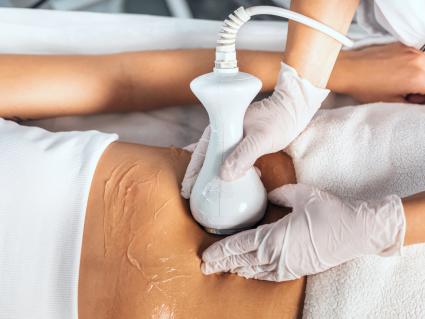
From musculoskeletal pain to wound care and sexual health, softwave is taking the medical industry by storm. Extracorporeal Shockwave Therapy (ESWT) or softwave is your partner in healing and regeneration. This technology offers an effective, noninvasive treatment with no side effects at a fraction of the cost of traditional treatment methods.
Widely studied and FDA-cleared, softwave has proven effective in treating a myriad of conditions through activation of the body’s innate healing response. By generating electrohydraulic acoustic waves that penetrate deep into tissues, softwave activates the body’s cellular receptors resulting in cellular changes such as increased blood circulation, expression and proliferation of growth factors, neovascularization, recruitment and activation of stem cells and modulation of inflammation through cytokines that target inflamed or damaged tissue without causing trauma to healthy tissue. First introduced in the US 20 years ago, softwave has become more widely used and is now available in our office. At the Stram Center, we are constantly looking for ways to improve the health and wellbeing of our patients. Whether you are suffering from chronic pain or other degenerative conditions, softwave offers individualized treatment tailored to your needs and conditions. Patients often experience beneficial effects after just one treatment and there is no downtime with treatments. Learn more about what softwave can do for you by scheduling a consultation with one of our providers. We look forward to being a part of your healing journey.
About Ronald Stram, M.D.Introducing Softwave Therapy Related Services
Integrative Medicine
Integrative medicine is the blending of conventional medicine with holistic, complementary, and alternative medicine. Integrative Medicine is defined as healing-oriented medicine that takes account of the whole person (body, mind, heart and spirit), including all aspects of lifestyle. It emphasizes the therapeutic relationship and makes use of all appropriate therapies, both conventional and…Integrative Medicine
Lifestyle and Prevention
Nutrition is an essential component to preventative health, and is one of the most modifiable factors in our lives. Embracing a proper diet for your body has the power to positively impact your health on all levels, helping you reach your own distinctive state of wellness.Lifestyle and Prevention

Medical Massage
Medical massage therapy identifies the massage therapist as having more medical training and focuses the sessions more specifically. Medical massage therapy can utilize a combination of manual medicine techniques as described below to optimize the effectiveness of this mode of treatment.Medical Massage
Pain Management
Restorative Pain Solutions Pain can affect every part of our lives. Pain can lead to fatigue, emotional distress and many other challenges in addition to the physical discomfort. The causes of pain can vary widely, and although most people with chronic pain share much in common, every person living with pain has their own story. At the Center, our emphasis is on resolving the source of the pain,…Pain Management

SoftWave Tissue Regenerative Therapy
ESWT, or Extracorporeal Shock Wave Therapy is a non-surgical, non-invasive treatment of soft tissue, bone, heel, and joint pain that uses shock waves to stimulate cells and promote healing. SoftWave tissue regenerative therapy is an alternative to surgery to treat musculoskeletal and soft tissue conditions. SoftWave Therapy is a treatment involving SoftWave Tissue Regeneration…SoftWave Tissue Regenerative Therapy
iPad Apps Revolutionize Healthcare
The Stram Center is proud to announce that as of November 15th, we will be the first facility within the USA to offer a special Lyme Care iPAD application to better suite the needs of our patients.
The Lymecare iPad app offers bidirectional information from patients to practitioners as a monitoring tool for cataloging and quantifying symptoms - and adjusting patients back to optimal health. The Lymecare app offers insight both for the patient and the provider to adjust treatment based on the nuances of a complicated multi-system (general such as fatigue and sleep, neurological, psychiatric, musculoskeletal or gastrointestinal) set of symptoms.
Patients can try the Lymecare application free of charge November 15, 2014 - December 15, 2014. After the one-month introductory period, the app will cost $75/month.
Interested in learning more about iPad apps that are revolutionizing healthcare? CLICK HERE