The Fountain (or Food) of Youth
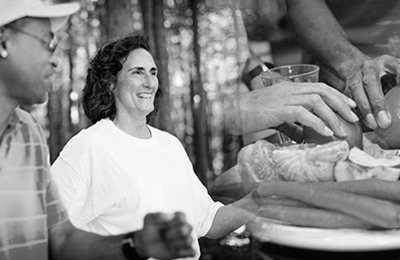
Nutrition is not to be underestimated when it comes to anti-aging. Food alone has the power to keep us feeling and looking vibrant or to actually do the opposite (though please don’t take this to be a scare-tactic). If we look at the multiple opportunities daily that we have to invest in our future self, well now that’s something most of us can get behind. Most of us can find some motivation there, too. Let’s talk about some key foods and key nutrients.
Healthy fats, like those coming from olive oil, nuts, seeds, avocados, and fatty fish, serve so many functions inside the mind and body, as well as on our exterior skin. High quality healthy fats make our skin elastic and prevent it from becoming too dry, which in turn helps fight signs of aging such as wrinkles. Fats also help make up and regulate our hormones, which in turn greatly impact how we age, including how we look, feel, and think. Impressive right?
Let’s talk about proteins next. Amino acids, which there are 21 of, that make up our tissues. We have tissue of all kinds and without all the amino acids in the right amounts, our bodies don’t heal properly. Healing isn’t just for the sick, injured, or hurt. Its needed on a daily basis (and mostly occurs as we sleep). Our cells go through a lot every day, as we come in contact with a lot just living and breathing in our environment. Amino acids are needed for that cell repair (along with sleep and hydration). So, making sure we get a wide array of proteins, from plant, fish, and animal sources, is key.
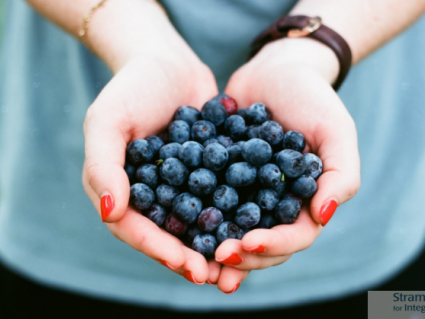
Some other major players you’ll want on your anti-aging team are foods high in antioxidants, fiber, and both pro- and pre-biotic foods. Antioxidants help clean up free radicals, basically remnants of cells destroyed as they serve their purpose helping us to be incredible—fighting illness or disease, hiking beautiful places, filtering the air we breathe, you name it! These powerful plant essentials go to work ridding the body of any such disrepair, allowing us to rebuild; without this cellular clean-up, cancer can start to find a gateway. Since variety is not only the spice of life but also helps us get the widest array of nutrients, try to include fruits and veggies of ALL the colors. And keep your gut going strong with foods that include both soluble and insoluble fibers, as well as pro- and pre-biotic foods.
The Great Hollow, ST 37: Acupuncture point for Large Intestine Regulation

IBS (irritable bowel syndrome) effects about 10% of the world’s population. It is characterized by abdominal bloating, incomplete bowel movements with loose stools or constipation, abdominal pain, and often includes poor sleep, anxiety and depression. The causes of IBS are a poor diet, emotional stress, imbalanced gut microbiome, poor intestinal motility and infection.
Acupuncture is widely used for IBS as it restores balance to the digestion, normalizes bowel function and intestinal motility, calms the nervous system, and reduces stress and anxiety. In fact, acupuncture and Chinese herbal medicine have been shown to be safe and effective treatments for IBS (Yan, et al, 2019).
If you have had acupuncture you’ve experienced both distal (away from the source) and proximal (close to the source) acupuncture points that can treat your condition. A major distal point for treating IBS is....
....ST 37, Shang ju xu, or ‘great upper hollow.’ It is located on the lower leg, one handbreadth below the tibial tuberosity and one finger’s width lateral to the anterior crest of the tibia. ST 37 has a comprehensive ability to treat disorders of the large intestine. Not only does it address IBS related to deficiency, such as that from weak digestion and poor motility, but it also addresses large intestine issues stemming from excess such as infection.
The anatomical function of the large intestine is to allow for the passage of waste while removing and reabsorbing useful electrolytes and water back into the body. The emotional aspect of the large intestine has a part to play in its function as well. ST 37 guides the patient through the mis-regulation of nourishment, referring to the inability to let go properly. If the body is undernourished in a physical or emotional sense it may inadvertently hold onto things (waste) it no longer has a use for. Likewise, the body may too rapidly release what it may still need, as in the case of electrolytes loss from diarrhea.
Classical and newer Chinese medical texts import the patient’s relationship to their condition in both the anatomical and psycho-emotional sense. According to the ancient text, Ling Shu (Spiritual Pivot), circa 2600 B.C., ST 37 is useful for conditions where the patient may be experiencing the sensation of fullness or feel reduced; one feels disquiet but doesn’t know what disease there is; one feels large but feels quite small.
According to The Clinical Practice of Chinese Medicine, disorders related to the need for the application of ST 37 may include digestive stagnation “congruent with feelings of distention and pain in the abdomen, constipation, and intestinal abscess…the embodiment of holding on to that which has lost its value to us in life as a habitual way of avoiding the grief of loss.”
Whatever the root cause may be, ST 37 has a role in the relief of IBS symptoms.
References:
Al-Khafaji, Mazin; Deadman, Peter. A Manual of Acupuncture. The Journal of Chinese Medicine. East Sussex, England,1998.
Jarrett, Lonny. The Clinical Practice of Chinese Medicine. Spirit Path Press. Stockbridge, MA, 2003
Yan J, Miao ZW, Lu J, Ge F, Yu LH, Shang WB, Liu LN, Sun ZG. Acupuncture plus Chinese Herbal Medicine for Irritable Bowel Syndrome with Diarrhea: A Systematic Review and Meta-Analysis. Evid Based Complement Alternat Med. 2019 Apr 14;2019:7680963. doi: 10.1155/2019/7680963. PMID: 31110553; PMCID: PMC6487118.
The Great Hollow, ST 37: Acupuncture point for Large Intestine Regulation Related Blog Posts
The Great Hollow, ST 37: Acupuncture point for Large Intestine Regulation Related Services

Acupuncture
Did you know that acupuncture has been shown to be more effective than conventional treatment for migraines, back and knee pain? Acupuncture is also the complementary therapy most recommended by medical doctors (M.D.'s), and is covered under more insurance plans than ever before. No other traditional healing method has ever earned as much world-wide success, recognition and support! Acupuncture…Acupuncture
The Healing Touch of Myofascial Release Massage
Does your jaw ache since you twisted your knee? Have you suffered with headaches since your hip surgery years ago? There can be a connection, even though most people are not familiar with some of the causes and effects.
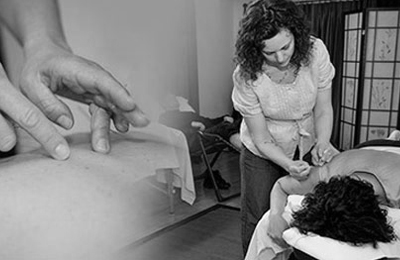
Myofascial release massage (MFR) is a gentle, relaxing massage that works the connective tissues or “fascia” of the body. MFR looks at the structural asymmetries in the body and seeks to find and treat the root causes of problems, instead of only addressing the symptoms. MFR differs from other types of massage in that it applies gentle pressure, held for a length of time, to encourage the connective tissue restrictions to release, to open and elongate the tissues.
Benefits of MFR
The benefits of MFR include pain reduction, a decrease in inflammation, an increase in blood and lymph flow, reduced anxiety, a decrease in joint pain, more oxygen to the muscles, improvements to posture, deeper breathing, restoration of movement and function within the joints and soft tissue, increased energy and slowing or reversing a progression of illness. MFR can have real benefits for chronic conditions like Lyme disease, Fibromyalgia, depression, chronic low back pain, chronic fatigue, GI issues, Rheumatoid Arthritis, and more.
Causes of Fascial Restrictions
Some common causes of fascial restrictions are inflammation, poor posture, involuntary holding patterns due to stress, sitting or standing for long periods of time, physical or emotional traumas, disease, car accidents, repetitive motion, sports injuries and scarring from surgeries. Collagen, elastin and a gel-like substance make up connective tissue. This is what allows tissue to move and stretch as needed. Restrictions occur when the fibers in the fascia stick together and spaces are minimized or closed off completely causing the fascia to lose its fluidity and pliability. The result is pain, poor blood flow, weaker nerve impulses, limited flexibility, tension and stress on the body.
Releasing Fascial Restrictions
MFR treatments apply gentle, sustained pressure to areas of restricted tissue to eliminate pain and improve overall function of the body. MFR treatment helps to release restrictions and can stimulate profound, long-lasting, positive changes in both the mind and body. Since all of us have some degree of facial restriction, everyone can benefit from MFR.
The Heart is Emperor
In Chinese medical theory summer is related to the heart, the emotion joy, the sound of laughter, the ability to sleep, and the function of speech and memory
In western medicine we understand the function of the heart to be related to pumping the blood to supply the body with nutrients and oxygen. In Chinese theory we recognize this along with the concept that the heart is the Emperor and houses the mind. The entire human body can be seen as a kingdom where the center of our being is the heart and the other organs are part of the whole functional dynamic, each with their own unique and necessary roles for the proper maintenance of the kingdom.
The nature of the heart as Emperor is to make its decisions based on clarity. When the heart/mind is clear we sleep well and we are present in conversation. Decision making is easier because we are focused. Things that are harmful to the heart and cloud its ability to “rule” are excessive alcohol intake, anxiety, stress, late nights, and over-thinking; which diminish and stagnate the heart qi causing conditions like insomnia, mania, confusion, poor memory, high blood pressure or depression.
To remedy these symptoms it’s important to clear the mind. This can be cultivated through meditation, quiet contemplation and a lifestyle that allows you to manage the stressors of life. Try being present, listening to your spouse, children, and friends. When they are sharing something with you about their life, look them in the eye and avoid the rustle of thoughts in your own mind. Meditate daily. Clear your mind by beginning the day with 5 minutes of meditation in the morning (for beginners, 30-60 minutes for seasoned meditators). This will give your ‘heart’ a sound ‘throne’ to sit on for the rest of the day.
The Heart of Chinese Medicine

In the Chinese medicine of centuries past, there is no such thing as a broken heart; it is simply impossible.
It is a weighty privilege to share a piece of Acupuncture theory that I am rarely able to speak about in the treatment room, but is quite literally at the center of the tradition. The story of the heart is a story written over many millennia. It is a story wrought by the hand of sages, those with the courage of humility and unflinchingly honest introspection who looked at the world with unconditional compassion. If we are quiet enough, perhaps these whispers from the past will find their way to our own hearts and offer some wisdom and insight into what it is to be human.
We Are of Two Hearts
Yes, two hearts are understood to be within one. The heart is unique in this way, and it is the only internal organ that has two acupuncture channels associated with it. The first heart is the "xin jun" and the second is "xin zhu." The xin jun is that aspect of the heart which by its presence gives order and an awareness of natural living. The xin zhu is the active aspect of the heart that circulates the power, guidance, and vitality of this presence to the entire being via the blood.
Say What?
To understand this, picture a block of wood. You can use it to rest your drink on, or perhaps you can carve something beautiful from it. The most important quality of the block that makes it useful is its substance. Now picture a wooden cup. The most important quality of the cup is its emptiness—its ability to receive. Without its emptiness, it is not a cup.
The xin jun is the cup, that place of emptiness that receives. It cannot be touched, nor can it be harmed, hurt, or broken in any way—just like the emptiness of the cup. What is it that the xin jun receives? The "shen," a term that is most often translated as "spirits." This does not mean the heart receives ghosts or incorporeal souls. The shen are not of individual being, they are a spiritual quality that informs the individual being, but are not limited to the individual being. What the shen inform the individual being of is called "te," or virtue. This is the same word found in the title of Lao Zi's well known Tao Te Jing, "The Classic Text of the Way and Virtue," the oldest pieces of which date back to the 4th century BC.
Defining Virtue
Like "spirits," the traditional concept of virtue differs from how we may think of it in the modern West. To us, virtue is often thought of as that which is morally and ethically positive. For example, courage, charity, and honesty are well known virtues. The traditional Chinese concept of virtue is that which puts us in accord with nature and the natural movement of life. It is immediate in every moment, and provides the relationship that puts the current of our life within the broader current of life itself.
What Does It All Mean?!
Within the human being there is a space that receives a sort of information and awareness about the flow of life within and without. That place is the xin jun (inner heart), and that information is te (virtue). If we are alive, this place exists in pristine completeness, and cannot be touched by pain or disease. It is always there. Its influence is spread throughout the human being by the xin zhu (outer heart). That influence at once provides the blueprint for healthy body, mind, and spirit. It is not strictly spiritual, as the traditional view never separated body and spirit; they are two inseparable aspects of one whole and complete life.
Question
The question arises: if we have this place of connection to a sort of universal wisdom, why are there times we are less than perfectly wise? While the inner heart cannot in itself be harmed, it can be obscured from us. That is—our ability to connect with it can be compromised.
Fear can obstruct our connection with it, as can greed and dishonesty; so can physical ailment or injury, in some cases. Anything that takes our ability to stand in front of ourselves unadorned, simple, and honest can obscure it. This is why the sages of most Far Eastern wisdom traditions instruct the emptying of the mind and the relinquishment of greed and self-interest. It isn't for the sake of conforming to accepted social values or seeming cool, it is to find clarity of mind, spirit, and body for the benefit of the one life that flows through us and all others. Love the life that is you, follow the life that is universal, and realize that they are one—no separation.
A Consideration of Language
These thoughts may sound strange and foreign to those raised in the Modern west, but perhaps it is more the language that is unusual to us, not the concepts. In parting, consider the ideas above in comparison with the words below from teachers of traditions most of us are more familiar with:
"...but there is a root or depth of thee from whence all these faculties come forth, as lines from a centre, or as branches from the body of a tree. This depth is called the centre, the fund or bottom of the soul. This depth is the unity, the eternity-I had almost said the infinity-of thy soul...."
- William Law (18th century priest and theologian)
"There is something nearer to us than Scriptures, to wit, the Word in the heart from which all Scripture comes."
-William Penn (17th-18th century Quaker, and founder of the Province of Pennsylvania)
"Goodness needeth not to enter into the soul, for it is there already, only it is unperceived."
-Theologia Germanica (circa 14th century, author unknown)
"Would you become a pilgrim on the road of Love? The first condition is that you make yourself humble as dust and ashes."
-Khaja Abdullah Ansari of Herat (11th century Persian Sufi)
"Heavens, deal so still! Let the superfluous and lust-dieted man that slaves your ordinance, that will not see because he doth not feel, feel your power quickly."
-Shakespeare ("King Lear" Act 4, Scene 1)
The Importance of Therapy All Year Round

The end of the year often brings reflection, comparison, and pressure to change, making the need for support feel urgent. While therapy is frequently promoted during difficult seasons, it is most effective when approached as an ongoing, intentional relationship—not a last-resort solution. A strong therapeutic fit fosters self-understanding, emotional awareness, and healthier relationships, helping individuals process pain, heal relational wounds, and reconnect with their needs and values. Therapy offers a compassionate space to explore who we are and what change can feel like in the body. Choosing aligned, thoughtful support empowers meaningful healing and reminds us that we already carry the answers within ourselves.
This time of year tends to be a pressure cooker for making changes. Whether the catalyst was that Thanksgiving dinner that ended terribly or that conversation you had with your boss about a raise that lingered with you at night, we are in a period of deep reflection in these last few weeks of the year, questioning our accomplishments and comparing ourselves to others. It can feel dire to seek out support. Therapy and support are strongly encouraged right now; we see them in commercials and ads on our phones, but they should be encouraged all year round, not just when life feels the hardest. When we are so desperately needing help, we may be less inclined to see if that therapist is even right for us. We may miss signs of disconnect. Therapy is a relationship. It’s a bond, and unfortunately, it's not always easy to find with how our systems operate.
Quality mental healthcare is crucial in a society that overlooks many of its population. Therapy, when it’s a good fit, brings us closer to ourselves, our needs, wants, and desires. Therapy also brings us closer to healthy relationships and makes us more attuned to what others need. This relationship can help us find tools to feel the feelings that are stuck in our throats; tools to help manage the cycle of symptoms with chronic or seasonal pain. Therapy allows us to confront parts of ourselves and parts of our past in a container of compassion. This relationship will enable us to heal and correct relational wounds from our parents, siblings, partners, and friends. Therapy, most importantly, is a journey to learn about who we are. Therapists put up a mirror to their clients, and it’s up to us to look, reflect, and get curious about what we can change about ourselves to make the world a better place. I invite you all to think about what support really looks like for you, what you imagine change and healing to feel like in your body. Try to really visualize it. What would need to happen for you to get to a better place? What is in the way?
Be selective about therapeutic support: make sure it aligns with you, challenges you, helps you think outside your own world, and considers who is already in your life that you can lean on and who leans on you. Our healthy relationships can heal us. Our relationships help us find meaning in a world that is full of suffering. We all already possess the answers; we sometimes need someone else to hold our hand, sit, and be patient, to help us find what we need.
The Importance of Therapy All Year Round Related Blog Posts



The Keto Diet and Epilepsy Treatment

We keep hearing so much about the Ketogenic Diet, and there’s good reason for that! Being in a state of ketosis (where the body is burning ketones) can have many benefits, from healing chronic illness to improving overall performance. The “keto diet,” as it’s called, was originally studied and used to treat epilepsy. It was proven extremely effective but still not that commonly used until further researched. The ketogenic diet is primarily comprised of fat, moderate amounts of protein, and very little carbohydrate. The diet is called “ketogenic” because it shifts the body’s primary fuel source from burning glucose to burning ketones, which the liver makes as it converts fat into this new fuel source. Ketones are unique because they are one of the only molecules that can cross the blood-brain barrier. This allows ketones to be an alternative fuel source for the brain.
This special high-fat, low-carbohydrate diet can help to control seizures in some people. The classic “keto diet” used is also called the “long-chain triglyceride diet” and provides 3 to 4 grams of fat for every 1 gram of carbohydrate and protein. Often, the ketogenic diet is recommended for patients whose seizures have not responded to several different seizure medications. The classic ketogenic diet is not widely recommended due to the limitations making it difficult to follow or stay on. However, the ketogenic diet has been shown in many studies to be particularly helpful for infantile spasms, Rett syndrome, tuberous sclerosis complex, Dravet syndrome, Doose syndrome, and GLUT-1 deficiency. Aside from these epilepsy condition, the diet can also work well for children with focal seizures (seizures that can start in one area or group of cells in one side of the brain).
With about 90% of calories coming from fat, it’s important that meals are careful planned and prepared. While certain foods and amounts are certainly limited, this diet does not restrict calories and aims to meet the individual’s needs for energy and overall nutrition. The ketogenic diet ratio (ratio of fat to carbohydrate and protein grams combined) can range from 3:1 to 4:1. A 3:1 ratio is typically used for infants, adolescents, and children who require higher amounts of carbohydrate or protein for some other reason. A 4:1 ratio is more strict and is typically used for most children. Common sources of fat for the ketogenic diet range from butter, cheese, heavy whipping cream, and mayonnaise, to healthier fats, including olive and avocado oil, nuts and seeds, avocados and olives, coconut and coconut oil, cacoa nibs, fatty fish, and sometimes full-fat Greek yogurt.
So does it work? It can and does! Studies have shows that the ketogenic diet reduces or prevents seizures in many children whose seizures could not be controlled by medications. Over half of children who followed a ketogenic diet had at least a 50% reduction in the number of seizures and some children, about 10-15%, even became seizure-free. This diet therapy is extremely effective and, like most medical nutrition therapies, should be used with the help of a registered dietitian who has experience working with these conditions and diets.
Sources:
https://www.ncbi.nlm.nih.gov/books/NBK209323/
https://www.epilepsy.com/learn/treating-seizures-and-epilepsy/dietary-therapies/ketogenic-diet
https://www.epilepsy.com/connect/seizure-and-epilepsy-news/keto-news
About Janna Neitzel,, MS, RD, CDNThe Keto Diet and Epilepsy Treatment Related Blog Posts

The Keto Diet and Epilepsy Treatment Related Services
Integrative Medicine
Integrative medicine is the blending of conventional medicine with holistic, complementary, and alternative medicine. Integrative Medicine is defined as healing-oriented medicine that takes account of the whole person (body, mind, heart and spirit), including all aspects of lifestyle. It emphasizes the therapeutic relationship and makes use of all appropriate therapies, both conventional and…Integrative Medicine
Lifestyle and Prevention
Nutrition is an essential component to preventative health, and is one of the most modifiable factors in our lives. Embracing a proper diet for your body has the power to positively impact your health on all levels, helping you reach your own distinctive state of wellness.Lifestyle and Prevention
Nutritional Counseling
The practitioners at the Center recognize that diet is often the basis for your heath and your potential to heal. Adopting a healthy diet is often the first step towards correcting health problems. Many medical conditions can be treated more effectively when the patient implements specific diets and uses nutritional supplements. These interventions afford fewer complications and side effects than…Nutritional Counseling
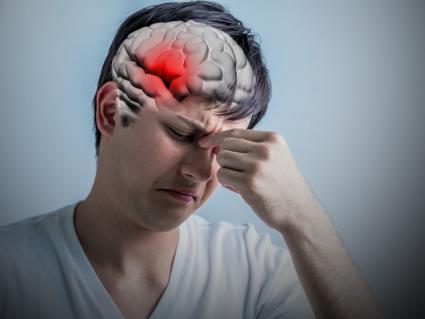
The Ketogenic Diet for Traumatic Brain Injury

We keep hearing so much about the Ketogenic Diet, and there’s good reason for that! Being in a state of ketosis (where the body is burning ketones) can have many benefits, from healing chronic illness to improving overall performance. The keto diet, as it’s called, was originally studied and used to treat epilepsy. It was proven extremely effective but still not that commonly used until further researched. The keto diet is primarily comprised of fat, moderate amounts of protein, and very little carbohydrate. The diet is called “ketogenic” because it shifts the body’s primary fuel source from burning glucose to burning ketones, which the liver makes as it converts fat into this new fuel source. Ketones are unique because they are one of the only molecules that can cross the blood-brain barrier. This allows ketones to be an alternative fuel source for the brain.
The ketogenic diet seems to enhance the ability of mitochondria (the power plants of our cells) to deliver our bodies’ energy needs in a manner that reduces inflammation and oxidative stress. To do this, the body must shift from primarily burning glucose/sugar to burning ketones produced by the liver as it uses fat for fuel. Cutting off the primary source of glucose (sugar) is key and this is no easy feat, as carbohydrates make up most of the Standard American Diet, as well as many other diets around the world. Additionally, our bodies are used to using glucose/carbohydrate and typically crave this fuel source. On the flip side, having a diet that is fat-based with substantial protein and very little carbohydrate is more satiating, helping one feel full after a keto-style meal and keeping them full longer with more stable blood sugar. Stable blood sugar levels prevent the fat-storage hormone insulin from spiking, making this diet a recent hot topic as it pertains to weight loss (but that’s a discussion for another day).
When it comes to overall brain health and healing, the keto diet especially shines. As mentioned, ketones can cross the blood-brain barrier and fuel the brain for functioning and healing. Additional research shows that ketones decrease oxidative stress, increase antioxidants, and fight free radicals, all of which promote healing of the brain. About 1.7 million people in the US sustain a TBI (traumatic brain injury) each year, making it a major health concern. Current research shows the effectiveness of ketones in reducing brain edema, improving cortical ATP levels, and decreasing the size of contusion. The ketogenic diet could easily become part of standard treatment of care for any intracranial pressure as well as functional recovery.
As previously mentioned, achieving ketosis isn’t easy, as it requires not only a very different approach to food and fueling one’s body but also might now physically “feel good” initially. The body can have difficulty shifting its fuel source (called metabolic flexibility) and it’s common to feel what’s called the “keto flu.” Symptoms can include brain fog, dizziness, fatigue, nausea, difficulty sleeping, and irritability. Not everyone experiences these transitional symptoms and they typically only last a couple days before noticeable improvements. It is recommended that anyone wishing to transition to a ketogenic diet consult a registered dietitian, especially individuals with diabetes, as they are at increased risk for ketoacidosis, a dangerous state caused by the body storing up too many ketones, making the blood too acidic. Please check with an experienced practitioner who is knowledgeable about the diet and can make recommendations based on your individual medical history.
Sources:
https://www.ncbi.nlm.nih.gov/books/NBK209323/
https://www.amenclinics.com/blog/3-ways-the-keto-diet-can-help-heal-a-concussion/
https://clinicaltrials.gov/ct2/show/NCT03982602
https://www.ncbi.nlm.nih.gov/pmc/articles/PMC5012517/
https://charliefoundation.org/am-i-a-candidate/keto-for-tbi/
The Ketogenic Diet for Traumatic Brain Injury Related Blog Posts
The Ketogenic Diet for Traumatic Brain Injury Related Services
Nutritional Counseling
The practitioners at the Center recognize that diet is often the basis for your heath and your potential to heal. Adopting a healthy diet is often the first step towards correcting health problems. Many medical conditions can be treated more effectively when the patient implements specific diets and uses nutritional supplements. These interventions afford fewer complications and side effects than…Nutritional Counseling
Integrative Medicine
Integrative medicine is the blending of conventional medicine with holistic, complementary, and alternative medicine. Integrative Medicine is defined as healing-oriented medicine that takes account of the whole person (body, mind, heart and spirit), including all aspects of lifestyle. It emphasizes the therapeutic relationship and makes use of all appropriate therapies, both conventional and…Integrative Medicine
Naturopathic Medicine
Much like a general practitioner, a naturopathic doctor manages a broad range of health conditions affecting all people of all ages. However, naturopathic medicine is a distinct system of primary health care, distinguished by the healing principles upon which its practice is based.Naturopathic Medicine
The Kidney: The Body’s Energy Foundation
During ancient times, the Chinese medical doctors who had the least ill patients were considered the best. Traditionally, the practice of Chinese medicine was used to prevent disease, maintain health and contribute to longevity as well as to treat all kinds of illnesses. So, receiving regular acupuncture treatments can not only help prevent the occurrence of many diseases, but help you live longer. Treatments can help strengthen the body to improve immune function, inhibit disease growth, protect the organs to ensure their healthy functioning, and calm the mind and emotions.
Simply by living our lives and aging there is a natural amount of depletion we experience, so it is important to find ways to continually build our bodies and minds...
According to Chinese medicine, we are born with a given amount of energy, called our prenatal Qi, which is kind of like a savings account. After we are born, it is up to us to continue to replenish and build our reserves, called our postnatal Qi, which is like a checking account that we sometimes withdraw from, but that we need to make regular deposits into also. We do this through good lifestyle practices that will ensure longevity, such as consuming good food and drink, proper exercise, good sleep, stress management... and acupuncture!
According to Chinese medical theory, the kidneys are considered “the body’s energy foundation that generate the power for the entire body and support the activities of all other organs” (Lu, p.133.) They are responsible for growth, development and reproduction, they nourish the bones and marrow, regulate water passages, open to the ears and throat and are reflected in the hair on the head and are said to be the residence of our will.
The third point on the Kidney channel, is named Tai Xi (pronounced ‘tie shee’) which translates to supreme stream. It is located on the inside of the ankle in the depression between the high point of the ankle bone and the Achilles tendon. This point can nourish our deepest source of energy. Among the many actions and indications of this point, it is used to support many of the processes that occur with aging—it helps to strengthen the lower back, can clear heat contributing to night sweats and chronic dry sore throat, can help relieve frequent urination, tinnitus and insomnia.
The next time you are on the floor stretching, massage this point with your thumbs. Incorporating this into your self-care routine can help contribute to your longevity.
Sources:
A Manual of Acupuncture by Peter Deadman
A Woman’s Guide to Healing from Breast Cancer by Nan Lu, O.M.D., L.Ac.
The Many Benefits of Taurine: How to Reduce Inflammation & Protect Your Muscles

What is taurine? It is not quite an amino acid, but it is an amino sulfonic acid. It can be obtained naturally in the diet predominantly from meat, fish, and eggs. It can also be made in the body from other amino acids such as cysteine but not in large amounts. Taurine is found in many important areas of the body including the heart, brain, retina, and skeletal muscle. In some animals such as cats, taurine deficiency can lead to retinal degeneration and blindness as well as cardiomyopathy which is a type of heart failure. In Japan taurine is actually used as a treatment for congestive heart failure. Studies have shown that taurine supplementation can improve left ventricular ejection fraction and improve exercise tolerance in those with ejection fractions of less than 50%....
Taurine does not help to build muscle, but it appears to help protect muscles and nerve cells from inflammation and oxidative stress. Taurine has been shown to have both an anti-inflammatory and anti-oxidant properties! As an anti-inflammatory it protects muscle cells from excessive protein breakdown and as an anti-oxidant it protects mitochondria from damage. These protective effects can help to preserve muscle and fight muscle loss especially in older adults.
Taurine also has been shown to reduce inflammatory cytokines including TNF-alpha4. It is thought that TNF-alpha contributes to the inflammatory response in autoimmune conditions including rheumatoid arthritis.
Interesting the effects of taurine have also been shown to improve metabolic diseases including insulin resistant or type 2 diabetes. In diabetes, there is a high amount of inflammation and oxidative stress due to chronic elevated blood sugar. In one small study of 50 type 2 diabetic patients, the patients who took taurine vs placebo had statistically significant decreases in hs-crp (a cardiac inflammatory indicator) and in TNF-alpha5. Interestingly there was also a statistically significant increase in SOD or superoxide dismutase which is an anti-oxidant.
In most every chronic disease we see an increase of inflammation and oxidative stress. Taurine appears to assist in decreasing both. As a nutrient the body already makes in relatively small amounts, it have very little side effects or contraindications. But as with any use of nutrients at therapeutic doses, it is best to consult with your practitioner to verify proper dosing or any possible interactions.
References 1. Effects and Mechanisms of Taurine as a Therapeutic Agent
Stephen Schaffer and Ha Won Kim Department of Pharmacology, College of Medicine, University of South Alabama, Mobile, AL 36688, USA Department of Life Science, University of Seoul, Seoul 02504, Republic of Korea
2. Effect of taurine supplementation on exercise capacity of patients with heart failure Mohamad Reza Beyranvand (MD), Mahshid Kadkhodai Khalafi (MS), Valiollah Dabidi Roshan (PhD), Sirrus Choobineh (PhD),Saeid Alipour Parsa (MD, Mohammad Asadpour Piranfar (MD, PhD), Shahid Beheshti Medical University, Loghman Hakim Hospital, Tehran, Iran b Mazandaran University, Mazandaran, Iran ehran University, Tehran, Iran Shahid Beheshti Medical University, Labafinejhad Hospital, Tehran, Iran Shahid Beheshti Medical University, Taleghani Hospital, Tehran, Iran
3. The Beneficial Effect of Taurine to Counteract Sarcopenia Bianca Maria Scicchitano and Gigliola Sica Istituto di Istologia ed Embriologia, Università Cattolica del Sacro Cuore, Fondazione Policlinico Universitario Agostino Gemelli, Largo Francesco Vito 1-00168, Roma, Italy Taurine and inflammatory diseases Janusz Marcinkiewicz Ewa Kontny Received: 24 April 2012 / Accepted: 3 July 2012 / Published online: 19 July 2012 The Author(s) 2012. This article is published with open access at Springerlink.com
5. The effects of taurine supplementation on oxidative stress indices and inflammation biomarkers in patients with type 2 diabetes: a randomized, double-blind, placebo-controlled trial Vahid Maleki, Reza Mahdavi, Fatemeh Hajizadeh‐Sharafabad and Mo