Supporting Hormonal Health Through Food

Women’s bodies transition through many different phases throughout the lifecycle. Because of this, their nutritional needs vary greatly as well. There are several dietary approaches that can help to support the female body during these different stages of life. Here are some nutrition approaches to consider....
Seed cycling to support hormonal health:
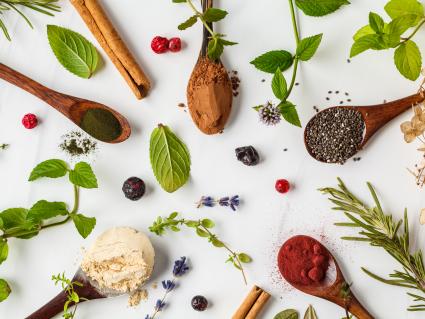
This strategy can be especially helpful for females with menstrual cycles. Seed cycling is intended for long-term use (starting with a minimum of three months) and entails eating certain seeds at certain times during the cycle. During the first half of the menstrual cycle (day 1-14 of menses, with day 1 = first day of menstruation) consume 1 tablespoon of ground flax seed and 1 tablespoon pumpkin seeds per day. During the second half of the cycle (days 14-28) consume 1 tablespoon sunflower seeds and 1 tablespoon sesame seeds per day. For those who cannot consume seeds these can be ground into seed butters. These seeds or seed butters can be a great addition to yogurt parfaits, smoothies, or used in energy balls with other nuts and dried fruits.
Extra detox support with cruciferous veggies:
For women with excess estrogen, estrogen dominance, poor liver functioning, or difficulty detoxing, including cruciferous veggies daily can help. Cruciferous veggies include cabbage, broccoli, cauliflower, brussels sprouts, arugula, bokchoy, watercress, radishes, collards and kale. Broccoli sprouts are particularly powerful additions to the diet due to their potent amount of sulforaphane.
Blood sugar balance is essential for hormonal balance:
To balance blood sugar, make sure to eat adequate protein, healthy fat, and fiber with meals. Reducing carbohydrates can sometimes be helpful, particularly if the bulk of meals is carbohydrate-based. In general, trying to avoid processed carbohydrates and focusing on healthy whole-food forms of starch supports better blood sugar balance, such as swapping out a turkey sandwich at lunch for a salad with chicken, chopped veggies and greens, avocado and beans.
If you have been focusing on these concepts already and find you are still struggling with hormonal balance, consider working with a functional practitioner and dietitian to look a bit deeper into the many areas that affect endocrine functioning. Deeper testing of hormone production and metabolism is often very helpful to determine where issues are stemming from. A functional practitioner can offer this insight along with supplement and lifestyle modifications to help lead your body back into balance.