Limbic and Vagal Dysfunction
The Limbic and Vagal systems are both involved in controlling processes of the Autonomic Nervous System (ANS) - our body’s system that regulates involuntary processes. The ANS consists of the Sympathetic Nervous System (SNS), which controls our “fight or flight” response, and the Parasympathetic Nervous System (PNS), traditionally known for its function in “rest and digest. The Polyvagal theory, coined by Dr. Stephen Porges, breaks the PNS down further, setting a foundation for understanding of the PNS through the lens of two main pathways of the Vagus Nerve, Cranial Nerve X: the Dorsal Vagal branch and the Ventral Vagal branch. Both branches originate from adjacent locations of the Medulla Oblongata in the brainstem. These branches are functionally and structurally different, and therefore play different roles in regulating the PNS.
➢Ventral Vagal branch
○ Runs above the diaphragm (think heart rate, breathing, facial cues)
○ When faced with cues of safety, the Ventral Vagal Branch responds by
prompting relaxation and social connection.
➢ Dorsal Vagal Branch
○ Runs below the diaphragm (think digestion)
○ When faced with severe threats to safety, the Dorsal Vagal branch
responds with a “freeze” or “immobilization” response. A good example of
this in nature is of the opossum “playing dead”.
The third Autonomic Nervous System response, is the
➢ Sympathetic Nervous System
○ Controlled by nerves originating from the spinal cord.
○ Responds to perceived threats with a “fight or flight”, or “mobilization”,
response.
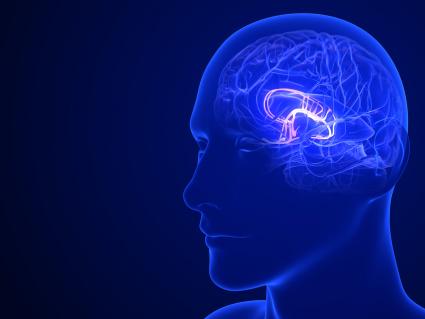
The Limbic System acts as a control center by subconsciously gaining information from our
environment and body. The limbic system consists of a network of structures in the brain
(labeled below) that work to:
➢ Interpret, sort, and categorize sensory input
➢Regulate emotion, cognition, pain, energy, and sensitivity

When in homeostasis, these systems are working together to easily bring us in and out of the Ventral, Dorsal, and Sympathetic states based on our daily experiences. However, when exposed to trauma, whether a single isolated event, or a recurring event(s), the Vagal and Limbic systems can become dysregulated. We may become stuck in a “fight or flight” or an “immobilization” response and have difficulty getting back to the Ventral Vagal state of feeling relaxed and socially connected. Moreover, the Dorsal and/or Sympathetic responses may also become more easily triggered by minor internal/external stimuli. Examples of Triggers of Limbic and Vagal Dysfunction that we commonly encounter include ➢ Tick borne infections, Strep, EBV, Mycoplasma, COVID, mycotoxin illness, environmental exposures, exposure to lived traumatic event(s), and other chronic inflammatory illnesses. When the ANS becomes hyperresponsive, we can experience symptoms affecting both mental and physical health, such as ➢ states of anxiety or panic, increased anger or mood dysregulation, depression, memory loss and other cognitive dysfunction ➢ changes in heart rate, respiration, blood pressure, digestion, sleep, immune function, sexual function, pain, fatigue, sensitivities.
How is Limbic and Vagal Dysfunction Addressed?
There is countless research backing up the use of breathing techniques, meditation, Tai Chi, and yoga to calm the nervous system and promote relaxation. Regular implementation of these techniques is encouraged and helpful. However, there are therapies that are more
specifically targeted towards Vagal and/or Limbic impairment. A few are listed below:
➢ Neuroplasticity
○ Plasticity is defined as “the capacity to be shaped, molded, or altered”. Our
brain has this capacity to essentially “rewire” neural networks that may be
stuck in a certain trauma-based loop.
○ There are research-backed programs out there to explore that focus on
daily guided sessions of Limbic Retraining that focus on the concept of
neuroplasticity. Discuss with your healthcare provider which specific
program(s) might be right for you.
➢ Targeted Exercises
○ Working with a skilled Cranio-Sacral Therapist
○ Various exercises are explained in the book listed below by Cranio-Sacral
therapist Stanley Rosenberg
➢ Vagal Nerve Stimulation Device
○ FDA approved for treatment resistant Depression, Epilepsy, and stroke
rehabilitation.
○ Possible applications may include Chronic pain, Migraines, Gastroparesis,
Cardiovascular Disease, Lung Injury.
➢ …and more. This is a growing field, and new options are continuously being
researched. It is always recommended to have a discussion with your healthcare
provider about which option(s) may be right for your specific situation, as everyone
may respond differently or better to certain therapies based on the trigger of the
dysfunction and symptoms/systems involved.
Addressing Limbic and/or Vagal Dysfunction can be an important piece in the journey of
healing from chronic illness and trauma. It can help promote self-growth, and allow for
deeper, more integrated healing.
Sources
The Polyvagal Theory in Therapy by Deb Dana
Accessing the healing power of the Vagus Nerve by Stanley Rosenberg
https://www.frontiersin.org/jo...
https://www.ncbi.nlm.nih.gov/p...
https://www.dovepress.com/arti...
Limbic and Vagal Dysfunction Related Blog Posts

Limbic and Vagal Dysfunction Related Services
Integrative Cancer Care
KNOW ALL YOUR OPTIONS A cancer diagnosis is stressful, frightening and overwhelming. Making decisions about treatment during this phase is challenging. Conventional oncologists usually recommend only conventional treatment such as chemotherapy, radiation and surgery, but you may be left wondering, "is there something else that can benefit me?" Your cancer consultation at the Stram Center will…Integrative Cancer Care