Using Movement to Fight Cancer

Scientific review shows that tai chi and qi gong have positive effects for people with cancer.
Exercise is always an essential part of ensuring muscle strength, joint flexibility, adequate blood circulation and enhancing one’s mood. The gentle movements of tai chi and qi gong can be beneficial forms of exercise during and after cancer treatment.
A 2014 scientific review of qi gong and tai chi found that these revered therapies have positive effects for cancer patients; namely an enhanced quality of life including decreased fatigue, enhanced immune function and positive effects on cortisol levels. Alongside other forms of exercise tai chi has demonstrated benefits for the reduction of anxiety and insomnia.
Rooted in Chinese medicine and Taoist philosophy, tai chi and qi gong share the fundamental qualities of relaxation and slowness, comprised of specific movements, breathing exercises and meditations. There are many forms of qi gong and tai chi techniques that allow the practitioner greater range of motion while promoting self awareness. As practices, tai chi and qi gong boost one’s vitality by circulating qi and blood along meridians (energetic pathways). Subtle and repetitive micro movements of the muscles help to establish strength and balance without the requirement of undue exertion.
There are several styles of tai chi utilized today, the most common are Yang style and Chen style which are widely practiced in the United States. There are also numerous qi gong styles that are used to heal oneself and also applied as a healing modality by Chinese medical practitioners. Both tai chi and qi gong can be used as foundations and as lifelong pathways for mental, emotional and physical well being.
References:
1. Great Grand Master Kellen Chia: http://www.taichisociety.net/difference-between-tai-chi-qigong.html
2.Zeng Y, Luo T, Xie H, Huang M, Cheng AS. Health benefits of qigong or tai chi for cancer patients: a systematic review and meta-analyses. Complementary Therapies in Medicine 2014; 22(1): 173-186.
3.Exercise interventions on health-related quality of life for cancer survivors.Shiraz I Mishra1,Roberta W Scherer, Paula M Geigle, Debra R Berlanstein, Ozlem Topaloglu, Carolyn C Gotay, Claire Snyder. Cochrane Gynecological, Neuro-oncology and Orphan Cancer Group.Published Online: 15 AUG 2012
Using Natural Flavor Enhancers to Create Delicious and Nutritious Meals!
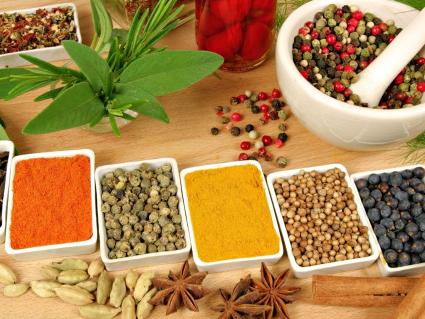
In recognition of National Nutrition Month® 2016, work to Savor the Flavor of Eating Right! Many feel that the only way to flavor food is to add oil and/or salt. While oil and/or salt can be an important part of flavoring a dish, there are many other more nutritious and delicious ways to flavor foods using natural flavor enhancers. Natural Flavor Enhancers are food items that can be used to enhance the flavor of your food. It is recommended to experiment with the many possible flavor combinations by using several flavor enhancers in a dish. Below are examples of common flavor enhancers.
Types of Natural Flavor Enhancers:
- Herbs- Fresh or dried- To substitute use 3x as much fresh herb for dry herbs in a recipe. If using fresh herbs, add them at the very end of the cooking process as large amounts of heat can diminish the flavor of the herbs. If using dried herbs, add them towards the beginning or middle of cooking.
Ex. recipe calls for 1 tsp. dried basil, you should use 1 tablespoon (3 tsp= 1 tbsp.)
- Spices- If you are using spice blends be sure to check the ingredients for salt
*Make your own dried herb and spice blends to use to flavor your favorite foods
*Look for herb/spice blends in cookbooks or online.
- Garlic- add to your favorite food, roast and use as a spread
- Onion- provides great flavor as you cook it, try different types
- Vinegar- a teaspoon of vinegar can really bring out the flavor of a dish. Experiment with different kinds (red wine, white, apple cider, balsamic, sherry, and malt vinegar)
- Mustard- Use dried or already prepared- A great way to fill the missing taste in a recipe.
- Citrus juice-a little fresh lemon, orange, or lime juice can really bring out the flavor or a recipe.
- Sweetness- sometimes a little sweetness from fresh fruit, dried fruit, or a healthy sweetener such as maple syrup can also help to bring out the flavor of a meal. Use in moderation and consider limiting if you have blood sugar issues.
- Ginger- Ideally use fresh ginger to help brighten up a recipe. Simply peel, and either grate or finely dice. Add to your favorite foods. It even goes great with fruit or smoothies!
Below is a full flavor recipe using a variety of natural flavor enhancers! Consider making this recipe with your own natural flavor enhancers!
Balsamic Glazed Greens topped with Pumpkin Seeds and Dried Fruit
Recipe by Eric C. Sharer, MPH, RD, CSO, CDN
Ingredients:
1 head shallots, peeled, and diced
1 each large onion, peeled, and diced
1-2 cups vegetable broth/water
1 head greens of choice (kale, collards, Swiss chard, mustard greens, etc.) chopped
1 cup nuts/seeds (pumpkin seeds, almonds, pecans, pistachios, etc.)
1 cup dried fruit (tart cherries, raisins, apricots, etc.)
2-3 tbsp.Balsamic vinegar
To taste Salt/pepper
Optional:2 tbsp. fresh parsley, finely chopped
Directions:
- Heat ¼ cup of liquid in a large pan over medium-high heat. Once water starts to simmer add shallots and onions. Continue to add small amounts of water to prevent vegetables from sticking. Cook 3 minutes.
- Add greens, nuts, and seeds. Cook until greens are tender, about 5-8 minutes. Season with balsamic vinegar, salt, and pepper. Add parsley if using and stir well
VAP Testing: Reduce Your Cardiovascular Risk
Introducing VAP for the most comprehensive Cardiovascular blood test available.
The Stram Center now offers the newest and most advanced testing on cardiovascular health prevention: introducing VAP. VAP is an enhancement of the traditional lipid profile. Traditional lipid testing consistently underestimates LDL levels, putting patients at risk for undetected cardiovascular disease. VAP will reveal 70% more crucial information on your cholesterol, and furthermore can help determine what dietary and lifestyle changes are needed to reduce your risk.
To watch a video on VAP, click here: https://www.youtube.com/watch?
Vitamin C: An Integrative Option for Breast Cancer
As many of you are probably already aware, October is breast cancer awareness month. Despite a decreased rate in breast cancer deaths from 53.8 per 100,000 in 2006 to 45.7 in 2016, breast cancer continues to remain the second leading cause of cancer deaths of women in the United States (CDC, 2018).
Women with the highest risk of breast cancer are those with a family history of breast cancer or inherited changes in genes BRCA1 and BRCA2. Hormone levels, particularly estrogen and progesterone, can also contribute to the risk of breast cancer (American Cancer Society, 2017).
Traditionally once an individual is diagnosed with breast cancer, a patient is referred to an Oncologist (Cancer Doctor) for further treatment and management of the disease process. Typically, many patients undergo a variety of treatments including, but not limited to: surgical intervention, chemotherapy, and radiation. Although this treatment regimen is considered “conventional” medicine, there are other “alternative” treatments to be considered for cancer patients; particularly IV (intravenous) Vitamin C. Vitamin C is an essential nutrient in the human body that serves as an important antioxidant in the oral form. Vitamin C plays a critical role in energy metabolism, wound healing, function of the nervous system, and synthesizing of carnitine and neurotransmitters. Cells that require a high level of Vitamin C include immune, nerve, and bone cells.
High dose IV Vitamin C has both a pro-oxidant, anti-tumor cell effect ( due to the lack of a specific enzyme in cancer cells but present in normal cells that protects against the free radical formation caused by high dose Vitamin C ) as well as an antioxidant effect on healthy cells, resulting in an overall anti-proliferative effect toward various cancer cells, including breast cancer cells. According to Vollbracht, et al., 2011, “ the rationale behind the use of Vitamin C complementary in oncology is to combat oxidative stress, which is a major factor in chemotherapy and radiation-related side-effects that is often overlooked. Tumor cells metabolism, surgery, chemotherapy and radiation lead to an increase in reactive oxygen species (ROS), which stresses the antioxidant defense system and induces oxidative stress” (pg. 984). A retrospective, multicenter, epidemiological cohort study evaluated the effectiveness of IV vitamin C in individuals with primary non-metastasized breast cancer undergoing antineoplastic treatment. Results concluded those who received IV Vitamin C reported a reduction of complaints induced by the disease process and “conventional” treatments including chemotherapy and radiation therapy. In particular, patients in the study group reported a decrease in nausea, loss of appetite, fatigue, depression, sleep disorders, and dizziness (Vollbracht, et al., 2011). Patients also reported an increase in overall quality of life after IV Vitamin C administration as well.
We, at the Stram Center, often provide care to individuals suffering from cancer; in particular breast cancer with high dose IV Vitamin C administration. Our philosophy is to provide our patients with all potential treatment modalities accessible to them that have the greatest potential benefits against cancer. We often work in conjunction with the patients Oncologist to develop the optimal wellness plan to defeat breast cancer. It never hurts to get a second opinion when it comes to your health and well-being.
References:
American Cancer Society. (2017). Hormone Therapy for Breast Cancer. Retrieved September 26, 2017, from https://www.cancer.org/cancer/breast-cancer/treatment/hormone-therapy-for-breast-cancer.html
Centers for Disease Control and Prevention. (2018, May 31). Morbidity and Mortality Weekly Report (MMWR). Retrieved from https://www.cdc.gov/mmwr/volumes/67/wr/mm6721a8.htm
Centers for Disease Control and Prevention. (2018, September 11). Breast Cancer. Retrieved from https://www.cdc.gov/cancer/breast/basic_info/high-risk.htm
Vollbracht, C., Schneider, B., Leendert, V., Weiss, G., Auerbach, L., & Beuth, J. (2011). Intravenous Vitamin C Administration Improves Quality of Life in Breast Cancer Patients during Chemo-/Radiotherapy and Aftercare: Results of a retrospective, multicentere, epidemiologcal cohort study in germany. In Vivo,25, 983-990.
Wait, We Can Slow Down the Aging Process?

Controlling aging by focusing on our cells.
The major risk factor for heart disease is AGING. The older we get the higher our risk is. The same can be said for other diseases like stroke, cancer and dementia, for example. The older we get the increased risk we have of getting these diseases as well. Therefore, can’t we also say that the aging process is a disease in itself which we can prevent and treat?
First, let’s understand what actually happens as we age, then we can understand how to effect prevention and treatment- like we approach any disease. The aging process, as author David Sinclair explains in his fascinating new book, Lifespan: Why We Age And Why We Don’t Have To, is quite simply a loss of cell information. Cells actually lose the instructions on how to behave and express themselves. In the same way that genetic information is stored as DNA, epigenetic information (how genetic information is expressed without changing the DNA CODE) is stored in a structure called Chromatin. Chromatin are strands of DNA wound around a protein scaffold known as histones. Chromatin allow the DNA molecules to be either turned on or turned off. This information is crucial to understanding the aging process as it is this specific cellular communication that gets altered as we age. The coil of DNA in chromatin will loosen as we get older and cellular transmission of information and instructions are compromised. So, for example, if heart tissue cells are not adequately receiving their DNA instructions on how to rejuvenate and be as elastic as they were meant to be, they will not function properly and lead to heart disease over time. Conversely, if heart cells are instructed through undisturbed epigenetic pathways, they will continue to perform as they were meant to.
If we can control the epigenetic pathway for normal cellular instruction (protecting the integrity of the chromatin coils) then we can control the aging process. How can we do this?
Here’s two significant ways.
Caloric restriction without nutritional compromise allows the tissue to thrive not just survive. Signaling proteins which improve the tightening of chromatin coils are turned on under healthy caloric restriction environments. I see an example of this in my sunroom where I care for and tend many house plants. People often comment, what’s my green thumb trick? I “starve” them of water and food, forcing my plants to thrive and bloom regularly. Prolon is a fasting mimicking diet that promotes health, energy and longevity. It is a well-researched caloric restrictive dietary program that we recommend and makes people feel great.
The role of oxygen inside the body can be manipulated through the use of HyperBaric Oxygen Therapy (HBOT) by increasing the amount of oxygen delivered to all cells and tissues. In so doing, increased oxygen will increase the activity of enzymes that control longevity in the epigenetic pathway - keeping those chromatin coils intact! This promotes anti-aging or prevention of aging. Therefore, HBOT can increase all aspects of aging: function, memory, focus, concentration, metabolism, improve repair from injury or disease and promote the regeneration of new blood vessels, new tissue and stem cell mobilization.
The Stram Center utilizes a whole body approach to your health, affecting all disease states that come with aging. We utilize nutrition, exercise and stress reduction as well as hyperbaric oxygen therapy to impact the aging process so that lifespan is more about health span- the number of quality years of life versus the number of years alone. Who wants to live to a 100 if the last 20 are spent being sick? I don’t, and you shouldn’t either. Join us in the medical redirection: treating aging as a disease not an inevitable fact of living.
WEIGHT Loss vs FAT Loss
Why we must change our point of view on "weight loss" to "fat loss".
The start of a new year offers a great opportunity to strive for better health. Health goals are different for everyone and can range from dietary changes to training for a marathon. One of the biggest health goals of the New Year is to lose weight. New gym memberships in the New Year can increase by up to 50%. But, what does it really mean to lose weight? I recommend changing the point of view on “weight loss” to “fat loss” and here is why.
- The scale will send a small electrical impulse through the feet and into the legs and measure the time it gets back to the scale. A faster time means more water and therefore more muscle. This type of scale can provide a good estimate of water percentage and body fat percentage.
- The other method to measure body fat percentage is by using calipers and the pinch method. Measurements and calculations are made on different parts of the body to approximate body fat percentage. Some gyms and trainers provide this service.

What are the Best Foods to Eat While Treating Lyme or Coinfections?

When treating anything from infections to mold, supporting detoxification is a crucial component of healing. Whether the treatment involves antibiotics or herbal therapies, there is a chaotic symphony of cells, bacteria, and toxins being destroyed and reorganized. As these things travel through the body, we can often feel more symptomatic while fragments build up in the bloodstream. Getting them out of the body by way of detoxification is what helps us to feel better.
So how do we do that?
There are some key detoxification pathways our body uses. The first phase of detoxification starts in the liver. For the liver to complete phase one of detoxification it needs some critical nutrients, especially B vitamins. Then phase two of detoxification can take place, which is when we sweat, urinate, and defecate these substances out of the body. Along with certain detox support therapies (such as sauna, sweating, and dry brushing to name a few) there are many foods that can help us bind to these substances and carry them out of the body.
Some detox supportive foods include cruciferous veggies (such as kale, broccoli, cabbage, Brussel sprouts, and cauliflower), bitter greens (like arugula, dandelion greens, endive and radicchio), beets and berries. There are many herbs that can also support detoxification and add so much flavor when used fresh or dried in recipes. These include cilantro, parsley, sage, oregano, and thyme. Some herbs can be taken orally and/or in teas such as dandelion, burdock, nettle, schisandra, milk thistle and red clover. Hydration is essential to move things through the body and support bowel regularity, another key component of cleaning house to feel better. If you are struggling to feel better and may need some detox support work with your functional medicine provider or dietitian to find solutions that support you best in your healing journey.
About Janna Neitzel,, MS, RD, CDNWhat are the Best Foods to Eat While Treating Lyme or Coinfections? Related Blog Posts


What are the Best Foods to Eat While Treating Lyme or Coinfections? Related Services
Lyme Disease
Lyme Disease Diagnosis and Treatment in Delmar NY and Burlington VT offices At the Stram Center we vow to continue our education on Lyme Disease research, stay up to date on the most effective testing and all the safe available therapies. Moreover, our years of experience in treating patients according to the whole person-integrative medicine approach allows us the most effective way to care…Lyme Disease
Nutritional Counseling
The practitioners at the Center recognize that diet is often the basis for your heath and your potential to heal. Adopting a healthy diet is often the first step towards correcting health problems. Many medical conditions can be treated more effectively when the patient implements specific diets and uses nutritional supplements. These interventions afford fewer complications and side effects than…Nutritional Counseling
What are the Root Causes of Epilepsy? And How Does IV Therapy Help?

Epilepsy is a condition in which brain activity becomes abnormal and most commonly leads to symptoms of seizures. According to the CDC, in 2015 about 3.4 million American have epilepsy of which 470,000 are children. Most treatments for epilepsy rely on pharmaceutical therapies but about 1/3 are unresponsive to medications. There are multiple mechanisms that have been proposed as the cause of epilepsy. In this article I will address two possible causes, oxidative stress and inflammation....
Oxidative stress occurs when our cells burn oxygen for energy. The byproducts of this process are oxygen free radicals which are unstable. These unstable free radicals can cause damage to cellular structures that include the nucleus and DNA and the mitochondria that are actually using the oxygen to create energy. Our cells inherently produce anti-oxidants such as superoxide dismutase, catalase, and others, to stabilize these free radicals so that they cannot cause damage. However anti-oxidants are also used when other sources of cellular damage are occurring. These include smoking, UV radiation/sun exposure, and high blood sugar levels.
To overcome increased levels of oxidative stress we need to consume more anti-oxidants. There are many different vitamins, minerals, and nutrients that are anti-oxidants and they can all be found naturally in food. Anti-oxidants have extra electrons that they can donate which essentially stabilizes the free radicals that are missing electrons. Vitamins such as C and E, minerals like selenium and manganese, and nutrients found in berries, tea, vegetables, and dark chocolate are all forms of anti-oxidants that we can consume.
Vitamin C is an extremely important vitamin that serves many functions in the body that include immune and collagen synthesis and repair. Yet it is a very powerful anti-oxidant. Unfortunately humans are incapable of synthesizing vitamin C so it must be obtained through diet. Low amounts are typically recommended for collagen repair and to prevent a condition called scurvy. Yet the requirements for vitamin C during infection or increased levels of oxidative stress are likely much higher. Vitamin C may help to prevent brain injury during seizures. It also has been shown to be neuroprotective. Studies utilizing vitamin E, a fat soluble anti-oxidant, have also shown benefit at reducing seizure frequency and improving EEG findings.
Oxidative stress is a form of inflammation because it is causing damage to cells, but this damage happens to be occurring at the cellular level. At much larger levels of damage, the immune system gets involved. Injury, trauma, and infections are major sources of inflammation. Cytokines such as TNF-alpha are a part of the inflammatory response. Prostaglandins help modulate the cytokine response. Both oxidative stress and inflammation in the central nervous system have been implicated as having a role in epilepsy. Research has shown that both anti-oxidants and anti-inflammatory agents can be helpful.
Omega-3 fatty acids from fish and from plant sources such as flax and avocados. Omega-3 is an essential fatty acid that contain EPA and DHA. EPA is anti-inflammatory and DHA is a needed nutrient in brain cells. Unfortunately our bodies cannot make omega-3 so we must obtain it from diet. Studies have shown that consuming 0.6-2g of fish oil per day can reduce seizure frequency and duration. Support of brain health is extremely important not only of epilepsy and seizures, but also for energy, mood, and cognition. Diet, mental health counseling, nutritional therapies, and hyperbaric oxygen therapy can assist in supporting a healthy brain.
The effect of omega-3 fatty acids on clinical and paraclinical features of intractable epileptic patients: a triple blind randomized clinical trial
S Omrani, M Taheri, MD Omrani… - Clinical and …, 2019 - clintransmed.springeropen.com
Effects of Vitamin E on seizure frequency, electroencephalogram findings, and oxidative stress status of refractory epileptic patients
J Mehvari, FG Motlagh, M Najafi… - Advanced biomedical …, 2016 - ncbi.nlm.nih.gov
Department of Pharmacology, Department of Biomedicine & Health Sciences, Catholic Neuroscience Institute, Institute of Aging and Metabolic Diseases, College of Medicine, The Catholic University of Korea, Seoul 06591, Korea
What are the Root Causes of Epilepsy? And How Does IV Therapy Help? Related Blog Posts
What are the Root Causes of Epilepsy? And How Does IV Therapy Help? Related Services
Naturopathic Medicine
Much like a general practitioner, a naturopathic doctor manages a broad range of health conditions affecting all people of all ages. However, naturopathic medicine is a distinct system of primary health care, distinguished by the healing principles upon which its practice is based.Naturopathic Medicine
Pain Management
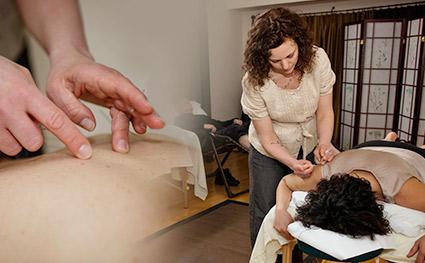
Restorative Pain Solutions Pain can affect every part of our lives. Pain can lead to fatigue, emotional distress and many other challenges in addition to the physical discomfort. The causes of pain can vary widely, and although most people with chronic pain share much in common, every person living with pain has their own story. At the Center, our emphasis is on resolving the source of the pain,…Pain Management
What Can You do to Prevent Ticks?

Happy beginning of spring! With the weather warming up, we are all so excited to venture outdoors, set up our gardens, walk new trails, and enjoy all that mother nature has to offer. However, this is the time of the year where ticks are also increasing their outdoor presence. It is important to remember that ticks are not only present in deep wooded areas, but are also present in common places that you may be in every day, such as your yard. It is best practice to try to be as tick safe as possible whenever you are outdoors, even if you are not in the woods.
Below are some tips that you can do to help prevent tick attachments and bites - an important first step in preventing Lyme disease and other various tick borne infections.
- Clothing choices
- Wear light colored clothing so that ticks are more easily visible
- Cover your extremities with long sleeves and pants - if it is summertime, look for lighter weighted, sweat wicking materials
- Tuck pants into socks - it may look silly, however you are protecting yourself from crawling ticks that move from the ground and up
- Along the lines of protective skin barriers, panty hose can also be worn as an additional barrier to prevent ticks from attaching to skin as easily
- Look for Permethrin treated clothing - this is a pesticide that can be treated into clothing to help kill ticks. Common clothing brands sell pre-treated clothing items that can last through many washes. You can also spray your own clothing with permethrin spray, however it will not last through many washes. Note permethrin should not be applied directly to the skin.
- When you return inside after being outdoors, remove all clothing and dry them in the hot dryer - this helps to kill any ticks that may have gotten on your clothing
- For your skin, there are natural insect repellents and soaps containing various essential oils available for further protection.
- Tick checks
- This is good daily practice - check your entire body for ticks - and note that nymph ticks can be the size of a poppy seed, so make sure to check carefully!
- Remember to check easily forgotten areas, such as your scalp, behind ears, armpits, belly button, groin, between toes, and other small crevices that ticks could be hiding in.
- Hiking
- Choose to walk in the middle of trails, away from any brush on the sides. Ticks are often more concentrated in this brush
- For reducing amounts of ticks in your yard
- There are tubes available for purchase that are filled with permethrin soaked cotton that can be placed along the perimeter of the yard. They target mice that use the cotton, and end up killing ticks when they feed on the mice. These tubes are considered safe for animals, people, and the environment.
- Keep lawn mowed - overgrowth of lawn provides good locations for ticks to thrive and more easily attach to humans and pets that walk through the yard
- Pets
- Having dogs, outdoor cats, or other animals increases your risk for tick bites - - Pets can carry ticks indoors, which can easily transfer to humans.
- It is recommended to treat pets with medication available to further prevent ticks in your home. Ask your veterinarian which would be the most appropriate for your pet.
- Whenever possible, try to keep your pets out of areas that contain a lot of brush
- Doing daily tick checks for your pets is also a good idea - make sure to safely remove and properly discard of any ticks found
What Can You do to Prevent Ticks? Related Blog Posts

What Can You do to Prevent Ticks? Related Services
Integrative Medicine
Integrative medicine is the blending of conventional medicine with holistic, complementary, and alternative medicine. Integrative Medicine is defined as healing-oriented medicine that takes account of the whole person (body, mind, heart and spirit), including all aspects of lifestyle. It emphasizes the therapeutic relationship and makes use of all appropriate therapies, both conventional and…Integrative Medicine
Lifestyle and Prevention
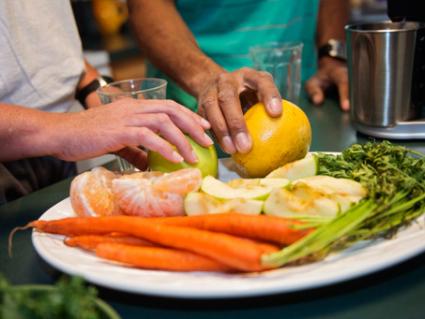
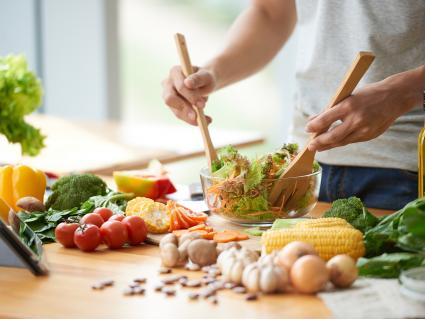
Nutrition is an essential component to preventative health, and is one of the most modifiable factors in our lives. Embracing a proper diet for your body has the power to positively impact your health on all levels, helping you reach your own distinctive state of wellness.Lifestyle and Prevention
Lyme Disease
Lyme Disease Diagnosis and Treatment in Delmar NY and Burlington VT offices At the Stram Center we vow to continue our education on Lyme Disease research, stay up to date on the most effective testing and all the safe available therapies. Moreover, our years of experience in treating patients according to the whole person-integrative medicine approach allows us the most effective way to care…Lyme Disease
What Is Integrative Oncology?
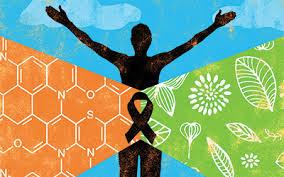
Integrative Oncology focuses on nutritional, herbal, and mind-body therapies that can complement standard cancer treatments such as chemotherapy and radiation in order to strengthen the immune system, minimize side effects, and improve quality of life, encouraging the best overall outcome.
The Stram Center welcomes Dr. Heidi S. Puc to its healing team in October 2015! Dr. Puc is board certified in adult medical oncology and hematology, and has been part of a group private practice in Syracuse, NY since she completed her Hematology/Oncology Fellowship at Memorial Sloan Kettering Cancer Center 20 years ago. Her personal experience with Reiki, meditation, and other energetic healing modalities, and her recognition of the limitations of conventional treatments in patients with cancer sparked Dr. Puc’s desire to learn more about integrative and holistic therapies.
What are holistic therapies and how do they complement traditional cancer treatments?
- These are nutritional, herbal, and mind-body therapies that can complement standard cancer treatments such as chemotherapy and radiation in order to strengthen the immune system, minimize side effects, and improve quality of life, encouraging the best overall outcome.
Dr Puc realized the critical difference that nutritional modifications, physical activity, and mind-body therapies could make in well-being and health. She comments, “It is incredible how little training doctors receive in medical school on nutrition and how the quality of nutrition affects one’s resistance or susceptibility to disease. There is also little or no emphasis on how powerful the mind can be in influencing physical health outcomes.” She adds, “It has always amazed me at how much the placebo effect is viewed as a ‘nuisance’ in the scientific literature by doctors, since it has made it more difficult to determine true response rate to drugs…shouldn’t we be excited about the placebo, a non-drug that can cause profound healing through the mind-body connection, at virtually no cost?”
She pursued training in Integrative Medicine through the Scripps Clinic in California and became a Diplomate of the American Board of Integrative Holistic Medicine (ABIHM). She began offering Integrative Oncology consultations to patients within her practice, incorporating the use of nutritional supplements, herbs, physical activity, and mind-body approaches alongside conventional chemotherapy and radiation therapy, including the use of high dose IV vitamin C in eligible patients with advanced cancer. To broaden her integrative knowledge base even further, she applied for and was accepted into the two-year Integrative Medicine Fellowship Program at the University of Arizona, developed and taught by Dr. Andrew Weil, and she is scheduled to successfully complete this Fellowship in February 2016.
Although she has seen the benefits of pharmaceuticals such as chemotherapy and supportive medications during her many years of practice, Dr. Puc notes that virtually all can have side effects, sometimes quite serious. Herbs and other natural remedies can support the effectiveness of such pharmaceuticals and also reduce side effects and improve patients’ quality of life. She explains, “I was the pioneer in bringing herbs and other nutraceuticals into our everyday oncology practice to be used as gentler options to medications to ameliorate side effects. These were well received by patients, often very effective and with no or few side effects, and they many times enabled patients to avoid needing dose reductions of chemotherapy, thereby maximizing their effectiveness. And patients could avoid taking yet more medications which could have additional side effects.”
With the continued growth in demand for integrative oncology consultations, and with her growing passion to devote all of her time to integrative care, Dr. Puc will join the Stram Center team in integrative medicine. There, beginning in October 2015, she will serve as the “bridge” between conventional oncology care and a more natural approach, providing consultations for patients receiving chemotherapy and/or radiation by their primary conventional oncologists, as well as assisting survivors of cancer with a holistic approach. She will also provide health-promoting consultations with patients who have not had cancer but are interested in improving their health and decreasing their risk for future cancer and other chronic illnesses.
In addition, she will be trained in the conventional and holistic treatment of Lyme Disease to complement the excellence of the Stram Center team in providing compassionate care of those affected by this epidemic and often debilitating disease.
It remains Dr. Puc’s hope that one day there will be no separate categories of “conventional” versus “holistic care”, and that the standard of care with which all else is compared to will be integrative care. She explains that “This will require a shift away from a disease-management type of healthcare system to a whole-person care approach, one which was envisioned so many years ago by Hippocrates, when he concluded, ‘It is more important to know what sort of person has a disease than to know what sort of disease a person has’. I am excited to be part of that shift.”