What is the Craze with Cupping Therapy? And How Does it Work?

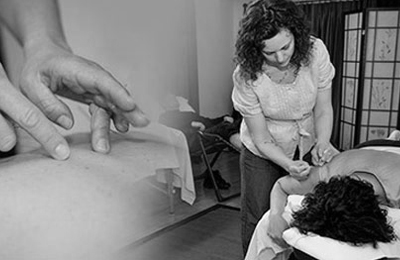
Many people think that acupuncturists only provide acupuncture. But in fact, the practice of Chinese medicine includes 5 modalities which are acupuncture, Chinese herbal medicine, body work (including tuina and shiatsu massage,) nutrition, and Qigong meditation. In some states acupuncturists are considered primary care physicians. In addition to these practices, acupuncturists also use moxibustion which is heat therapy consisting of safely burning the plant mugwort in different dried forms on or above the skin, gua sha which is a smooth scraping technique for pain, and cupping. I’ll share more about cupping here and if you’d like to try it, it can be added on to your treatment....
Although cupping dates back thousands of years within the practice of Chinese Medicine, its use has also been documented in ancient Egypt, Greece, other European and Asian countries, by Native Americans, and is now being used by many massage therapists. Chinese medicine is based on the concept of Qi, which roughly translates as energy or our circulating life force. Ailments and injury can disrupt the flow of both Qi and blood. Cupping is one modality that can move stuck Qi and body fluids to improve health.
Cupping involves placing glass, silicone, or plastic cups on the skin and creating a vacuum by suctioning out the air. I often describe cupping as the opposite of massage—whereas massage is pushing into the body, cupping is pulling away. The suction pulls the skin, tissues and muscles upward, softening them. It feels very good and is not painful. If the suction feels too strong, it can be adjusted to relieve tightness. I often combine cupping with acupuncture into one treatment, but it can also be used alone. Adding cupping to an acupuncture treatment often allows for increased relief of symptoms and underlying issues.
The benefits of cupping include helping to: increase circulation, relieve muscle pain, tightness and headaches, promote healing from injuries, stimulating lymph and blood flow to increase detoxification, relieve respiratory issues like initial onset of a cold or flu or chest congestion, improve skin, and promote relaxation by relieving physical illnesses that result from stress and anxiety.
Depending on your comfort and the acupuncturist’s assessment of the problem, cups may be left in place or moved around with the use of oil to help them slide. They may stay on your body briefly or for several minutes at a time. Each treatment is unique to you on that particular day. One very common area to be cupped is the back and shoulders, although cups can be used anywhere on the body where a broad enough area of the skin can be accessed such as the hips, legs, arms, and even the face to relieve sinus pressure, address facial paralysis, and improve the vitality of the skin.
The treatment can cause temporary circular red marks similar to a bruise although it does not feel like a bruise. If used on the face, this will be avoided. You may have seen some of the athletes in the last summer Olympics with cupping marks. The discoloration can last anywhere from one day to a week. This is an indication of increased blood flow. If there is an injury or energetic blockage under the area that was cupped, this often creates more change on the surface of the skin. Sometimes the skin only turns pink during the treatment and then dissipates right after. Once the marks have cleared, the procedure can be repeated. To be cautious I generally practice a less intense treatment the first time, and then see how the patient reacts before allowing for longer amounts of time and more suction.
Cupping is not to be used on patients who bleed easily and/or cannot stop bleeding, have a history of deep vein thrombosis, have skin ulcers or edema, or on patients who have active cancer that is spreading. Pregnant women should be cupped with extreme caution and never on their abdomen or lower back. Your acupuncturist will go over your health history to ensure cupping is safe for you.
If you’ve ever been curious, or wondered if cupping can help you, come give it a try!
What is the Craze with Cupping Therapy? And How Does it Work? Related Blog Posts


What is the Craze with Cupping Therapy? And How Does it Work? Related Services

Acupuncture
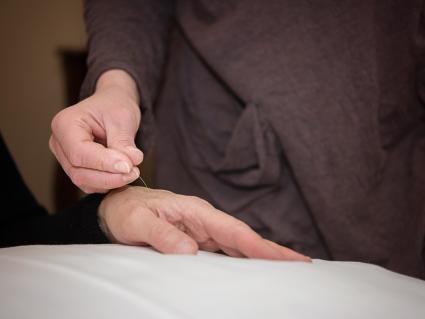
Did you know that acupuncture has been shown to be more effective than conventional treatment for migraines, back and knee pain? Acupuncture is also the complementary therapy most recommended by medical doctors (M.D.'s), and is covered under more insurance plans than ever before. No other traditional healing method has ever earned as much world-wide success, recognition and support! Acupuncture…Acupuncture
Acupuncture for Cancer Patients
Acupuncture provides a valuable complimentary therapy for the reduction of the symptoms and stresses of the cancer patient. In addition to its well known effectiveness at reducing many pain syndromes, reducing insomnia and anxiety and moderating digestive complaints, a great deal of research illustrates the importance of acupuncture in the holistic approach to cancer management.Acupuncture for Cancer Patients
Acupuncture and Infertility
There are very few health topics and labels that are as emotionally charged, intensely personal and challenging as infertility. Strict medication and assisted reproductive technique schedules alone can be very stressful. When added on to the expectations and possible fears of living with fertility challenges, they can prove overwhelming.Acupuncture and Infertility
What Moves Your Heart?
Often we hear the expression “Home is where the heart is”. These are wise words that ring with truth. With Valentine’s Day just around the corner I can’t help but wonder if we wouldn’t be better served by asking ourselves what moves our hearts?
Is it a lover’s embrace, is it family, job, money? Consider the term “heartfelt” - Without the heart being actively involved in our motivations and undertakings, we are acting only out of habit or necessity. The heart is able to move nations, mountains and elevate the soul. Nothing that rouses us to great heights can occur without full engagement of our hearts. As you move through this Valentine’s Day and go through your daily tasks take a moment to notice if your heart is involved or if are you moving unconsciously through your routine. See if you can engage your heart and elevate what seems mundane to be purposeful and inspired.
What to Know About Thyroid Hormone Replacement Therapies

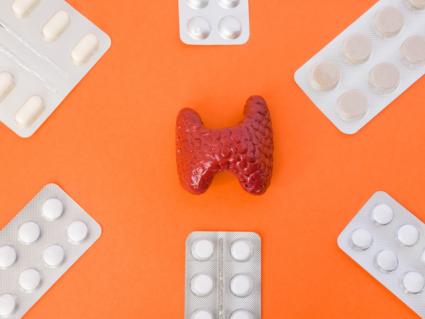
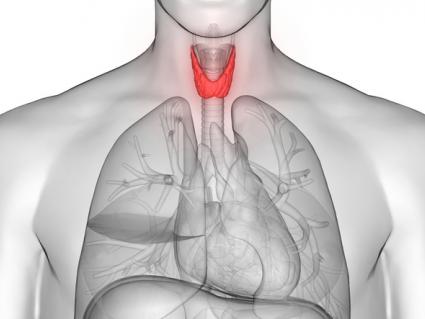
The most common medication use to treat hypothyroidism is levothyroxine, which is a synthetic thyroxine (T4) that was developed in 1927. This medication must be converted to active T3 for it to alleviate the symptoms of hypothyroidism. There are many factors that can negatively influence the conversion of T4 to T3 including stress, trauma, infections, liver or kidney dysfunction, toxins, and certain medications. Minerals such as zinc and selenium are cofactors in the conversion of T4 to active T3. If these minerals are deficient, then inadequate conversion of T4 to T3 would lead to lower T3 levels.
Often considered a more natural option for thyroid hormone replacement is...
is desiccated porcine thyroid medication. Armour and Nature Thyroid are the most commonly used desiccated hormone medications. Nature-Thyroid has been in use since the 1930’s. The desiccated glandular medications have both T4 AND T3 at about a 4:1 ratio. As an example, a typical starting dose of levothyroxine (T4) is 50mcg and for Armour it is 60mg (or 1 grain). The 60mg dosage contains a T4 dose of 38mcg AND a T3 dose of 9mcg. With desiccated hormone therapy, there are also trace amounts of naturally occurring cofactors such T1, T2, and iodine which can also help to improve symptoms.
Compounded thyroid hormone is another option. The medication is obtained by a compounding pharmacy and allows for customization of dosing. If the 4:1 ratio of glandular thyroid is too strong of a dose, it can be compounded to ratios that are less strong such as 5:1 or 6:1 etc. It is also beneficial for those that may require in-between doses that are otherwise not available by the drug manufacturer. The downside to custom compounding is that it is often not covered by insurance and therefore, it can be a more costly option than standard and desiccated glandular medications.
Each treatment option is different for everyone and may not work for all. This is why a thorough investigation of clinical symptoms and testing of thyroid function is crucial in understanding what may work best for you.
What to Know About Thyroid Hormone Replacement Therapies Related Blog Posts

What to Know About Thyroid Hormone Replacement Therapies Related Services
Chinese Herbal Medicine
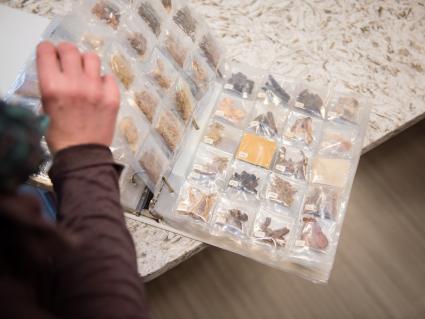
Desiring a healthier life may be your goal, but for you and millions others it can prove more challenging. You may feel that your immunity is low. You may be in a state of physiological, mental or emotional unrest. Or you may be faced with a more serious illness or chronic pain.Chinese Herbal Medicine
Acupuncture
Did you know that acupuncture has been shown to be more effective than conventional treatment for migraines, back and knee pain? Acupuncture is also the complementary therapy most recommended by medical doctors (M.D.'s), and is covered under more insurance plans than ever before. No other traditional healing method has ever earned as much world-wide success, recognition and support! Acupuncture…Acupuncture
Supplements and Vitamins
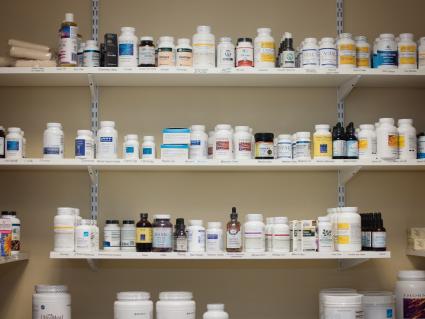
Our natural remedies and supplements are carefully selected by our doctors and may be taken to promote natural healing and help treat a variety of conditions.Supplements and Vitamins
What’s New at the Stram Center | IV Suite & Nurse Updates!
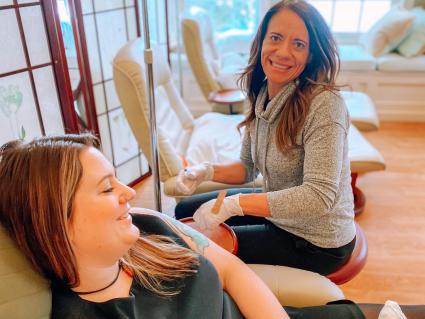
It has been a busy and exciting time in the IV suite as we roll out so many new therapies and offerings this springtime! And as we jump into the spring season, so do the ticks. Beginning May 1, we will be offering spring specials on a variety of Wellness IV and IM injections.
Plus, stay tuned for specials on NAD+ infusions and our forthcoming Stram Weight Management Program. This is an opportunity for those looking to manage their weight and hit goals in a medically supervised setting. Combining nutritional support and health coaching to help you “feel your best," this program is not only for those looking to lose weight, but also for those looking to make gains in the gym, increase stamina & endurance, and to “optimize” their fitness goals! P.S. Ask about our Optimum Fitness Kit.
Look at us grow! Speaking of growth, we are so busy that we are looking to add to our dynamic nursing team! So if you know of a special RN that might be a great fit…………..send a resume to nursetara@stramcenter.com !
Finally, these dynamic nurses are organizing the 1st Annual Stram Fam Walk/Run/Hike to benefit our patients struggling with Lyme disease. All money raised will be placed in a treatment fund for those in financial need.
What’s New at the Stram Center | IV Suite & Nurse Updates! Related Services
IV Therapy for Wellness
We often associate healthcare with “sick” care – but then where does wellness fit in? At the Stram Center, we believe that it is not only important to heal the body, but to also bring the body into its utmost state of wellbeing.IV Therapy for Wellness
Lifestyle and Prevention
Nutrition is an essential component to preventative health, and is one of the most modifiable factors in our lives. Embracing a proper diet for your body has the power to positively impact your health on all levels, helping you reach your own distinctive state of wellness.Lifestyle and Prevention
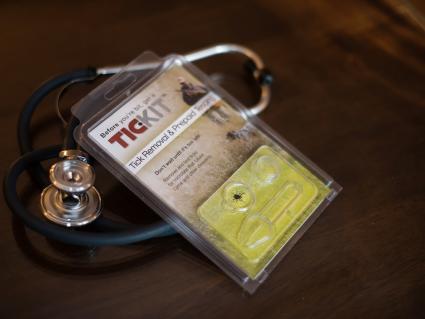
Lyme Disease
Lyme Disease Diagnosis and Treatment in Delmar NY and Burlington VT offices At the Stram Center we vow to continue our education on Lyme Disease research, stay up to date on the most effective testing and all the safe available therapies. Moreover, our years of experience in treating patients according to the whole person-integrative medicine approach allows us the most effective way to care…Lyme Disease

Women’s Health
Our reproductive health and fertility are a part, expression and source of our overall health. At The Stram Center we maintain that a broader understanding of the individual is just as essential as a focused examination of the reproductive system and it’s functioning within that person. Our integrative approach to women’s health provides holistic, balanced and effective care to achieve…Women’s Health
What’s New at The Stram Center | Women’s Health!

Part of feeling your best is not only healing and treating illness, it is feeling good about yourself. As part of our Women’s Wellness, we are now offering Sclerotherapy at the Stram Center. Do you struggle with spider veins on your legs that you feel are unsightly or bothersome?
We are now certified to perform sclerotherapy as an adjunct therapy in making patients feel their best. Spider veins, also known as telangiectasias, are tiny thin veins that are close to the surface of our skin and can be in different shapes including spider like, branch like, or lines. Though these veins come off of our larger veins, they are not essential to our venous system. Spider veins are most common in women over men and can start at a young age, but become more visible after age 40. Development of these veins can depend on genetics, hormones, weight, or professions that require long periods of sitting or standing.
To treat these veins, we do a simple procedure to inject these tiny veins with a sclerosing agent called polidocanol. In most cases after treatment the veins are much clearer and often no longer visible.
How to get started, schedule a consult with Dr. Heather Haslun DNP, FNP-C.
Another way to help you truly feel your best.
What’s New at The Stram Center | Women’s Health! Related Blog Posts


What’s New at The Stram Center | Women’s Health! Related Services
Anti-Aging Therapy
How to Combat the Anti-Aging Process with Intravenous (IV) Therapies As we get older how do we combat the natural effects of the aging process?First, we have to look at some of the main factors that cause the symptoms of aging and degeneration. These symptoms include fatigue, muscle weakness or muscle loss, reduced stamina and endurance, poor memory and cognition, and chronic inflammation and…Anti-Aging Therapy
Lifestyle and Prevention
Nutrition is an essential component to preventative health, and is one of the most modifiable factors in our lives. Embracing a proper diet for your body has the power to positively impact your health on all levels, helping you reach your own distinctive state of wellness.Lifestyle and Prevention
Women’s Health
Our reproductive health and fertility are a part, expression and source of our overall health. At The Stram Center we maintain that a broader understanding of the individual is just as essential as a focused examination of the reproductive system and it’s functioning within that person. Our integrative approach to women’s health provides holistic, balanced and effective care to achieve…Women’s Health
What’s Really Going on When You’re Hurting: Trigger Points and Muscle Pain
Spring is here and we’re all out cleaning up our lawns and planting gardens and brushing up on our summer activities. Often we over-do it and get sore. My patients often ask what causes those knots that they feel in their muscles. They often wonder what trigger points are.
Here is what’s often going on when you hurt:
Muscles work in pairs. When one muscle tightens to move a part of the body, the opposite muscle relaxes and lengthens to allow that movement. So one side pulls and the other side relaxes. When there is a muscle strain of any kind, the side that tightens actually pulls too hard or too fast, and the side that lengthens gets over-stretched. To protect the muscles that are over-stretching from reaching the point of tearing, nerve fibers within the muscles themselves immediately makes that over-stretching muscle contract back pretty hard. While it protects against tearing, which is a really good thing, that muscle can also now get stuck in this new, now overly contracted state. This creates a knot in the muscle, and that knot is a trigger point.
When you try to move, the affected muscle tightens even more to protect itself, creating a cycle of pain and more contraction, which causes more pain and then more contraction. You may get other supporting muscles to join in to protect the injured one. We call that splinting. Then the area gets even more painful. You can often feel those areas of contraction as knots in a muscle, and they are very tender to pressure. These trigger points can also cause pain in other areas of the body – this is called referred pain.
How medical massage can help:
There are many massage and bodywork techniques to release the trigger points, ease the pain and get both sides of the affected muscle back into balance. Trigger point work, positional release therapy, myofascial release, craniosacral therapy and myokinesiology can all release these trigger points and help your muscles return to a more balanced, pain free state. Each person responds to these techniques differently so when one technique doesn’t seem to work, another may. This is why I tailor any of my bodywork sessions to the individual clients’ needs. Often my sessions will include a combination of techniques. If you find yourself really sore after an afternoon of spring clean up, come in to the Center and see what some of these techniques can do for you.
Learn more about positional release therapy, and craniosacral therapy.
Which diet is right for you?
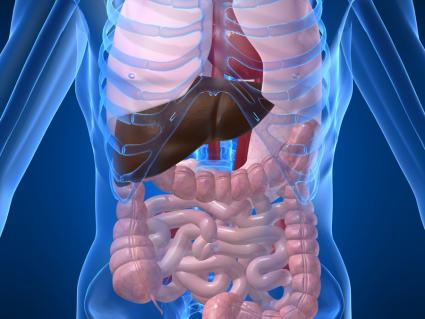
Many people wonder which diet is best for them based on what they are told be friends, a healthcare provider, what they hear on TV, what they read on the internet, or what is suggested by a loved one. Here at the Stram Center we recommend a variety of diets for our patients depending on their individual needs. Read below for an explanation of the dietary approach of the Stram Center! Also learn about the pros and cons of the most common diets recommended to our patients.
Which diet is right for you?
Many people wonder which diet is best for them based on what they are told be friends, a healthcare provider, what they hear on TV, what they read on the internet, or what is suggested by a loved one. Here at the Stram Center we recommend a variety of diets for our patients depending on their individual needs. The diets recommended here can include, vegan, vegetarian, plant-based, Mediterranean, gluten/dairy/sugar free, low fiber, high fiber, paleo/plant-based paleo, and several others.
The nutritional approach of the Stram Center practitioners and Registered Dietitian, is one of embracing lifestyle changing. This means that we meet you where you are in terms of your current lifestyle, and help you make small, gradual, and meaningful changes to help optimize your health over time. We will develop an individually tailored plan to help you meet your own unique needs. This means that we will help you decide which approach is best for you in terms of guiding you to meet your health goals based on our professional expertise.
A big part of lifestyle changing is giving someone a practical plan that will not increase stress in their lives. This means that if someone eats foods that are suggested a person move away from, there will be not judgement, just continued support and guidance to help one continue to move towards optimal health. This approach has been found to be very successful by many patients as they work to improve their health.
Due to the potential impact lifestyle has on our overall health, the Stram Center believes it is essential to embrace a healthy lifestyle to help better manage one’s treatment plan and to promote optimal recovery. A healthy lifestyle can be defined in many ways, but the Stram Center feels it is important to optimize the following four areas:
- Diet
- Exercise/ Physical Activity
- Sleep
- Stress Management
Let the Stram Center Practitioners work with you to develop an individually tailored plan to optimize your lifestyle during your treatment.
Below is a brief listing of the pros and cons of the most popular diets that our practitioners recommend.
Vegan/ Whole-Foods, Plant-Based
Pros: Embraces eating lots of plant based foods while avoiding animal based foods, which may have strong protective components for one’s health. Has strong research to support this approach (1-9). The food choices made have a significantly less impact on the environment than diets including animal based or animal derived foods, due to a lower carbon and methane footprint. According to the Academy of Nutrition and Dietetics Position Statement on Vegetarian/Vegan Diets, “appropriately planned vegetarian diets, including total vegetarian or vegan diets, are healthful, nutritionally adequate, and may provide health benefits in the prevention and treatment of certain diseases. Well-planned vegetarian diets are appropriate for individuals during all stages of the life cycle, including pregnancy, lactation, infancy, childhood, and adolescence, and for athletes” (10).
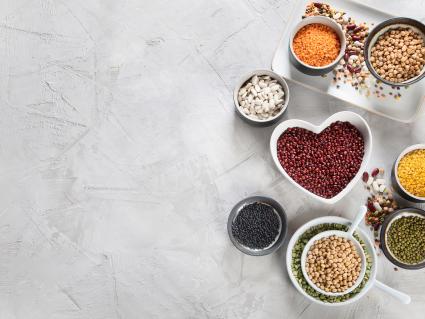
Vegan and vegetarian diets may include soy based proteins such as tempeh, tofu, and edamame as a protein source. Studies suggest that as little as one serving of soy daily for children and/or teenagers decreases breast cancer risk later in life by 25 to 50 percent (11). Soy has been found to be helpful for other conditions, including: heart disease, relieving hot flashes, preventing/treating prostate cancer, and promoting bone health for postmenopausal women (12).
Cons: Not all vegan diets embrace a whole-foods, plant-based approach which includes minimal processing and preservatives. Some vegan diets can have large amounts of refined foods and refined sugar. Vegans must ensure to take a vitamin b12 supplement to prevent deficiency, however this may be an advantage for people over the age of 50, as people’s ability to absorb vitamin b12 from meat and dairy decreases as we age. A vegan diet consisting of mostly refined foods may increase the risk of developing iron deficiency, due to the high iron content of most vegan diets coming from whole-foods (beans, lentils, green leafy vegetables, nuts or seeds). Iron deficiency is no more common among vegetarians than the general population, and although vegans have been found to have lower iron stores (13,14) their serum ferritin levels tend to be within normal limits (15,16).
Vegetarian
Pros: Embraces eating lots of plant based foods while avoiding animal based foods, which may have strong protective components for one’s health. Has strong research to support this approach (1-9). The food choices made may have a significantly less impact on the environment than diets including animal based or animal derived foods, due to a lower carbon and methane footprint.
Cons: Some vegetarian diets can include large amounts of dairy and eggs which may have negative impacts on one’s health. Not all vegetarian diets embrace a whole-foods, plant-based approach which includes minimal processing and preservatives. Some vegetarian diets can have large amounts of refined foods and refined sugar.
Mediterranean
Pros: Embraces eating lots of fresh produce which has strong protective components. Also embraces eating locally, regionally, and simple. Has strong research to support this approach (17-19).
Cons: There are little to no genetically engineered foods in Europe, so it may be hard to truly follow a Mediterranean diet in the US, unless the grain products and produce consumed are ensured to be free of genetically engineered foods. There are many interpretations of this diet, some may be lacking in plant-based foods, and higher in animal based foods than what is commonly found in the Mediterranean. The Mediterranean lifestyle is quite different from an American lifestyle including working hours, lunch break duration, and freshness of food consumed, so there may be other factors besides the diet which bring about its success.
Gluten/Dairy/Sugar Free
Pros: Typically minimizes foods that can be inflammatory for some people (gluten, dairy, and sugar). Embraces eating lots of fresh produce which has strong protective components. Can remove many of the processed foods and refined sugars in one’s diet.
Cons: Many of the gluten free, dairy free and sugar free products available are still highly processed. If done incorrectly, someone could still be consuming high amounts of processed foods while avoiding gluten, dairy, and sugar. It someone has an issue digesting grains, they will not find relief from this approach as it still includes grains and grain products.
Paleo/ Plant-Based Paleo
Pros: Embraces eating lots of plant based foods while avoiding refined and processed foods, which may have strong protective components for one’s health. Embraces eating cleanly, and eating foods close to their natural food source. Removes dairy, sugar, and grains, which may have negative health impacts for some.
Cons: There are many interpretations of this diet, some may be lacking in plant-based foods, and higher in animal based foods than what is commonly recommended by the Stram Center. For this reason, the Stram Center emphasizes that a paleo diet should be mostly plant-based, including legumes for those who tolerate them. As the popularity of this approach is relatively new, there is not strong scientific research to support the health benefits of this approach, but there is research that supports components of this approach such as eating large amounts of fruits and vegetables, while avoiding processed and refined foods (20-21).
References:
1. Tuso PJ, Ismail MH, Ha PB, Bartolotto C. Nutritional Update for Physicians: Plant-Based Diets. Perm J. 2013 Spring; 17(2): 61–66 http://www.ncbi.nlm.nih.gov/pmc/articles/PMC3662288/
2. Berkow SE, Barnard N. Vegetarian diets and weight status. Nutr Rev. 2006 Apr;64(4):175–88. DOI: http://dx.doi.org/10.1111/j.1753-4887.2006.tb00200.x.
3. Barnard ND, Cohen J, Jenkins DJ, et al. A low-fat vegan diet improves glycemic control and cardiovascular risk factors in a randomized clinical trial in individuals with type 2 diabetes. Diabetes Care. 2006 Aug;29(8):1777–83. DOI: http://dx.doi.org/10.2337/dc06-0606.
4. Vang A, Singh PN, Lee JW, Haddad EH, Brinegar CH. Meats, processed meats, obesity, weight gain and occurrence of diabetes among adults: findings from Adventist Health Studies. Ann Nutr Metab. 2008;52(2):96–104. DOI: http://dx.doi.org/10.1159/000121365.
5. Ornish D, Scherwitz LW, Billings JH, et al. Intensive lifestyle changes for reversal of coronary heart disease. JAMA. 1998 Dec 16;280(23):2001–7. DOI: http://dx.doi.org/10.1001/jama.280.23.2001.
6. Huang T, Yang B, Zheng J, Li G, Wahlqvist ML, Li D. Cardiovascular disease mortality and cancer incidence in vegetarians: a meta-analysis and systematic review. Ann Nutr Metab. 2012;60(4):233–40. DOI: http://dx.doi.org/10.1159/000337301.
7. Chao A, Thun MJ, Connell CJ, et al. Meat consumption and risk of colorectal cancer.
JAMA. 2005;293:172-82 http://www.ncbi.nlm.nih.gov/pubmed/15644544
8. Giovannucci E1, Liu Y, Stampfer MJ, Willett WC. A prospective study of calcium intake and incident and fatal prostate cancer. Cancer Epidemiol Biomarkers Prev. 2006 Feb;15(2):203-10.
http://www.ncbi.nlm.nih.gov/pubmed/16492906
9. Huang T, Yang B, Zheng J, Li G, Wahlqvist ML, Li D. Cardiovascular disease mortality and cancer incidence in vegetarians: a meta-analysis and systematic review. Ann Nutr Metab. 2012;60(4):233–40. DOI: http://dx.doi.org/10.1159/000337301
10. . Craig,Winston J., PhD, MPH, RD., Mangels,Ann R., PhD, RD, LDN, FADA. Position of the american dietetic association: Vegetarian diets. J Am Diet Assoc. 2009;109:1266-1282.
http://www.ncbi.nlm.nih.gov/pubmed/19562864
11. Messina M, Hilakivi-Clarke L. Early intake appears to be the key to the proposed protective effects of soy intake against breast cancer Nutr Cancer. 2009;61:792-8.
http://www.ncbi.nlm.nih.gov/pubmed/20155618
12. Messina,Virginia, MPH, RD. Isoflavones. American Dietetic Association Vegetarian Nutrition Dietetic Practice Group Web site. www.VegetarianNutrition.net. Published 2009. Updated 2009.
13. Haddad EH, Berk LS, Kettering JD, Hubbard RW, Peters WR. Dietary intake and biochemical, hematologic, and immune status of vegans compared with nonvegetarians. Am J Clin Nutr 1999;70(suppl):586S-93S.
http://www.ncbi.nlm.nih.gov/pubmed/10479236
14. Obeid R, Geisel J, Schorr H, et al. The impact of vegetarianism on some haematological parameters. Eur J Haematol. 2002;69:275-9.
http://www.ncbi.nlm.nih.gov/pubmed/12460231
15. Ball MJ, Bartlett MA. Dietary intake and iron status of Australian vegetarian women. Am J Clin Nutr. 1999;70:353-358.
http://www.ncbi.nlm.nih.gov/pubmed/10479197
16. Alexander D, Ball MJ, Mann J. Nutrient intake and haematological status of vegetarians and age-sex matched omnivores.Eur J Clin Nutr. 1994;48:538-546.
http://www.ncbi.nlm.nih.gov/pubmed/7956998
17. Trichopoulou A, Martínez-González MA, Tong TY, et al. Definitions and potential health benefits of the Mediterranean diet: views from experts around the world. BMC Medicine. 2014;12:112. doi:10.1186/1741-7015-12-112. http://www.ncbi.nlm.nih.gov/pmc/articles/PMC4222885/
18. García-Fernández E, Rico-Cabanas L, Rosgaard N, Estruch R, Bach-Faig A. Mediterranean Diet and Cardiodiabesity: A Review. Nutrients. 2014;6(9):3474-3500.
http://www.ncbi.nlm.nih.gov/pmc/articles/PMC4179172/
19. Sleiman D, Al-Badri MR, Azar ST. Effect of Mediterranean Diet in Diabetes Control and Cardiovascular Risk Modification: A Systematic Review. Frontiers in Public Health. 2015;3:69.
http://www.ncbi.nlm.nih.gov/pmc/articles/PMC4411995/
20. Jönsson T, Granfeldt Y, Ahrén B, et al. Beneficial effects of a Paleolithic diet on cardiovascular risk factors in type 2 diabetes: a randomized cross-over pilot study. Cardiovascular Diabetology. 2009;8:35. doi:10.1186/1475-2840-8-35.
http://www.ncbi.nlm.nih.gov/pmc/articles/PMC2724493/
21. Klonoff DC. The Beneficial Effects of a Paleolithic Diet on Type 2 Diabetes and Other Risk Factors for Cardiovascular Disease. Journal of Diabetes Science and Technology. 2009;3(6):1229-1232. http://www.ncbi.nlm.nih.gov/pmc/articles/PMC2787021/
Who is in Control: You or Cancer? Questions and Answers

For those of you who attended our cancer conference , Who is in Control: You or Cancer? on Nov 7, 2015 at the Marriot Hotel and submitted a question for our panel, here are the answers submitted by Dr. Heidi Puc, as promised.
Q&A from November Cancer Conference, Who is in Control, You or Cancer?
Q: How would you advise someone who had a thyroidectomy to prevent recurrence of cancer?
A: General prevention for recurrence is a good plant based diet (fruits and veggies). Foods rich in iodine, zinc, vitamin A and E are helpful. It is helpful to minimize soy intake. Increased intake of omega 3’s, less meat and dairy, stress management and regular cardiovascular exercise can all contribute to prevention for recurrence.
Q: What is your recommendation for mammogram for positive family history of breast cancer or no family history of breast cancer?
A: This depends greatly on the age of a patient. Generally speaking, those with strong family history, should get mammograms yearly after the age of 35. Without a family history, getting a baseline mammogram at age 35, then yearly or every other year between age 40 to 50 would be important, then yearly after that.
Q: Is there any correlation between past breast feeding and incidence of breast cancer?
A: Breast feeding is actually shown to be protective in the incidence of breast cancer.
Q: How dangerous is triple negative breast cancer?
A: Triple negative is one of the most aggressive types of breast cancer, so aggressive treatment is appropriate. There is a higher risk for recurrence in the first 2 to 3 years with this type of cancer.
Q: What is your opinion on tamoxifen for DCIS?
A: Tamoxifen can have a role in some patients with DCIS, but according to studies, it has not shown an increase in survival rate. However, it has shown a decrease in local recurrence in studies.
Q: Have you heard of Rituxan as treatment for follicular non-Hodgkin’s lymphoma?
A: This is a very commonly used treatment. Usually B-cell lymphomas have CD20 positivity, which is required to use Rituxan as a treatment. Rituxan can be used alone or in conjunction with other chemotherapy treatments.
Q: What do you think of chrono modulated chemotherapy?
A: Chrono modulated chemotherapy has a lot of merit and we need more data on this to show true efficacy. Timing chemotherapy with the cancer cell cycle is something that Dr. Keith Block has supported for many years.
Q: What do you think about cannabis oil as cancer treatment?
A: I am pro-cannabis oil. It has many medical properties. However, cannabis oil varies in content and purity and still has legal ramifications, so obtaining it from a reputable source would be important.
Q: What are your thoughts on hydrogen peroxide therapy in the treatment of pancreatic cancer?
A: I have not had personal experience with either treatment, however am well-researched on both topics. I am more of an advocate for high dose vitamin C, as vitamin C is broken down into hydrogen peroxide in cells and is a safer delivery method of the hydrogen peroxide to the cells. There have been instances of hydrogen peroxide toxicity with hydrogen peroxide therapy, which can lead to increased risk.
Q: What is your opinion of the use of thermography for detecting the possibility of breast cancer versus standard mammograms?
A: All data shows that there is no perfect tool for the detection of breast cancer. However, the best use of thermography is in conjunction with mammograms and ultra sound. Thermography is not a substitute for mammograms. Thermography is excellent for women with dense breast tissue for better detection.
Q: Does having a mammogram cause cancer?
A: This is a tough question to answer. Generally, the answer is no, however data shows cumulative radiation may increase the relative risk of cancer. Mammograms yield very low dose radiation so I believe there is not significant risk.
Q: Do you have any recommended treatment for peripheral neuropathy secondary to chemotherapy?
A: There are several options for the treatment of peripheral neuropathy secondary to chemotherapy. Acupuncture is an excellent option. A few supplements that generally help peripheral neuropathy are acetyl-l-carnitine, alpha lipoic acid, l-glutamine, and vitamin b-6. All of these options combined with detoxification to rid the body of any metabolites, are recommended in the treatment of peripheral neuropathy.
Q: If you have a breast reduction, can it cause breast cancer?
A: There is not any data to show to be true. Breast reduction may distort the ability to decipher scar tissue versus something suspicious due to the change in tissue from the surgery.
Q: If you are in remission and do IV vitamin C, will the remaining cancer cells be killed and completely be gone?
A: There is evidence showing that vitamin C can do this, but there is no way to predict which individual will demonstrate that response. It is certainly the intention of use of high dose IV vitamin C to eradicate tumor cells.
Why do a Cleanse?
Our body is exposed to many toxins every day, which tend to accumulate in our bodies. A toxin is a substance that produces any adverse biological effects and can be absorbed into our body through our skin, lungs, and gastrointestinal tract.
What are the sources of these toxins? There are many and include the obvious, such as tobacco smoke, gas fumes, paint, and cleaning chemicals. The not so obvious may include new carpets, pressboard furniture, and dry-cleaned clothes. Exposure also occurs through our food, such as fish (especially the large carnivorous fish, like sword fish), dairy products, and fruits and vegetables.
How are all these various toxins cleared from our body? Our liver is able to detoxify most substances by conjugation reactions or oxidation reactions. These toxins are then excreted and eliminated through our urine or stool.
What is the purpose of a cleanse? The goal is to reduce the toxic burden in our body. The most obvious and most important way to do this is to reduce and/or remove the exposure! Now we can’t remove all the exposure unless we go to the North Pole or Antarctica (though there is even evidence of pollution there as well!), but what about that significant other who’s smoking in the house? Or all those cleaning chemicals you use to clean your house with?
How to reduce toxic burden: There are many ways we can reduce our exposure, but there are two major processes that I like to facilitate to physically reduce toxic burden. The first thing I do is to enhance liver functioning to optimize the detoxification process. I accomplish this by resting the liver through diet, and supplementing with key vitamins, nutrients, and herbs that will support liver detoxification. Secondly, I want to support the elimination process, by excretion through urine, stool, and sweat. This is accomplished by drinking lots of water, using fiber with high binding capacity, and using infrared saunas.
The Benefits of a cleanse: The benefits of a cleanse include increased energy and mood, but also has physical effects as well. It helps to strengthen your immune system, decrease antigen-antibody complexes, and increases healing time. Because it can decrease antigen-antibody complexes, a cleanse can be beneficial for those with autoimmune diseases such as rheumatoid arthritis, but can also be of benefit for those who suffer from chronic fatigue syndrome or fibromyalgia.
It is best to do cleanse during the spring when it is warm outside, but can be done any time of the year.
To set up your appointment for your individualized cleanse program, call the Stram Center for Integrative Medicine at 518-689-2244.
Why Yoga Makes You Feel Better
Everyone knows stretching and exercise are healthy ways to feel better and to get into shape. After a yoga class you feel better than when you came. This is because of something called the parasympathetic nervous system. When we do yoga, we activate the parasympathetic nervous system through stretching and breathing. The parasympathetic nervous system is responsible for slowing down our bodies through muscle relaxation, calming the mind, and results in better digestion, better immunity, lower blood pressure and lower heart rate.
While vigorous yoga is great for stretching the muscles, it doesn’t do much for engaging the parasympathetic nervous system. Holding postures longer, slow focused breaths, breathing into stretches and making breathing as important apart of your yoga practice as the movement, will ensure you activate the parasympathetic nervous system.
All of the Kripalu yoga classes offered here at the Stram Center for Integrative Medicine focus on breathing and breathing techniques to engage the parasympathetic nervous system and bring us into a deeper place of healing.
So, the next time you leave a yoga class feeling so much better, thank your parasympathetic nervous system.
Namaste.