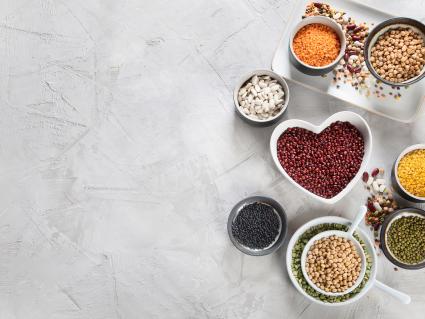
Type 2 Diabetes: Taking a Holistic Approach
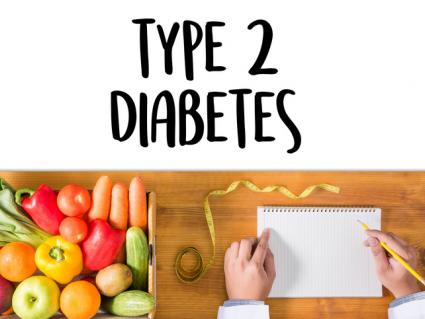
Research shows a holistic approach to Type 2 Diabetes is beneficial.
According to the latest numbers from the CDC1, the overall obesity prevalence in the US is 36% amongst adults and 17% in youth. If you include those who are overweight, for adults the prevalence is 70.7%. These numbers are quite staggering since obesity related conditions include heart disease, stroke, certain types of cancers and type 2 diabetes.
November is diabetes awareness month and the good news is that undiagnosed diabetes in the US has declined2. Awareness is the first step to initiating treatment. However, proper diabetes education may be lacking and in my experience, I find that it is a very important component of the treatment plan. It is difficult to make good choices without a basic understanding of the effects of food on one’s metabolism.
Type 2 diabetes is also known as insulin resistant diabetes (an older term sometimes used is adult onset), but it should be considered a carbohydrate/sugar intolerance. It is a condition in which the body becomes ineffective at utilizing sugar as an energy source. In fact, eating carbohydrates causes a cascade of metabolic effects that include the STORAGE of fat, AND the inability to BURN fat as an energy source. The result is an increase in body fat, which leads to an increased ineffectiveness of burning fat. The increase in fat is what contributes to insulin resistance. Insulin becomes ineffective at lowering blood sugar, but it still works very well at storing and locking down fat!
Ironically, this does not happen when eating fat in the absence of carbohydrates. In fact the opposite occurs. Unlike carbohydrates, fat does not stimulate insulin, therefore dietary fat will likely not be stored, and body fat can be burned. This is the main principle of the ketogenic diet. It is a high fat, moderate protein, low carbohydrate structured diet.
Recently an article in Holistic Primary Care featured a study that investigated the ketogenic diet for those who were overweight or obese with type 2 diabetes. The investigators reported 71% clinically significant weight loss, a 1% drop in HgA1C (average blood sugar), and a decrease in the need for medications including insulin, on a formulated low carbohydrate ketogenic plan.
Dietary plans are very individual and what works for some may not work or be realistic for others. At the Stram Center for Integrative Medicine, our practitioners, personal trainer, and nutritionist, can assist in choosing the ideal plan for you, and will work with you to obtain your goals.
REFERENCE LINKS:
https://www.cdc.gov/obesity/data/adult.html, https://www.medscape.com/viewarticle/887634
Uncle Sam Wants….Us
According to a recent article in Acupuncture Today: Acupuncture Collaboration with the U.S. Navy and the U.S. Marines, the programs that the U.S. Army, Navy and Marines are developing to more effectively support soldiers diagnosed with post-traumatic stress disorder (PTSD) will now emphasize an integrative approach. To the standard treatments of drug therapy, psychotherapy and cognitive-behavioral therapy, these programs will add tai chi, reiki, yoga, acupuncture and medical massage.
This news comes in addition to news from 2008 when the Air Force began a pilot program to train a number of physicians to apply acupuncture for soldiers still in the field; AOM Flying High With the Air Force This “battlefield acupuncture” was and is being developed as a way to relieve musculoskeletal pain and some other health problems that can adversely effect a soldier’s ability to function at full potential.
Acupuncture’s reputation continues to grow by the year, and with innovations like those listed above, I’m sure that exciting new insights for the use of acupuncture, and the combination of integrative therapies with more conventional treatments will come to light!
Understanding and Managing Your Stress
Stress is the body and mind’s response to the demands of life. In a biological sense, stress can enhance survival (our reaction to meeting a bear in the woods, for example). In small amounts in everyday life, stress can be positive, such as when it helps you conquer a fear or provides extra endurance or motivation to complete a difficult task. Prolonged or intense stress however, can contribute to serious health problems (such as heart disease, obesity, depression, insomnia, high blood pressure and diabetes) through the release of hormones that were meant to protect us against threats.
The “fight-or-flight” hormone cascade evolved to prepare our bodies for defense or escape from aggressors. When triggered by a perceived threat, a small part of the brain (the hypothalamus) sends an alarm throughout the body through nerves and hormones that triggers the adrenal glands to release hormones (including adrenaline and cortisol) to ready the body for action. This alarm system also sends signals to parts of the brain that control mood, motivation and fear.
Adrenaline speeds up the heart and increases blood pressure whereas cortisol increases glucose (fuel) to the bloodstream and increases the availability of repair substances. Cortisol also decreases functions that are not necessary for fight-or-flight, such as altering immune system responses and slowing digestion, reproduction and growth. Normally this system is self-regulating and turns off once the perceived threat has resolved. However, in some instances (for example, recurrent life stressors) the alarm system stays turned on overexposing the body to stress hormones which can disrupt almost all of the body’s normal functions.
Acute stress is the most common forms of stress. This is the stress that occurs from pressures of the recent past and worries about the near future. While it can be exciting in small doses, acute stress is overwhelming with prolonged exposure. Fortunately this type of stress is easily recognized by most people and is therefore highly treatable and manageable. Some symptoms include emotional distress (depression, irritability, or anxiety), muscular problems (tension headaches, back pain), stomach upset (heartburn, diarrhea or constipation), palpitations, dizziness, difficulty breathing and even chest pain. Recurrent acute stressors can lead to persistence of symptoms and may require professional help.
Chronic stress (caused by poverty, dysfunctional family life, work stressors or global problems such as war) is more difficult to manage. Many people get used to it and therefore do not attempt to reduce it. Chronic stress can be life-threatening, leading to heart attack, stroke, violence and suicide. This type of stress often requires extensive medical and behavioral help.
Not everyone who experiences recurrent stressors, however, becomes ill. There are many factors that affect how an individual reacts to a stressor. For example, a slight difference in the genes that control the stress response can cause an overactive or underactive alarm system. In addition, environmental factors (such as neglect or abuse in childhood) can cause people to be more vulnerable to stress as adults.
Recognizing your body’s own unique response to stress is paramount to reducing your stress by learning to manage it in more healthy ways. Symptoms of stress can be physical (headaches, back pain, irritable bowel, fatigue, insomnia), mental (anxiety, depression, irritability, memory problems, helplessness) and behavioral (eating disorders, substance abuse, social withdrawal, angry outbursts). It is important to remember, however, that some of the symptoms of stress can be caused by a medical condition (for example, hyperthyroidism), medication side effects, vitamin deficiencies and excessive intake of caffeine or alcohol. Therefore, if symptoms are severe or do not respond to your management approach it is important to speak with a health professional.
Fortunately, there are many ways you can help manage your stress. The first, as mentioned, is recognizing and regarding your symptoms as your body’s way of communicating that it needs maintenance. In this way, you can help your body correct itself and reduce the high cost and care of chronic long-term health problems. Because stress is not usually limited to one part of the body or our life, it is important to address the whole self (body, mind and spirit) when working on stress reduction. In general, you can combat stress by taking care of yourself. This includes sleeping and eating well, laughter, and surrounding yourself with supportive family and friends. Regular exercise (by helping to use up stress hormones) not only releases stress but also improves overall energy and mood. In addition, many people find benefit from hydrotherapy (such as a sauna, hot tub or steam bath).
Relaxation techniques can reduce stress by slowing down the heart rate and breathing, lowering blood pressure, reducing muscle tension, improving concentration and reducing frustration. For example, a few minutes of meditation daily can restore peace and balance, an effect that lasts throughout the day. Meditation helps clear away information overload (stressors) of the day and has been shown to reduce numerous other health problems. Yoga is beneficial for stress reduction in addition to overall improvement of fitness, weight loss and management of chronic health problems. Yoga uses poses and breathing, bringing together physical and mental aspects that help achieve peacefulness of body and mind. Tai chi, “meditation in motion”, promotes serenity through gentle movements that connect the mind and body. Other stress reduction modalities include massage (including craniosacral therapy), guided imagery, aromatherapy and herbal medication and supplements.
If these relaxation techniques do not provide adequate stress reduction or symptom relief, consider speaking with a healthcare provider. Managing stress is not only beneficial to peace or mind, it may lead to a longer, healthier and happier life.
Understanding Compassion

I came across a writing from renowned Buddhist monk Thich Nhat Hahn titled “Understanding”. In it he described a common position we may take with our friends, family, neighbors, and coworkers with regard to helping in the name of being loving or compassionate. Without understanding a person’s suffering and where they are coming from, we may overstep and transgress by assuming that...
our compassion is understanding. But in truth, our genuine ‘understanding’ of our friend/family member’s suffering is an integral aspect of compassion.
To help clarify, we can ask with sincerity things like, “what do you need? how can I help you?” Or “do I understand you?” to be aware of what it is that’s causing their suffering. It may be something that you as an observer, could not have seen or have misinterpreted.
To understand why a person is suffering is a part of selfless compassion. When we take the judgement or opinion out of the reason for a person’s suffering, we see the person from their point of view and can have selfless compassion for them.
According to scholar of classical Chinese medicine Elisabeth Rochat de la Vallee, compassion does not have an agenda. The position of compassion does not include one’s (the observer’s) own plan. It also allows for withdrawal from the situation, freedom of movement. Rochat de la Vallee adds that compassion does not pick and choose. One cannot have compassion for one over another, this would be against the universe. In this sense, compassion is pervasive, unconfined and limitless.
References:
Larre, Claude & Rochat de la Vallee, Elisabeth. The Seven Emotions. Monkey Press, Cambridge, 1996.
Thich Nhat Hanh. The Pocket Thich Nhat Hanh. Shambala, Boulder, 2017.
Understanding Compassion Related Services
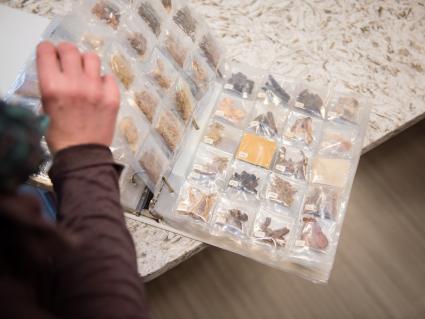
Chinese Herbal Medicine
Desiring a healthier life may be your goal, but for you and millions others it can prove more challenging. You may feel that your immunity is low. You may be in a state of physiological, mental or emotional unrest. Or you may be faced with a more serious illness or chronic pain.Chinese Herbal Medicine
Stress Reduction
Many of the therapies offered at the Center, from Integrative Medicine, to Massage Therapy, to Healing Touch, Acupuncture, and other forms of traditional Chinese medicine, are extremely effective in helping people reduce stress.Stress Reduction
Understanding GLP-1 Medications

Do you have questions about GLP-1 Medications? Glucagon- like peptide-1 agonist (GLP-1) medications have attracted increased attention in the past several years for treatment of type 2 Diabetes and weight loss management. Although, using these medications alone can lead to improvements in health and weight, using a guided integrative approach with support and oversight will lead to more successful lasting outcomes. Read more to understand these medications and how they could benefit you.
Semaglutide and other GLP-1 agonists are the synthetic version of a naturally occurring hormone made up of a string of amino acids produced by the cells in the intestine in response to food intake stimulating the release of insulin and inhibiting glucagon secretion and signaling the feeling of fullness contributing to glucose metabolism and energy regulation. GLP-1 agonist medications are chemically derived peptides acting as GLP-1 activating the receptors, enhancing insulin productions, decreasing glucagon secretion and delaying gastric emptying. They also act within the brain pathways to regulate appetite and satiety. Much research has been done with this class of medications showing the benefits on weight and insulin resistance.
Tirzepatide is a dual agonist that is a combination of both a GLP-1 agonist and a glucose dependent insulinotropic polypeptide (GIP). What does this mean? In short it combines the benefits of a GLP-1 agonist with another peptide that also is released within the intestines acting on similar pathways creating an incretin effect that provides improved insulin sensitivity and appetite control than GLP-1 agonists alone. The Incretin pathway has been found to be decreased or not existent in those with type 2 diabetes and use of this medication will stimulate those pathways to allow for more successful management of diabetes, obesity and overall metabolic health. Both medications can offer several key benefits.
1.) Blood sugar regulation and insulin sensitivity: This is done by stimulating insulin secretion and the body’s response, decreasing insulin resistance and helping to restore blood sugar levels. This is important not only for diabetes management but for overall metabolic function affecting other chronic conditions such as heart disease, metabolic syndromes, and obesity.
2.) Weight loss and appetite control:
As already mentioned, GLP-1 agonist medications help with reduction of appetite and satiety. This is done by stimulating delayed gastric emptying thereby reducing appetite. There is evidence that GLP-1 receptors in the brain are affected by quieting the “food noise” and helping to curb craving. Research has shown that GIP/GLP-1 agonist such as Tirzepatide provides more weight loss and fat loss than a GLP-1 agonist medication alone. This is important in obesity management for those who may not have been diagnosed with type 2 diabetes but are still looking for help with weight loss. will help to restore a more balanced metabolism by addressing insulin resistance and hunger hormones.
3.) REDUCTION IN INFLAMMATION AND CARDIOVASCULAR RISK:
GLP-1 medications have the added benefit of anti-inflammatory effects as it decreases the release of proinflammatory cytokines that lead to systemic inflammation and allowing for reperfusion of the microvasculature structures damaged by inflammation. GLP-1 medications affect the gut microbiome in a positive way as it is naturally produced in the gut. Enhancing natural pathways, increasing growth of good gut bacteria, improving digestion, and repairing the integrity of the gut lining. Early research has even shown positive benefits towards autoimmune conditions such as rheumatoid arthritis, psoriasis and metabolic disorders like poly cystic ovarian syndrome. This can decrease the risks associated with chronic conditions including diabetes, obesity, heart disease, fatty liver, chronic kidney disease, and autoimmune conditions. Providing yet another tool for managing chronic conditions.
Although there are many benefits to GLP-1 medications there can be side effects and understanding them is important when considering these medications. The adage “low and slow” is important when managing these medications. Standard dosage, using an autoinjector may seem convenient but will often lead to increased negative side effects as the dosing may be too high for the individual. Using carefully vetted compounding pharmacies with experience in peptides allows for lower starting dosages and slower dosage increases. Utilizing this approach allows for a pace that works for the individual's goal with less side effects and increased safety.
Incorporating GLP-1 medications requires careful consideration. At the Stram Center we believe in a holistic approach. This means working closely with a provider to help identify and manage root causes, support lifestyle modifications, and routine monitoring of lab work for safety and efficacy. This is further enhanced by regular 1:1 meetings with our registered dietician and mental health support. These medications offer a helpful tool to individuals struggling with obesity and metabolic dysregulation along with an integrative approach and expert oversight to enhance the natural healing mechanisms for long-term health improvement.
Understanding GLP-1 Medications Related Blog Posts

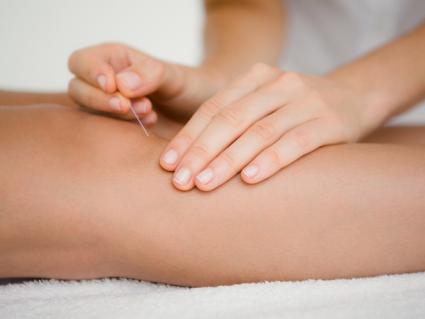

Updates from the 2023 ILADS conference

The 2023 conference for the International Lyme and Associated Diseases Society, ILADS, was held in Boston in September. I had the honor of attending 3 days of lectures all focused on the problems associated with diagnosis and treatment of patients with tick borne illness, long COVID and associated conditions such as PANS and PANDAS. The conference covered a wide array of topics from the foundations of antibiotic and herbal antimicrobial therapies, to the use of machine learning (AI) to help develop new testing for lyme. One of the most exciting lectures of the conference was a research update on a new antibiotic called....
Hygromycin A has been successful and narrowly targeting lyme bacteria in mice and is slated to start human clinical trials in 2024. This is exciting because new antibiotics do not come along very often, the last new class of antibiotics was discovered was in 1984 according to Pew Charitable Trusts. The narrow range of Hygromycin A is also exciting, meaning that it does not kill many other bacteria like broad spectrum antibiotics do. If successful in human trials it may mean that we can use an antibiotic specific to Borrelia spp that would not cause much of the collateral damage and issues that we see with the current commonly used antibiotics.
The 2023 ILADS conference overall emphasized the interconnectedness of environmentally acquired illnesses (such as mold, and heavy metal toxicity), and opportunistic infections as complicating factors in treating lyme disease and long COVID. It presented research that establishes those connections and fostered conversation between physicians on how to unravel the layers that keep lyme patients sick.
Dr. Richard Horowitz, MD also presented his latest paper at the conference. It is an update on his Dapsone protocol for treating cases of Lyme disease when Bartonella is also present as a co-infection. The protocol presented is not suited for every patient and is in no way easy to do or inexpensive. It would never be a first step in treatment but the data presented in the paper is strong for those who qualified for treatment. The paper can be found here for those who are interested in the details. Link to paper.
ILADS mission as an organization is “the diagnosis and treatment of Lyme and other complex inflammatory diseases. ILADS promotes awareness and understanding of complex inflammatory disease through science, research and education.” Additionally they have developed guidelines for the treatment of acute lyme disease that, in my view, are more likely to prevent post-treatment lyme disease syndrome (PTLDS) than the current Infectious Disease Society of America (IDSA) guidelines. Link to the ILADS treatment guidelines.
I am grateful that I got to participate in this event and connect with the many other brilliant doctors who are passionate about diagnosing and treating lyme disease.
In health, Dr. Kathryn Boulter, ND
Updates from the 2023 ILADS conference Related Blog Posts


Updates from the 2023 ILADS conference Related Services
Lyme Disease
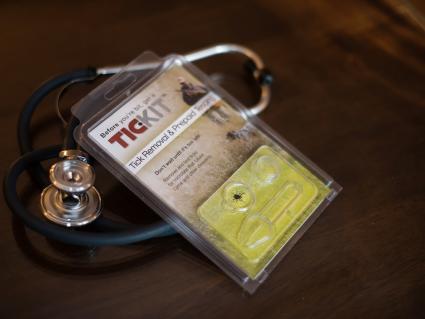
Lyme Disease Diagnosis and Treatment in Delmar NY and Burlington VT offices At the Stram Center we vow to continue our education on Lyme Disease research, stay up to date on the most effective testing and all the safe available therapies. Moreover, our years of experience in treating patients according to the whole person-integrative medicine approach allows us the most effective way to care…Lyme Disease
Updates from the LymeBytes Conference
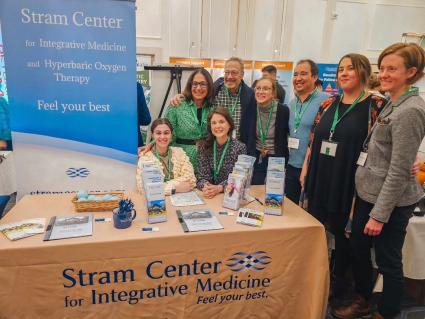
The Stram Center team recently had the opportunity to attend the Lyme Bytes Symposium in Mystic, CT to enhance our knowledge and network with other professionals. We found several presentations to be helpful, especially one on mold and mycotoxins, another on PANS and PANDAS addressing psychiatric symptoms in pediatric patients, and more. We built on our understanding of the impact that infections have on hormonal balance and what tools to use to facilitate healing those imbalances. We learned more about how each sex hormone and stress hormone plays a role in treating chronic illness including how lower testosterone can increase risk for infection due to impairing the body’s immune response....
The information presented helps guide us toward what tools to use in our detective work to get to the root causes of illness, as well as how to treat those root causes. Given that everyone is unique and no two patients present with the same conditions nor do they respond to the same treatments, this conference helped us to broaden knowledge and consider additional methods of healing. We are eager to explore these options with our patients and look forward to sharing more of the information we gained as we work with each individual.
Updates from the LymeBytes Conference Related Blog Posts
Updates from the LymeBytes Conference Related Services
Lyme Disease
Lyme Disease Diagnosis and Treatment in Delmar NY and Burlington VT offices At the Stram Center we vow to continue our education on Lyme Disease research, stay up to date on the most effective testing and all the safe available therapies. Moreover, our years of experience in treating patients according to the whole person-integrative medicine approach allows us the most effective way to care…Lyme Disease
Using Chinese Medicine for Cancer Prevention & Treatment

The Chinese medical approach to cancer starts with prevention, but in the event of a cancer diagnosis, Traditional Chinese Medicine (TCM) can help balance the body and restore healing.
October is breast cancer awareness month and an important focus of this awareness is how to prevent it from occurring in the first place or from recurring after a diagnosis. Traditional Chinese Medicine, including acupuncture, herbs, Qigong meditation, body work and nutrition can be used at any stage of cancer treatment—from prevention to early diagnosis, before and after surgery, during conventional treatment, to after those treatments are completed, or alongside your personal journey in however you chose to treat your cancer. Being a two-time breast cancer survivor myself, Chinese medicine was the first thing I turned to and 3 years later continues to be an essential part of my wellness plan.
We do say that the best cure is prevention, so getting regular acupuncture treatments whether weekly, monthly, or seasonally can help prevent the occurrence of many diseases. One of the main guiding principles within Chinese medicine is that this is a holistic system of healthcare aimed to maintain health and prevent illness, not just treat disease. But if disease does set in such as a cancer diagnosis—regular treatments can help strengthen the body to improve immune function, inhibit cancer growth, detoxify, alleviate side effects of conventional treatment, protect the cells and organs and ensure their healthy functioning, and calm the mind and emotions. An acupuncturist can address what imbalances may be present and treat to correct them, as well as help you help yourself to make lasting lifestyle changes.
Another guiding principle of TCM is that diagnosis of disease is based on determining underlying patterns of imbalance, whether it is diagnosing a common cold or cancer. With the common cold the pattern might be a ‘wind-heat’ or ‘wind-cold’ invasion, with breast cancer it may be ‘liver Qi stagnation’ or ‘kidney Qi deficiency.’ Some diseases tend to follow certain patterns, or affect certain organ systems. This is often the case with cancer.
The main patterns and factors contributing to breast cancer according to Chinese medicine are cold, stagnation, and Qi deficiency (this means your organs do not have enough energy to perform their functions optimally.) So in treatment, the goal is to warm the body, break up stagnation, and increase and strengthen overall energy. We can also look at what organs are affected, like if it’s a lung cancer or colon cancer, or in the case of breast cancer we can look at the chest and see what channels (or meridians) pass through the area. Often if a tumor is located along a certain channel, there is likely an association with that organ and these are the liver, stomach, and kidney channels. The function and actions of these organs are understood within the unique theories of Chinese medicine, so this doesn’t mean if your tumor is along the liver channel that there is something wrong with your liver from a western medical perspective.
If you come to an acupuncturist seeking help with prevention or treatment of breast cancer, underlying patterns of disharmony would be identified for you and treated accordingly. Points and herbs are chosen to correct these patterns and restore balance. One point that might be used is CV 17, named ‘Tan Zhong’ which translates to chest center. It is located along the central channel called the conception vessel that travels up the midline of the front of the body. CV 17 is located on the sternum level with the 4th intercostal space (between your 4th and 5th ribs.) This point is referred to as the ‘sea of Qi’ for its ability to move and free stagnant Qi in the chest and by doing so increasing microcirculation in the breasts. This is very important for breast cancer prevention and treatment, so that lumps or masses do not form or grow. This point is an area of focus in some Qigong meditation for its ability to cleanse and purify blood. Applying focus, pressure, or acupuncture here will also help unbind negative emotions like sadness, fear, anger, or worry that can cause contraction and constriction of breathing, Qi and blood.
EXERCISE:
You can apply pressure here by bringing your hands together as in a prayer position and placing them right in the center of your chest with the thumbs pressing against the sternum. Now take deep breaths into the chest. On the inhale breathe in vitality, joy, courage & relaxation. On the exhale let go of fear, frustration, worry, sadness, or anything else is not serving you. Better yet, go outside and do this!
For a more in-depth discussion of the TCM approach to cancer see my previous blog post: https://stramcenter.com/blog/blog-detail/cancer-the-chinese-medical-framework-view/
Sources:
A Woman’s Guide to Healing from Breast Cancer by Nan Lu, O.M.D., L.Ac.
Jade Woman Qigong, The Healing Power of Taoist Medicine for Every Woman by Master Liu He
Using Herbs to Support Lyme Disease Therapies
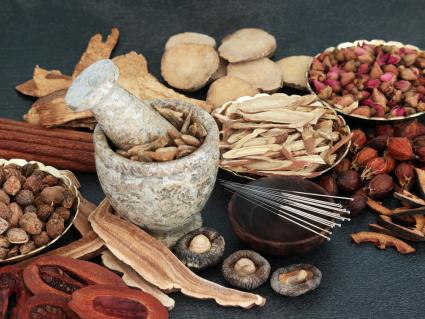
According to the NY State Department of health, active tick season starts in March for adult ticks and May for nymph ticks. With a milder winter this year, it is likely that some have already had encounters with ticks. Both adult and nymph ticks can carry multiple infections referred to as tick borne Illness. These illnesses include Lyme disease caused by the bacteria borrelia burgdorgeri, anaplasmosis, babesiosis, and others. The treatment for Lyme disease is antibiotic therapy such as doxycycline or cefuroxime and is often adequate if caught early. However, caught in late stages, it can be more difficult to treat. Different types of antibiotics and herbs have been studied to find the most effective agent that can kill or eradicate all forms of the bacteria. In subculture studies, single antibiotic therapies are often found to be ineffective at complete eradication. However, there are herbs that have been studied and tested in vitro that have been found to be effective in eradicating all forms of borrelia bacteria.
One such herb is Cryptolepis Sanguinolenta. In a 2020 study, Crytoplepis was found to eradicate all forms of the Lyme bacteria. The authors concluded, “1% Cryptolepis S. extract caused complete eradication” as after 21 days in subculture no active bacteria were visible. The authors found that Cryptolepis was highly effective at eradicating both active and stationary phases of Borellia bacteria. Many herbs have multiple mechanisms of action and this includes Cryptolepis. Cryptolepis is anti-microbial and has activity not just against bacteria, but also against fungal and parasitic organisms.
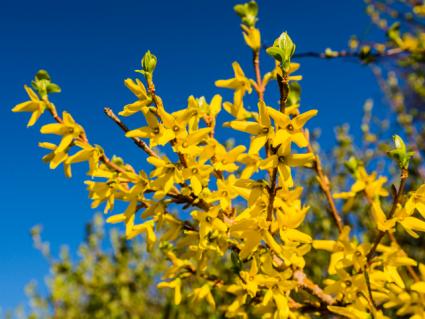
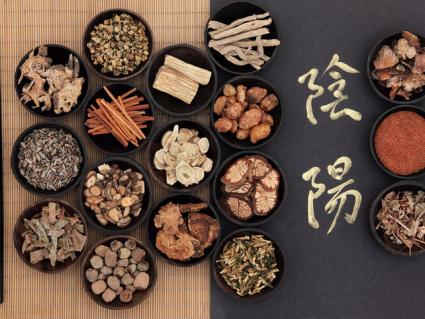
In a 2017 review on Cryptolepis, the active constituent cryptolepine was also found to have anti-inflammatory, anti-oxidant, and even anti-diabetic properties4. Other herbs commonly used to support Lyme therapies such as Japanese Knotweed, Cat’s claw, and Chinese Skullcap have not only been shown to have anti-microbial properties but also anti-oxidant, anti-inflammatory and immune stimulating properties.
Combining multiple herbs can often creates a synergistic effect which may increase overall effectiveness of therapies. Herbal therapies can have interactions with medications and many are contraindicated during pregnancy. Herbs may also cause mild side effects. Therefore it is highly recommended that for proper dosing and precautions, you should consult with a provider who is familiar with herbal therapies and their possible interactions with medications.
If you are interested in starting any herbal or supplemental therapy, please call the Stram Center today as all of our providers are trained in the use of nutrient and herbal therapies.
References
1. https://www.health.ny.gov/publications/2825/
2. Persisting atypical and cystic forms of Borrelia burgdorferi and local inflammation in Lyme neuroborreliosis. Miklossy J, Kasas S, Zurn AD, McCall S, Yu S, McGeer PL. J Neuroinflammation. 2008 Sep 25
3. Feng J, Leone J, Schweig S, Zhang Y. Evaluation of Natural and Botanical Medicines for Activity Against Growing and Non-growing Forms of B. burgdorferi. Front Med (Lausanne). 2020 Feb 21;7:6. doi: 10.3389/fmed.2020.00006. PMID: 32154254; PMCID: PMC7050641.
4. Newman Osafo, Kwesi Boadu Mensah, Oduro Kofi Yeboah, "Phytochemical and Pharmacological Review of Cryptolepis sanguinolenta (Lindl.) Schlechter", Advances in Pharmacological and Pharmaceutical Sciences, vol. 2017, Article ID 3026370, 13 pages, 2017. https://doi.org/10.1155/2017/302637
About Korey DiRoma,, N.D.Using Herbs to Support Lyme Disease Therapies Related Blog Posts
Using Herbs to Support Lyme Disease Therapies Related Services
Naturopathic Medicine
Much like a general practitioner, a naturopathic doctor manages a broad range of health conditions affecting all people of all ages. However, naturopathic medicine is a distinct system of primary health care, distinguished by the healing principles upon which its practice is based.Naturopathic Medicine
Lyme Disease
Lyme Disease Diagnosis and Treatment in Delmar NY and Burlington VT offices At the Stram Center we vow to continue our education on Lyme Disease research, stay up to date on the most effective testing and all the safe available therapies. Moreover, our years of experience in treating patients according to the whole person-integrative medicine approach allows us the most effective way to care…Lyme Disease
Using Meditation to Stay Mentally Cool

Have you considered Transcendental Meditation as a way to stay mentally "cool" this summer?
This month I would like to chat with you about Transcendental Meditation (TM), a great way to stay mentally “cool” this summer, and during every season of the year. I received training in this form of meditation in fall of 2016 with my local certified TM instructors after being reminded of the technique during my Integrative Medicine Fellowship (I originally heard about it as a small child when The Beatles spoke about and practiced it…now I am dating myself!!). TM is a technique for detaching oneself from anxiety and promoting harmony and self-realization by meditation with the repetition of a mantra. The mantra is assigned to the TM student during training by the TM teacher. The Indian guru Mahareshi Mahesh Yogi (1911-2008) brought this technique to the United States and founded the international organization of TM.
TM is a simple, effortless technique for “recharging your mind and body”—creating a brighter, more positive state of mind. It is practiced for 20 minutes twice daily while sitting comfortably with eyes closed. Although there are many different forms of meditation one can practice, I find TM the most helpful to settle down “the monkey mind”—the endless brain chatter we all experience on a daily basis. Also, unlike many other forms of meditation, TM has hundreds of published scientific studies to support its health benefits, and these include studies done at prestigious centers such as Harvard and Stanford Medical Schools and Yale University. Several of numerous documented health benefits with TM include: normalized blood pressure, stress reduction, anxiety reduction, decreased depression, reduced insomnia, decreased cholesterol, reduced congestive heart failure, reduced atherosclerosis/stroke, decreased free radicals and inflammation, reduced metabolic syndrome/pre-diabetes, reduced pain, decreased health care costs and utilization, higher levels of brain function and clarity, improved intelligence/creativity/learning ability, improved academics, improved school behavior, increased longevity, reduced substance abuse, increased efficiency and productivity, and strengthening of the immune system including elevation of natural killer cells.
The TM technique is not a religion or philosophy, nor does it interfere with any diet, lifestyle, or belief system. There are no known negative side effects, and the technique significantly improves mental, physical, and emotional health. It does not interfere with medication, and research has shown that by providing deep rest it can promote the healing process. Also, it can be practiced just about anywhere (but of course, not while you are driving!).
Learning TM can not only benefit an individual, but communities and cities as well. Studies have been done demonstrating that large organized groups of TM meditators placed strategically near areas of war, conflict, and violence can significantly decrease the occurrence of violent acts and can induce more peace. Thus a goal of the international TM organization is to train as many people in TM as possible to favorably influence such social unrest.
So how can YOU learn TM? You can visit the website www.TM.org to learn more about TM and also to find a local certified TM instructor. There is a fee to be trained in the practice of TM, but I think you will find it to be a worthwhile investment for the lifetime health benefits you can achieve with this powerful method.