Tips to Conserve Energy During the Winter
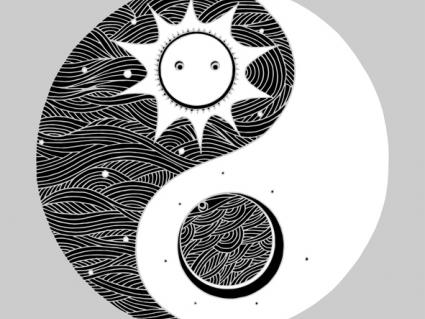
The yin and yang of winter solstice.
As we approach the winter solstice the days are getting shorter and the air is getting colder. According to Chinese medicine, culture and philosophy, we are now in the Yin time of year. As shown in the Yin/Yang symbol called the taiji (pronounced ‘tie-jee.’) this is the white dot inside the black swirl, the light within the darkness, or Yang (pronounced ‘yong’) within Yin. The black represents Yin and is fullest at the bottom of the symbol, this is winter or midnight. While the white represents Yang and is fullest at the top, this is summer or noon. The symbol represents the cyclical nature of all things.
December 21st, the day of the solstice and longest night of the year (in the Northern hemisphere), will represent the height of Yin when its energy is strongest and when Yang energy is at its weakest, hence dark & cold days. One of the most essential theories within Chinese medicine is Yin-Yang theory. It is a way of explaining and reflecting upon all natural phenomena in the universe, including our bodies. This theory holds that present within everything in nature are two opposing but interconnected aspects that are relative to one another, balance each other, and can turn into one another (night turns into day, winter turns into spring, etc.) The original meaning of Yin is the side of the mountain turned away from the sun, or the shady side; while Yang is the side of the mountain facing the sun, or the sunny side. Yin represents darkness, nighttime, cold, winter, passivity, interior, downwards, substance and stillness while respectively Yang represents brightness, daytime, heat, summer, activity, exterior, upwards, function and movement.
Wintertime encourages us to become more Yin—to rest, digest, consolidate and reflect. It is appropriate that we try to be in tune with nature. After the warmer seasons that are full of activity, now is the time to honor slowing and quieting down, to reflect inwardly, and to conserve energy so that we may be replenished and recharged instead of burned out when the spring returns. Just as the leaves fall off the trees and the roots store the essential nutrients needed for re-growth in the spring, we can shed unwanted layers or habits, getting rid of that which does not serve us anymore, while grounding into and cultivating the positive and healthy aspects of our being. Now we need to recharge our batteries so that when Spring comes illness does not linger and we have the energy to be more vibrant. We can do this by:
- going to bed earlier and sleeping longer,
- eating warming spices such as ginger, cinnamon, and cardamom, and foods that are easy to digest like rice, soups and stews,
- making sure to wear warm enough clothing, and always a scarf to protect against cold wind hitting the back of the neck that can bring in pathogenic influences giving way to colds and a tight neck and shoulders,
- exercise but don’t exhaust yourself or sweat too much. Incorporate slower more mindful type of movement such as yoga or Qigong. This can be beneficial to still prevent stagnation in the body without burning up our reserves we’ll need when warmer weather returns.
- Set intentions, meditate, cultivate, and plant seeds on things you want to harvest when Spring comes. For now, relax and let go of whatever is not serving you.
If we don’t honor the season and our bodies during this time, it can give rise to imbalances in the Spring time such as allergies, cold hands and feet, digestive issues, and difficulty waking in the morning. If you have a tendency towards these things, or difficulty now during the winter with sleeping, digesting, slowing down or turning inward, acupuncture and herbs can help. Give yourself a gift this season by prioritizing your physical, mental, and emotional health and doing what you can to align yourself with the season. We are here to help when you need support!
Tips to Encourage Healthy Nutrition in Children with Special Needs
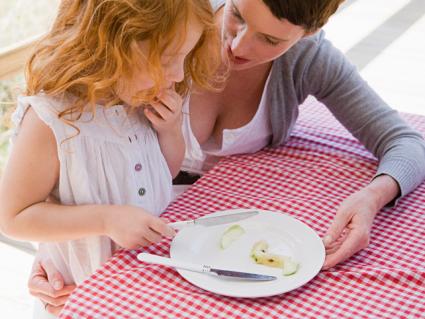
Disclaimer: nutrition can be extremely varied, I am touching on the general aspects to building the foundation of nutritional health in special needs children from personal experience. Please feel free to take what works and leave what preferences or changes do not fit your beliefs, lifestyles, or allergies.
###
As it pertains to childhood health, there are several avenues that may be considered to compose the overall framework of health. The child’s nutrition in regards to quality food and water, daily physical activity, and adequate sleep are the basic foundation of their daily functioning. Another influence to health is the environment in which the child is living and exposed too; and having this environment conducive to stimulating their creativity, imagination, and learning. One should also consider the child’s emotional support including love, security and sense of acceptance. I would also add the importance of inspiring spirituality or a connection to something greater than themselves. There are more arenas that can influence health, but the above are the basics to feed their body, mind, spirit, and soul. If there is an alteration in the functioning of the child’s physical, mental, or emotional ability the ways we meet these needs may require more creativity and support. I would even argue that for these beautiful individuals the need for those things mentioned above such as adequate nutrition, physical activity, emotional support, and embracing their imagination, are even more critical for their well-being. In this blog I will be providing a few tips and guidance to initiating, maintaining, or making changes to the nutritional aspect of health in regards to special needs children.
TIP #1
The first tip that I have found to be helpful in switching to a healthier “lifestyle”, as my boys and I call it, is simply conversing with the child about the importance of nutrition during tasks such as shopping, cooking, and while eating. I have found this is a great way to involve them in this lifestyle. I think for all children, regardless of their needs and abilities, they deserve to have an explanation of why we do things a particular way. As we give simple explanations of the foods that we are choosing to eat or the reasons why we choose to avoid certain foods, we are expressing to them their involvement is appreciated and that they are valued. Over time, they will start to recognize it is not a form of punishment; but it is what is best for them, and that these choices are ultimately coming from a place of love. In addition, I have found providing them this knowledge will also empower them to advocate for themselves and others in the future as well.
TIP #2
The second tip that I have discovered, particularly for children that are not as accepting to change, is to give them two options for meals or snacks, and then get them involved. As an example: as the adult you give the option of poultry or fish for dinner with the choice of a salad or sautéed broccoli, then they make the decision between the options given. The next step to this is getting them involved in preparing the option, as they are able. This can be modified significantly and can be as simple as the child getting one of the supplies needed, to seasoning the food, or just having them watch you prepare.
TIP #3
The third tip is listening to your child regarding food changes. This will require discretion from the adult, but if a child has texture concerns or temperature sensitivities we want to be mindful that there are things that as individuals....we just simply do not like. This can take time to weed through because sometime we may label the dislike of foods, such as lettuce or cucumbers, as a texture issue, but the more exposure the child has to these foods, along with removing other foods they were previously indulging in; we may see these items become tolerated and even enjoyed. For example, my son loves rice, anytime I would provide him a meal with rice, meat, and certain veggies he would choose which veggies he would or would not eat. He would even begin to gag when attempting to eat these items. I defaulted overtime to “knowing” it was a texture issue and there are certain things he just cannot eat. Well, as we started our “lifestyle” change and eventually rice was eliminated from the plate, over time (not even two weeks into this change) he started trying these items independently. Not only did he tolerate them, but he started eating them first. This was a huge deal as for years he was not getting the nutrition I knew his body needed, and now he was loving it! As it pertains to listening to our children, I discovered truly he could not tolerate different seasonings. I listened to him throughout this process when he said he did not like something, I would change things up routinely, because many times it is the way we are preparing the food versus the food itself. If your child has texture concerns, be creative in the way you present the food (as allergies allow), how you season can play a huge roll in acceptance of food. It can be as simple as the difference in taste from coconut oil to grass fed butter. Over time, outside of the beginning stages of this “lifestyle” change, you will be able to assess and recognize which food items are not tolerated on an individual basis due to palate or concerns such as texture as opposed to not liking the food because it is not what they are in favor of.
Now that we touched on three tips to getting through making nutritional changes, let’s touch on three basic food changes you can make that will help work towards your child eating healthy.
FOOD CHANGE #1
The first overall change a family can make is to avoid processed foods and poor quality foods. This can start by reading the product's ingredients list. If a product does not have an ingredients list, typically it is a whole food or food in its original form. A good rule of thumb is shopping on the outside of the grocery store, the perimeter of the store typically has the food in its original form. As an example, instead of purchasing chicken tenders in a bag, go to the poultry section and buy the chicken and prepare your own recipe of chicken “nuggets” at home. Substitute items for optimal nutrition. Instead of using breading for chicken nuggets, use almond flour or coconut flour. To take this to the next step - knowing which foods are good quality are essential. Inform yourself on terms such as:
- Genetically modified organisms (GMO’s)
- Wild versus farm raised for seafood
- Caged versus free range eggs
- Grass fed grass finished beef versus grass fed grain finished versus conventional beef
- Range free poultry versus conventional poultry
These are just a few terms you may see when shopping. it is not enough anymore in today’s world to just see organic and trust the label, something can be organic and still have ingredients that are not nutritionally sound. There are also lists such as clean fifteen and the dirty dozen from the Environmental Working Group (EWG) that give updated lists each year regarding which items you should or should not buy non-organic or conventional according to pesticides or sprays being used (Environmental Working Group, 2017). It does take more preparation and time, but by starting to eliminate fast food, avoid boxed/bag snacks, fruit juices, and other high carb processed items the body and brain have better fuel to use (Liden, 2018). You will start to see subtle to large improvements in your child such as bowel habits, behaviors, and awareness to their environment.
FOOD CHANGE #2
The second step would be to reduce items such as bread, rice, and pastas which many times are used as fillers in our diets. In its place increase the protein, quality fats, vegetables and fruits the child is eating. In American homes, these are the items we eat most and typically get full on. These high carb items can contribute to weight gain, insulin spikes and hunger as they are metabolized quicker than protein (Harvard School of Public Health, 2014). When choosing to eat these items, choose to eat quality ingredients such as sprouted breads, organic rice, and alternative pastas other than bleached flour. Special needs children many times have an array of concerns regarding metabolism. Making these changes with child-specific ratios will support their needs in a nutritionally solid way.
FOOD CHANGE #3
The third step to promote the healthy nutrition of your child is to increase water intake. This seems so simple, but is a huge factor in health. Our bodies are made up of 60% water, sometimes more depending on age, and every organ in our body needs hydration to function properly. Water also has a large impact on detoxification. Water does things such as flushing out toxins, thins mucous or secretions in the body, and helps keep bowel movements regular. The biggest way to increase water intake is to eliminate the access to other options such as fruit juices and sodas. Water can be flavored with different fruit or vegetables; it can be plain or sparkling to change the taste as well. Sometimes, simply having the water in a fun glass or container with a straw encourages the child to drink more amounts of water. If the child was previously drinking soda - changing the terms can be helpful, such as calling your seltzer water “mommy or daddy’s soda” instead of seltzer. If it is absolutely challenging to quit fruit juice cold turkey. Water down the juice in increments making it less and less sweet until the child is getting almost all water. Fruit is a much healthier option to give your child versus fruit juice because it has fiber and other essential nutrients, and is easier on the teeth in regards to decay (Kaplan 2017).
Nutrition is medicine, and it can either help decrease the burden of sickness and disease or support it. Our special needs population is in need of support to optimize their functioning, and what we put in their bodies does matter. Nutritional change can take some time to get used to, but if you continue to model consistency, your child will eventually start to eat and drink those nutritionally sound food options. Remember, the small consistent changes are the ones that make the biggest differences overtime.
You can do it!
Much Love,
Sierra Garrett FNP-BC
References
- Environmental Working Group. (2018). EWG's 2018 Shopper's Guide to Pesticides in Produce™. Retrieved from https://www.ewg.org/foodnews/
- Harvard School of Public Health. (2017). Protein, carbs, and weight loss. Retrieved from: https://www.hsph.harvard.edu/nutritionsource/2014/...
- Kaplan, K. (2017). Pediatricians take aim at juice: It 'has no essential role in healthy, balanced diets of children'. Retrieved from: http://www.latimes.com/science/sciencenow/la-sci-s...
- Linden, S. (2018). Improving student health with nutrition. Retrieved from: https://viurrspace.ca/handle/10613/6074
To Cleanse or Not to Cleanse?

There are natural ways for your body to cleanse.
What is the purpose of cleansing?
In general, a “cleanse” may be considered as the removal of unhealthy foods and chemicals from the diet. It is usually performed over a short period of time - typically about a week - but they can last as long as 3-4 weeks.
- Unhealthy foods may include foods with added sugar, highly-processed foods, fried foods, foods high in animal/saturated fat, and foods with additives, or preservatives
- Chemicals may include coffee, alcohol, tobacco, unnecessary or overuse of over-the counter-medications, and non-ingested items such as shampoos, soaps, lotions, and make-up
Detoxing is the body’s natural process of converting and eliminating toxic substances out of the body. The liver is the body’s main detoxifying organ and it does this in three phases.
- The first phase uses cytochrome enzymes to detoxify substances
- The second phase metabolizes the intermediates from the first phase by using glucaronic acid, sulfur, gutathione, and methyl groups
- The third phase involves transporting the transformed toxins to be excreted through bile and urine
The gastrointestinal (GI) tract also takes part in processing and eliminating toxins. Mechanisms exist in GI cells that recognize and discard toxins so that they do not get absorbed into the body. Bacteria, especially good bacteria or probiotics, can process and metabolize toxins and potential carcinogens.
All these processes occur on a regular basis, but do require certain vitamins, minerals, and nutrients to occur at an optimal level. For example n-acetyl cystiene is used to supply sulfur and replenish glutathione stores. Supplementation with specific nutrients can greatly assist in the the body’s natural detoxification process.
Avoidance of toxins and chemicals is the best way to start the cleanse process. One way to start is by eating whole, organic food, and drinking plenty of purified water. Light to moderate exercise gets the circulatory system and lymphatic system flowing faster to deliver nutrients to the system and remove toxins and waste. The benefits of a cleanse may include increased energy, less fatigue or brain fog, lessened muscle or joint pain, and improvement in gastrointestinal symptoms such as bloating, gas, constipation or diarrhea, and acid reflux.
Tongue and Pulse Reading According to Chinese Medicine
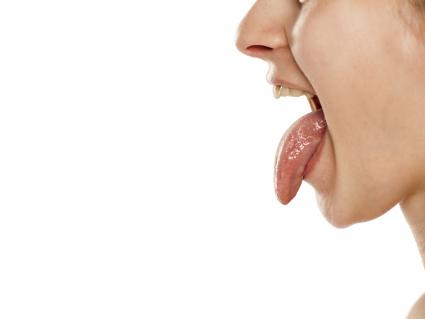
Have you ever wondered why your acupuncturist looks at your tongue and feels your pulse?
Practitioners of Chinese medicine learn and hone very specific and detailed ways of examining a patient in order to gather information to form a diagnosis. In the instance of Lyme disease and other tick borne diseases (TBDs), a Chinese medical practitioner will approach the patient from a unique perspective and diagnose according to underlying patterns concluded after what are called the four examinations.
The four examinations are: 1) looking, 2) touching, 3) asking, and 4) listening and smelling (in Chinese these are one word). Each one allows the acupuncturist to focus on different ways of recognizing signs that point to different disharmonies. This recognition initiates treatment using various acupuncture points and/or herbs in order for healing to take place.
Looking at the tongue and feeling the pulse are often considered the most important. When looking at a patient, an acupuncturist is observing the general appearance, physical shape, facial color and features, and the tongue—all as insights into the state of health from vibrancy to illness. Subtle nuances are observed that contribute to an interpretation of what is going on within the body and mind.
The tongue is one of the microcosms of the body that is like a mirror or map to the rest of the body. As the beginning of the digestive tract it can reflect the state of the gut, such as food intolerances, toxins, weak or overly taxed digestion and more. More than just digestion, certain parts of the tongue correspond to different organs, for example the far back of the tongue represents the kidneys and the very tip represents the heart, and depending on what is seen there, associations are made to different imbalances. For example, if the tip of the tongue has lots of very red dots, the patient may have anxiety or difficulty sleeping, and may feel hot at night.
When looking at the tongue, the overall body, shape, color, coat and texture are observed. A normal tongue is pale red with a thin white and somewhat moist coat. Deviations from this normal picture are a tongue that is very puffy, thin, or cracked; color that is very red, pale, purple or even more rarely black; coating that is very thick or non-existent (called peeled), yellow or even green, sticky, watery, or dry; a tongue that shakes, is stiff, does not extend easily or hangs too far. All of these are signs that point to underlying conditions. For example, a very red tongue with a yellow coat indicates much heat maybe from infection or inflammation, a pale and thin tongue with a dry coat can indicate deficient blood or body fluids, a purple color can indicate pain, a puffy tongue with scalloped edges from pushing out against the teeth indicates a weakness in overall Qi or excess fluids. A very thick coat can be described as greasy and indicated excess mucus or dampness in the body.
Of the four examinations, touching includes feeling the skin for heat, cold, dryness, moisture, if pain feels better or worse with touch, sensation at different acu-points, and most importantly, feeling the pulse. Just like the tongue, a lot of information can be gathered by nuances in the pulse. The pulse indicates overall health and strength of energy. Although rate is noted if it is abnormally fast, slow, or irregular, what an acupuncturist tunes into otherwise is overall quality of the pulse as in strength, width, shape, depth, length and more. The pulse is felt at three levels of pressure—superficial, middle, and deep. Three fingers are used at a specific location on both wrists with 2 different organs corresponding to each position, so 12 total. There are about 28 different pulse qualities, so it takes many years of practice and refinement to be able to identify these subtleties. There is a sensitivity of the practitioner for the overall quality of the pulse, as well as any difference felt between the right and left wrist and under each of the fingers. So, for example the liver position may feel quite different than the lung position, or if one organ was noticeably weaker than the rest that may indicate something problematic in that organ system.
A normal pulse is considered moderate in rate, it “is elastic and ‘lively,’ neither hard or unyielding nor flaccid and indistinct.” If the pulse is weak without force, it can indicate some kind of depletion. Although it is normal for a woman to have a softer pulse than a man, for an athlete to have a slower pulse and for children to have a faster pulse, for a heavier set person to have a deeper pulse and for a thinner person to have a more superficial and even ‘thin’ pulse. Examples of quality of pulses and what they point to as far as potential diagnosis are—a ‘floating’ pulse (felt very superficially) can indicate the body trying to fight off an illness coming from the outside as in a viral cold or flu or initial Lyme or TBD infection, whereas a very deep and weak pulse can indicate a more chronic internal illness when the patient feels debilitated, a ‘wiry’ pulse (hits the fingers like a taut guitar string) can indicate pain and/or emotional stress, a ‘slippery’ pulse (rolls or glides under the fingers) can indicate phlegm in the body, and is also a normal pulse during pregnancy.
The beauty of Chinese medicine is that it is a unique comprehensive system of health care with a continuous clinical tradition of over 3,000 years with documented research and practice, and it is also a sophisticated art. Tongues and pulses vary from each individual to the next and will change over time, often even within an acupuncture treatment. When all the pieces are gathered by getting to know the patient as a unique individual, a treatment is formulated using the science of medicine and the art of healing.
References:
Kaptchuk, Ted. The Web That Has No Weaver, Understanding Chinese Medicine.
Maciocia, Giovanni. The Foundations of Chinese Medicine: A Comprehensive Text for Acupuncturists and Herbalists.
Top 10 Suggestions For Best Breast Health

October is Breast Cancer Awareness Month. Here are the top 10 things you should be doing to be proactive with your breast health!
As the month of October is a reminder of the high incidence of breast cancer in this country, I took the opportunity to compile a list of strategies we can take to be proactive in minimizing our risk for breast cancer development:
- Eat an organic, primarily plant-based diet rich in cruciferous vegetables. In the body, estrogen is broken down into various metabolites that can be either protective (2-hydroxyestrones) or permissive (16-hydroxyestrones) for breast cells in terms of vulnerability to cancer transformation. Dietary measures such as consumption of cruciferous vegetables (broccoli, cauliflower, cabbage, Brussels sprouts, kale, bok choy, and others) and phytoestrogens (weak plant estrogens) such as ground flaxseed can help favor the protective estrogen metabolites, improving our resistance to breast cancer development.
- .Moderate alcohol drinking. In studies on primary prevention of breast cancer, alcohol intake is associated with increased breast cancer risk. Alcohol increases circulation of both androgens and estrogens; many studies have linked alcohol intake of more than one alcoholic drink per day with a number of cancers, including breast cancer.
- Avoid high sugar intake. High sugar intake increases calories in the diet and often prompts exclusion of more nutritious food. It can lead to weight gain and elevated insulin levels and other aspects of the metabolic syndrome, contributing to cancer cell growth.
- Drink organic green tea. Green tea is chemically a “polyphenol” that works as a natural aromatase inhibitor (similar to antiestrogens given in breast cancer treatment). Some clinical studies performed in China showed that green tea decreased the risk for development of breast cancer.
- Consume omega-3 fatty acids. Omega-3 fatty acids (EPA and DHA) are anti-inflammatory and are found in fish oil, flaxseed oil, and walnut oil, amongst others. Studies of fish oil intake have demonstrated a reduced risk of breast cancer in both pre- and post-menopausal women.
- Avoid environmental xenoestrogens. Certain chemicals can be converted in the body into molecules that mimic the effect of estrogen, increasing our risk for breast cancer. These include phthalates and parabens in skin or haircare products and pesticides. It is prudent to use personal care products that do not contain harmful chemicals and to avoid pesticide use.
- Get adequate vitamin D. Vitamin D deficiency is common, especially in patients who are acutely or chronically ill, and those residing in northern climates. Vitamin D is important in immunity and has an anticancer effect. Strong evidence exists that vitamin D (and calcium intake) can reduce the risk of breast cancer, so it is prudent to check a blood level and supplement if needed (in addition to getting daily sun exposure if possible).
- Maintain a healthy weight and active exercise routine. Obesity is a significant risk factor for breast cancer occurrence; achieving and maintaining a healthy, ideal body weight is important for breast health, and eating a mostly plant-based diet, as well as exercising regularly, is an important strategy to minimize risk of developing breast cancer.
- Protect sleep time and quality. Our bodies produce melatonin during sleep, and melatonin typically antagonizes the action of estrogen. Sleep is also restorative and supports a strong immune system. Lack of good quality and quantity of sleep, as well as disruption of the normal circadian rhythm, has been linked with a higher incidence of breast cancer.
- Control the stress response/mind-body therapies. When we are in “fight or flight” mode (sympathetic nervous overdrive), particularly when in stressful circumstances, our immune system is more vulnerable and natural killer cell activity (cancer surveillance cells) declines; this creates a permissive environment for cancer to flourish. The opposite is true when we are in a relaxation state (parasympathetic nervous system predominance), and our immune systems are more resilient. Decreasing our stress response and purposefully pursuing mind-body therapies that can induce the relaxation response can be prudent to avoid illness.
May you enjoy the brilliant autumn colors in good health!
Traditional Chinese Medicine and IBS
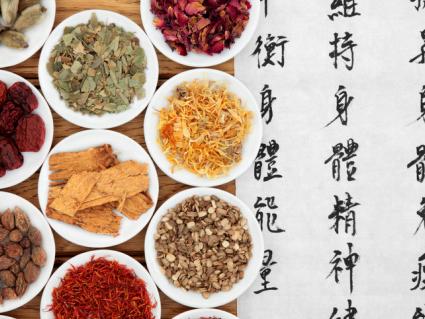
Traditional Chinese Medicine can help improve IBS.
Evidence-based medicine has demonstrated that irritable bowel syndrome (IBS) can benefit from multiple treatment options to address this often complex disorder. One of these options is Traditional Chinese Medicine (TCM), including acupuncture, herbal formulas and dietary therapy. In a 2015 systematic review of randomized controlled trials of Chinese herbal formulas and IBS, patients taking traditional Chinese herbs alone or in conjunction with usual care improved at a higher percentage than those using only conventional medicine (Xiao et al., 2015). Additionally, there were no adverse events reported in the trials among patients taking the Chinese herbal formulas. The authors noted that physiological responses of Chinese herbal formulas responsible for their healing effects include the modulation of smooth muscle of the gastrointestinal tract, regulation of neurotransmitters, reduction of intestinal inflammation and restoration of intestinal flora.
When unified in a formula, herbs share the responsibility of the intended treatment goal. One of the formulas that is used to treat IBS includes a base of four herbs: bai shao (white peony), bai zhu (white atractylodes), chen pi (citrus peel) and fang feng (siler). TCM pathology uses terminology that sounds unfamiliar to western medical concepts, however it is simply a different way of explaining the same action of the compound. The purpose of each herb in the formula is defined by it’s own individual actions and plays a part in the general purpose of the formula. For example, white peony is an herb that ‘soothes the liver,’ in other words it relieves stress. To take one herb alone for IBS would be inadequate so there is the addition of the others. White atractylodes has the action of ‘tonifying the spleen,’ in other words it helps nutrients to absorb in the small intestine. Citrus peel supports the digestive function by ‘transforming dampness,’ in other words it reduces abdominal bloating. And lastly, siler has the function of ‘expelling wind,’ in other words, it relieves diarrhea.
IBS can be triggered by stress and anxiety. The syndrome can also perpetuate these psychosomatic discomforts. Acupuncture provides time-tested relief to stress and anxiety thereby treating this aspect of IBS. According to TCM theory, the digestion is our central axis. It is the prime source of energy from the breakdown of food. If this system is dysfunctional we may feel irritable, fearful, anxious, or unsettled. On a physical level this may result in IBS, constipation, urgent loose stools, pain and bloating. One of my paramount focuses as a practitioner of Chinese medicine is to treat the imbalances of the gastrointestinal tract and support it’s functions of assimilating nutrients from food, promoting motility, normalizing bowel function and decreasing inflammation. Similar to properly recommended Chinese herbs, acupuncture provides safe, cost effective and health promoting care for IBS.
References:
Li CY1, Ain Mohd Tahir N, Li SC. A systematic review of integrated traditional Chinese and Western medicine for managing irritable bowel syndrome. Am J Chin Med. 2015;43(3):385-406. doi: 10.1142/S0192415X15500251. Epub 2015 Apr 27.
Transitioning Gracefully From Fall to Winter

Slowing and quieting as we transition to winter.
Now that we’re into the month of November, we begin to transition from autumn into winter. Some of the oldest Chinese medical texts suggested thousands of years ago that humans should live in harmony with the natural cycle of the seasons. After the warmer seasons that are full of activity, now is the time to honor slowing and quieting down, to reflect inwardly, and to rest and conserve energy so that we may be replenished and recharged instead of burned out when the spring returns. Just as the leaves fall off the trees and the roots store the essential nutrients needed for re-growth in the spring, we can shed unwanted layers, getting rid of that which does not serve us anymore, while grounding into and cultivating the positive and healthy aspects of our being.
As fall transitions into winter and the days grow shorter and colder, yang moves into yin. Winter is the most yin time of the year. According to Chinese medicine, the metal element corresponds to autumn, harvesting, the Lung and Large Intestine organs, the nose, skin and body hair, grief as well as awe and inspiration; while the water element corresponds to winter, storing, the Kidney and Bladder organs, the ears, bones and head hair, fear as well as courage and ambition. The Lungs help distribute Wei Qi, the defensive energy, to the surface of the body to ward off colds and flus, while the Kidneys store our Yuan Qi or source Qi, our most dense core strength and will-power. The Kidneys help anchor down the pure air we breathe in through the Lungs to be used as vital energy to support all the systems of the body.
During this time of introspection and consolidation, it is important we recharge our batteries and cultivate personal practices of a healthy diet, exercise, getting enough sleep and relaxation, and self-care like receiving an acupuncture treatment. Try setting attainable changes that will make you feel better to increase energy, focus and suppleness while decreasing pain, fatigue and stress. Even by thinking of one thing you’re grateful for before you go to bed can help improve your immunity.
Treating IBS with Nutrition Therapies and Lifestyle Changes
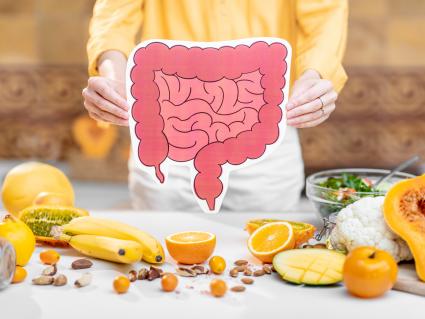
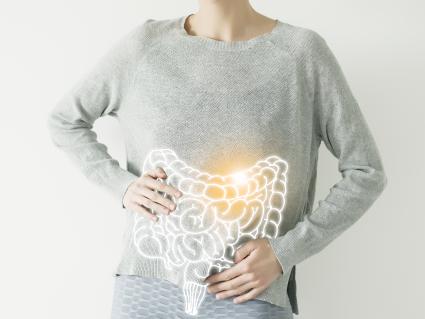
Irritable bowel syndrome (or IBS) is a general diagnosis that encompasses many more specific gastrointestinal conditions. Symptoms of IBS can widely vary, from constipation and/or diarrhea, to abdominal pain, gas, and/or bloating. IBS can also refer to some major GI diseases, including Crohn’s disease, ulcerative colitis, and diverticulitis. Some of these are autoimmune in origin. Others can come about from genetic predisposition or lifestyle factors. One thing that all these GI conditions have in common is that the gut microbiome, which is our individual collection of billions of microbes. The gut microbiome is like a rainforest, so when something disrupts the delicate ecosystem, its effect is widespread.
Gut healing, like most healing, is always individual...
....and depends on someone’s current symptoms as well as their health history. Testing is an important tool to identify what’s going on. A health practitioner will suggest certain tests, based on what area they want to focus in on. Some examples include stool testing, breath or blood tests. Through a comprehensive approach, we can better understand where the issues are taking place, from the mouth (where the GI system starts) to the colon/anus (where the GI ends).
When working with those with IBS, treatment can include specific diet therapies (such as an elimination diet), supplementation, and lifestyle changes. One example of lifestyle changes that may be suggested is slowing down and thoroughly chewing food at mealtimes. Many people rush through meals, not adequately masticating their food. We only have teeth in our mouths and so by skipping this important step in digestion, it makes our gut work harder. This can create an increase in symptoms such as gas/bloating and can also hinder our body’s ability to absorb nutrients. Sometimes supplementation is required to support the body in producing adequate stomach acid or digestive enzymes. Other times, GI motility needs a little encouragement or, conversely, relaxation. There are tools and supplements that can help in those areas as well. In the many instances of problematic bacteria or gut infections, an antimicrobial, antibacterial, antifungal or botanical therapy can be useful to restore healthy gut flora.
IBS is a complex condition that requires proper testing and treatment specific to each individual. The right health practitioner can help suggest dietary and lifestyle changes to not only provide relief from the symptoms but also get to the root cause and course correct for long-term wellness.
Treating IBS with Nutrition Therapies and Lifestyle Changes Related Blog Posts



Treating IBS with Nutrition Therapies and Lifestyle Changes Related Services
Nutritional Counseling
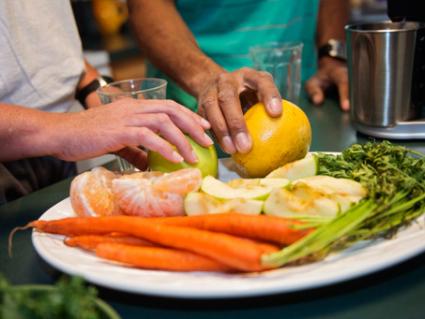
The practitioners at the Center recognize that diet is often the basis for your heath and your potential to heal. Adopting a healthy diet is often the first step towards correcting health problems. Many medical conditions can be treated more effectively when the patient implements specific diets and uses nutritional supplements. These interventions afford fewer complications and side effects than…Nutritional Counseling
Chronic Illness
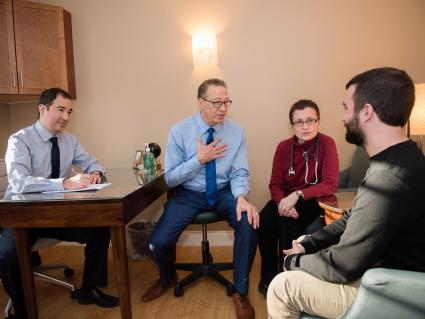
Nowhere is the need for an integrative approach more apparent than in the management of chronic illness. We are a synthesis of many systems all working together, and when one or more systems become diseased, all of the others will be stressed as well. From physical challenges, to the challenges of everyday living, to a satisfying quality of life, we have to go past seeing that illness in…Chronic Illness
Treatment of Leaky Gut is Not a Mystery
The title of the story in this Sunday’s NY Times magazine, The Boy With a Thorn in His Joints, suggests that the patient story is an anomaly-an atypical medical case. I want to report that this is far from the reality of the clinical experience in my office.
The patient complaint, the history, the far reaching impact of unnecessary pharmaceutical treatments on patients and their families, all are commonly heard in the private chambers of my office. From ages 3-85, leaky gut syndrome is not a peculiar and mysterious thorn from which patients and their families must endure the kind of suffering as described in the story. The results of specific dietary therapies in the care of my patients with the same problems are dramatic.
Medicine Needs to Change
It is unnerving to me how far astray the medical community has gone- that something as foundational to health as the physiology of our digestion would be second to the influence of the pharmaceutical and device industry. Medicine needs to change; the whole person approach is integral to comprehensive medical treatment. The re-education needs to begin in medical school, continue in residency and post graduate courses.
Obstacles are in the Billions
Currently, the obstacles for the needed changes in medicine are in the billions and billions of dollars in pharmaceutical profits that look to keep our nation one that is dependent on drugs. There is no corporate profit in a nation that relies on wholesome nutrition and preventative medicine as its primary guide.The needed changes in medicine do not even gain momentum from the fact that a healthier non-drug dependent nation has fewer healthcare expenses.
When will the voices of sick patients like the boy in this NY TIMES story and the suffering of their families be heard? What will it take?
Treatment of Lyme Disease is Like Climbing Monkey Bars
The following is a transcript of “Treatment of Lyme Disease is Like Climbing Monkey Bars” an introduction by Dr. Ron Stram at the Tick Borne Disease Alliance Walk/Run to Fight Tick-Borne Diseases: BITE BACK FOR A CURE on Saturday, October 20, 2012 at the Crossing of Colonie, in Albany NY:
Good Morning! Thank you all for coming out today on this glorious morning to show your support and concern. And thanks to the sun for showing up as well!
This disease knows no barriers of age or gender–despite the most common age of onset still being between 5 and 9 years, among mostly boys, Lyme Disease afflicts all age and gender groups as evident here among us today. But, what I also see in its affliction is the perseverance and the determination, of all of YOU. Your insistence and courage doesn’t mean a race to the finish line—for sometimes, COURAGE is the tired voice at the end of the day that says, “I’ll try again tomorrow.”
Tick borne disease is not “just” LYME disease; it includes Lyme and its co-infections, re-activation of latent infections, and immune system malfunction. The biology of the spirochete is complex. It grows slowly and changes its shape; and all the while shedding debris, leaving membrane fragments of DNA and other compounds, which reek havoc on the immune system. This disease is not only an infectious disease, but an immune system take over!
How many of you recall being bit by a tick? Your show of hands confirms what is already known: approximately 17% of those diagnosed with Lyme ever recall a tick bite, and similarly 33% don’t ever report what used to be referred to as the classic Bull’s Eye rash. The consequence of delayed diagnosis and early intervention sets the stage for chronic Lyme disease.
The elusive bug utilizes unique survival strategies: first, by preventing antibiotic penetration through the production of a “slime” layer, or “bio-film”; second, through cell type variation, the spirochete is able to transform itself into three different shapes each affected by unique therapies; and third, the bacteria, over time, is able to undergo genetic mutation so that it becomes even more difficult to manage. If that wasn’t enough to make this disease complicated to treat, the bug also does not grow steady but in unpredictable cycles thereby creating periods of wellness in the afflicted followed by recurrence of symptoms. This is why many of you have reported feeling “crazy” and has prompted many of your doctors to recommend psychiatric treatment.
Our approach at the Stram Center is a “whole system-whole person” approach. This means that not only do we utilize judicious and sometimes prolonged and variable antibiotic therapies and herbal and vitamin supplementation, but we also include lifestyle modifications, nutrition and complementary treatments such as acupuncture. Our clinic experience with Lyme disease has shown that this integrative approach has the most effective outcomes. We support you and your whole family with our expertise, guidance and navigation through this complex health issue that affects all aspects of your lives so dramatically. We listen and we learn together, taking the necessary time, every time.
So, where do we go from here? No one among us can go back and make a new beginning, but all of you are here today to create a new ending. We are here to engage a network of multi-disciplinary, multi-sectorial stakeholders at all levels of this disease. We have to get over the current established guidelines for treatments that don’t work. It’s much like traversing the monkey bars: you have to let go to move forward. And we have to climb those monkey bars together, physicians and patients.
Here today, we know if you run to the finish line, you have a chance of winning! However, you are all a testament that if we don’t try at all, we’ve already lost. I am confident our best days are here and a cure is right around the next hurdle.