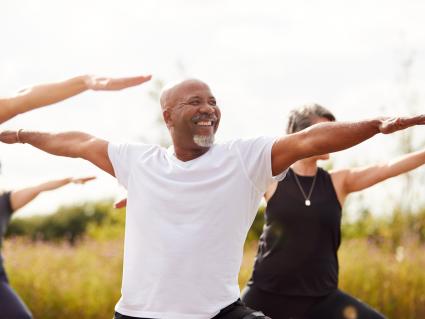
The Power of Movement
Exercise, exercise, exercise - we have all heard it before. Maybe so many times that we start to tune these recommendations out. Read below for some information about how daily movement can help to reduce your overall risk of cardiovascular disease - sometimes, knowing the “why” and “how” can help motivate us to make these changes towards better health!
According to the American Heart Association, approximately 126.9 million American adults had some form of cardiovascular disease between 2015 and 2018 - and this number continues to climb. Significantly, cardiovascular disease (CVD) is the leading global cause of death, accounting for about 18.6 million deaths in 2019 - this is more deaths than deaths from all forms of cancer and chronic lower respiratory disease combined! If only there was something that we could start doing today to help minimize our risk … and there is!
A major contributor to the rise in heart disease are our modern-day lifestyle choices, one of them being our predominantly sedentary lifestyle. Research has shown that physical inactivity is a significant modifiable risk factor of heart disease. Modifiable risk factors are those which WE can control ourselves. Therefore, we can use this knowledge as power to motivate us to make changes towards a more active lifestyle and reduce our risk of cardiovascular disease.
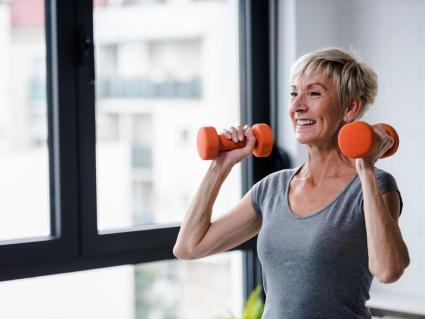
The American Heart Association recommends that adults get at least 150 minutes of moderate-intensity aerobic activity or 75 minutes of vigorous activity, or a combination of both per week. Resistance or weight muscle strengthening activity is recommended at least twice per week. As with any recommendation, it is individualized - every person is different, and therefore everyone’s recommended exercise frequency and intensity to achieve optimal functional enhancement will be different. It is also important to note that the best exercise for you at a given time may vary based on your current health status, so it is always beneficial to consult a provider for appropriate recommendations.
Also, as with most lifestyle changes - it is recommended to start low and go slow with the change. Even little increases in movement every day can lead to cumulative effects that can have significant long-term benefits. And indeed, the very best exercise is the exercise that you will be modified to perform on a regular basis. This may look a little different for everyone - the idea is to move more, sit less - and find forms of movement that YOU enjoy. And it certainly does not have to look like going to the gym multiple times a week, unless, of course, this is something you enjoy doing.
We all have good reasons to choose to not exercise, whether it be time, accessibility, energy, lack of motivation, etc. I challenge you to grab a paper, pen, and write down a list including “active” activities that:
· You have done in the past that you have enjoyed
· That you currently do on a regular or irregular basis and enjoy
· That you think you might enjoy trying in the future
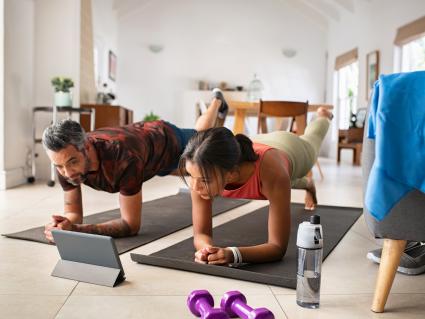
These activities can be something as simple as taking a walk during your lunch break, going on a bike ride, shooting hoops, roller skating, etc. For this time of the year when outdoor activities are more limited, there are a plethora of free online classes for Zumba, HIIT, yoga, etc. - try inviting a friend over or get a family member to join and make it fun!
After brainstorming these ideas, I further challenge you to circle at least one from each category and plan time in the near future to make time for these activities. The idea is to identify “active” activities that you enjoy doing and implement a variety of them into your daily, weekly, and monthly routines for a sustainable plan centered around increased activity.
But what if I am too tired to exercise?
Exercise, even light activity can boost energy levels! Yes, this can include something as simple as taking the stairs instead of the elevator, for starters. The more you move, the more energy you will have. Exercise will work to pump more blood throughout your body, delivering oxygen and vital nutrients to energize your cells. It also facilitates mitochondria production, resulting in increased cellular energy supply, allowing you to have more energy. Exercise also boosts certain hormones - if you have ever felt that “high” after exercising, you know what I am talking about!
Some helpful tips:
- Note patterns of time during the day when you tend to have the most energy - try to use these times to their advantage and try to fit in some form of activity, no matter how small that may be. Over time, it will be easier to slowly increase the amount of activity performed.
- Plan an active activity to do with a friend or family member, that way you are held more accountable, and you have a partner to motivate you more to do the activity.
- Try an exercise class - whether virtual or in person, often having support from a group can help - and modify the class to your fitness ability! Always remember to start low, go slow, and build from there!
If you remember nothing from this post, always remember that the very best exercise is the exercise that you will be motivated to perform on a regular basis - and challenge yourself to discover this! Just like healthy habits, heart disease develops over time - so try to incorporate as many preventative measures into your regular routine as possible to prevent adverse cardiac events in the future.
Of note, don’t forget other significant modifiable risk factors of heart disease that were not discussed in this post, such as dietary factors, alcohol intake, smoking, and doing your part to seek regular screening for and controlling weight, diabetes, blood pressure, cholesterol etc.
References :
https://www.heart.org/en/healthy-living/fitness/fitness-basics/aha-recs-for-physical-activity-in-adults
The Power of Movement Related Services
Stress Reduction
Many of the therapies offered at the Center, from Integrative Medicine, to Massage Therapy, to Healing Touch, Acupuncture, and other forms of traditional Chinese medicine, are extremely effective in helping people reduce stress.Stress Reduction
Integrative Medicine
Integrative medicine is the blending of conventional medicine with holistic, complementary, and alternative medicine. Integrative Medicine is defined as healing-oriented medicine that takes account of the whole person (body, mind, heart and spirit), including all aspects of lifestyle. It emphasizes the therapeutic relationship and makes use of all appropriate therapies, both conventional and…Integrative Medicine
The Power of Sound Healing: Gong Meditation
Reaching Theta Brainwaves
Sound healing sessions with gongs bring you into a deep rest where you reach a theta brainwaves state. Theta brainwaves occur during R.E.M. sleep, active dreaming and meditation. This is a deeply relaxed state where healing takes place with more ease.
Gong Meditation at the Stram Center
The experience of a gong meditation is like no other. You begin by laying comfortably on the floor while the musicians are playing singing bowls. Then after several minutes of being given information on what to expect as well as guided meditation, the gongs begin to sound.
On Saturday, April 21, The Stram Center held a Gong Meditation. The effect of the penetrating yet gentle vibrations, in my experience, was like being on a sailboat, anchored in lightly rolling waves. Then as if my physical body wasn’t even a barrier to the vibrations of the sound, I had a sense of these pleasant, yet at the same time powerful, waves within my body. All this and I am completely still.
My mind was still as well. Thoughts and feelings that popped up became irrelevant compared to the amazement of the sound emanating from the gongs. Some people expressed afterwards that the gong meditation was “easier” than a seated guided meditation. The rushing thoughts we try to let go of is washed away so smoothly and effortlessly by the gong vibrations, leaving you with a stilled mind. There were 5 gongs in total, tuned perfectly.
The space held by the 25 participants felt solid, supportive, compassionate. It was truly a heart opening and deeply healing evening. Please come to our next Gong Meditation and see what the power of sound can do for you. We will also be offering gong meditation in community acupuncture sessions. Check our schedule soon.
The Power of the Microbiome: A Healthy Gut Depends on it!
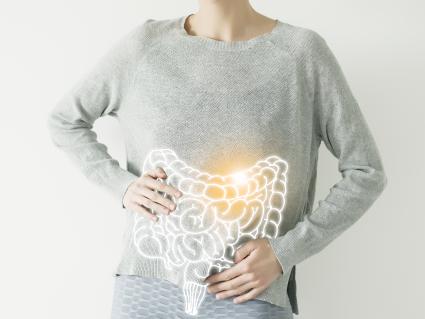
Our microbiome is vital to defending us from disease and provide us with the nutrition we need to survive.
The gut microbiome is very complex. It contains about 100 TRILLION microorganisms that include bacteria, fungi, protozoa, and even viruses. By comparison the average human body contains about 37 trillion cells! Some microorganisms are considered “beneficial” and others are considered “commensal” (neither beneficial nor pathogenic). Pathogenic organisms often cause symptoms that include pain, cramping, and diarrhea that may or may not require treatment.
As we learn more about the gut microbiome, we discover how microbiome imbalances start to affect overall health. Disease associations to an imbalanced microbiome include...
....inflammatory bowel disease (IBD), arthritis, atherosclerosis, diabetes and obesity, and inflammatory skin conditions. The health of the gut microbiome is now being implicated in neurologic conditions such as Alzheimer’s and Parkinson’s diseases.
Gut bacteria can help to produce certain vitamins, amino acids, and short chain fatty acids. Short chain fatty acids (SCFA) such as butyrate is energy for the gut mucosa which helps to strengthen the intestinal barriers. Those with IBD often have low microbiome diversity and overall low probiotic levels that leads to decreased SCFA production which can lead to increased inflammation.
There are many factors that influence the gut microbiome including certain medications and history of antibiotic use, but one of the main factors is diet.
A change in diet can actually start to affect the microbiome within 24 hours! How does this happen? Specific types of macronutrients—fats, carbohydrates, and proteins—affect the microbiome differently. For example, saturated fats have a negative effect on the microbiome and mono and polyunsaturated fats have a positive effect. Animal proteins have a negative effect while plant proteins have a positive effect. Plant based carbohydrates and fiber are considered “prebiotic” and provide fuel for the microbiome.
The technology now exists to test the totality of the gut microbiome. At the Stram Center we offer testing through outside labs that can analyze the full gut microbiome, digestive function, SCFA levels, and inflammatory markers. With this information we can develop a plan that can improve microbiome balance and function which will help to improve overall health.
The Power of the Microbiome: A Healthy Gut Depends on it! Related Blog Posts

The Power of the Microbiome: A Healthy Gut Depends on it! Related Services
Chronic Illness
Nowhere is the need for an integrative approach more apparent than in the management of chronic illness. We are a synthesis of many systems all working together, and when one or more systems become diseased, all of the others will be stressed as well. From physical challenges, to the challenges of everyday living, to a satisfying quality of life, we have to go past seeing that illness in…Chronic Illness
Nutritional Counseling
The practitioners at the Center recognize that diet is often the basis for your heath and your potential to heal. Adopting a healthy diet is often the first step towards correcting health problems. Many medical conditions can be treated more effectively when the patient implements specific diets and uses nutritional supplements. These interventions afford fewer complications and side effects than…Nutritional Counseling
The Quick Fix
“Haste makes waste” is an axiom that has largely fallen out of style in the fast-paced world that we live in.
We expect results quickly and with very little cost or effort, whether that be cheap hamburgers at a drive-through or cable TV on-demand movies. We don’t even have to read books anymore- we can just see them acted out on the silver screen.
When this tendency towards “instant gratification” behavior comes into contact with how we take care of ourselves, the outcome can be a little worrying. Who of us wouldn’t want to be able to just take a pill and not have to worry about eating healthy foods, avoiding yummy treats and sweating it out at the gym? Would anyone refuse a simple pill that can cure all of our ills in a moment without any work on our part? I know I wouldn’t. That is, if they existed. Unfortunately, that’s not how things work.
Think about how things work in real life. Suppose you have a partially clogged drain leading from the kitchen sink, and now it’s starting to leak. Ignore it, and it simply becomes more backed up. Give it a quick cosmetic fix, and we all know you’ll soon be having to fix it again in addition to water damaged floor boards. Maybe you have a well-meaning neighbor who offers to take care of it for you. You’re immensely grateful until a month later you notice the basement ceiling is buckling because he successfully cleared the clog, but failed to seal the leak. Most of us bite the bullet at the outset when we realize we have a plumbing problem that we can’t fix ourselves, and call in the plumber to avoid damage to our home and the investment that it represents.
Do we take care of ourselves with equal care? Taking pain relievers for a chronic pain is sometimes necessary. To do so without at the same time doing everything we can to fix the underlying problem, and to support the body as a whole can lead to more pain and dysfunction down the road. Taking cholesterol lowering medication is often recommended, but doing so without at the same time changing our diet and lifestyle is simply fooling ourselves into believing that the cholesterol was the problem, and not the result of underlying issues of diet and lifestyle that will inevitably lead to other difficulties.
We really do reap what we sow. If we want quality time from our lives, we have to slow down a little and invest quality time into our lives. Exercise can be thirty minutes walking outside watching children play and the clouds dance their slow dance. Eating well can be the adventure of picking a new recipe and having the whole family take part in gathering and preparing the ingredients. Treating the root cause of a problem can be as pleasant as a massage, as relaxing as acupuncture or as rejuvenating as a series of vitamins and herbs. It may even be as awe-inspiring as a sort of renewal of the self and spirit, and a reaffirmation of the value and wonder of our own lives.
“The size of our life is in direct proportion to the size of our courage.” I can’t remember the exact saying or who said it, but it strikes me as being very true. It takes a lot of courage to scoop ourselves out of our old habits, and drop into new and unfamiliar ones. But the reward for such courage can be a bigger and greater life, and what could be more amazing than that?
The Ren Channel Acupuncture Meridian for Male and Female Fertility
Often called the "conception vessel", the Ren Channel is an important channel for male and female fertility.
The ren channel is represented by a line drawn from the lowest point of the trunk (the perineum), up the front of the body to a point just a little below the lower lip. This channel is the gathering of all the body's nourishment to serve our deepest needs, both physical and spiritual. This includes the ability to create and sustain a pregnancy, which is why the channel is often called the "conception vessel," and is an important channel for male and female fertility.
The Sea of Qi is the sixth point of the ren channel, and is located about 1.5 inches below the belly button. Place both palms, one over the other, on top of this point as you take deep belly breaths. Place your minds eye deep within your abdomen about halfway between ren 6 and your sacrum. This technique helps to draw scattered energy and attention back to your center where it can once again become calm and focused on what matters most.
The Right Practitioner for You
How Do I Find a Good Practitioner?
I’m often asked by people who are moving, or who live too far away from the Center for regular visits, “what should I look for in an acupuncturist?”
My answer is usually along the lines of: you look for the same things that you would in a good mechanic, personal trainer, doctor and almost anything else. A good practitioner is communicative, responsible and effective. Sure, you have to make sure that they’re licensed, and hopefully they have some experience with the health conditions that you are dealing with, but that is the bare minimum.
It Is About the Relationship
I’ll always remember what our founder Dr. Ron Stram told me when I was a new practitioner many years ago. “People expect us to be good at our job. That’s just the baseline. It’s about the relationship.” And what makes a good relationship? Open and clear communication working in two directions, attentiveness to someone’s needs and the taking of steps to show that you are actively engaged in meeting those needs. A good practitioner is responsive, actively listens to you and makes clear effort to help you achieve your goals. Like any other relationship, it has to be a good match as well- find the provider that you “click” with.
Best of Both Worlds
Numerous times in my life I have heard people saying that if they had to make a choice, they would pick a doctor who was exceedingly skilled over one who was kind and pleasant to work with. Especially in the field of Integrative Health, where practitioners must understand and address the entire person- there is no such distinction. The care giver who is exceedingly skilled is the care giver that is attentive, comfortable to work with and reliable. To understand a client well, an acupuncturist has to be more than just technically skilled. They have to be actively interested in their client, who they are, what they are going through, and how, whether by well-placed needle, by herb or by compassionate gesture they can be supported and cared for.
Yes, But is it Covered by my Insurance?
Means, motive and opportunity. The great majority of healthcare providers want to give the attentive and compassionate care that we all try to embody. Clients want attentive and reliable care, and providers want to have the relationship and time spent with clients that help ensure the best and most appropriate care. So why so much discontent, and why so many stories of sloppy care because an health concern wasn’t given it’s due time and consideration?
We find ourselves in this position because you are no longer the consumer for your own healthcare! Your insurance company is the healthcare consumer. The consumer demands to the healthcare industry are less time and less care (i.e. less money paid out). Since no business survives without listening to its customers, healthcare providers must bend to the demands of their consumers- the insurance companies- in order to survive.
My practice exists outside of this system. There is no mediator between myself, and my client. The only demands, needs, wants and hopes I listen to are those of my client, and that allows me to be the responsive and active practitioner that I strive to be. I bring this up just to suggest the fact that maybe “is it covered by my insurance” isn’t the first question to ask when seeking out the right practitioner for you. Just food for thought.
The Role of Food and Supplements in Detoxification During Lyme Disease Treatment
The liver is the most important organ for the daily required detoxification process in order to maintain health and balance.
Since the early 1950s more than 90,000 new chemicals have been developed, increasing our environmental burden. In addition to having to contend with these daily environmental toxins in the air, our water and food, the liver must metabolize the end product of medications including those used in the treatment of lyme disease and other tick born illnesses as well as the die off of bacteria during treatment.
Some of the more important foods and supplements which may be recommended to aid the liver in its detoxification pathways are:
Foods:
Those rich in Vitamin A,B2, B3, C, E, folate, iron, magnesium, copper, zinc and selenium, such as: cruciferous vegetables like broccoli, cauliflower, brussel sprouts and cabbage; bulb plants like onions, garlic, leeks, scallions; and leafy greens like dandelion, kale, spinach, chard.
Supplements:
CoQ10 : a required co enzyme that helps aid the body in oxygen delivery to cells and organs. It is often seen at low levels in chronic diseases such as Lyme disease;
Glutathione: one of the most important proteins involved in the liver detoxification process. It is made up of glutamate, cysteine and the glycine. It is primarily synthesized in the liver, aids in the metabolism of toxins, is involved in DNA synthesis and repair, prevents oxidative cell damage as well as enhances immune system function.
NAC (N-acetyl cysteine): As a precursor for the body’s glutathione production, adding NAC supplementation to one’s diet can yield a four fold increase in glutathione synthesis.
Curcumin: increases the efficiency with which the liver processes the detoxification pathway. In addition to this, curcumin has a varied number of other health benefits including it’s excellent anti-inflammatory effects, anti-oxidant, antiviral and antiprotozoal properties. It is also known to induce cancer cell death, and decrease brain plaque in Alzheimer’s patients.
Milk Thistle: composed of silymarin (30%) and silybin (70%) this supplement helps alter outer cell membranes that prevents toxic penetration as well as enhances transfers to decrease toxic metabolites in liver and intestine.
The Role of the Kidneys in Aging
According to TCM (traditional Chinese medicine) each organ has an anatomical role in the body and a functional aspect related to one’s mental health. When we consider natural aging in TCM theory the kidneys are the organs that are most closely related to the aging process. The kidneys are related to the emotion fear, the bones, bone marrow, ears (hearing aspect), the winter season, the water element and the flavor salty. The kidneys are the storehouse of prenatal and post natal Jing (essence). Jing corresponds to genetics, such as traits passed down through generations, our DNA; while postnatal Jing relates to our lifestyle: diet, sleep, exercise, environment factors and mindset. Postnatal Jing includes the characteristics of our kidney essence that we have the ability to change and influence.
As we age our kidney essence naturally declines. The ‘rate’ and manner in which it declines is impacted by our prenatal Jing (genetics) and our postnatal Jing (lifestyle). This is why you may hear your acupuncturist advise moderation. When there is too much of something, too little or poor quality (sleep, diet, exercise, pollution, etc), there is an initial imbalance in the other organs (heart, spleen, stomach, liver, etc.). Over time this can lead to kidney deficiency. When there is kidney deficiency it is like the foundation to your house is in disrepair. In order to effectively hold up the whole house (all of the other organs and the healthy functioning of the body), the kidneys need to be nourished and strengthened.
Symptoms of kidney deficiency can include exhaustion, ringing in the ears, brittle bones, frequent urination, low back pain, knees pain, arthritis, infertility, greying/thinning hair, loose teeth and excessive fear.
Any stagnant or ‘stuck’ emotion can impair the kidneys. Too much worry and fright reduces the kidney qi (energy). In order to support the kidneys it is necessary to address the source of the drained kidney qi, which in this example would be the uncontrolled emotion. This is the psycho-emotional aspect of our postnatal essence; one which we have the ability to change by supporting our own mental health needs.
Each of the organs is associated with an emotion whose excessive presence points to an imbalance in that particular organ. Yet, there are also positive psycho-emotional virtues connected to each organ. The kidney is related to fear but it is also connected to the virtue of understanding. This virtue is tied to the degree to which we understand our own depths. Fostering awareness from our own experiences cultivates insight and sagacity. Self-awareness allows for more profound understanding of others. Just as the kidneys govern the physical qualities in the way we age, they are also the source of wisdom and insight.
References:
Larre, C., Rochat de la Vallee, E. The Kidneys. Monkey Press, Cambridge, 2001.
The Role of the Kidneys in Aging Related Blog Posts


The Role of the Kidneys in Aging Related Services

Acupuncture
Did you know that acupuncture has been shown to be more effective than conventional treatment for migraines, back and knee pain? Acupuncture is also the complementary therapy most recommended by medical doctors (M.D.'s), and is covered under more insurance plans than ever before. No other traditional healing method has ever earned as much world-wide success, recognition and support! Acupuncture…Acupuncture
Anti-Aging Therapy
How to Combat the Anti-Aging Process with Intravenous (IV) Therapies As we get older how do we combat the natural effects of the aging process?First, we have to look at some of the main factors that cause the symptoms of aging and degeneration. These symptoms include fatigue, muscle weakness or muscle loss, reduced stamina and endurance, poor memory and cognition, and chronic inflammation and…Anti-Aging Therapy
Chinese Herbal Medicine
Desiring a healthier life may be your goal, but for you and millions others it can prove more challenging. You may feel that your immunity is low. You may be in a state of physiological, mental or emotional unrest. Or you may be faced with a more serious illness or chronic pain.Chinese Herbal Medicine
The Season of Abundance
The holiday season has become synonymous with abundance, starting with the festive meal of Thanksgiving, the many gifts of Christmas, and the lavish celebration of New Year Eve. All of these are certainly forms of abundance. But, without the abundance that resides within, all material forms that we manifest in our lives are meaningless.
During these festive seasons, take a moment to look within and ask yourself; what does abundance mean to me? Is it in the form of family, relationships, in the form of love, or does it simply reside in how much we possess? Material abundance can mask a deeper feeling of scarcity, that without material wealth we are venerable and weak. We need to gather things around us to make us feel complete, to show others we are as good, or better. Once we have gathered what we want, we need to protect it, keep it safe. We buy into the belief of ownership and become attached.
Abundance is a form of energy and like all energy must move or it will create sickness in mind or body. When we become attached, we try to ignore it, or deny that this law applies. One way to keep abundance in your life and allow it to move at the same time is the act of charity, to give. Give some of that abundance you’ve stored up away and create room for more. The more you are attached to it, the more energy you will move, the bigger the space you create for more in your life. As children we concern ourselves with what we will get. As adults we grow into the realization, it’s really about what we give. That is the spirit of the season, the lesson of Karma, and the law of abundance.
Have a happy and healthy holiday season!
The Spirit of Giving in Light of The Su Wen (an Ancient Chinese Text)
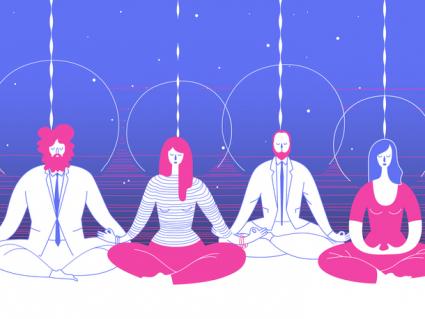
Using the "stress" of the holidays to let go.
The holiday season carries a sense of elation and joy for many people. It can also evoke stress as we consider the list of things we feel the need to do or gifts we feel we must purchase for friends and family. This type of stress can lead our thoughts to become rattled from mental churning, forming an inventory of ‘wants’, desires and a sense of loneliness for some.
According to the Su Wen chapter 44, an historical Chinese medical text,
- ‘If obsessive thoughts carry on indefinitely and one does not succeed in getting what one aspires to, then the intent is scattered uncontrollably outwards’
Put in other words, our spirit of giving, can create a sense of detachment as the churning of thoughts in the form of buying excessively takes us outside of ourselves, leading to a sense of dis-ease and a lack of centeredness. When we center our happiness on external things our sense of self is altered and therefore measured against something external, something which we cannot control.
According to the Su Wen, emotions and thoughts shape the inner disposition of the heart, which in turn is played out in our actions and reactions to everyday circumstances. This of course occurs all year round, and as we are pulled towards external things at anytime of year it is important to solidify one’s own ‘inner disposition.’ We can do this by quieting the mind with contemplation, meditation, exercise, being in nature or anything that brings you closer to joy, to your Self, and centeredness.
Interestingly, Wintertime is the season of greatest Yin and therefore the prime time for introspection; which sheds light on the inner workings of our heart and deepest sense of being. As we embark on this festive time of year, try to take pleasure in giving by also giving attention to and nurturing your Self. This way, the delight you give to others comes from a joyous heart!