Platelet-Rich Plasma (PRP) a Treatment for Vitiligo
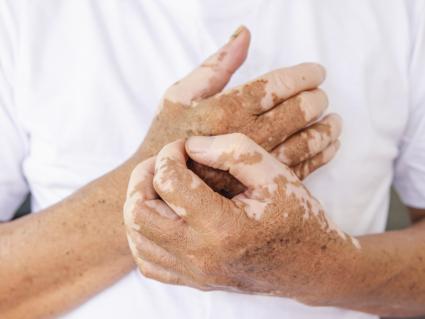
PRP treatment is a process of using one’s own blood components back into the body in areas that are injured, damaged or diseased causing regeneration. PRP has been used at the Stram Center for over 2 years and has continued to expand in its demand and uses. In addition to joint injections, we also use PRP to regenerate hair growth and to reduce lines, wrinkles and scarring. Upon our continued practice using PRP, we continue to discover benefits that PRP can provide our patients. In the medical community, PRP continues to gain momentum on disorders that are positively affected by its use. There is ongoing research to identify additional uses for this natural remedy. In addition to the above listed procedures, we also use PRP to reduce pigmentation to the skin. The main pigmentation disorders we encounter are melasma and vitiligo. Vitiligo is an autoimmune disorder that affects the skin by causing depigmentation. These areas can be located on the face, scalp and/or extremities. The depigmentation in vitiligo is caused by a destruction in melanocytes. Multiple dermatology and PRP case studies were reviewed, all with positive results on vitiligo improvement for both microneedling and PRP injections under the skin.
PRP is a high concentration plasma solution. This solution is a result of taking a blood sample and centrifuging it down gaining the sought after components that can help us heal our own body. The platelets contained in this solution include a variety of growth factors, adhesion molecules and chemokines. The way that PRP works after being injected into or under the skin is that it interacts with the area injected causing cell differentiation, proliferation and ultimately regeneration (Ding & Liu, 2021).
For treatment of vitiligo, it has been found that traditionally treatments such as phototherapy or laser CO2 have been effective in stimulating melanocyte production. As an alternative or adjunct therapy, PRP not only stimulates melanocytes, keratinocytes and fibroblasts, but also inflammatory pathways naturally. This inflammation then plays a role in promoting differentiation, proliferation and an increase in melanocytes and keratinocytes maturation leading to re-pigmentation overall (Yin et. al, 2020).
More simply said, PRP has proven to be an adjunct therapy to treating vitiligo. Treatments can even out skin tones to make areas much less noticeable and in some cases resolved.
Ding, X. & Liu, S. (2021). Progress in the use of platelet-rich plasm to treat vitiligo and melasma. International Journal of Dermatology and Venereology.
Lu Yin, B., Adotama, P., Svigos, K., Gutierrez, D. & Lo Sicco, K. (2020). Pletelet-rich plasma, a promising adjunctive treatment for vitiligo. American Academy of Dermatology.
Mercuri, S., Vollono, L., Paolino, G. (2020). The usefulness of platelet-rich plasma (PRP) for treatment of vitiligo: State of the art and review. Drug Design, Development and Therapy.
Platelet-Rich Plasma (PRP) a Treatment for Vitiligo Related Blog Posts
Platelet-Rich Plasma (PRP) a Treatment for Vitiligo Related Services
Lifestyle and Prevention
Nutrition is an essential component to preventative health, and is one of the most modifiable factors in our lives. Embracing a proper diet for your body has the power to positively impact your health on all levels, helping you reach your own distinctive state of wellness.Lifestyle and Prevention
Platelet Rich Plasma (PRP) and Prolotherapy
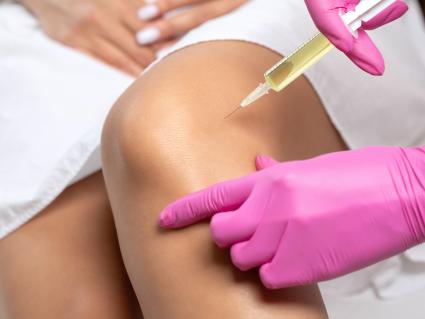
If you have suffered from chronic joint pain or a sports injury to a ligament or tendon, regenerative injection therapy may be a treatment option for you. There are different levels of joint dysfunction. There are also different levels of treatment. The right injection therapy can help you increase function, decrease pain and healing time, and get you back to living your best life faster.…Platelet Rich Plasma (PRP) and Prolotherapy