Point of the Month | CV 4: The Residence of Will Power

How acupuncture can open our CV 4 point or "Gate of Origin".
The beginning of a new year is always a nice time to reassess one’s life, how things are working, how they are not, and to re-establish or set new goals. Setting a goal is the easy part, following through requires work and focus which requires some will power. According to Chinese medicine different aspects of our consciousness are said to reside in certain organs—for example, the heart houses the mind, the spleen houses the intellect, and the kidneys are the residence of will power. The kidneys are referred to as the “root of life” and support all of the other organs of the body, therefore keeping them strong is vital to our growth, development, and longevity. Attaining goals requires longevity—a rooted and strong effort. Acupuncture can help with these endeavors by helping to strengthen our reserves.
The point CV 4, named Guan Yuan or ‘Gate of Origin,’ is a very nourishing and strengthening points. Located on the conception vessel (CV) channel that runs up the center of the front of the body, this point is about a hand’s width directly below the belly button. Of its many actions, a few are that it “fortifies the original Qi and nourishes the kidneys.” “If Qi is flourishing there is health, if it is weak there is disease,” therefore in order to address any health issue, it is important to strengthen and sometimes redirect the body’s energy. By stimulating this point with acupuncture or pressure, we can access the “deepest energies of the body and the sources of all movement.” You can press here, lying down on your back, with both index fingers, or just place one (warm) hand on top of the other over this area, draw your attention here and meditate, even for one minute if that’s all you have.
As an entire system of medicine, Chinese medicine treats all things health and medically related, including health maintenance and prevention of disease by facilitating longevity. Simply by living our lives and aging there is a natural amount of depletion we experience, so it is important to find ways to continually build our bodies and minds primarily with good food, exercise, sleep and stress management. Consider using acupuncture to help you attain your goals by giving back to yourself and to improve your health overall this year.
Wishing everyone a happy and healthy new year.
Sources:
A Manual of Acupuncture by Peter Deadman
The Foundations of Chinese Medicine by Giovanni Maciocia
Point of the Month | Stomach 36
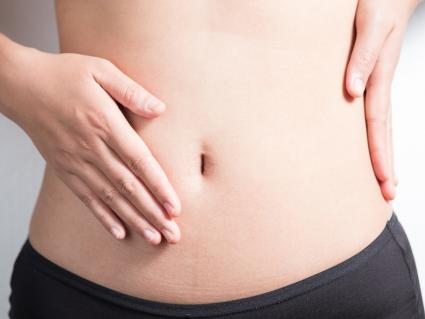
One of the single most important points in the body for improving energy, stamina, endurance and immunity is on the stomach channel.
According the Chinese medicine, we are now in the fifth season of the year—late summer. Each season is associated with different organs of the body, elements, emotions and more. This time of year corresponds to the spleen and stomach, the earth element connected to worry or over thinking. The spleen and stomach are paired organs and meridians that are central to all of the others, and work very hard together to nourish the body. The stomach receives food and the spleen separates the vital nutrients from waste transforming and transporting food and drink into energy and blood to nourish the entire body. When these organs are impaired, the whole body suffers from improper nourishment. Over thinking and worry adversely affect these organs by causing energy to stagnate there. It becomes difficult for good energy to be transported throughout the body and for waste to be eliminated.
Acupuncture can help facilitate the healthy functioning of receiving nourishment and quieting the over thinking mind. One of the most important points in the entire body (out of all 400 plus points) is stomach 36, called Zu San Li, or leg three miles. The name “reflects the idea that stimulating stomach 36 would enable a person to walk a further three miles, even when exhausted.” As the earth point on the earth channel, it is very grounding for an over thinking mind. It is located about a hand’s width below the knee cap just to the outside of the shin bone. Its primary actions are to harmonize the stomach, fortify the spleen, nourish Qi and blood and calm the spirit. It is used for almost any kind of digestive disorder and is used often specifically in the late summer and early fall to boost immunity.
Ask your acupuncturist to point out how to stimulate this point yourself and during this transition from summer to fall be sure to eat as many whole foods as possible, avoid sugar, and get outside to enjoy this beautiful time of year.
References:
A Manual of Acupuncture by Peter Deadman
Jade Woman Qigong: The Healing Power of Taoist Medicine by Master Liu He
Point of the Month with Ancient Words of Wisdom
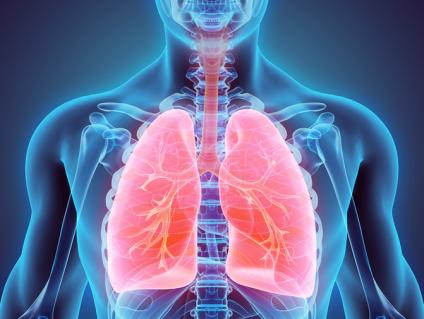
Getting rest and staying active can help avert illness in the Fall.
As we continue through the Summer it is important to be mindful of the upcoming transition into the next season. According to some of the ancient Chinese practitioners, in the summer one may go to bed later, while waking up and rising earlier. It is advised to avoid anger or holding grudges and instead be happy and easy going as well as staying physically active to prevent our energy from becoming stuck. By doing so, we may avert illness in the Fall.
The Fall brings changes of weather, often with wind, that can challenge our immunity. At this time it is advised to slow down after the sun sets and still rise with dawn. “Just as the weather in Fall turns harsh, so does the emotional climate. It is therefore important to remain calm and peaceful, refraining from excess sadness so that one can make the next transition to Winter smoothly.” (From the Yellow Emperor's Classic of Medicine)
According to Chinese medicine, the lungs are associate with the Fall. Practicing breathing exercises is advised to enhance our lung energy. The air we bring in through our lungs energizes and fuels the functionality of other organs as well. Often the wind and dryness of the Fall can bring on colds and flus. Activating the first point on the lung channel either with acupuncture, acupressure or tapping can help boost immunity during this time of transition.
Lung 1 is located on the front of the chest under the collar bone where the shoulder and the upper and outer most portion of the pectoralis muscle meet. You can massage this area with flat fingers or tap on it with the tips of the fingers. This will help strengthen your lungs for the upcoming changes.
Enjoy the rest of summer!
sources:
The Yellow Emperor's Classic of Medicine translation by Maoshing Ni, PhD
A Manual of Acupuncture, by Peter Deadman
Point of the Month: Allergies & Acupuncture
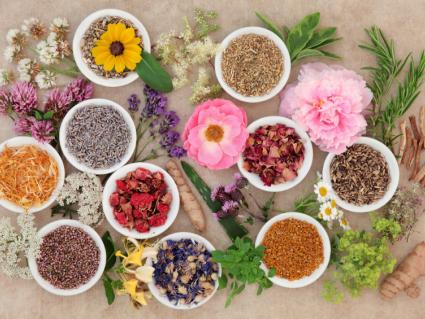
The Stram Center has successfully helped individuals with food allergies using Chinese Medicine.
Acupuncture and Chinese herbs have proven to be powerful tools in the management of food allergy and associated symptoms. The 13th Century classic "Treatise on the Spleen and Stomach" by Li Dong-Yuan is one of many examples of traditional Chinese medicine's emphasis on food, the digestive tract and how both can profoundly affect our health. There are dozens of acupuncture points and hundreds of herbs that function to reduce inflammation and irritation in the digestive tract, as well as manage symptoms related to food allergy such as skin, respiratory and joint problems.
In addition to the depth of the traditional approach, Dr. Devi Nambudripad first started to develop "Nambudripad's Allergy Elimination Technique" in 1983. Her technique, now known and practiced by over a thousand practitioners worldwide, involves the use of acupressure and acupuncture with the client holding a sample of the allergen contained in a glass jar in their hand. The underlying theory of the practice is that the session helps to retrain the body to stay in balance and not become reactive or inflamed in response to exposure.
NAET at the Stram Center has successfully reduced food allergy symptoms for most who have tried it. Adding traditional Chinese medicine and integrative approaches together, as we like to do at the Stram Center, has provided significant relief and increased quality of life for many clients, including symptoms that seemed at first unrelated to food choices.
Point of the Month: Heart 5

To prescribe what is healthy for the heart, an acupuncturist takes many things into consideration, and will not only use heart points, but also use those on other channels associated with other organs.
In December I wrote about a point on the heart channel used to calm the mind. (http://stramcenter.com/blog/blog-detail/an-acu-point-to-calm-the-mind-heart-7/) Here I will share a bit about another heart point and continue to discuss the heart as it is understood within Chinese medicine and what factors affects the health of its functioning. All of the organs must be understood in relation to other organs, not just by themselves. So to prescribe what is healthy for the heart, an acupuncturist takes many things into consideration, and will not only use heart points, but also use those on other channels associated with other organs.
If you experience pain in the heart or fullness in the chest, palpitations, or other disorders of heart rhythm, all the points on the heart channel can address this and each has its own additional indications. An acupuncturist always looks for underlying root causes, what has led to these sensations in the chest—what is it that is weakening the heart, or what is in excess that is over-exciting the heart?
As I mentioned in the article in December, Chinese medicine makes no distinction between the heart and the mind, the heart is said to house the mind. And the mind, spirit and consciousness are all parts of the same aspect of ourselves, called the ‘shen.’ In order to ensure a healthy heart, one must take care of the emotions. One of the oldest written texts of Chinese medicine says that excessive thinking and worry will weaken the heart Qi or energy. Do you ever notice if you are anxious or sad, you may feel a tightness in the chest? Or if you’re angry your blood pressure increases? Or if you are so excited and elated with joy, your heart beats faster? Here is the mind-body connection.
Even if you notice your memory is poor, your thinking is dull or your mind feels scattered, or you are not sleeping well, these may be reflections on the state of the heart. A more direct physical correlation is hands and feet that are often cold may be because the energy of the heart is not strong enough to supply enough blood through the vessels to the extremities. (If you’re having a hard time grasping the concept of “energy” as a motive force, think about the wind—you can’t see it, but it’s there.) These manifestations don’t necessarily mean you have pending heart disease, but all these symptoms point to disharmony in the functions of the heart and left long standing can weaken the whole system.
The acupoint Heart 5, named “tong li,” translates to penetrating the interior. It is located on the underside of the arm, about a finger width from the wrist crease, just inside the tendon that runs along the pinky finger side. This point calms the shen and also regulates heart rhythm. It is considered one of the most vital acupuncture points and has many indications for its use including palpitations (especially due to fright), pain, agitation or burning sensation of the heart, fullness and distention of the chest, sadness, irritability, even sudden loss of the voice, stiffness of the tongue, involuntary urination (this points to the intricate connections to multiple organs) and more.
We live in times of a lot of stimulation, and this affects our organs sometimes without us knowing. Give your heart some love with acupuncture and/or Chinese herbs to help maintain your naturally healthy state.
Sources:
The Yellow Emperor’s Classic of Medicine translation by Maoshing Ni, Ph.D
The Foundations of Chinese Medicine by Giovanni Maciocia
A Manual of Acupuncture by Peter Deadman
Point of the Month: Kidney 3

According to Chinese medicine, winter corresponds to the Kidney and Bladder organs, which correspond to the ears, bones, low back, knees, hair on the head, to storing, and to fear as well as courage.
As we enter the month of March we begin to transition from winter into spring. Some of the oldest Chinese medical texts suggested thousands of years ago that humans should live in harmony with the natural cycle of the seasons. Winter is the time to honor slowing and quieting down, to reflect inwardly, and to rest and conserve energy so that we may be replenished and recharged instead of burned out when the spring returns. Just as the leaves fall off the trees and the roots store the essential nutrients needed for re-growth in the spring, we can shed unwanted layers, getting rid of that which does not serve us anymore, while grounding into and cultivating the positive and healthy aspects of our being. During this time of introspection and consolidation, it is important that we recharge our batteries and cultivate personal practices of a healthy diet, exercise, and getting enough sleep and relaxation.
According to Chinese medicine, winter corresponds to the Kidney and Bladder organs, which correspond to the ears, bones, low back, knees, hair on the head, to storing, and to fear as well as courage. The Kidneys are considered the “root of life” and store our source Qi, our most dense core strength and will-power. They are said to govern reproduction, growth and development and control water and fluids. The kidneys support all of the other organs in the body so their healthy functioning is vitally important. One example is that the kidneys help anchor down the pure air we breathe in through the lungs, so sometimes respiratory issues must also be also treated through the kidneys.
The kidney channel starts on the bottom of the foot and travels up the inside of the ankle, up the inside of the leg, and up both sides of the midline of the abdomen and chest ending under the collar bones. Each channel has what’s called a source point that is said to directly affect that organ. On the kidney channel this is kidney 3 called Tai Xi, which translates to ‘supreme stream.’ It is located on the inside of the ankle in the depression between the high point of the ankle bone and the achilles tendon. This point is used for low back pain, tinnitus (ringing of the ears), sore throat, cough and wheezing, insomnia, impotence, frequent urination, and more. If you rub this area with gentle pressure you will be nourishing your kidney Qi, strengthening your body’s vitality and increasing your longevity.
Resources:
A Manual of Acupuncture by Peter Deadman
The Foundations of Chinese Medicine by Giovanni Maciocia
The Web That Has No Weaver by Ted Kaptchuk, O.M.D.
Point of the Month: Lung 11 (For Prevention)
“An ounce of prevention is worth a pound of cure.”
The best way to prevent colds and flus is to proactively take care of yourself now. Decisions and actions you take today will determine how you feel tomorrow. Acupuncture and Chinese herbal medicine are gentle and supportive ways to boost immunity and maintain health. Have you heard the adage, ‘an ounce of prevention is worth a pound of cure?’ Benjamin Franklin actually said this, but for integrative practitioners, preventative medicine is ideally how to ensure good health. In ancient China, the doctors who were considered the best and who were highly regarded, were those without any sick patients, rather those who helped their patients to maintain good health.
That being said, the human body is not a machine, it is a highly complex and sometimes sensitive entity, susceptible to multiple influences from the outside world, from our internal structures and systems, from our minds, emotions, and spirits. If you have trouble conceptualizing or experiencing the mind-body connection, think about biting into a lemon, or even just the act of slicing a kiwi and getting ready to eat it—what happens? You salivate. Now imagine what could be happening to your body with all your various thoughts.
This isn’t to say that you can think yourself into a cold or flu, but if your thoughts are so negative or disturbed, or you’re under uncomfortable stress too often, this can suppress the immune system. This in turn opens the body to be more susceptible to those outside influences, such as viruses, which in Chinese medicine are considered external wind-heat or wind-cold invasions. Acupuncture and herbs at initial onset and along different stages of respiratory illness are very effective, at stopping illness in its tracks or at least decreasing severity and duration. Signs and symptoms of a wind-heat invasion are sore throat, thirst, fever, headache, sweating, sometimes yellow phlegm in the nose or throat; whereas a wind-cold invasion would manifest as tight neck and shoulders, chills, no sweating, with clear and watery mucus. In either case, acupuncture points are chosen that release the exterior (think of this as pushing out what is trying to invade), expel wind, and either clear heat or cold.
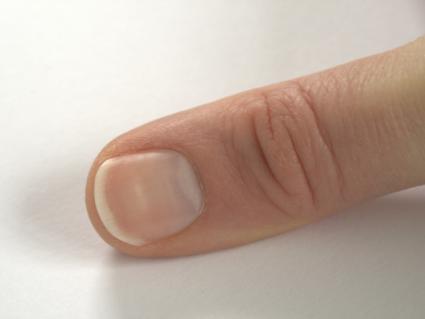
At initial onset of a sore throat, there is an acupuncture point that can almost immediately take this away. Again, we are not machines, so this may not happen every single time, but I have had a sore throat gone in 20 minutes after needling this point. It is the last point on the lung channel, Lung 11, located on the radial side of the thumb at the bottom corner of the nail. The very first or last points on channels are sometimes used in emergency situations, in this case the sudden onset of a sore throat, to clear heat causing that burning pain. This point is even used in emergencies such as fainting or loss of consciousness, to revive consciousness.
So this winter, however you can, send loving thoughts to yourself and find ways to de-stress. This is one of the ways that acupuncture encourages the body to heal, by bringing the nervous system into a parasympathetic state, which is the relax, rest & digest state. Far too often we are in a sympathetic state, which is the fight or flight state, where our bodies are preparing and acting as if we are about to engage in intense physical activity like running from danger. This takes a toll on our health, and in order to allow the body to do what it is built to do- to heal itself- we must bring ourselves into the rest and digest mode. Acupuncture does this, meditation does this, creative and joyful activities can do this, as well as enough good quality sleep. Allow yourself time to slow down, even if it’s just for that hour long acupuncture appointment.
Point of the Month: Migraine Headaches and Acupuncture
While migraines are something of a mystery to modern medical science, there are very good natural options available for migraine management.
Migraine headaches are still something of a mystery to modern medical science. We don’t know the mechanism, or the physical process that leads to the painful and disruptive symptoms of a migraine. There are drug treatments available, but they can be hit or miss because of our still incomplete understanding. Fortunately, there are very good natural options available for migraine management.
There is a growing number of studies showing acupuncture provides significant levels of relief. With regular acupuncture, migraines happen much less often, and are significantly less intense when they do happen. All without the unpleasant side effects experienced by many who take drug treatments to prevent migraines. We have worked successfully with migraines that seem to stand alone, as well as migraines that are related to hormone changes, dietary factors, stress, bright lighting, sensitivity to smells, and disrupted sleep patterns. People typically see significant and lasting improvement within six to eight weekly acupuncture sessions.
When a migraine patient arrives for acupuncture, we will often discuss with them the many positive benefits of meeting with one of our Nutritionists or Naturopathic Doctors. Combining healthy eating, a positive lifestyle, overall wellness and avoidance of possible triggers tends to provide faster and greater relief than one therapy alone.
Point of the Month: Spleen 6
Spleen 6 for good digestion.
Considering American diabetes month this November, I’d like to share a little about how this disease is addressed within the Chinese medical system and about one of my favorite points.
Chinese medicine refers to diabetes as ‘Xiao Ke,’ which translates as wasting and thirsting disorder. In short, it is seen to affect the upper body as excessive thirst, the middle body as excessive hunger, and the lower body as excessive urination.
The pancreas is a critical organ as it pertains to diabetes, but Chinese medical books do not mention the pancreas, although functionally it is included within actions of the spleen. If you’ve ever been to an acupuncturist, you’ve likely heard him or her refer to the spleen. For the purposes of this article, the spleen will also include the pancreas.
The primary function of the spleen is to transform and transport the food and drink we consume into Qi—the vitality we need to feel alert and energetic and for all the processes that go on in our bodies to function properly. One of the most common presentations acupuncturists see in Americans is what we call spleen Qi deficiency. This mean the spleen (and pancreas, along with the stomach) are not breaking down and absorbing our food and drink, so we’re not extracting enough good energy to fuel our many bodily and daily activities. When the spleen is deficient, there is often fatigue, and there can be a heavy sensation in the body and/or limbs, weak muscles, loose stools or diarrhea, bloating after eating, unusual bleeding or bruising, excessive worry and/or feelings of depression. Along with positive lifestyle changes especially of good eating habits and diet, acupuncture and Chinese herbs can help to revive a weak spleen. Too many sweets and greasy foods will really damper the function of the spleen. Your acupuncturist can talk to you about nutritional support for healthy digestive functioning.
One of the most widely used acupuncture points is spleen 6, named ‘three yin intersection’ because the liver and kidney channels also pass through here. It is one of the primary points for digestive, gynecological, and urinary disorders, as well as emotional and sleep disorders. This point nourishes the spleen to help revive weakness of the organ, helps resolve dampness in the body presenting as that heavy feeling and edema/swelling in the legs, regulates urination when there is difficulty urinating, retention of urine, night time urination, painful or cloudy urine, and among many more things, this point can help cool the body and invigorate circulation. It also helps calm the mind for anxiety and insomnia. Because of its many actions, I use this point often in treatments.
You can find this point yourself by going to the inside of the leg, using the width of your four fingers above the high point of your ankle it is found in the soft part of the leg just behind the tibia bone. Find the tender-most spot and press.
Please note: do not use this point during pregnancy as this is one of the main points we use to help induce labor.
References:
A Manuel of Acupuncture, by Peter Deadman
Practical Therapeutics of Traditional Chinese Medicine by Yan Wu & Warren Fischer
The Foundations of Chinese Medicine by Giovanni Maciocia
Point of the Month: Stomach 25

Stomach 25, named Tian Shu or Heaven’s Pivot, is said to be the “single most important point for the treatment of the widest variety of intestinal disorders.”
Nutrition plays a pivotal role in how our digestion functions. Acupuncturists are keen on asking lots of detailed questions about the digestion, as the answers reveal so much about the state of a person’s health. We view digestion as central to all other systems. Many disorders and diseases can be significantly improved and sometimes even reversed by eating a healthy diet, particularly if you experience disturbances of the gut. There is not a one diet fits all when it comes to nutrition, and from a Chinese medical point of view, there are certain foods that should be avoided and included depending on the root cause of what is contributing to dysfunction. Anyone who has experienced digestive distress knows how uncomfortable and sometimes debilitating it can be. If this is you, please reach out to one of the practitioners at the Stram Center who can help make suggestions to improve your condition.
As far as how acupuncture can help, a treatment would be tailored to your individual condition, signs, symptoms, and underlying constitution. Both acupuncture and herbal medicine, as well as proper nutrition, can make big improvements and even resolve long standing issues. Four of the main organs we focus on when treating gut issues are the stomach, spleen, large intestines, and liver. There are channels or meridians that correspond with these organs that have points along them each with different actions (what they do) and indications (what they’re used for.)
Stomach 25, named Tian Shu or Heaven’s Pivot, is said to be the “single most important point for the treatment of the widest variety of intestinal disorders.” It is located level with the navel, half way from the border of the rectus abdominis muscle. It is used more for diarrhea than constipation, as it helps to resolve dampness in the body (see my post describing this from January). This point is where “the Qi (or energy) of the large intestines gathers and concentrates on the anterior surface of the body.” In other words, by accessing this point or any acupoint, we can communicate with the organs and body’s processes. We use this point for bloating, nausea & vomiting, undigested food in the stool, poor appetite, abdominal pain, and even abdominal masses such as intestinal abscess or uterine masses.
Although there is not one diet that fits all, whenever you can, try to eat food closest to its natural form, to how it came out of the earth. This is what is meant by eating whole foods. Any food that has been modified from its original form and had many ingredients added to it, is getting further from its nutritional value. Read ingredients on labels, the fewer the better, and anything you don’t recognize is a red flag for your body also not recognizing it and not knowing what to do with it, sometimes contributing to discomfort and disease. When you can, explore different recipes combining real whole foods, there are so many ways to combine ingredients that taste really good!
References:
A Manual of Acupuncture by Peter Deadman