Hyperbaric Oxygen Therapy: A New and Innovative Way to Treat Alzheimer’s Disease.

The prevalence of age-related neurodegenerative disorders, such as Alzheimer’s Disease, are on the rise in the United States. Nearly 60-80% of all cases of dementia in the elderly population originated from Alzheimer’s Disease. Unfortunately, there is no current cure or effective treatment that slows the progression of this complex and devastating disease. Therefore, alternative treatments that specifically target the function of the brain is important. Hyperbaric Oxygen Therapy (HBOT) has been shown to not only improve neurological functions and quality of life, but recent studies have found that HBOT can ameliorate Alzheimer’s Disease-related pathologies.
Read MoreLyme: Diet is a BIG Deal!

Lyme and tick-borne diseases affect the body in a myriad of ways. On a basic level, they trigger the immune system. When we get infected, the immune system is designed to kick in, causing an inflammatory response, and enlisting the body’s army of mighty cells to target the invaders, killing the bacteria and restoring the body to homeostasis. When we talk about diet and nutrition, we can see that with this simple immune response, diet plays a major role.
Read MoreSupporting Lyme by Calming the Mind

One of the basic concepts of integrative, naturopathic, and Chinese medicine is that given the right conditions and support, the body has an inherent ability to regulate and heal. This can take a long time when something as noxious as Lyme disease and its co-infections have set in, but healing is possible and we are here to support you. Chinese medicine works with the body’s life force, not against it. When the body and mind feel fragile, hypersensitive, and exhausted, acupuncture can help relieve physical and emotional discomfort by toning down pain and heightened anxiety, and nourishing the depletion of chronic disease to not only relieve fatigue but build stamina and reserves
Read MoreLyme Testing: What Should You Know?
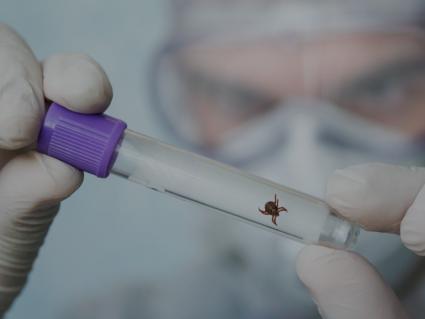
Testing for a Lyme infection can be challenging. The primary test used is an antibody test; the presence of antibodies is an immune system response and therefore confirms exposure to the bacteria. However, the test is not great at determining the date of the exposure. We can only know the date of exposure if there was a known tick bite and symptoms develop. Direct methods of testing for Lyme, such as PCR testing, exist but are not very sensitive. A negative PCR test does not mean that an infection does not exist…
Read MoreAn Interview with Dr. Stram: How Effective are the Current Conventional Treatments for Lyme Disease?

In this interview, we asked the founder of the Stram Center, Dr. Ronald Stram, how effective current antibiotic protocols are in regard to Lyme disease treatment. Dr. Stram has devoted his career to those suffering from chronic illnesses, specifically tick-borne diseases. Since 2003, the Stram Center has served nearly 10,000 patients suffering from Lyme disease all across the globe. Dr. Stram discusses how ineffective and potentially dangerous a single dose of doxycycline is without the proper testing of the tick species, and careful evaluation of the symptoms now and over the next three months. Furthermore, Dr. Stram reviews antibiotic effectiveness, and the Stram Center’s unique approach to treatment.
Read MoreHow to Recognize and Prevent Lyme Disease

This month is Lyme disease awareness month. As the number of cases continue to increase year after year, one must be knowledgeable about how to recognize and prevent this elusive and challenging disease. Lyme disease is a spirochetal bacterial infection transmitted by deer ticks. In the late 1970s in Lyme, Connecticut, a group of children started having symptoms that included rashes, fevers, and swollen joints. In 1982 a scientist by the name of Wilhelm “Willy” Burgdorfer, found spiral shaped bacteria while investigating deer ticks on Long Island. He then looked at deer ticks in CT and found the same spiral bacteria that are now known as Borrelia Burgdorferi.
Read More
Treating IBS with Nutrition Therapies and Lifestyle Changes
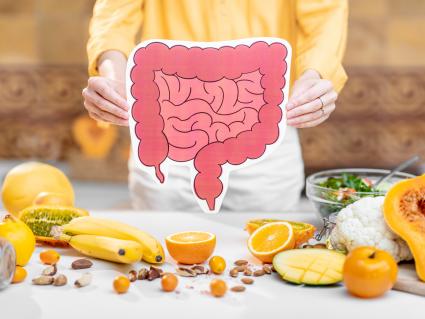
Irritable bowel syndrome (or IBS) is a general diagnosis that encompasses many more specific gastrointestinal conditions. Symptoms of IBS can widely vary, from constipation and/or diarrhea, to abdominal pain, gas, and/or bloating. IBS can also refer to some major GI diseases, including Crohn’s disease, ulcerative colitis, and diverticulitis. Some of these are autoimmune in origin. Others can come about from genetic predisposition or lifestyle factors. One thing that all these GI conditions have in common is that the gut microbiome, which is our individual collection of billions of microbes. The gut microbiome is like a rainforest, so when something disrupts the delicate ecosystem, its effect is widespread.
Gut healing, like most healing, is always individual...
Read MoreThe Power of the Microbiome: A Healthy Gut Depends on it!
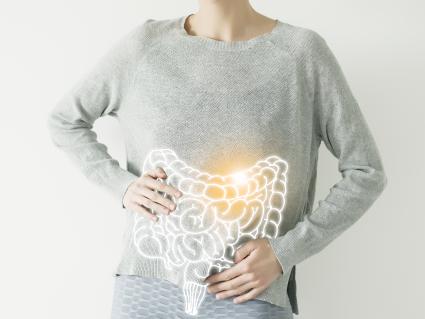
Our microbiome is vital to defending us from disease and provide us with the nutrition we need to survive.
The gut microbiome is very complex. It contains about 100 TRILLION microorganisms that include bacteria, fungi, protozoa, and even viruses. By comparison the average human body contains about 37 trillion cells! Some microorganisms are considered “beneficial” and others are considered “commensal” (neither beneficial nor pathogenic). Pathogenic organisms often cause symptoms that include pain, cramping, and diarrhea that may or may not require treatment.
As we learn more about the gut microbiome, we discover how microbiome imbalances start to affect overall health. Disease associations to an imbalanced microbiome include...
Read MoreThe Great Hollow, ST 37: Acupuncture point for Large Intestine Regulation

IBS (irritable bowel syndrome) effects about 10% of the world’s population. It is characterized by abdominal bloating, incomplete bowel movements with loose stools or constipation, abdominal pain, and often includes poor sleep, anxiety and depression. The causes of IBS are a poor diet, emotional stress, imbalanced gut microbiome, poor intestinal motility and infection.
Acupuncture is widely used for IBS as it restores balance to the digestion, normalizes bowel function and intestinal motility, calms the nervous system, and reduces stress and anxiety. In fact, acupuncture and Chinese herbal medicine have been shown to be safe and effective treatments for IBS (Yan, et al, 2019).
If you have had acupuncture you’ve experienced both distal (away from the source) and proximal (close to the source) acupuncture points that can treat your condition. A major distal point for treating IBS is....
Read MoreENHANCED RECOVERY OF BRAIN INJURY WITH HYPERBARIC OXYGEN THERAPY: A Summary
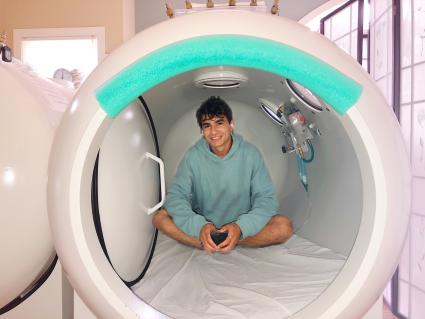
Traumatic Brain Injury (TBI) is a major cause of disability and death world-wide. According to the CDC, 30% of all injury deaths are caused by traumatic brain injury. Hyperbaric oxygen therapy (HBOT) has been demonstrated to enhance recovery from TBI effect brain activity by reducing the hypoxia and neuroinflammation effects of TBI while increasing circulation in the brain.
Read More