Benefits of Hyperbaric Oxygen Therapy for Traumatic Brain Injury
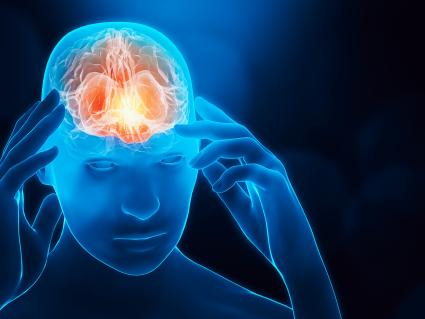
Hyperbaric oxygen therapy (HBOT) has long been used for wound healing, decompression sickness, and carbon monoxide poisoning. However, recent research is starting to show how HBOT can help treat brain injuries including post-concussion, post stroke, PTSD, and traumatic brain injuries (TBI). According to the CDC, TBI is the leading cause of death and disability among children and young adults in the US. More than 5 million live with long term affects from a brain injury, and current treatments look to minimize symptoms with medications and therapies. Therefore, it is important to find safe and effective therapies that can not only decrease symptoms but also improve cognitive function.
Studies have shown benefit for not only recent brain injuries but also for injuries that occurred 10 or more years ago. How is this possible?
Read MoreCraniosacral Therapy and Traumatic Brain Injury: Improvements in Memory, Cognition and Sleep.

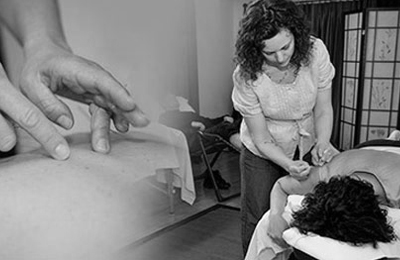
Ten sessions of specific Cranio-sacral therapy resulted in a statistically greater reduction in pain intensity, and greater improvements in mechanical ROM, memory, physical reaction time, and duration of sleep in patients with post-concussion up to 3 months after the intervention. In a study conducted in 2014 and 2015, a team of physical therapists, osteopaths, and allied health professionals discovered that specific manual therapy techniques applied to patients with post-concussive syndrome provided significant results for future concussion recovery...
Read MoreThe Ketogenic Diet for Traumatic Brain Injury

We keep hearing so much about the Ketogenic Diet, and there’s good reason for that! Being in a state of ketosis (where the body is burning ketones) can have many benefits, from healing chronic illness to improving overall performance. The keto diet, as it’s called, was originally studied and used to treat epilepsy. It was proven extremely effective but still not that commonly used until further researched. The keto diet is primarily comprised of fat, moderate amounts of protein, and very little carbohydrate. The diet is called “ketogenic” because it shifts the body’s primary fuel source from burning glucose to burning ketones, which the liver makes as it converts fat into this new fuel source. Ketones are unique because they are one of the only molecules that can cross the blood-brain barrier. This allows ketones to be an alternative fuel source for the brain.
Read MoreHow Chinese Medicine Helped My Mother After Her Traumatic Brain Injury
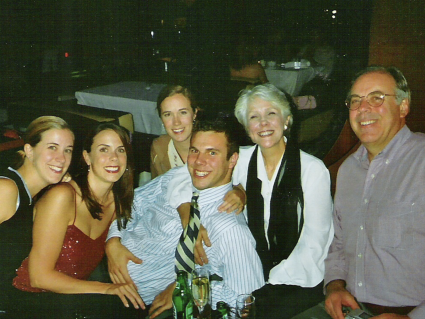
This is a very personal blog post for me as my mother has been living with a traumatic brain injury for 10 years and what I’d like to share is how I used Chinese medicine in her recovery even in her earliest days after the accident. In April of 2011, I was living in Portland, Oregon at the time but visiting my brother in Missoula, Montana. Our dad called and said our mom fell down a set of stairs and had been life-flighted to the nearest trauma hospital in Cleveland Ohio. My brother and I were on a flight the next day, as well as my two sisters who were in other states. My mom had fractured her skull in several places including some of the bones of her ear and there was severe damage including bleeding and swelling to both frontal lobes of her brain. She was in the ICU on and off for about 2 weeks and in the hospital for a total 5 weeks. During that time, we all took turns visiting and I packed up my life in Portland and moved back to my childhood home to be the primary caregiver for my mom as well as help manage the household.
Immediately following the accident, she was....
Read MorePosture and Your Heart Health

We are a forward society. We do many actions that involve reaching and leaning forward. We sit long hours looking at computer screens, bend forward to talk to our children, text on our phones, read and play games on our tablets and drive for long periods of time. Over time, these can cause slumped-forward posture: forward head, hands, and shoulders. Poor posture can negatively impact your heart health...
Read MoreEat Well for Heart Health!
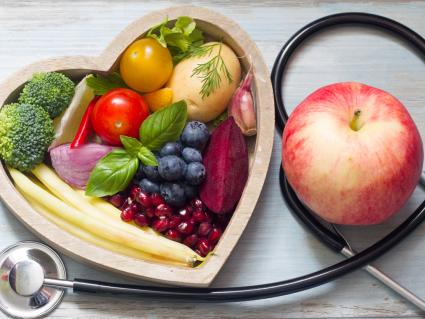
As we observe National Heart Health in February, we recognize that heart disease is still the leading cause of death in both men and women living in the US. While many factors can contribute to heart disease, one of the leading causes is how and what we eat. The Standard American Diet (aka SAD) is comprised of foods and ingredients that contribute or lead to heart disease. This is in part due to the dependence on easy, packaged and processed foods that contain inflammatory ingredients. And when these inflammatory foods make up most of our diet, we lack the nourishing foods that heal and keep our hearts healthy.
To eat for heart health, try to....
Read MoreUnderstanding Compassion

I came across a writing from renowned Buddhist monk Thich Nhat Hahn titled “Understanding”. In it he described a common position we may take with our friends, family, neighbors, and coworkers with regard to helping in the name of being loving or compassionate. Without understanding a person’s suffering and where they are coming from, we may overstep and transgress by assuming that...
Read MoreThe Many Benefits of Taurine: How to Reduce Inflammation & Protect Your Muscles

What is taurine? It is not quite an amino acid, but it is an amino sulfonic acid. It can be obtained naturally in the diet predominantly from meat, fish, and eggs. It can also be made in the body from other amino acids such as cysteine but not in large amounts. Taurine is found in many important areas of the body including the heart, brain, retina, and skeletal muscle. In some animals such as cats, taurine deficiency can lead to retinal degeneration and blindness as well as cardiomyopathy which is a type of heart failure. In Japan taurine is actually used as a treatment for congestive heart failure. Studies have shown that taurine supplementation can improve left ventricular ejection fraction and improve exercise tolerance in those with ejection fractions of less than 50%....
Read MoreOptimal Thyroid Health: A Focus on a Gluten-Free Diet

It’s estimated that 20 million Americans have some sort of thyroid disease, meaning an issue with their thyroid gland that causes it to either under or over-produce thyroid hormones. These hormones are responsible for regulating the body’s metabolism and without proper diagnosis and treatment, thyroid disease can lead to further complications of the heart, fertility, bone health, and weight gain or weight loss. Women are 5-8 times more likely than men to have thyroid problems.
Hyperthyroidism is when the thyroid gland overproduces hormones and as a result, the metabolism increases beyond what is healthy. Individuals with hyperthyroidism often struggle to keep weight on, despite eating adequate or increased food intake.
Read MoreTake Charge of Your Thyroid Disorder with Acupuncture Pressure Point #17: The Small Intestine
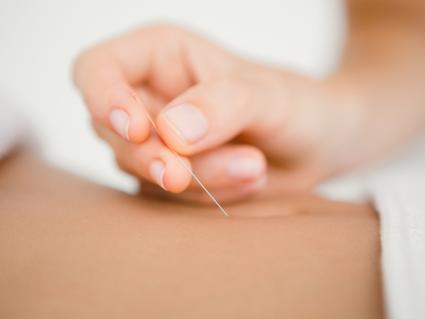
As a complete system of medicine, acupuncture and Chinese herbal medicine treats and supports not only pain, which is what brings most people in, but in fact anything health and medically related, including endocrine issues such hyper- and hypothyroid. The approach in diagnosis and treatment is much different than a western medical doctor, of course, but one that can be integrated into a healthcare plan to help encourage healing and even thriving.
Chinese medicine attributes many functional aspects to the organs that do not always correspond to how western medicine explains how they work. In Chinese medicine the organs create, regulate, and circulate Qi, blood, and body fluids as well as help to transform, move and excrete food, fluid and substances. The Spleen, for example, has almost nothing in common with the biomedical spleen, and is more closely related to the pancreas, although this organ is not mentioned in Chinese medical texts.
With any one disease, an acupuncturist will look for
Read More