Treating IBS with Nutrition Therapies and Lifestyle Changes
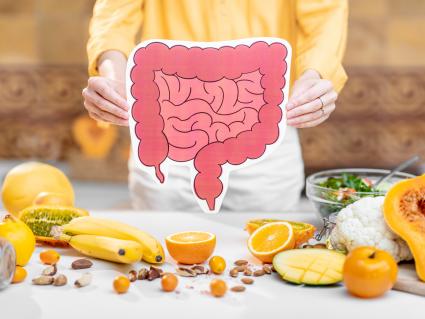
Irritable bowel syndrome (or IBS) is a general diagnosis that encompasses many more specific gastrointestinal conditions. Symptoms of IBS can widely vary, from constipation and/or diarrhea, to abdominal pain, gas, and/or bloating. IBS can also refer to some major GI diseases, including Crohn’s disease, ulcerative colitis, and diverticulitis. Some of these are autoimmune in origin. Others can come about from genetic predisposition or lifestyle factors. One thing that all these GI conditions have in common is that the gut microbiome, which is our individual collection of billions of microbes. The gut microbiome is like a rainforest, so when something disrupts the delicate ecosystem, its effect is widespread.
Gut healing, like most healing, is always individual...
....and depends on someone’s current symptoms as well as their health history. Testing is an important tool to identify what’s going on. A health practitioner will suggest certain tests, based on what area they want to focus in on. Some examples include stool testing, breath or blood tests. Through a comprehensive approach, we can better understand where the issues are taking place, from the mouth (where the GI system starts) to the colon/anus (where the GI ends).
When working with those with IBS, treatment can include specific diet therapies (such as an elimination diet), supplementation, and lifestyle changes. One example of lifestyle changes that may be suggested is slowing down and thoroughly chewing food at mealtimes. Many people rush through meals, not adequately masticating their food. We only have teeth in our mouths and so by skipping this important step in digestion, it makes our gut work harder. This can create an increase in symptoms such as gas/bloating and can also hinder our body’s ability to absorb nutrients. Sometimes supplementation is required to support the body in producing adequate stomach acid or digestive enzymes. Other times, GI motility needs a little encouragement or, conversely, relaxation. There are tools and supplements that can help in those areas as well. In the many instances of problematic bacteria or gut infections, an antimicrobial, antibacterial, antifungal or botanical therapy can be useful to restore healthy gut flora.
IBS is a complex condition that requires proper testing and treatment specific to each individual. The right health practitioner can help suggest dietary and lifestyle changes to not only provide relief from the symptoms but also get to the root cause and course correct for long-term wellness.
Treating IBS with Nutrition Therapies and Lifestyle Changes Related Blog Posts



Treating IBS with Nutrition Therapies and Lifestyle Changes Related Services
Nutritional Counseling
The practitioners at the Center recognize that diet is often the basis for your heath and your potential to heal. Adopting a healthy diet is often the first step towards correcting health problems. Many medical conditions can be treated more effectively when the patient implements specific diets and uses nutritional supplements. These interventions afford fewer complications and side effects than…Nutritional Counseling

Chronic Illness
Nowhere is the need for an integrative approach more apparent than in the management of chronic illness. We are a synthesis of many systems all working together, and when one or more systems become diseased, all of the others will be stressed as well. From physical challenges, to the challenges of everyday living, to a satisfying quality of life, we have to go past seeing that illness in…Chronic Illness