Boost Your Immunity this New Year with IV Vitamin C
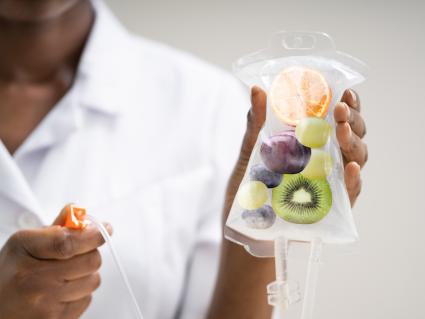
Vitamin C, also known as ascorbic acid, is a water-soluble vitamin that is involved in several essential processes in the body. Humans are not able to make their own vitamin C, relying on natural sources such as fruits and vegetables for our daily requirements. We have come a long way with research on the health benefits of vitamin C, including targeted work focusing on the benefits of Intravenous (IV) vitamin C. In IV form, vitamin C can saturate blood and tissues at higher levels than oral ascorbic acid ever could, as oral doses can only achieve a maximum blood concentration of 220 micromoles per liter. It has been hypothesized that when IV vitamin C is used in conjunction with other treatment modalities, it can have synergistic effects on the overall treatment regimen, therefore improving patient outcomes. Additionally, IV vitamin C is cheap and safe, with minimal side effects - - this is significant, as many therapies are quite the opposite.
It is known that vitamin C is depleted from factors, such as viral infections, fever, stress, smoking, and alcoholism. This is particularly of relevance to health issues that our modern-day society is faced with during the ongoing pandemic with COVID-19.
A small case series was performed in 2020 on patients with moderate to severe COVID with low to moderate doses of IV vitamin C, finding a significant decrease in inflammatory markers, including ferritin and D-dimer. Although this was small case study, it still holds relevance and can further support implementing IV vitamin C to optimize treatment protocols and therefore patient outcomes. Additional studies conducted by Dr. Mao out of China concluded that all patients with moderate to severe COVID treated with IV vitamin C not only improved, but had hospital stays about 3-5 days shorter than the average 30-day hospital stay for COVID patients at the time.
The CITRIS-ALI trial is the largest randomized placebo-controlled clinical trial studying the role of IV Vitamin C as an adjunct therapy in patients with sepsis and ARDS. This was a randomized, double-blind, placebo-controlled, multicenter trial conducted in 7 intensive care units in the United States from September 2014 to November 2017. Of note, sepsis is a broad term, however by brief definition is a life-threatening organ dysfunction that is caused by a dysregulated host response to an infectious pathogen - whether bacterial or viral. Vitamin C deficiency has been found to be common in patients with sepsis, as documented in prior observational studies. Fowler et al concluded “96-hour infusion of vitamin C compared with placebo did not significantly improve organ dysfunction scores or alter markers of inflammation and vascular injury”. However, the clinically significant take-away from this study is that it fails to highlight the secondary outcome stating that there was a significant reduction in 28-day all-cause mortality and significantly increased ICU free days to day 28 and hospital free days to day 60 in the vitamin C group.
Although these trials have there flaws, it is important to note that they pave the way for future larger trials exploring the exact mechanism to study, timing and dosing effects of IV vitamin C.
As we know, vitamin C functions in several pathways in the body. To name a few, it acts as an antioxidant ridding the body of damaging free radicals, facilitates the production of infection-fighting lymphocytes, and functions in the biosynthesis of collagen - a protein that makes up ⅓ of our body protein, therefore having a vital role in healing. When host immune responses are dysregulated from infections or chronic disease, often vitamin C is depleted. Clinically, we have been utilizing IV vitamin C for about 16 years, for its antiviral, immunological, and collagen repairing properties, to name a few. Most recently, we have been implementing IV vitamin C as an adjunct in our COVID long hauler protocol.
It is important to note that we have been discussing lower IV vitamin C doses - at high doses, we utilize IV Vitamin C for cancer, as it acts as a prooxidant rather than antioxidant - this warrants its own section.
For additional information on IV vitamin C, please refer to the sections on “benefits of IV vitamin C for wellness and immunity” and “high dose vitamin C for cancer”. https://stramcenter.com/services/iv-vitamin-C-therapy/
Sources :
Raul Hiedra, Kevin Bryan Lo, Mohammad Elbashabsheh, Fahad Gul, Robert Matthew Wright, Jeri Albano, Zurab Azmaiparashvili & Gabriel Patarroyo Aponte (2020) The use of IV vitamin C for patients with COVID-19: a case series, Expert Review of Anti-infective Therapy, 18:12, 1259-1261, DOI: 10.1080/14787210.2020.1794819
Fowler AA, Truwit JD, Hite RD, et al. Effect of Vitamin C Infusion on Organ Failure and Biomarkers of Inflammation and Vascular Injury in Patients With Sepsis and Severe Acute Respiratory Failure: The CITRIS-ALI Randomized Clinical Trial. JAMA. 2019;322(13):1261–1270. doi:10.1001/jama.2019.11825
https://nutritionj.biomedcentral.com/articles/10.1186/1475-2891-2-7
https://rebelem.com/the-marik-protocol-have-we-found-a-cure-for-severe-sepsis-and-septic-shock/
Boost Your Immunity this New Year with IV Vitamin C Related Blog Posts

Boost Your Immunity this New Year with IV Vitamin C Related Services
Anti-Aging Therapy
How to Combat the Anti-Aging Process with Intravenous (IV) Therapies As we get older how do we combat the natural effects of the aging process?First, we have to look at some of the main factors that cause the symptoms of aging and degeneration. These symptoms include fatigue, muscle weakness or muscle loss, reduced stamina and endurance, poor memory and cognition, and chronic inflammation and…Anti-Aging Therapy
IV Therapy for Wellness
We often associate healthcare with “sick” care – but then where does wellness fit in? At the Stram Center, we believe that it is not only important to heal the body, but to also bring the body into its utmost state of wellbeing.IV Therapy for Wellness
IV Vitamin C
IV Vitamin C and Cancer Care There is much research regarding the use of vitamin C (ascorbic acid) in cancer therapy. However, most of the research focuses on oral rather than the more effective intravenous (IV) route of administration. IV vitamin C has a significantly greater effect on immune enhancement than the conventional oral route of administration.IV Vitamin C
IV Therapy for Chronic Illness
Chronic illnesses are on the rise in the US. From chronic Lyme disease, cancers, chronic fatigue, pain and more – patients are attempting to live their best lives while fighting a battle within. A patient’s response to chronic illness is unique – based upon many factors ranging from emotional response to the disease, individual physical symptoms, immune response and the duration of the…IV Therapy for Chronic Illness
Lifestyle and Prevention
Nutrition is an essential component to preventative health, and is one of the most modifiable factors in our lives. Embracing a proper diet for your body has the power to positively impact your health on all levels, helping you reach your own distinctive state of wellness.Lifestyle and Prevention
Boosting the Lung qi: Meridian-Based Acupressure
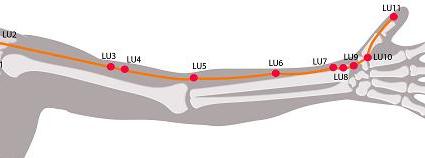
There are many benefits to acupressure. Supporting the lung channel is very important when faced with Lyme and related illnesses.
Based on traditional pulse diagnosis, a lot of our Lyme patients present with a slippery or obstructed quality in their lung pulse. I have found that supporting the lung channel is very important for moving forward when faced with lyme and related illnesses. In traditional Chinese medicine, the lung channel is closely associated with the activity of the immune system. Also known as the hand taiyin channel, it begins in the chest, and extends to the tip of the thumb, with some of the most important and effective points located between the wrist and the elbow (see diagram).
While in a calm and centered state of mind and being, gently brush from the elbow towards the wrist and hand. Brush with your pointer and middle fingers in the same way you would lightly brush a piece of lint from your arm, deep pressure is not needed. The focus here is a clearing of the channel - the removal of any obstructions or "gunk" in the channel. After several passes, or once the channel feels clear to you, brush from the wrist up towards the elbow, focusing on "re-charging" the channel.
Think of bringing fresh vitality into the lung channel as if you were finger-painting pure white light up your arm. Gentleness is the rule here, and you should only need a few passes from wrist to elbow if your focus is good. Sit calmly for at least five minutes after. Have fun with it, and see how you feel!
Bringing in the Light of Winter

Winter is a time for spiritual and psychological reflection.
According to Chinese Medical Theory Winter is related to the kidneys, our deepest sense of self, our will and drive. The kidneys are the body’s fundamental storehouse of energy and vitality. This energy is influenced by genetics and the lifestyle we choose to lead.
Our creativity and the ways in which we engage with the world stem, in part, from the kidneys. Winter is a season for self -reflection at the deepest level of our being. The cold draws our energy inward to allow greater exploration of our spiritual and psychological depths. The introspection procured during this time can lead us into a vibrant spring, bound with life and self- expression and the implementation of new ideas.
So, what is your purest deepest drive? What do you need or wish to cultivate and contemplate for yourself as you marinate in the stillness of winter?
Broiled Sweet Potato & Chickpea Patties
For a tasty plant-based meal, try this tasty summer favorite, Broiled Sweet Potato & Chickpea Patties.
Broiled Sweet Potato & Chickpea Patties
Recipe by Eric C. Sharer, MPH, RD, CSO, CDN Makes: 10-12 patties
Ingredients:
2/3 cup oatmeal, regular or old fashioned
4 tsp. fresh lemon juice
1 15 oz. can chickpeas or 1.5 cup cooked
1 cupcooked and mashed sweet potato
3 tbsp. coarsely chopped Italian parsley
1 cuponion, diced (approx. 1 small onion)
2 each cloves garlic, minced
1 tbsp.ground cumin
1 tbsp. fresh mint leaves, diced
1.5 tsp. chili powder
2/3 tsp. salt
½ tsp. freshly ground black pepper
6 tbsp. brown rice flour
As neededorganic canola or grapeseed oil
Directions:
1. In food processor, combine oats with lemon juice. Process 6-10 times until blended. Add chickpeas, onions, garlic, sweet potato, parsley, mint, cumin, chili powder, salt and pepper and process 12 times or until chickpeas are ground and mixture is blended but not pureed. Stop to scrap down the sides at least once during the processing.
2. Add flour and process until completely blended.
3. Oil a large baking pan or pizza stone.
4. Using a large ice cream scoop, place 10-12 balls of mixture on the oiled pan. Flatten the balls to create patties that are 3 inches in diameter and ½ inch thick.
5. Baste the top of each patty with oil. Place under broiler in oven. Close door and turn broiler on. Check patties at 6-8 minutes. The tops should be golden brown. Flip patties. Baste the top of each patty with oil. Put patties back under broiler and cook for an additional 3-4 minutes until browned tops are golden brown. Remove from oven, allow to cool for a few minutes and serve over Italian style vegetables, or crumble into your favorite salad or soup.
Building Immunity Starts with Your Diet
Now more than ever, we need strong immune systems. Living through a pandemic with flu season upon us, a robust immune system can keep us healthy and help us rebound faster if we do get sick. So, what helps us build a robust immune system? Everything from adequate sleep and exercise, to proper stress management and nutrition. Nutrition plays a key role in helping or hurting us. And if we want a strong immune system, there are many foods and key nutrients that can help us build it. When we talk about nutrition, it’s important to recognize that both diet and supplementation can be helpful. While the diet can supply a plentiful dose of nutrients, we often need an extra boost of specific vitamins, minerals, phytochemicals, and antioxidants to ramp up our immunity. Some key nutrients for immunity include
vitamin C, vitamin A, zinc, vitamin D, magnesium, and antioxidants such as resveratrol, glutathione, and beta carotene. For vitamin C, eat foods such as citrus, broccoli, strawberries, and bell peppers. For vitamin A, look to dark, leafy greens (such as spinach and kale), sweet potatoes, carrots, and mangos. Fatty fish such as salmon, sardines, tuna, mackerel (ideally wild caught) are good sources of vitamin D (and omega-3 fatty acids). Oysters, nuts, seeds, beans and lentils supply ample amounts of zinc. For magnesium, include avocados, nuts and seeds, leafy greens and dark chocolate (the darker, the better). Good sources of resveratrol include berries, peanuts, pistachios, dark chocolate, and yes, red wine. Asparagus, cabbage, walnuts, avocado, and garlic contain glutathione. Some antiviral herbs and spices include onion, oregano, sage, basil, garlic, peppermint, rosemary, echinacea, elderberry, lemon balm, fennel, licorice, astragalus, ginseng, and dandelion. While these specific foods and associated nutrients are impossible to remember, strive for a wide variety of colorful fruits and vegetables, as well as nuts, seeds, lean meats, and seafood.
While we want to give our immune system and nutritional boost, we also want to remove the things that can weaken our immune system, including stress and inflammatory foods. The most inflammatory foods are those we have a sensitivity to (whether we know it or not), as well as processed foods and sugar.
Additionally, it’s important to check in on our gut health, given that at least 75% of our immune system resides in the gut. If we’re someone who has had chronic or recent gut issues, this might be a good place to start when improving our immunity. If you experience symptoms such as gas, bloating, diarrhea, constipation, acid reflux, frequent nausea, stomach pain, or indigestion, you’re likely in need of some gut healing. An experienced practitioner, such as a functional medicine doctor or dietitian that specializes in gut health, can help to diagnose and treat your gut condition. The right treatment leads to a healthy gut, and a healthy gut means you'll properly digest and absorb the vital nutrients your body needs to feel your best.
Building Immunity Starts with Your Diet Related Blog Posts
Building Immunity Starts with Your Diet Related Services
Supplements and Vitamins
Our natural remedies and supplements are carefully selected by our doctors and may be taken to promote natural healing and help treat a variety of conditions.Supplements and Vitamins
Nutritional Counseling
The practitioners at the Center recognize that diet is often the basis for your heath and your potential to heal. Adopting a healthy diet is often the first step towards correcting health problems. Many medical conditions can be treated more effectively when the patient implements specific diets and uses nutritional supplements. These interventions afford fewer complications and side effects than…Nutritional Counseling
What is Integrative Medicine?
Integrative Medicine is the blending of conventional medicine with holistic, complementary and alternative medicine. Integrative Medicine is defined as healing-oriented medicine that takes account of the whole person – body, mind, heart and spirit – including all aspects of lifestyle. It emphasizes the therapeutic relationship and makes use of all appropriate therapies, both conventional…What is Integrative Medicine?
Burlington Vermont Nutritional Counseling for Gut Health
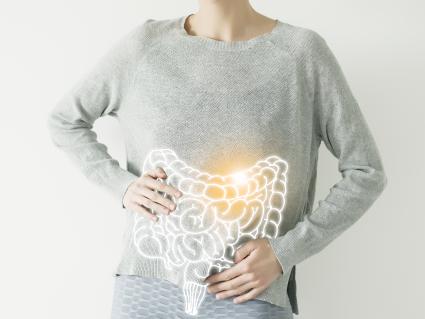
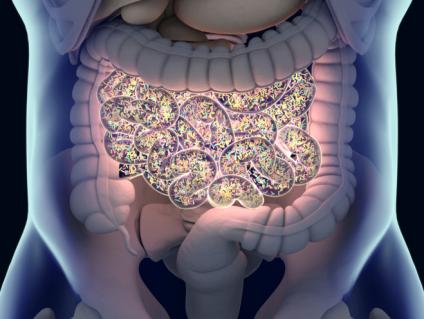
There are about 40 trillion bacteria in your body, most of which are found in your gut- they are known as your gut microbiome, and they're incredibly important for overall health. Improving your microbiome and bacteria quality can transform your life and reduce many different symptoms you may be having. And as many people know who struggle with poor GI health, ica be life altering. This is why at the Stram Center, we utilize tastings that help us get to the root cause of a health condition, and we start with the status of your microbiome in our nutritional counseling (read more about our nutritional counseling services here)... The following three powerful components are the first step to beginning your gut health journey.
Probiotics: Imbalanced bacteria + less functional gut. Consumption through foods or supplementation can help increase the "good" gut bacteria and help balance our microbes to support gut health.
Prebiotics: Wen consuming probiotics, PREBIOTICS are the specialized fibers that feed the probiotics and allow them to thrive. Some prebiotics even soothe the gut lining and reduce inflammation.
Polyphenols: Not only does consumption reduce oxidative stress and inflammation, they also optimize our microbiome by keeping the gut lining strong.
Call us today to make an appointment with our certified licensed nutritionist, dietitian, Janna Neitzel. Janna is part of our medical team and has experience with all issues related to gut health that are often seen in many chronic diseases, including Lyme and cancer.
Burlington office: 802.891.3459
NY office: 518.689.2244.
Burlington Vermont Nutritional Counseling for Gut Health Related Blog Posts
Burlington Vermont Stram Center Story

We are so excited to bring our own unique brand of integrative and naturopathic medicine to Burlington. Vermont is a unique place which is what we love about it! We appreciate Vermont for its commitment to local resources and the creativity of its residents. We look forward to partnering with the community and other local health care providers to bring the best health care possible to our patients. We have a passion for combining the best of western and naturopathic medicine, we practice a truly integrative model.
We offer free 15 minute consultations with Drs. Boulter and Burrell; Call to schedule! 802.891-3459
Unique Treatment Modalities: HYPERBARIC OXYGEN THERAPY IN BURLINGTON VERMONT COMBINED WITH INTEGRATIVE MEDICINE
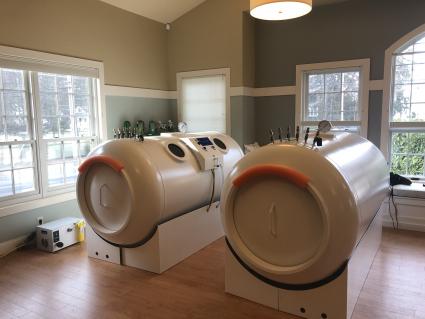
The Stram Center will be the only clinic in the region with a hard sided hyperbaric oxygen tank (HBOT). This old technology is being applied in innovative ways to help patients achieve their health goals. HBOT therapy synergizes beautifully with many other treatment modalities to help patients heal post-surgery, brain injury, chronic infections, non-healing wounds and others. This therapy will now be available in South Burlington Vermont and be unique to the Stram Center.
Coming Home to Burlington Vermont
Dr. Boulter has looked to Vermont as a place to settle for the past decade and she has finally found a home here. Dr. Boulter enjoys getting to know her patients and working with them to create individualized treatment plans that take their personal values and preferences into account. In her personal time she enjoys growing her own food and medicinal plants. She was also trained as an artist before going to medical school and is excited to join both the Vermont science and arts communities. When she is not working she loves to explore backcountry trails with her partner and her dog.
Dr. Boulter’s specialty is treating immune dysfunction, chronic infections and inflammation. She has advanced training in the treatment of Lyme disease, autoimmune conditions, mast cell activation (MCAS) and chronic pain. She uses supplements, herbs, IV therapy, HBOT, regenerative joint injections, and prescription medications when needed. Dr. Boulter is part of the collaborative team with Drs. Stram and DiRoma. Together they will work to uncover and treat the root cause of illness.
Burlington Vermont Naturopathic Medicine
Dr. Burrell has spent prior years living in Burlington, Vermont attending University of Vermont and organic farming along with teaching yoga in the community. She always wanted to return to the green mountain state after studying naturopathic medicine in San Diego, CA to serve the community she calls home through health care that emphasizes prevention and the self-healing process through healthy living, natural therapies, and evidence-based medicine. She loves to spend her personal time running and biking on the bike paths, swimming in lakes and rivers, traveling, and dancing to live music with her partner. She enjoys the eclectic and inclusive Burlington community and is excited to be a new face of naturopathic medicine in the community.
Dr. Burrell focuses on the treatment of chronic disease and musculoskeletal dysfunction, pain management, digestive and hormonal disorders, mind-body medicine for emotional and mental wellness, and integrative medicine for all ages. She has advanced training in naturopathic aesthetic medicine, biofeedback therapy, and regenerative joint injections including PRP (Platelet Rich Plasma), Prolotherapy, and Neural-prolotherapy. She has done volunteer work focusing on the treatment of diabetes and chronic illness through lifestyle modification and reducing the burden of environmental toxins. She is committed to increasing access to integrative and functional medicine for all communities by creating an inclusive and welcoming environment for her patients. She is passionate about educating her patients about the effects of the environment on our health and well-being. Dr. Burrell utilizes herbal medicine, prescription medicine, HBOT, PRP & Prolotherapy, supplements, IV therapy, and mind-body medicine when treating her patients. She brings her expertise to the collaborative medical team at the Stram Center. More brains working together are better than one alone; our patients benefit from the skill and knowledge of our entire team.
Free 15 Minute Consultations
Call to schedule an appointment: 802.891.3459.
Not sure? Get to know us! We offer free 15 minute consultations with Drs. Boulter and Burrell.
Our Address: 150 Kennedy Dr. South Burlington, VT
Burlington Vermont Stram Center Story Related Services
Hyperbaric Oxygen Therapy
Dedicated to treating the root cause of illness and using the most advanced integrative methods in a safe environment, the Stram Center for Integrative Medicine, under the medical supervision of Dr. Ron Stram, will utilize the benefits of hyperbaric oxygen therapy (HBOT) to complement and enhance the healing process in both chronic and acute conditions of our patients. You will…Hyperbaric Oxygen Therapy
IV Therapy for Wellness
We often associate healthcare with “sick” care – but then where does wellness fit in? At the Stram Center, we believe that it is not only important to heal the body, but to also bring the body into its utmost state of wellbeing.IV Therapy for Wellness
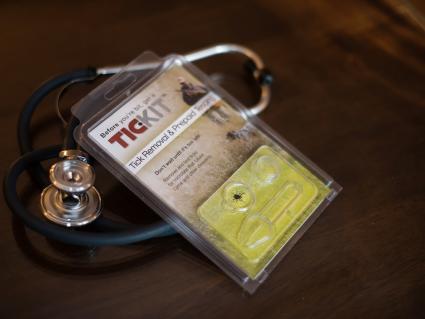
Lyme Disease
Lyme Disease Diagnosis and Treatment in Delmar NY and Burlington VT offices At the Stram Center we vow to continue our education on Lyme Disease research, stay up to date on the most effective testing and all the safe available therapies. Moreover, our years of experience in treating patients according to the whole person-integrative medicine approach allows us the most effective way to care…Lyme Disease
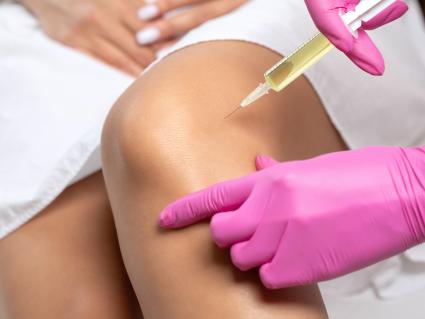
Platelet Rich Plasma (PRP) and Prolotherapy
If you have suffered from chronic joint pain or a sports injury to a ligament or tendon, regenerative injection therapy may be a treatment option for you. There are different levels of joint dysfunction. There are also different levels of treatment. The right injection therapy can help you increase function, decrease pain and healing time, and get you back to living your best life faster.…Platelet Rich Plasma (PRP) and Prolotherapy
Butternut Squash and Sweet Potato Soup Recipe
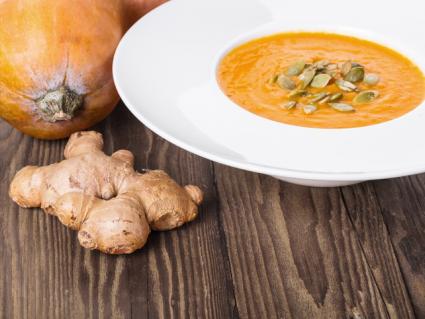
This recipe feeds 4-6 people and is a delicious addition to any meal!
Prep time 20 mins
Cook time 25 mins
Total time 45 mins
Serves: 4-6
Ingredients
- 1 tablespoon coconut oil
- 1 yellow onion, diced
- 1 medium butternut squash, peeled and cubed (5-6 cups)
- 1 medium sweet potato, peeled and cubed (1 cup)
- 1 green apple, peeled, cored, and cubed
- 3 cups low-sodium vegetable broth
- 1 teaspoon cinnamon
- ½ teaspoon curry powder
- ¼ teaspoon ground ginger
- pinch nutmeg
- ½ cup light coconut milk
- 1 teaspoon sea salt
*optional toppings: pepitas and radish sprouts
Instructions
- Heat coconut oil in a dutch oven or large stock pot over medium-low heat. Add onion to pot and cook until translucent (5-7 minutes).
- Add in the butternut squash, sweet potato, apple, vegetable broth, cinnamon, curry powder, ginger, and nutmeg. Gently stir.
- Turn up the heat to medium-high, cover, and cook for 20-25 minutes or until veggies are fork-tender. Turn off heat.
- Using an immersion blender, begin to pureé the soup, adding in the coconut milk and sea salt after a few minutes. (be patient as it will take 5-8 minutes to get your soup silky smooth depending on the strength of your immersion blender).
- Serve warm and topped with pepitas and radish sprouts, if desired.
- Store leftovers in refrigerator.
Adapted from: http://blissfulbasil.com/2014/03/14/butternut-squash-sweet-potato-soup/
Butternut Squash Soup
While a thanksgiving meal can be an elegant celebration of family and friends, it can be stressful for the person cooking the meal. Making a nutritious soup a day or two before the celebration can free up the stovetop or oven for making other recipes. Simply reheat the soup several minutes before the meal and serve. It can be used as an appetizer or an accompaniment to a meal. A butternut squash soup is a delicious as well as nutritious way to add color and variety to your meal. Butternut squash and other orange starchy vegetables are rich in Beta-carotene, an important phytochemical (disease fighting compounds found in plants). Below is additional information about the health benefits of beta-carotene, as well as a delicious Butternut Squash Soup recipe.
Consider attending Eric’s Thanksgiving cooking class on November 18th , 2014 for a full nutritious plant-based Thanksgiving meal! More information at cooking classes can be found at: http://stramcenter.com/news/news-detail/culinary-nutrition-cooking-classes-starting-in-september1/
·Beta-carotene: Beta-carotene has been found to support the immune system and also protect the skin. Another benefit of Beta-carotene is that it can be converted into vitamin A, which is important for protecting the eyes from oxidative damage and diseases such as macular degeneration.
o Food Sources:leafy green vegetables, orange starchy vegetables, red peppers, apricots, broccoli, mango, cantaloupe, etc.
Butternut Squash Soup
Recipe By: Eric Sharer, MPH, RD, CSO, CDN
Ingredients
1 large or 2 medium Butternut Squash, peeled, cubed, seeds removed
OR cut in half lengthwise, seeds removed
1-2 tbsp. Organic canola oil or grapeseed oil
2 each Organic Granny Smith apples, peeled, cored & diced
2 large Spanish onion, peeled and diced
3-4 cloves Garlic, peeled and chopped
As needed Water/ Vegetable stock/ Magic Mineral Broth
1-2 tbsp. Extra Virgin Olive Oil/ Organic canola oil or grapeseed oil
To taste Salt & Pepper
Fresh Sage or dried sage, roughly chopped OR
Fresh ginger, peeled, diced
Directions:
- Preheat oven to 450’F.
2a. Spread squash cubes evenly onto a baking sheet/ roasting pan and lightly drizzle canola oil over cubes. Sprinkle with salt and pepper. Place into preheated oven and roast for 30 minutes at 450° F, or until the squash is golden brown. Stir frequently to ensure even cooking. Squash should be soft to the touch, or fork tender. Set aside
Or
2b. Place squash on a baking sheet with the skin side down, and brush the inside with canola/grapeseed oil. Place into preheated oven and roast for 30 minutes at 450° F, or until the squash is golden brown. Squash should be soft to the touch, or fork tender. Set aside to cool slightly, when cool enough to handle, scoop out the squash into a bowl, and set aside.
3. Heat extra virgin olive oil in a medium sauce pan on stove at medium high heat. When oil is hot add apples, onions, garlic and salt and pepper (to taste) to the sauce pan. Sauté until onions are caramelized and apples are soft.
4. Roughly chop sage leaves and/or ginger and add to sauce pan.
5. Add butternut squash to the sauce pan and cover with water. Bring to a boil and reduce to a simmer. Cook over medium-high heat for 5 minutes.
6.Puree the mixture using a hand blender or blender. Add more water to sauce pan if needed. Puree until the soup is smooth. Serve warm with a dollop of cashew cream in the center of the bowl. Garnish with toasted pumpkin/sunflower seeds, or freshly chopped herbs
Cancer & Risk-Reducing Nutrition
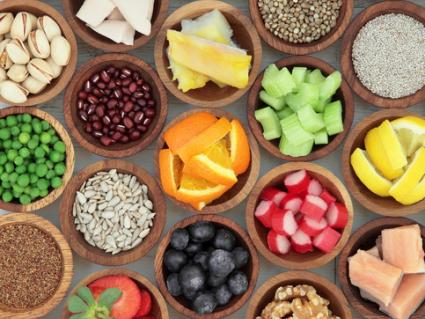
What we eat has real effects on our health, especially when it comes to reducing the risk of cancer.
Did you know that what we eat can have real effects on our health, especially on our cancer risk? Although there is no single “one size fits all” diet for those at risk for, afflicted by, or recovered from cancer, we do know that cancer-preventive bioactive compounds are found mainly in foods of plant origin, and so a plant-based diet is prudent for cancer risk reduction. Cancer is a chronic disease that occurs through multiple insults to cells and tissues over time, that often escape repair by the immune system, so that over time there is malignant transformation of cells. A healthy diet can change the pathway of cancer formation by effects on the immune system, growth factors and signals, and through methylation, programmed cell death (apoptosis), anti-oxidation, and anti-inflammatory effects.
Cancer prevention guidelines, including nutrition recommendations, are published and periodically updated by the American Cancer Society (ACS)[1] as well as by the American Institute for Cancer Research and the World Cancer Research Fund (AICR/WCRF)[2]. Such guidelines include placing an emphasis on plant sources of food, food and beverage portion control to maintain healthy weight, eating at least 2.5 cups of vegetables and fruits per day, choosing whole grains rather than processed (refined) grains, minimizing consumption of processed and red meats, limiting consumption of alcoholic beverages, limiting consumption of energy-dense foods, avoiding sugary drinks, and limiting salt intake.
Examples of diets that have an evidence-base for cancer risk reduction include the Mediterranean Diet (MD) and the Anti-inflammatory Diet (AI), both of which are predominantly plant-based, high in fiber, low in sugar, rich in anti-inflammatory omega-3 fatty acids, and lower in pro-inflammatory omega-6 fatty acids compared to the “SAD” diet (Standard American Diet). The AI diet is similar to the MD but emphasizes consumption of berries, Asian mushrooms, some soy, tea, dark chocolate, and spices. Both diets encourage eating whole, unprocessed foods with low glycemic load, diminishing spikes in blood sugar and hence insulin. Both diets have been linked with decreased risk for not only cancer but many chronic diseases. It is prudent to choose organic foods over non-organic, as the former diminish our exposure to pesticides and other endocrine disruptors and carcinogens that are found in non-organic foods.
As obesity is directly linked with an increased risk of a variety of cancer types, attention to caloric intake, portion control, and physical activity is imperative as well. Diets high in nutrient density (vegetables, fruit, and fiber) are associated with reduced caloric intake and thus help to promote weight control.[3] Conversely, it is important to reduce energy density of the diet (dietary fat and beverages high in simple sugars) to assist in promoting weight loss and control.
Food sources of bioactive compounds which assist in cancer risk reduction include avocado (trigger apoptosis), cruciferous vegetables such as broccoli (hormone modulation, carcinogen metabolism), berries (reduced oxidative stress), orange-yellow vegetables (antioxidant, anti-inflammatory), curcumin (antioxidant, trigger apoptosis), garlic (DNA repair, cancer cell cycle arrest), grapes (resveratrol: reduce oxidative stress, anti-inflammatory), green tea (anti-inflammatory, reduces oxidative stress), and tomato products (reduces oxidative stress).[4] Also, increasing data supports eating fermented foods rich in pre- and probiotics, which help to build a favorable gut microbiome (“good bacteria”) that can decrease risk for obesity-related cancers by enhancing immunity [5] [6](Kamada, 2013, and Russell, 2013).
So to reduce your risk of cancer, choose your food wisely: good food is, simply, good medicine!
[1] American Cancer Society Facts and Figures 2012. http://www.cancer.org/acs/groups/content/@epidemio;ogysurveilance/documents/document/acspc-031941.pdf.
[2] World Cancer Research Fund/American Institute for Cancer Research. (2007). Food, Nutrition, and the Prevention of Cancer: A Global Perspective. Washington, DC: Author.
[3] Svendsen, M., Blomhoff, R., Holme, I., & Tonstad, S. (2007). The effect of an increased intake of vegetables and fruit on weight loss, blood pressure and antioxidant defense in subjects with sleep related breathing disorders. European Journal of Clinical Nutrition, 61(11), 1301-1311.
[4] Abrams D., & Weil, A. (2014). Table 5.1: Select Food Sources of Bioactive Food Components and Related Mechanisms of Cancer Risk Reduction, in Integrative Oncology, Second Edition, Oxford University Press, New York, p.98.
[5] Kamada, N., Seo, S. O, Chen G. Y., & Nunez, G. (2013). Role of the gut microbiota in immunity and inflammatory disease. Nature Reviews, 13, 321-335.
[6] Russell, W.E., Duncan, S. H., & Flint, H.J. (2013). The gut microbial metabolone: modulation of cancer risk in obese individuals. Proceedings of the Nutrition Society, 72 (1), 178-188.
As written for NaturTyme.