Anti-Aging | What’s the Hype About Hyperbaric Oxygen Therapy

The Stram Center for Integrative Medicine is excited to be using hyperbaric oxygen therapy (HBOT) to successfully address a wide variety of health conditions. While HBOT is a proven effective therapy for a wide variety of conditions in which poor circulation, tissue injury, or chronic infection play a role, its performance in anti-aging and wellness is impressive!
WHAT IS HYPERBARIC OXYGEN THERAPY?
HBOT is the medical use of oxygen in a pressurized environment which allows for oxygen to dissolve and saturate circulation systems, delivering a high concentration of oxygen to all cells and tissues.
HOW DOES HBOT WORK?
When you breathe oxygen at normal atmospheric pressure, this gas is transported on hemoglobin in the red blood cells. Under pressure, however, oxygen molecules decrease in size and are able to dissolve and saturate the plasma, cerebrospinal fluid in the brain and spinal cord, lymph and other body fluids.
More oxygen= more energy delivery to cells for accelerated cell repair and enhanced regeneration of tissue. Hypoxic tissue (low oxygen levels) can lead to cell death, aging, and is a common component in most major health conditions. Further, low tissue oxygen is associated with life threatening diseases such as stroke and heart attacks, diabetes, cancer and more.
Applying the simple laws of physics, HBOT is a safe and non-invasive therapy and is the most trusted way to increase oxygen levels to all organs of the body.
ANTI-AGING AND HYPERBARICS: THE FOUNTAIN OF YOUTH?
Aging has many factors. Body cell damage can be due to normal aging from the sequence of time; or from premature aging due to over exposure to environmental pollution, the sun’s rays, food chemicals, or overuse of drugs and alcohol; or from disease and physical injury. HBOT helps combat degenerative conditions by assisting the wounded cells of all organs of the body to promote health and beauty with the power of increased oxygen.
Circulation:
- Enhances the regeneration of tissue and blood vessels
- Combats and prevents circulatory diseases including diabetes
- Improves atherosclerosis
General Health:
- Promotes stem cell proliferation and mobilization
- Decreases risk of infection
- Reduces stress and anxiety
- Supports the immune system
The Brain:
- Stimulates neurogenesis, improving memory and reaction time, combating the effects of dementia
- Improves concentration
- Increases serotonin levels
The Heart:
- Improves oxygenation to cardiac tissue, reducing the risk of heart attack
- Improves heart muscle functioning following heart attack
The Eyes:
- Helps combat age-related macular degeneration
- Reduces Central Retinal Artery Occlusion
- Lessens Glaucoma symptoms
The Joints:
- Improves osteoarthritis and rheumatoid arthritis
- Accelerates healing
- Reduces inflammation and pain
- Improves mobility and stamina
The Skin:
- Reduces excessive skin damage from ultraviolet radiation
- Reduces wrinkles and maintains skin elasticity
- Stimulates wound healing and reduces scar formation
- Increases collagen production
WHAT DOES A SESSION FEEL LIKE?
Safe and painless, the typical treatment lasts 60-90 minutes, during which time one relaxes in the pressurized chamber and breathes normally. You may listen to music, watch a movie or just rest. One experiences a feeling similar to flying in a plane or diving. Air pressure must be equalized in the ears during the 15 minute compression and decompression phases by either swallowing or yawning. HBOT at the Stram Center is administered in a state of the art, medical grade steel hyperbaric chamber. Dr. Stram’s trained staff will monitor you closely during therapy. You are in constant view and in two way communication with the attending staff. The Stram Center also offers low pressure soft chambers.
STRAM CENTER HYPERBARIC THERAPY
In addition to anti-aging benefits for wellness, Dr. Stram and his team treat a wide variety of health conditions using HBOT as part of their integrative therapies including chronic illnesses such as Cancer and Lyme disease; pre and post surgery events and sports injury for enhanced outcomes and accelerated recovery; chronic pain; Alzheimer’s; Parkinson’s; Diabetes; Autism Spectrum Disorder; stroke; chronic fatigue; radiation tissue damage; traumatic brain injury; and skin conditions, to name just a few.
IS IT RIGHT FOR YOU?
Find out! Schedule an appointment for an evaluation, or call our office if you would like more information. A new patient navigator will be happy to speak with you. 518.689.2244. Or, contact us: www.stramcenter.com
Anti-Cancer Cooking Class on Tuesday 2/18/14

Celebrate Cancer Prevention Month by joining Eric C. Sharer, MPH, RD, CSO, CDN the Stram Medical Center's Registered Dietitian and clinical nutritionist for an exciting evening focusing on how to prevent, fight and survive cancer by embracing a healthy diet. He will demonstrate quick and healthy recipes and cooking techniques to maximize the healing and disease fighting potential of your food, while minimizing the time and energy you spend in the kitchen.
Anti-Cancer Cooking Class on Tuesday 2/18/14
It has been estimated by the World Cancer Research Fund that one-quarter to one-third of the cancers that occur in the United States are due to poor nutrition, physical inactivity, and excess weight. This research supports our belief that embracing a healthy lifestyle is essential for anyone whose life is unfortunately touched with cancer.
Join Eric C. Sharer, MPH, RD, CSO, CDN the Stram Medical Center's Registered Dietitian and clinical nutritionist for an exciting evening focusing on how to prevent, fight and survive cancer by embracing a healthy diet. He will demonstrate quick and healthy recipes and cooking techniques to maximize the healing and disease fighting potential of your food, while minimizing the time and energy you spend in the kitchen.
Additional information at:
http://www.stramcenter.com/news/
Follow these seven recommendations to optimize cancer prevention, treatment, and survival.
Follow this page for the coming days for an explanation of each of these recommendations as well as several anti-cancer recipes!
1. Minimize pro-inflammatory foods
2. Boost your immune system
3. Promote a stable blood sugar
4. Balance your hormonal risk
5. Maximize the nutrient density of your diet: antioxidants, phytochemicals, vitamins and minerals- kale salad
6. Embrace all aspects of a healthy lifestyle
7. Pick your battles
Anti-Cancer Recommendations and Recipes
It has been estimated by the World Cancer Research Fund that one-quarter to one-third of the cancers that occur in the United States are due to poor nutrition, physical inactivity, and excess weight. This research supports our belief that embracing a healthy lifestyle is essential for anyone whose life is unfortunately touched with cancer.
Anti-Cancer Recommendations for Prevention, Treatment and Survival
Follow these seven recommendations to optimize cancer prevention, treatment, and survival:
1. Minimize pro-inflammatory foods: limit and avoid animal protein, poultry, and dairy products & replace with plant-based equivalents
2. Boost your immune system
3. Promote a stable blood sugar
4. Balance your hormonal risk
5. Maximize the nutrient density of your diet: antioxidants, phytochemicals, vitamins & minerals
6. Balance achieving a physically active lifestyle and obtaining enough rest and sleep
7. Pick your battles and embrace healthy stress management
Anti-Cancer Recipes (from Eric’s cooking class held at the Stram Center on October 15, 2013)
Curried Autumn Stew
Recipe By: Eric C. Sharer, MPH, RD, CSO
Serves 6
Ingredients:
4 cups water 4 cups vegetable stock
*1-3 tbsp. low-sodium soy sauce
1 each large onion, peeled, cored, and diced
1 each bell pepper, cored and diced
6 each large garlic cloves, peeled and diced
4 cups butternut squash, peeled and diced (approx. 1 medium or ½ large squash) 2 cup cabbage, shredded (approx. ½ small head)
1 each 15-oz can diced tomatoes
*2 tbsp curry powder
*2 tsp. cumin
*2 tsp. ground paprika
*½ tsp. black pepper
1 each 15-oz can kidney or black beans, rinsed and drained
2 cups fresh or frozen organic corn
2-3 tbsp. Vinegar of choice such as brown rice vinegar or apple cider vinegar
* Season soup according to taste. Also add any of your favorite vegetables such as broccoli, cauliflower, carrots, celery, etc.
Directions:
1. Add all ingredients to a large pot except for the beans, corn, and vinegar. Bring to a boil and reduce to a simmer.
2. Cover and simmer until the squash and remaining vegetables are tender. Approximately 15-20 minutes.
3. Add the beans and corn. Cook for 5 minutes longer.
4. Adjust the seasoning according to taste and add the vinegar, stir thoroughly and serve. For those who dislike vinegar leave it out or pour ½ tsp. per individual bowl.
Sea Vegetable Salad
Recipe By: Eric Sharer, MPH, RD, CSO
Serves 8
Ingredients:
• 1 cup sea vegetables such as wakame, arame, or bladderwrack*
• 1 each cucumber, thinly sliced
• 1 each carrot, peeled and shredded
• 1 each bell pepper, deseeded and diced
• 1 cup cabbage, shredded
• 2 cups mixed greens/shredded kale/shredded Swiss chard/baby spinach
• 1 tsp. ginger, fresh, peeled and finely grated/chopped
• ½ tsp. garlic, minced
• 1 ½ tbsp. brown rice vinegar
• 1 tbsp. tamari or soy sauce or coconut aminos if you are soy intolerant
• ½ tsp. water
• 1 tsp. maple syrup or other sweetener of choice
*Consider buying organic sea vegetables such as from Main Coast Sea Vegetables www.seaveg.com
Directions:
1. Soak sea vegetables in warm water for 5-10 minutes. If using bladderwrack soak for 15-30 minutes. Drain, rinse then squeeze out excess water. If wakame/bladderwrack is uncut, cut into small ½” pieces. Wakame may have tough ribs running through the middle of the plant. Cut these ribs out as well.
2. While the sea vegetables are soaking, mix together all the remaining vegetables in a large bowl, except for the garlic and ginger.
3. Stir together vinegar, tamari, water, maple syrup, ginger, and garlic in a bowl until combined.
4. Add the prepared sea vegetables to the bowl of vegetables. Mix well
5. Pour dressing over salad and mix well.
6. Serve immediately, or chill for 1-2 hours to allow the flavors to develop.
Chefs Note: Vegetables can be peeled and sliced 1 day ahead and chilled in sealed plastic bags until ready to use.
Fabulous Fall Quinoa
Recipe By: Eric Sharer, MPH, RD, CSO
Serves 4 Serving Size: ½ cup
Ingredients:
2 each Organic Apples or Pears, cored & diced
1 ½ cup Organic Apple Juice or Organic Apple Cider
½ cup Water
1 cup Quinoa
¼ cup Raisins
¼ cup tart cherries, dried or Cranberries, dried (Optional)
Pinch Nutmeg, ground
½ teaspoon Cinnamon, ground
½ cup Walnuts or Pecans, toasted and chopped
Directions:
1. Combine apple juice, water, and quinoa in saucepot. Cover and bring to a boil. Turn down to a simmer and add apples, raisins, cranberries/tart cherries, nutmeg, and cinnamon. Cook for 15-20 minutes until quinoa is cooked.
2. Add walnuts to quinoa mixture.
3. Serve warm, or chill and serve cold. Top with non-dairy, fruit sweetened ice cream, such as So Delicious No Sugar Added Vanilla Bean Coconut Ice Cream
Anti-Cancer Tip # 5: Maximize the nutrient density of your diet
It has been estimated by the World Cancer Research Fund that one-quarter to one-third of the cancers that occur in the United States are due to poor nutrition, physical inactivity, and excess weight. This research supports our belief that embracing a healthy lifestyle is essential for anyone whose life is unfortunately touched with cancer. Follow the tips below to help promote a stable blood sugar. Continue to follow the blog for tip #6. Embrace all aspects of a healthy lifestyle
.
Maximize the nutrient density of your diet: antioxidants, phytochemicals, vitamins and minerals
- The real health potential of your food comes from the variety of healthy compounds found within it. Plant based food are packed full disease fighting compounds, including vitamins, minerals, antioxidants, and phytochemicals.
- Antioxidants and phytochemicals make up part of the plants immune defense and when consumed by humans, they also provide a variety of health promoting and disease fighting actions.
- Research shows that many of these compounds are found in the color of the plant. Combining the different colored compounds may actually increase the protection these foods provide. For this reason it is recommended that you eat the greatest variety of colors you possibly can. Eat a rainbow of colors to optimize the protection your diet can provide you.
- Antioxidants and phytochemicals are only found in plant based foods, so whenever possible it is recommended to consume the plant based foods in place of animal based/derived foods. Examples of this would be choosing plant based milk over non-dairy milk, vegetable stock over beef/chicken broth, veggie burgers over hamburgers/turkey/salmon burgers, etc.
Anti-Cancer Tip #2: How to Boost your Immune System
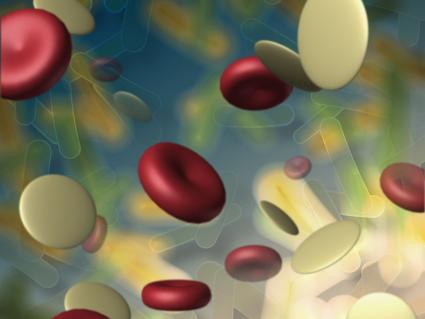
It has been estimated by the World Cancer Research Fund that one-quarter to one-third of the cancers that occur in the United States are due to poor nutrition, physical inactivity, and excess weight. This research supports our belief that embracing a healthy lifestyle is essential for anyone whose life is unfortunately touched with cancer. Follow the tips below to maximize the immune support of your diet.
·Keeping your immune system strong is essential for protecting against cancer. There are several techniques that can protect the immune system.
·Beta glucans:
- Are compounds found in food that can potentially boost the immune system. These foods include: onions, garlic, oats, mushrooms, and nutritional yeast
·Limit intake of saturated fat:
- Research shows that eating high amounts of saturated fat may weaken certain types of white blood cells (WBC) called Natural Killer cells and T Cells. WBC are one of your primary defenses against cancerous cells in the body. It is important to make your WBC as strong as possible for the best defense against cancer. As previously discussed, animal protein, poultry, and dairy products tend to be rich in saturated fat. For this reason it is recommended that you limit and avoid these foods, while increasing intake of plant based foods which are typically low in saturated fat.
·Increase the variety of plant based foods in your diet
- Plant based foods tend to be rich in compounds that provide immune support and potentially immune boosting characteristics. For this reason it is important to eat a wide variety raw and cooked, different colored fruits/vegetables to maximize your immune boosting potential.
·Increase physical activity
- Research shows that exercise can not only increase you immune support, but it may also improve chances of surviving cancer. For this reason it is important to adopt and embrace an exercise routine that is appropriate for your abilities.
·Get adequate sleep & minimize stress
- High amounts of stress and lack of sleep can dramatically weaken your immune system. It is essential to find balance in life by achieving enough sleep and embracing healthy stress management techniques.
Continue to follow the blog for tip #3. Promote a stable blood sugar
Anti-Cancer Tip #3. Promote a stable blood sugar

It has been estimated by the World Cancer Research Fund that one-quarter to one-third of the cancers that occur in the United States are due to poor nutrition, physical inactivity, andexcess weight. This research supports our belief that embracing a healthy lifestyle is essential for anyone whose life is unfortunately touched with cancer. Follow the tips below to help promote a stable blood sugar. Continue to follow the blog for tip #4. Balance your hormonal risk
Blood sugar spikes or major fluctuations in blood sugar may be problematic for cancer risk, cancer promotion, as well as overall health. Research shows that major spikes in blood sugar may stimulate a growth hormone in the body called Insulin Like Growth Factor I (IGF1). IGF1 is needed in normal amounts for many body processes, however research shows that high blood levels of IGF1 may increase risk of certain cancers as well as diabetes. Major fluctuations in your blood sugar may also cause hormone imbalances, as well as increase risk of heart disease and diabetes. Below are easy tips for controlling the blood sugar.
Eat small, frequent meals throughout the day:
- Consume 3 smaller meals/day and a snack in-between each meal. The goal should be eating every 2-6 hours. This will help promote a constant blood sugar as opposed to major blood sugar fluctuations. This approach will help control your blood sugar, appetite, promote a healthy metabolism, and may actually help one maintain/achieve a healthy weight.
Consume a variety of whole grains & whole grain products. Limit refined grains:
- Carbohydrates are the main source of energy for our brain , organs, and muscles. However, not all carbohydrates were created equally. The foundation for a healthy carbohydrate is having adequate amounts of dietary fiber, also known as plant roughage. This fiber will help slow down digestion and the impact the carbohydrates have on the blood sugar. Many of the carbohydrates out there are “refined”, which means the healthy fiber, vitamins, and minerals have been removed during processing to create a more favorable texture/taste. These products are then “enriched” or “fortified” to add back in synthetic vitamins or minerals. These refined products tend to be low in fiber, digested quickly, and may promote a large spike in your blood sugar. Any grain product with the first ingredient saying “enriched” is a refined grain product. Examples of refined grains are white rice, white bread, white flour, wheat products that are labeled as enriched. Examples of whole grains are brown rice, quinoa, buckwheat, brown rice pasta, millet,100% whole wheat bread, 100% multigrain bread.
Limit/avoid refined sweeteners, & focus on more wholesome sweeteners:
- Sweeteners are also not created equal. Certain sweeteners are more likely to raise your blood sugar than others. Sweeteners to limit/avoid are: sugar, evaporated cane juice, artificial sweeteners, molasses, etc. Sweeteners to include in moderate amounts in the diet are: maple syrup, brown rice syrup, agave nectar, and stevia.
Anti-Cancer Tip #4. Balance your hormonal risk

It has been estimated by the World Cancer Research Fund that one-quarter to one-third of the cancers that occur in the United States are due to poor nutrition, physical inactivity, and excess weight. This research supports our belief that embracing a healthy lifestyle is essential for anyone whose life is unfortunately touched with cancer. Follow the tips below to help promote a stable blood sugar. Continue to follow the blog for tip #5. Maximize the nutrient density of your diet.
Research shows that hormone imbalances may increase risk of certain cancers such as breast, prostate, ovarian, and endometrial cancer. Below are tips to help balance your hormonal risk.
- Limit & avoid animal protein, poultry, & dairy
- Research shows that consumption of animal protein, poultry, and dairy has been linked to increasing levels of IGF1 in the body. As previously stated, high levels of IGF1 have been associated with increased risk of certain hormone dependent cancers.
- Increase intake of cruciferous vegetables
- Cruciferous vegetables (broccoli, cauliflower, cabbage, Brussels sprouts, as well as kale and collard greens) contain various compounds called Indole 3 Carbinol and Calcium D Glucarate. Both of these compounds have been shown to help remove excess estrogen from the body, and help balance hormone levels.
- Add sea vegetables to you diet
- Sea vegetables are a group of foods that pack an anti-cancer punch. These foods include nori, wakame, arame, bladderwrack, dulse, etc. Certain sea vegetables have been found to help promote a more favorable hormone balance by helping make estrogens more favorable for the body. Sea vegetables are also rich in vitamins, minerals, and a compound called fucoidan. Fucoidan has been found to have many anti-cancer properties, including inhibiting tumor growth, metastasis, and angiogenesis.
- Focus on a moderate intake of the whole plant form of fats, & limit/avoid oils
- Research shows that a high fat, low fiber diet may increase levels of hormones in the body, especially estrogen/testosterone. In addition to limiting/avoiding animal fats, to further help regulate your hormone levels it is best to consume moderate amounts of fats, and focus more on eating the whole plant form or fats as opposed to the plant oils. This means that you should try to eat the nuts, seeds, olives, avocado, and coconut, instead of the oils from these foods. The oils are lacking the fiber, while the whole form of the food contains the fiber. Fiber has also been shown to help remove excess hormones from the body.
Anti-Cancer Tip #6: Embrace all aspects of a healthy lifestyle
It has been estimated by the World Cancer Research Fund that one-quarter to one-third of the cancers that occur in the United States are due to poor nutrition, physical inactivity, and excess weight. This research supports our belief that embracing a healthy lifestyle is essential for anyone whose life is unfortunately touched with cancer. Follow the tips below to help promote a stable blood sugar. Continue to follow the blog for tip #7. Pick your battles
As previously discussed, research has shown that a healthy lifestyle can decease cancer risk and help promote cancer survival. A healthy life includes proper diet, exercise, adequate sleep, and stress management. Most people struggle with at least one of these areas, while many can struggle with several areas. Remember to work to address all areas of lifestyle by following these rules.
- Sleep 7-9 hours everyday
- While it is easy to put off sleep, our health relies on getting adequate rest. Try to follow good sleep hygiene by going to sleep in a dark and quite environment. Start getting ready for bed 1 hour before you want to be asleep. Lack of sleep can weaken your immune system, as well as make it hard to embrace the other aspects of a healthy lifestyle.
oFollow the 10 Minute Rule of Exercise:
Exercise has numerous health benefits for cancer patients, including improved energy, better quality of life, and potentially improvement in outcomes.
No matter how tired or busy you are, do 10 minutes of exercise every day. After 10 minutes if you still feel tired, stop and rest. If you feel better after 10 minutes, keep exercising. Exercise should be fun, find something that you enjoy!
oEmbrace Healthy Stress Management
Stress can wreak havoc on the body. Since many of us live in and possibly are surrounded by stress, it is important for everyone to find ways help channel their stress.
Make sure you take time to focus on yourself every day. Embrace activities that help you relax and de-stress. This can vary with each person, but make sure you find the activities that work for you. Common activities for de-stressing: listening to music, spending time with someone you care about, exercising, going for a walk, meditation, etc.
Anti-Cancer Tip #7: Pick your battles
It has been estimated by the World Cancer Research Fund that one-quarter to one-third of the cancers that occur in the United States are due to poor nutrition, physical inactivity, and excess weight. This research supports our belief that embracing a healthy lifestyle is essential for anyone whose life is unfortunately touched with cancer.
- All of the recommendations are meant to be ideal goals to work towards achieving over time. Many times we forget that we cannot achieve all of our goals overnight. As stress has a major impact on our health, never feel guilty or upset if you do you waiver from your lifestyle goals (diet, exercise, sleep, and stress management). Instead use it as a motivator to try harder in the future.
- Remember that no one is perfect and that it is close to impossible to completely embrace every lifestyle goal 100% of the time. However, the closer we can get to achieve our lifestyle goals, the better for our overall health.
- When situations come up where you cannot follow your goals 100%, do your best to make the best choice possible for that situation.
The most successful lifestyle changes typically from a collection of many small achievable changes over time. Always strive to take control of your health and embrace a healthy lifestyle.
Apple Cinnamon Raisin Walnut Quinoa Recipe
Quinoa is a seed from a grain crop traditionally used in ancient South American cultures. It used like other whole grains and is quick cooking, typically 15-25 minutes. It is very dense in protein, as well as a rich source of various minerals such as iron, magnesium, phosphorous, manganese, zinc and copper. It also contains various vitamins such as folate, thiamin, riboflavin, and vitamin e. It works well as a grain alternative in meals, in soups, stews, or a side dish. It can also be used as a breakfast or dessert. See the following recipe for a tasty breakfast, snack, or dessert using seasonal produce! The walnuts add extra protein and fat to help balance the blood sugar response of this meal as well as healthy anti-inflammatory omega 3 fats!
Apple Cinnamon Raisin Walnut Quinoa
Recipe By: Eric Sharer, MPH, RD, CSO, CDN
Yield: 4 servings Serving Size: ½ cup
Ingredients:
2 each Organic Apples, cored & diced
1 ½ cup Organic Apple Juice or Organic Apple Cider
½ cup Water
1 cup Quinoa
¼ cup Raisins
¼ cup tart cherries, dried or Cranberries, dried (Optional)
Pinch Nutmeg
½ teaspoon Cinnamon, ground
½ cup Walnuts, toasted and chopped
Directions:
- Combine apple juice, water, and quinoa in sauce pot. Cover and bring to a boil. Turn down to a simmer and add apples, raisins, cranberries/tart cherries, nutmeg, and cinnamon. Cook for 15-20 minutes until quinoa is cooked.
- Add walnuts to quinoa mixture. Serve warm, or chill and serve cold. Top with fruit non-dairy ice cream.