Acupuncture for Relief from Lyme and TBD’s

Using acupuncture for symptom relief from Lyme and other TBD's.
Chinese medicine provides one of the pillars in the treatment of Lyme and TBD (tick borne disease) symptoms and provides support for one’s constitution and general capacity to heal itself. The stronger the body, the more apt it is to defend itself from disease. Chinese medicine addresses Lyme and TBD with multiple therapeutics, which may include Chinese herbs, acupuncture, cupping, tui na, and gua sha. Your Licensed Acupuncturist will also include dietary therapeutics to address the overall inflammation and underlying gastrointestinal imbalances.
Amidst the complexities of Lyme and TBD with it’s mixed syndromes and multiple symptoms, the healthier the individual’s bottom line, the easier the body can deal with the intricate changes that occur during this disease. Having this condition can often exacerbate preexisting imbalances. In light of this understanding we know that treating the constitution will have a significant impact on the body’s ability to fight the unwanted pathogens of Lyme and TBD.
An Acupuncturist will give Chinese medical diagnoses which include your constitutional diagnosis as well as that of the acute issue(s). As an individual treatment modality, acupuncture provides relief of many of the symptoms of Lyme and TBD. The acupuncture point protocol will include points that address the patient’s constitutional diagnosis with points to address specific Lyme and TBD symptoms.
Anxiety and a pervasive sense of unease are common accessories to any debilitating or chronic illness, including Lyme/TBD. To highlight this mental emotional component for which Chinese medicine is well suited to treat, let us take the symptoms of shortness of breath, chest tightness, and anxiety. To treat these with acupuncture I would use points to address these symptoms as well as points that focus on the patient’s constitution. With the background of Lyme/TBD the acupuncture treatment must be tailored very delicately and specifically. Acupuncture performed with this in mind grants the most therapeutic outcome.
Returning to the above mentioned example of anxiety, shortness of breath, and chest tightness, the acupuncture point Ren 17 comes to mind. This point influences the pericardium also know as the heart protector. The effects of this point include the ability to lighten pressure on the chest and support mental clarity. Why is this so? To answer this question we look at the role of the pericardium in Chinese medical theory. The pericardium protects the heart, gauging the degree to which the external world can affect the heart. The heart is considered the ‘emperor’ in Chinese medicine. The pericardium is like the last gate before entering to the emperor’s throne. A strong pericardium creates boundaries that disallow those external forces that are harmful from entering the kingdom of the heart. If the pericardium has weakened this may open the heart to external pernicious forces or infection. When this occurs we know at a fundamental level, whether or not the infection is symptomatic, that there is something wrong. At this point in time agitation, anxiety, chest tightness and shortness of breath occur reflecting the fluctuations of a weakened heart protector; a signal that something is wrong in the body. The effects of using Ren 17 in an acupuncture treatment resemble a release, as in a relaxing sigh. The pericardium can be reinstated to it’s duty of protecting the heart and the body knows that all will be well.
Acupuncture for Smoking Cessation
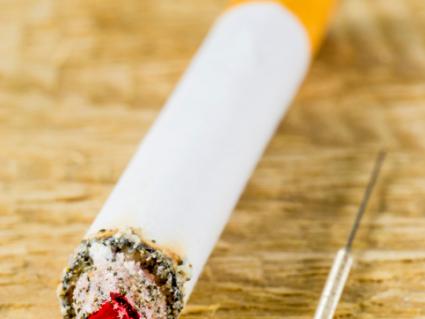
In the 1970's, an acupuncture protocol was developed by a medical doctor, Michael Smith as an alternative to methadone treatment.
Smoking cessation is a pretty common, health-related New Years resolution, so I thought it would be a nice time to explain the process a little.
In the 1970's, a new acupuncture protocol was developed in the Bronx, NY by a medical doctor named Michael Smith as an alternative to methadone treatment for opiate/heroin addiction. Over the following years the protocol would be modified to include different acupuncture points to arrive at the combination of the five used today.
Points of the "five needle protocol," or "5NP," are all located in the ear, and are now used from New York to Seattle, WA in addiction centers across the country. While my colleague Rebecca Rice, L.Ac. and I were still finishing graduate school in Seattle, we helped King County research and report on the effectiveness of the 5NP in the county's drug treatment programs, which were significantly positive.
Within the brain, the pleasure and reward centers that play the central role in opiate addiction, are the very same centers that underlay smoking and nicotine addiction. The 5NP has now been in use for decades as a method to help reduce and manage withdrawal symptoms in someone who is quitting smoking. The smoking cessation client will stop smoking, then within 24 to 48 hours will begin their acupuncture sessions to moderate the withdrawal symptoms. Side effects include: relaxation, better energy, improved sleep and increased sense of wellness.
Acupuncture for Stroke Recovery
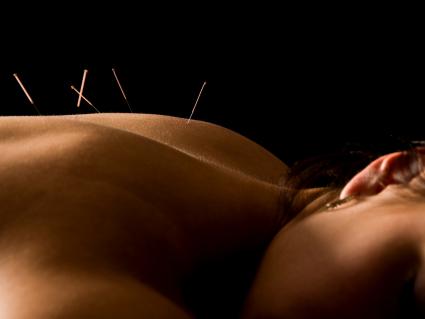
A stroke is a medical emergency that occurs when there is a bleed or blood clot within the blood vessels of the brain. This can lead to paralysis, confusion, incoherent speech, seizures or death. The rehabilitation after stroke involves occupational/physical therapy and pharmaceuticals.
TCM (Traditional Chinese medicine) has been used for post stroke treatment for thousands of years. It benefits stroke recovery by restoring the flow of qi and blood in the body to nourish the cells and inhibit further destruction of tissue. Most of the damage occurs during and soon after stroke so initiating treatment quickly is crucial for the most positive outcome. The ideal time to begin stroke recovery using acupuncture is within the first 3 days, if not sooner. Alongside other western medicine applications, acupuncture treatments should be 2-3 times per week.
Current evidence explains some of the mechanisms of acupuncture in treating stroke patients. A 2016 systematic review and meta analysis found that acupuncture ameliorates neurological deficits of stroke by promoting nerve cell production and the reduction of edema in the brain. Inhibiting edema can help prevent cell death in the brain.
Another review published in 2021 evaluated MRI results from stroke patients who had received a course of acupuncture. The MRI analyses showed that acupuncture modulates whole brain neuron-connectivity resulting in enhanced functional ability in stroke patients.
Further evidence supports acupuncture’s ability to improve disrupted sleep post stroke. There is also evidence that acupuncture provides relief from mood issues in stroke patients, such as anxiety and depression.
References:
Lee SH, Lim SM. Acupuncture for insomnia after stroke: a systematic review and meta-analysis. BMC Complement Altern Med. 2016;16:228. Published 2016 Jul 19. doi:10.1186/s12906-016-1220-z
Lu L, Zhang XG, Zhong LL, et al. Acupuncture for neurogenesis in experimental ischemic stroke: a systematic review and meta-analysis. Sci Rep. 2016;6:19521. Published 2016 Jan 20. doi:10.1038/srep19521
Zhang J, Lu C, Wu X, Nie D, Yu H. Neuroplasticity of Acupuncture for Stroke: An Evidence-Based Review of MRI. Neural Plast. 2021;2021:2662585. Published 2021 Aug 19. doi:10.1155/2021/2662585
About Rebecca Rice,, DACM; Doctor of Acupuncture &Chinese Medicine, L.AcAcupuncture for Stroke Recovery Related Blog Posts




Acupuncture for Stroke Recovery Related Services

Acupuncture
Did you know that acupuncture has been shown to be more effective than conventional treatment for migraines, back and knee pain? Acupuncture is also the complementary therapy most recommended by medical doctors (M.D.'s), and is covered under more insurance plans than ever before. No other traditional healing method has ever earned as much world-wide success, recognition and support! Acupuncture…Acupuncture
Chinese Herbal Medicine
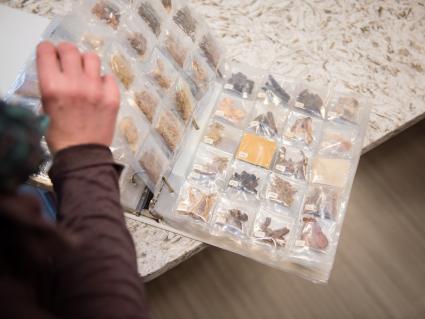
Desiring a healthier life may be your goal, but for you and millions others it can prove more challenging. You may feel that your immunity is low. You may be in a state of physiological, mental or emotional unrest. Or you may be faced with a more serious illness or chronic pain.Chinese Herbal Medicine
Acupuncture for the West
I was interviewed today by a student at SUNY Albany who was doing a paper on natural healing. At the end of a series of very well thought out questions, she asked me if there was anything else that I would like people to know about acupuncture and traditional Chinese medicine. I had to pause for a moment to consider the question before beginning to answer.
The common perception of acupuncture is steeped and clouded in mysticism and associations with the culture of China and the East. I’ve often thought about the general opinion that seems to portray acupuncture as a mysterious and magical art performed by wizened Chinese practitioners in the back of old herbal shops in China town. It has become obvious to me over the years that one of the most consistent barriers to accepting acupuncture in the West is this concept of acupuncture as a metaphysical art tied to mysticism of the East, and impenetrable to the understanding of the modern mind.
Acupuncture most likely began in China, and we owe a debt of gratitude to it’s rich history. The first manned flight was achieved in Kitty Hawk, North Carolina. And while we applaud the efforts of the Wright brothers, it is obviously a silly notion to think that the pilots and engineers of the rest of the world who aren’t embedded in American culture are unable to understand the dynamics of flight. The laws that govern flight are the same for everyone. In the same way, the laws that govern acupuncture are universal to the human being. Acupuncture is a science that requires training in a very special way of interacting with the human body to facilitate health and healing. It is a human science. And while we look to China to study the history of acupuncture, it is to the West that we must fix our gaze to see it’s further evolution.
The best research in the world on Acupuncture is now being down in countries like the U.S. and Germany. This research is helping to peel away the shroud of mystery that has separated acupuncture from the modern medical community, and kept it from being accepted as a true science by the average citizen. Acupuncture isn’t a system of magic, belief or a supernatural feat. It is a science that works with the natural systems of the human body in a way that other forms of medicine have not yet been able to. It’s value is in it’s use for the treatment all mankind, and its future will be found in its integration with the broader medical community. In this spirit, I hope that we can increase the acceptance and growth of acupuncture in the West not as an elitist or secretive mystical art, but a science of interacting with the human body in the service of all people, regardless of culture or background.
Acupuncture Insurance Coverage: Patients’ Rights, Insurers’ Responsibility
The single biggest hurdle for acupuncture in New York is a lack of insurance coverage. MVP Gold, Goldanywhere and Trivantage, as well as BlueShield of Northeastern New York’s Blue Health Plus and Aqua programs cover acupuncture. Most plans, however still lack good acupuncture coverage.
Some insurance companies have a directory of acupuncturists that have agreed to give their customers a discounted service. This is not real coverage. The acupuncturist takes a cut in his or her rates in exchange for the advertising in the insurance directory. The insurance company isn’t supplying any reimbursement.
Some NY insurance companies will provide coverage for acupuncture only when performed by a certified acupuncturist (C.A.), not when performed by a licensed acupuncturist (L.Ac.). The requirement for a C.A. is to have only 200 hours of training in acupuncture theory and practice (which may be over the internet)and only 100 hours of supervised clinical experience. A L.Ac. in contrast, is required to have earned a three-year Masters degree in acupuncture consisting of at least 1,450 hours of classroom and clinical (not internet) training, and must pass a national level examination to achieve national certification. Most Masters degree programs have well over 3,000 hours of training.
Seeing that L.Ac.’s have literally ten times the training of C.A’s, and have proven their knowledge of acupuncture by taking a national exam, why would anyone want to see a C.A. instead of an L.Ac.? A certified acupuncturist is a physician or dentist who has taken a certification course.
Insurance companies may feel that a M.D. or dentist will make a more effective and safe acupuncture therapist. A study published in The Archives of Family Medicine in 2000, however, found that medical acupuncturists reported more than twice the amount of adverse events compared to full-time acupuncturists. The difference? For a L.Ac. acupuncture is the focus of their entire day and practice, and is an extensive field in its own right.
On many occasions, I will have a client who has already tried acupuncture from a C.A. with no relief. Working with me, these same clients often see substantial relief. Not only is there financial harm to those paying for a C.A. when they could be receiving more effective care, but there is also harm to the profession of Acupuncture when patients think it can’t work for them merely because their therapist has not been adequately trained.
Seeing your physician for acupuncture is like seeing a urologist for a brain trauma. A urologist has training in the basic sciences of human health, but they are not the experts for brain trauma. Likewise with acupuncture- it is best to see the experts.
The answer? As consumers we should let our insurers know that we are aware that acupuncture is a proven therapy, and that we demand service from fully-trained professionals who are equipped to serve us best. Insisting on proper coverage is an integral part to being active participants in our own healthcare, and to helping change how medicine is practiced in our time.
Acupuncture Proven to Reduce Nausea and Vomiting…Again!
The July 2011 issue of the Journal of Anesthesia features an article comparing acupuncture to the anti-emetic drug odansetron for reducing emetic episodes (vomiting) in women having cesarean sections. Odansetron is also known as zofran, and is a very commonly used drug to prevent nausea and vomiting after surgery. The study followed 450 patients, and found acupuncture to be just as effective as zofran during, and following the surgery.
These findings come to no surprise to us at the Center. We often use acupuncture to successfully reduce nausea and vomiting in early pregnancy and during chemotherapy. There is now a consistent record in modern medical literature to support this important use of acupuncture.
In a December 2000 issue of the Journal of the American Medical Association (JAMA), we saw that acupuncture used with drug therapy was three times as effective as drug therapy alone to reduce nausea and vomiting due to chemotherapy. In a October 2001 issue of the Journal Anesthesia and Analgesia, researchers at Duke University Medical Center also found acupuncture to be as effective as zofran for post-operative vomiting, with the added benefit of providing pain relief.
What a great sense of satisfaction and purpose it gives to see modern clinical research validating ancient wisdom! The more studies are released on acupuncture, the greater it’s acceptance and use becomes.
Acupuncture, Spleen 9 & Weight Loss

How acupuncture can help with weight loss.
Acupuncture and herbs are powerful tools for ensuring digestive wellness.
Often with the turn of the new year, there is a goal to focus on our physical wellness, including weight loss. I’m often asked if acupuncture can help with weight loss, and the answer is yes, of course in conjunction with good nutrition and exercise. Both acupuncture and herbs can assist with the healthy functioning of the digestive system and metabolism.
According to Chinese medicine, excess weight is often attributed to what we refer to as dampness. Two of the main organs that deal with digestion are the stomach and spleen, and their function is to transform and transport the food and drink we take in. Dampness is not a normal diagnostic term used in western medicine, but it is easy to understand. When the spleen and stomach are working together digestion runs smoothly, water and nutrients are well absorbed, and the body metabolizes food and fluid intake well.
When these two organs are not working in harmony, due to stress, over eating or eating a lot of greasy food and even dairy, dampness can occur. Excess water in the system doesn’t move well and symptoms such as edema, swelling, bloating, gas, diarrhea or loose stools, brain fog, sluggishness, difficulty with urination, and achey joints and heavy limbs (especially if these get worse with damp weather) can be experienced.
Two points come to mind to help with weight loss. One is an auricular point on the ear called the “hunger” point or “appetite control” point as it helps with excessive appetite. The other is Spleen 9, named “Yin Ling Quan” or Yin Mound Spring, whose main function is to resolve dampness. It can be very tender when there are symptoms of dampness. It is located on the inside of the leg, under the knee in the soft spot just next to the border of the top of the tibia and calve muscle. Points are never used by themselves as stand alone treatments, so other points would be chosen to help bring back the healthy functioning of organs and systems. But if you are experiencing symptoms of dampness, self acupressure at Spleen 9 would be very beneficial.
May all your new year’s goals be manageable and attained!
Acupuncture, Stress and Infertility
Acupuncture has a positive effect on reducing stress in women experiencing infertility
One of the reasons people use acupuncture is to help them relax and to reduce stress.
A recent randomized controlled trial shows that acupuncture has a positive effect on reducing stress in women experiencing infertility. The University of Western Sydney study also found that acupuncture created feelings of relaxation and improved the coping ability of women affected by infertility. The women also reported a sense of pause and of taking a time out from stress and preoccupation with their fertility.
Recognizing Stress Contributors
Many situations can be stressors. Dealing with infertility is a unique stressor. The patient is faced with day to day reminders of their hope and desire for a child which can be emotionally and mentally overwhelming. Along with the psychological effects, the fertility patient also has physical strain put on the body as a result of medications taken to improve fertility (if they are choosing to use allopathic medicine). Side effects of fertility medications may include headache, bloating, abdominal pain and pressure, mood swings, extreme fatigue, nausea, constipation, heart palpitations, dizziness, blurred vision and hot flashes.
How Stress Affects Fertility
The effect of stress on fertility is observable in additional ways. Chronic stress causes sustained levels of cortisol and epinephrine. High levels of these stress hormones can inhibit ovulation. Sustained stress also effects blood circulation causing reduced blood flow to the uterus and ovaries. Implantation may also be impaired as stress can alter the proteins needed to secure the embryo to the uterine wall.
Acupuncture Recommendations in the Treatment of Infertility
Unexplained infertility accounts for 30-40% of infertility cases. Chronic stress is considered an influence on those diagnosed with unexplained infertility. Along with acupuncture’s ability to create a sense of ease, it improves circulation, supports ovulation and normalizes hormones. These phenomena have a huge influence on our reproductive capacity. For these reasons many Reproductive Endocrinologists (Physicians who specialize in the treatment of infertility) recommend acupuncture as an adjunct or in preparation for IUI’s, IVF cycles and medicated or non-medicated cycles. I recommend coming to an Acupuncturist as soon as a couple notices difficulty in conceiving so that the acupuncture, herbs, and diet changes can be incorporated to prepare the body for conception with the common side effect of conceiving naturally.
Resources:
Smith CA, Ussher JM, Perz J, Carmady B, Lacey SD. J Altern Complement Med. 2011 Oct 6. [Epub ahead of print]
The Effect of Acupuncture on Psychosocial Outcomes for Women Experiencing Infertility: A Pilot Randomized Controlled Trial. 1 Centre for Complementary Medicine Research, The University of Western Sydney , Sydney, Australia
Advanced New Cancer Testing: Determining Best Treatment Options

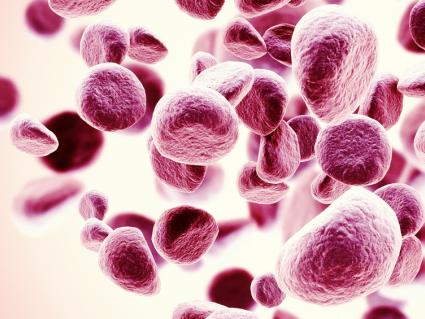
The Stram Center is excited to introduce advanced laboratory testing that offers a personalized approach to cancer therapy by testing and analyzing blood samples for the presence of circulating tumor cells (CTC’s), cancer stem cells (CSC’s), and cancer-related genetic information. CTC’s are defined as tumor cells that have been sloughed from the primary tumor and are now circulating in the blood cell or lymph. A percentage of CTC’s are recognized as CSC’s. Both CTC’s and CSC’s are responsible for cancer spread or metastasis and resistance to treatment. Therefore, knowing both the amount and characteristics of CTC’s can be very important during and post treatment.
Testing offers tumor gene expression profiling. This component of the test examines genes within cancer cells to assess its aggressiveness. This helps to understand how the tumor is likely to behave and the best ways to target it.
The test also analyzes how cancer cells respond to different therapies including chemotherapeutics and natural substances. Knowing which therapies are the most sensitive and effective can provide a roadmap for personalized treatment strategies based on the individual’s specific cancer cell profile.
Testing can be used for early detection and monitoring. Since it can detect small amounts of cancer that remain after treatment, it can be used to monitor for recurrence which allows for early intervention. Testing can be beneficial for individuals with a cancer diagnosis looking for personalized therapy options that includes an integrative approach with conventional and complimentary therapies. Testing can be done on most types of cancer but excludes primary brain and central nervous system forms of cancer since these do not typically produce CTC’s.
If there is a strong family history of cancer or other known risk factors, then a specific cancer screening tests can be performed. Testing is meant to detect cancer before symptoms appear
and accuracy is between 90-95%.
In summary, we can offer different types of cancer testing based on where one is at during one's journey. Whether it's for screening, at diagnosis, or in remission, testing can provide valuable information that can potentially improve overall outcomes.
1. Lin, D., Shen, L., Luo, M. et al. Circulating tumor cells: biology and clinical significance. Sig Transduct Target Ther 6, 404 (2021). https://doi.org/10.1038/s41392-021-00817-8
About Korey DiRoma,, N.D.Advanced New Cancer Testing: Determining Best Treatment Options Related Blog Posts



Advanced New Cancer Testing: Determining Best Treatment Options Related Services
Cancer Care
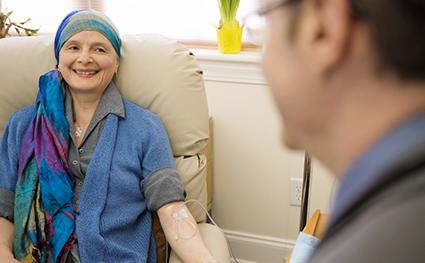
Integrative Oncology at the Stram Center The Center offers a wide variety of cancer care treatments — including IV therapy, hyperbaric oxygen therapy, acupuncture, medical massage and clinical nutrition — to combat cancer cells, help boost your immune system, reduce the side effects of chemotherapy and radiation, increase your energy, reduce anxiety and…Cancer Care
What is Integrative Medicine?
Integrative Medicine is the blending of conventional medicine with holistic, complementary and alternative medicine. Integrative Medicine is defined as healing-oriented medicine that takes account of the whole person – body, mind, heart and spirit – including all aspects of lifestyle. It emphasizes the therapeutic relationship and makes use of all appropriate therapies, both conventional…What is Integrative Medicine?
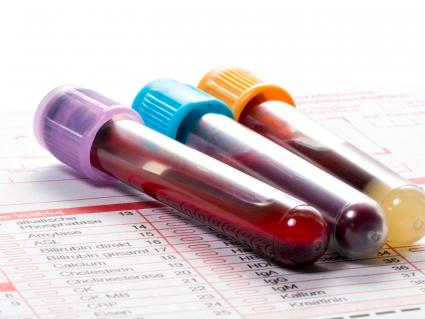
Tests We Use
The Stram Center for Integrative Medicine utilizes the most advanced and comprehensive testing available to assess root cause of illness for our established patients.A wide range of detailed and extensive diagnostic tests are accessible by the Stram Center and include highly sensitive and accurate testing . Aside from conventional medical testing, such as Complete Blood Counts,…Tests We Use
Aging & Organ Health: Goji Berry’s Role

When we think of anti-aging herbs we look beyond herbs that simply address the skin and consider those herbs that address a dysfunction in the body. Aging is not just the breakdown of skin but also the breakdown of organ functioning and their communication with the other organ systems in the body. One of the herbs that comes to mind is gou qi zi (pronounced ‘go- chee-tze’). Gou qi zi, a.k.a. goji berry, has been used classically to address aging related issues such as visual decline. You will find this herb as a common addition to formulas that address ‘kidney and liver deficiency.’ For the goji berry, youth preservation ties into healthy organ function, immune function, cellular nourishment and the mitigation of cellular damage.
Gou qi zi benefits organs and cells by supporting the yin of the liver, kidney and also the lungs. When yin is deficient there is dryness, rigidity and diminished stamina. Undernourished organs and cells cannot process biochemical interactions or sufficiently maintain the health of the whole organ and body.
Breaking down the concept of yin for the above mentioned organs, yin correlates to liver blood, kidney essence and moisture in the lungs. These aspects of yin in each of these organs must be adequate for them to function optimally. Yin (blood) deficiency in the liver can lead to blurry vision or decreased visual acuity. Yin (essence) deficiency in the kidneys can lead to reproductive issues, or soreness in the back and knees. Yin (moisture) deficiency in the lungs correlates to persistent dry cough.
From a biomedical point of view, gou qi zi has been found to secure liver health by reducing serum liver enzymes such as alanine aminotransferase (ALT) and aspartate aminotransferase (AST) (1). The herb has also shown that it mitigates the continued effects of alcohol induced fatty liver damage by decreasing total cholesterol, serum triglycerides, and low density lipoprotein (LDL) and by increasing high density lipoprotein (HDL) (2). Additionally, gou qi zi administration has been shown to have a protective effect on antioxidant levels by blocking their degradation caused by alcohol (1).
Of course, as with any Chinese herb, they are usually always used within a properly designed formula to address the individual, based on the Chinese medical diagnosis. Also, there are cases where gou qi zi would not be suitable for someone, namely those with spleen qi deficiency and dampness.
References:
1. Cheng, D., & Kong, H. (2011). The effect of Lycium barbarum polysaccharide on alcohol-induced oxidative stress in rats. Molecules (Basel, Switzerland), 16(3), 2542–2550. https://doi.org/10.3390/molecules16032542
2. Lu, K. H., Liu, C. T., Raghu, R., & Sheen, L. Y. (2012). Therapeutic potential of chinese herbal medicines in alcoholic liver disease. Journal of traditional and complementary medicine, 2(2), 115–122. https://doi.org/10.1016/s2225-4110(16)30084-0
Rebecca Rice DACM (Doctor of Acupuncture & Chinese Medicine), L.Ac