All Calories Are NOT Equal

A common myth is that it's all about calories and all calories are equal.
There are so many food messages out there these days that it can be a bit overwhelming and confusing to know what’s true. A common myth is that it’s all about calories and all calories are equal. When we read a food label and it says low calorie or no calories, that doesn’t mean it’s healthy or neutral in the body. One variation on this theme is “no sugar” or “no sugar added” label claims. What this really means is that sweetness has been added with artificial sweeteners like aspartame, sugar alcohols like erythritol or even fruit juice concentrate like white grape juice or apple juice. When you read the smaller print label on these foods, you will find ingredients that may not add calories but instead add chemicals or fake sugars or concentrated sweeteners. Some studies suggest that the taste of sweet alone can create cravings for more or even blood sugar issues like Type 2 Diabetes. Food manufacturers, like any business, want repeat customers. They have food scientists who work to create these low-calorie foods in a way that leaves us wanting more. It’s easy to zero in on a low-calorie label without knowing how it was actually created. The ingredients in our food are more important than the claim the label makes.
Food is more than calories, it’s molecules of information. Chemicals are toxins and create problems for the body. Our body is designed to translate the messages of real food not fake food. No one ever reports to me that they went on an apple-eating binge because an apple is a real whole food. On the contrary, it’s easy to overeat “low calorie” foods because they leave us unsatisfied and undernourished. In the end, we lose when we focus on calories alone. To be healthy we need to look beyond calories to find the power of real food:
Here are the simple tips to get around the confusing food label messages.
1.Avoid foods with labels: Marion Nestle, the famous NYU nutritionist, speaks about the rule of 5. If any food has more than 5 ingredients-don’t eat it. If any one of those 5 ingredients are unknown to you - it’s best to skip. The best focus is real food without labels.
2.No fake sweeteners: Equal, Sweet ‘n low, Truvia, Splenda, Nutrasweet are all fake and should be totally avoided. They don’t add calories but they are chemicals. The newer sweeteners are sugar alcohols like Malitol/erythritol and can create some intestinal symptoms including loose stools. Fake sweeteners have been connected to many health challenges and should not be consumed.
3.Use common sense: if there is a food that sounds too good to be true, it probably is! When there are promises like all the flavor or pleasure without calories - it’s likely fake in some way and best to avoid.
Let go of the focus on calories and get acquainted with real food. Start cutting out these low calorie labeled foods and shift to foods without labels than can replace them. They have the message your body looks for to be healthy.
Allergies and Cross Reactions | Why Does This Happen?
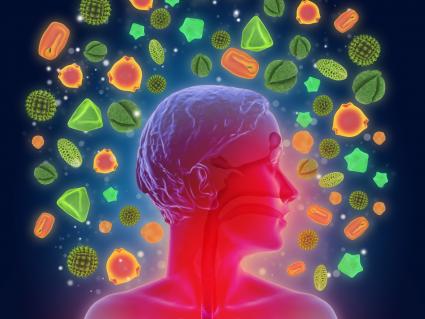
Cross reactivity is caused by.....
Many individuals complaining of environmental allergens find that they also have or develop allergies or reactions to other items in the environment or foods. If you are one who suffers from spring allergies, you may be suffering and the symptoms can be anywhere from brain fog to skin rashes. If you have noted that your allergies are more severe than previous years, or after eating certain items, symptoms such as itching eyes or sneezing are increasing in intensity, that is most likely not coincidental. These cross reactions are known as Oral Allergy Syndrome (OAS) or Pollen Fruit Syndrome (PFS). The cross reactivity happens because the proteins appear similar to the allergen our body is already responding to; and eventually the immune system can start to react to these cross reactive items. Generally, these cross reactive foods will not cause long term reactions, but it can occur.
The best thing to do is be aware of these cross reactions and avoid them during the height of your allergies; but also there is an array of supplements that can assist to decrease your response to allergens and their cross reactions: probiotics, quercetin, stinging nettle, bromelain. As well as supporting methylation with items such as methyl b12, b6, and folate or NAC or glutathione are just a few items that can help.
Please refer to chart below by Sussman (2010) for some most common cross reactions to be aware of:
| Pollen | Fruit | Vegetables/spices | Nuts/seeds/legumes |
| Alder | Apples, cherries, peaches, pears | Parsley, celery | Almonds, hazelnuts |
| Birch | Kiwi, apples, pears, plums, peaches, nectarines, apricots, cherries, tomatoes | Celery, carrots, potatoes, parsnips, green peppers, dill, cumin, peas, cilantro, fennel | Hazelnuts, walnuts, almonds, peanuts, lentils, beans |
| Grass | Melon, watermelon, oranges, tomatoes | Potatoes | Peanuts |
| Mugwort* | Celery, carrots, dill, parsley, fennel, coriander, cumin | Sunflower seeds | |
| Ragweed | Watermelon, cantaloupe, honeydew, bananas | Zucchini, cucumbers, squash |
References:
Sussman, G., Sussman, A., & Sussman, D. (2010, August 10). Oral allergy syndrome. Retrieved from https://www.ncbi.nlm.nih.gov/pmc/articles/PMC2917934/
Alzheimer’s Disease and Sugar—Is There a Connection?

According to the Alzheimer’s Association, more than 6 million people in the US are living with Alzheimer’s Disease. This number is expected to reach 13 million by 2050. 33% of seniors die from Alzheimer’s or dementia which is more than deaths from breast cancer and prostate cancer combined. There is no exact known cause for Alzheimer’s, but genetics do increase risk as well as other environmental and lifestyle factors.
Carriers of the gene apolipoprotein E4 (APOE-e4) have a slightly increased risk for developing Alzheimer’s. The presence of this gene also increases risk of atherosclerosis (plaque in the arteries) as LDL (or bad cholesterol) increases. There is also a connection between high cholesterol and atherosclerosis and other types of dementia, such as vascular dementia2.
In Alzheimer’s disease, abnormal protein plaques called beta-amyloid and tau proteins form and accumulate in the brain. There is evidence that these proteins are heavily GLYCATED. In general, glycation is the process by which sugar molecules “stick” to proteins and fats. When it sticks to your red blood cells, it is called glycosylated hemoglobin, or HgbA1c. When sugar sticks to proteins, over time, they become oxidized and form advanced glycation end products, or AGEs. In diabetics, AGEs are responsible for many of the co-morbidities associated with diabetes such as atherosclerosis, heart disease, stroke, neuropathy, and dementia...
What about in Alzheimer’s Disease? Beta-amyloid plaques from those with Alzheimer’s Disease were found to have 3 times more AGE’s than age matched controls. Additionally, based on research, we know that those with diabetes have an increased risk for developing Alzheimer’s Disease, and older women with diabetes are more at risk than older men.
Currently there is no cure for Alzheimer’s Disease and medications have not been very effective. Recently a new medication, aducanumab, was approved by the FDA, but not without some controversy regarding its effectiveness. This medication is a monoclonal antibody that attacks the beta-amyloid proteins to reduce the size of the plaques.
But are there other ways to prevent and reduce plaques?
There have been studies that have shown that a ketogenic diet can improve cognitive performance in those with Alzheimer’s Disease. A ketogenic diet is essentially a high fat, low carbohydrate diet. With the lack of glucose or sugar as fuel, the body starts burning fat for fuel instead. The fuel is called a ketone. Nutritional ketosis is not harmful to the body. It appears that as we age, sugar becomes worse for us… It is ironic that these advanced glycation end products that are so damaging to the body and associated with dementia, are called AGE’s!
Studies have shown that regular, moderate aerobic exercise can reduce risk of developing Alzheimer’s Disease by 30-50%. There are multiple mechanisms involved such as increased blood flow and oxygen to the brain, improving cholesterol, and reducing blood sugar. Exercise has also been shown to improve mood and cognition in those who already have Alzheimer’s Disease.
Berberine is an active ingredient in herbs such as Coptis and Goldenseal. It has been shown to have strong blood sugar lowering and triglyceride lowering effects. Berberine can be taken as a supplement with the combination of diet and exercise for improved blood sugar control.
Ultimately there is not one treatment for Alzheimer’s Disease as medications so far have not proven to be very effective. But taking a whole person approach by investigating lifestyle and metabolic indicators can help to prevent and even reduce the symptoms of Alzheimer’s Disease.
2. https://www.frontiersin.org/ar...
3. https://www.sciencedirect.com/...
4. https://www.ahajournals.org/do...
5. https://www.jbc.org/article/S0...
6. https://www.karger.com/Article...
7. https://www.ncbi.nlm.nih.gov/p...
8. https://alzres.biomedcentral.c...
9. https://content.iospress.com/a...
10. https://www.ncbi.nlm.nih.gov/p...
11. https://www.ncbi.nlm.nih.gov/p...
Alzheimer’s Disease and Sugar—Is There a Connection? Related Blog Posts



Alzheimer’s Disease and Sugar—Is There a Connection? Related Services
Naturopathic Medicine
Much like a general practitioner, a naturopathic doctor manages a broad range of health conditions affecting all people of all ages. However, naturopathic medicine is a distinct system of primary health care, distinguished by the healing principles upon which its practice is based.Naturopathic Medicine

Nutritional Counseling
The practitioners at the Center recognize that diet is often the basis for your heath and your potential to heal. Adopting a healthy diet is often the first step towards correcting health problems. Many medical conditions can be treated more effectively when the patient implements specific diets and uses nutritional supplements. These interventions afford fewer complications and side effects than…Nutritional Counseling
Lifestyle and Prevention
Nutrition is an essential component to preventative health, and is one of the most modifiable factors in our lives. Embracing a proper diet for your body has the power to positively impact your health on all levels, helping you reach your own distinctive state of wellness.Lifestyle and Prevention
Amazing Patient Story

The Stram Center team is grateful to have an impact on Sarah’s young life and her family and bring hope to others who suffer from tick borne illnesses. Healing Can happen. Listen to Sarah’s story.
DELMAR, N.Y. (NEWS10) — When doctors in Ireland claimed a little girl’s paralysis was psychosomatic, her parents refused to accept the diagnosis and instead travelled thousands of miles to a clinic in Delmar, New York where they say their 9-year old was successfully treated for Lyme Disease.
An Acu Point to Calm the Mind: Heart 7

Acupuncture and self-acupressure can be lovely ways to restore peace and harmony to the mind and spirit. A point on the heart channel does just that specifically.
This time of year can often stir up quite a bit of emotion, from excitement and anxiety to sometimes sadness and fear. Acupuncture and self-acupressure can be lovely ways to restore peace and harmony to the mind and spirit. A point on the heart channel does just that specifically. The point is Heart 7, named “Shen Men” which translates to Spirit Gate. It is located on the under side of the wrist (palm side) at the crease along the pinky finger side, just inside the little tendon you can feel on that side. Apply gentle pressure and hold. Or request this from your acupuncturist.
According to Chinese Medicine, the organs have functions beyond their physiology. One of the functions of the heart is to store the mind and spirit. Unlike in Western culture where the mind and heart are viewed and talked about as separate (“my mind is telling me one thing, but my heart another...”) according to Chinese understanding culturally and philosophically, there is no separation between the heart and the mind—the mind lives inside the heart. And “the state of the heart will affect the mental activities including the emotional state.”
When there is disturbance of the heart, this can manifest as anxiety, agitation, restlessness, sadness, poor memory, palpitations of the heart, and most often as insomnia. “If the heart is weak, the mind has no residence and it will ‘float’ at night causing inability to fall asleep, disturbed sleep, or excessive dreaming.” Conversely, “if the heart is strong, a person will fall asleep easily and sleep will be sound.” Heart 7 can address these symptoms by restoring balance to the heart and soothing it.
May your sleep be sound this holiday season bringing you peace of mind, restorative healing and rejuvenation!
Sources:
The Foundations of Chinese Medicine by Giovanni Maciocia
A Manual of Acupuncture by Peter Deadman
An Integrative Approach to Cardiovascular Health

Cardiovascular disease is the number 1 killer of Americans in both men and women. Diet and exercise play a very large role in obtaining or maintaining heart health; regular aerobic exercise, whole foods, and a plant-based diet is recommended to improve your heart health. Alcohol, caffeine, and refined sugar impair cardiovascular health and therefore should have limited consumption. Additionally, smoking is detrimental to cardiovascular health, and it should be discontinued entirely.
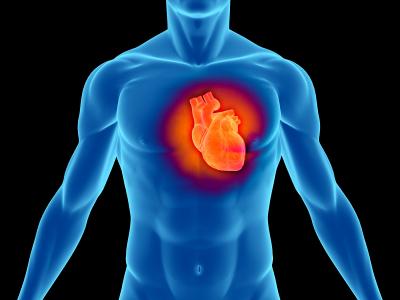
Muscles in the body contract when you move. The heart is different is this respect and therefore requires a constant supply of energy that comes primarily from oxygen. The heart pumps oxygen rich blood to other parts of the body, but it first feeds itself through by way of the coronary arteries. These arteries supply blood and therefore oxygen and nutrients to the heart muscle so that it can continue to contract. Atherosclerosis is the process in which these arteries become blocked or “clogged” with plaque which reduces the amount of blood that can get to the heart muscle. Once fully blocked, no blood can get to the muscle, therefore no oxygen or energy, and the muscle can no longer contract. This is referred to as a “heart attack” and if severe, it can be fatal.
Resveratrol is an antioxidant compound found in plants that include grapes, peanuts, and pistachios. It is found in high amounts in red wine which is why it is thought that red wine may have some cardioprotective properties. Research has shown that resveratrol can help improve the function of coronary arteries and therefore potentially reduce or prevent plaque in the arteries. It has also been shown to reduce LDL or “bad” cholesterol which is also partly responsible for plaque formation. As an antioxidant, resveratrol can also reduce inflammation and lower c-reactive protein which is a blood test for inflammation.
Other supplements that are beneficial for cardiovascular health are CoQ10, taurine, magnesium, Hawthorne, and fish oil. Each have different mechanisms of action, and with the correct combinations and dosages it can be a very effective tool along with diet and exercise to ensure a healthy heart.
About Korey DiRoma,, N.D.An Integrative Approach to Cardiovascular Health Related Blog Posts



An Integrative Approach to Cardiovascular Health Related Services
Naturopathic Medicine
Much like a general practitioner, a naturopathic doctor manages a broad range of health conditions affecting all people of all ages. However, naturopathic medicine is a distinct system of primary health care, distinguished by the healing principles upon which its practice is based.Naturopathic Medicine
Lifestyle and Prevention
Nutrition is an essential component to preventative health, and is one of the most modifiable factors in our lives. Embracing a proper diet for your body has the power to positively impact your health on all levels, helping you reach your own distinctive state of wellness.Lifestyle and Prevention
Integrative Medicine
Integrative medicine is the blending of conventional medicine with holistic, complementary, and alternative medicine. Integrative Medicine is defined as healing-oriented medicine that takes account of the whole person (body, mind, heart and spirit), including all aspects of lifestyle. It emphasizes the therapeutic relationship and makes use of all appropriate therapies, both conventional and…Integrative Medicine
Nutritional Counseling
The practitioners at the Center recognize that diet is often the basis for your heath and your potential to heal. Adopting a healthy diet is often the first step towards correcting health problems. Many medical conditions can be treated more effectively when the patient implements specific diets and uses nutritional supplements. These interventions afford fewer complications and side effects than…Nutritional Counseling
An Integrative Approach to Epilepsy

A seizure is an episode of change in neurologic function caused by dysfunctioning electrical activity in the brain. Epilepsy is an umbrella term for sudden, recurrent, and episodic seizures which are grouped into several categories based on associated symptoms. Approximately 10% of the population will have a seizure in their lifetime and a little over 50% of patients diagnosed with a new seizure will enter remission with conventional treatment.
Common causes of seizures include but are not limited to: injury at birth, head trauma, infections, metabolic disorders, genetic disease, toxic conditions, brain tumors, degenerative brain disease, stroke, or idiopathic - where no apparent cause of neurologic dysfunction is present. Chemical imbalances that often lead to higher susceptibility to seizures are further disrupted by exposure to environmental neurotoxins and nutritional deficits. Therefore, it is imperative to identify and treat the cause(s) of the seizure in order to provide the most effective treatment possible. In addition to identifying and treating the cause and using anti-epileptic drugs, there are a plethora of effective integrative treatment methods to help better control seizures.
Nutritional interventions, such as implementing a ketogenic diet, controlling serum glucose, and addressing deficiencies of vitamins, minerals, amino acids, and antioxidants have also been found to be beneficial adjuncts in treatment for seizure disorders.Psychological interventions, such as relaxation, cognitive behavior therapy, and biofeedback, have shown benefit when used in conjunction with anti-epileptic drugs for improved seizure control. Regular practice of meditative types of yoga has been shown to have benefits in reducing intensity and frequency of seizures.
By implementing as many integrative tools as we can, such as the few examples mentioned above, we can vastly improve the quality of life and outcomes in patients with seizure disorders
An Integrative Approach to Epilepsy Related Blog Posts

An Integrative Approach to Epilepsy Related Services
Integrative Medicine
Integrative medicine is the blending of conventional medicine with holistic, complementary, and alternative medicine. Integrative Medicine is defined as healing-oriented medicine that takes account of the whole person (body, mind, heart and spirit), including all aspects of lifestyle. It emphasizes the therapeutic relationship and makes use of all appropriate therapies, both conventional and…Integrative Medicine
Nutritional Counseling
The practitioners at the Center recognize that diet is often the basis for your heath and your potential to heal. Adopting a healthy diet is often the first step towards correcting health problems. Many medical conditions can be treated more effectively when the patient implements specific diets and uses nutritional supplements. These interventions afford fewer complications and side effects than…Nutritional Counseling

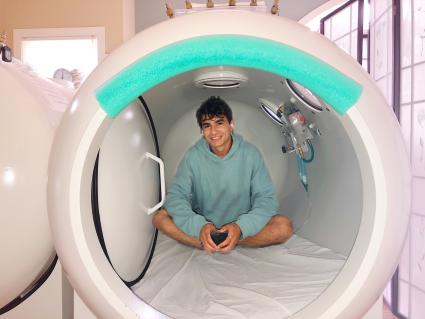
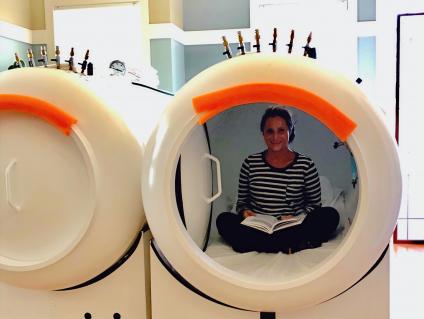
Hyperbaric Oxygen Therapy
Dedicated to treating the root cause of illness and using the most advanced integrative methods in a safe environment, the Stram Center for Integrative Medicine, under the medical supervision of Dr. Ron Stram, will utilize the benefits of hyperbaric oxygen therapy (HBOT) to complement and enhance the healing process in both chronic and acute conditions of our patients. You will…Hyperbaric Oxygen Therapy
An Interview with Dr. Stram: How Effective are the Current Conventional Treatments for Lyme Disease?

In this interview, we asked the founder of the Stram Center, Dr. Ronald Stram, how effective current antibiotic protocols are in regard to Lyme disease treatment. Dr. Stram has devoted his career to those suffering from chronic illnesses, specifically tick-borne diseases. Since 2003, the Stram Center has served nearly 10,000 patients suffering from Lyme disease all across the globe. Dr. Stram discusses how ineffective and potentially dangerous a single dose of doxycycline is without the proper testing of the tick species, and careful evaluation of the symptoms now and over the next three months. Furthermore, Dr. Stram reviews antibiotic effectiveness, and the Stram Center’s unique approach to treatment.
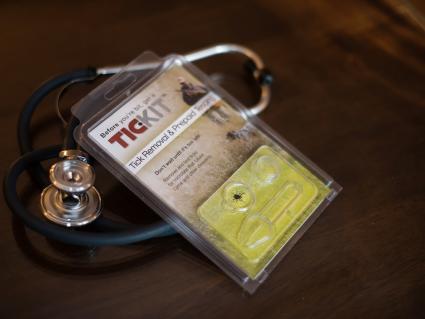
If you just got bit by a tick, now what should you do?
If you notice a red mark on your skin, regardless of the duration of the bite itself, the infection could be present in your body. Even with a tick attachment of fewer than three hours, disseminated Lyme disease is still a risk. So, if you find a tick on your skin, you should test it immediately through the 6-panel test on www.tickcheck.com.
How about taking a single dose of doxycycline after a tick bite?
The use of a single dose of doxycycline was initially established as a treatment for a tick bite from a small, limited study. There was only a 4-week follow-up after the initial infection; therefore, the study lacked the needed long-term research to demonstrate the complex challenges of this disease. The onset of clinical symptoms can take anywhere from 1-3 months to occur. Therefore the 4-week follow-up is not sufficient for an accurate treatment plan because you would be missing a significant number of potential symptoms that progress after four weeks.
Is a single dose of doxycycline potentially dangerous?
Multiple species need to be addressed in tick-borne illness diagnosis and treatment options. For example, the Babesia and Bartonella species need different antibiotic prophylaxis and treatment than the Lyme or other Borrelia-like species. Imagine you were given one dose of doxycycline after a tick bite, or just three weeks of treatment for your tick bite and supposed Lyme prophylaxis, however, that tick was from Babesia or Bartonella. Now fast forward a few weeks later, after your single dose of doxycycline, and you have additional progressive symptoms. You have a medical team telling you that there is no way that your symptoms are Lyme disease because your treatment was adequate; you feel unheard. This is why understanding the breadth of symptoms and the need for testing of other coinfections is so critical for identifying the diagnoses.
Are Antibiotics Effective for Lyme Treatment? If so, what duration?
The Lyme bacteria is one of the slowest growing bacteria known to humankind; it only starts to replicate after around seven days after the infection. After that, they double in population every 1-2 days. Antibiotics kill bacteria when they replicate. Therefore, if the replication is slow, it will be necessary for the duration of treatment to capture the growing bacteria. If you give a patient the antibiotics before the bacteria has replicated, they are not effective. This is why even a short course of antibiotic therapy for tick-borne illnesses is most likely inefficient against this slow, deliberate, and stealth-growing bacterium. The use of antibiotics before the bacterium has replicated can encourage the persistent form of the bacteria. This persistent state of the Lyme bacteria may not be activated out of dormancy until some other immune-complicated reaction occurs, such as COVID-19.
So how do you treat Lyme at the Stram Center?
At the Stram Center, my team and I follow integrative protocols that involve a complete analysis of our patients in every aspect of their health. We create customized treatment plans based on dietary changes, including gluten-free, anti-inflammatory, or dairy-free diets; we assess the need for antibiotics when appropriate, including IV antibiotics; and we also recommend herbal supplements, as they are essential in supporting the whole body during your treatment. I am truly honored to help those suffering from this disease; integrative medicine celebrates the physician-patient relationship, nurtures this partnership, and empowers the healer within.
The next series in our May newsletter on Lyme disease will focus on testing and specific treatment protocols that we offer.
An Interview with Dr. Stram: How Effective are the Current Conventional Treatments for Lyme Disease? Related Blog Posts



An Interview with Dr. Stram: How Effective are the Current Conventional Treatments for Lyme Disease? Related Services
Lyme Disease
Lyme Disease Diagnosis and Treatment in Delmar NY and Burlington VT offices At the Stram Center we vow to continue our education on Lyme Disease research, stay up to date on the most effective testing and all the safe available therapies. Moreover, our years of experience in treating patients according to the whole person-integrative medicine approach allows us the most effective way to care…Lyme Disease
An Ounce of Prevention

See below for a yummy butternut squash and sweet potato soup!
Benjamin Franklin wisely said, an “ounce of prevention is worth a pound of cure”. In today’s language we would call him an early adopter. He was already thinking the way an integrative or functional medicine practitioner thinks. In Functional medicine, we talk about upstream influences on health and well-being. That means we look for patterns, lifestyle habits, genetics, test results and other factors that have the potential to create an imbalance in the body. We all agree in all forms of life that catching something in its early stages makes it so much easier to handle. The body is designed to inform us when we are out of balance at the beginning stages. It’s so easy to ignore signs like fatigue, low energy, poor sleep, or minor digestive issues as no big deal. Sometimes that can be true but many times we see a pattern where the body starts by whispering to us, then talking to us, and finally yelling at us to pay attention. Nobody can feel great when we eat poorly, get little sleep, or are under a great deal of stress. We can count on our body to let us know when things are not working. As we move into the holiday season of many celebrations, events, parties and indulgent foods, now is the time to plan how we want to take care of ourselves so we don’t end up getting sick and run down the new year. From my clinical experience, I believe many of the cold and flus that come in the winter are a result of patients getting run down in the holiday season.
Tips for taking care of yourself in the spirit of prevention:
1.Don’t get over hungry or go to a party hungry- this will lead to bad decision-making! Keep protein-based snacks on hand like nuts and seeds, nitrate free jerky, unsweetened yogurt, apple with organic peanut butter, KIND bars-nuts and spices variety. That way when you arrive to your event you can make good choices.
2.Plan ahead to have a well-chosen treat. It’s not realistic to think that through the course of the entire holiday season you won’t eat some treats. However, often the things we eat don’t really taste amazing or we often don’t even remember eating them. By planning ahead can decide when you’ll have a special dessert, or a glass of wine or particular food that you truly love.
3.Think ahead about how you want to feel in the new year. New Year’s Day is traditionally the time of resolutions that often include diet and exercise improvements. By creating your intention in the fall of how you want to move through the holidays, January will become a time of refining rather than starting over
Most things in life are about creating balance and the body naturally looks to find balance. The good news is by supporting lifestyle habits like food and exercise we help the body stay in balance and prevent small things from growing into big things. Make a choice to take care of yourself the best way possible!
Here is a delicious Butternut Squash and Sweet Potato Soup Recipe:
Prep time 20 mins
Cook time 25 mins
Total time 45 mins
Serves: 4-6
Ingredients
1 tablespoon coconut oil
1 yellow onion, diced
1 medium butternut squash, peeled and cubed (5-6 cups)
1 medium sweet potato, peeled and cubed (1 cup)
1 green apple, peeled, cored, and cubed
3 cups low-sodium vegetable broth
1 teaspoon cinnamon
½ teaspoon curry powder
¼ teaspoon ground ginger
pinch nutmeg
½ cup light coconut milk
1 teaspoon sea salt
optional toppings: pepitas and radish sprouts
Instructions
1. Heat coconut oil in a dutch oven or large stock pot over medium-low heat. Add onion to pot and cook until translucent (5-7 minutes).
2. Add in the butternut squash, sweet potato, apple, vegetable broth, cinnamon, curry powder, ginger, and nutmeg. Gently stir.
3. Turn up the heat to medium-high, cover, and cook for 20-25 minutes or until veggies are fork-tender. Turn off heat.
4. Using an immersion blender, begin to pureé the soup, adding in the coconut milk and sea salt after a few minutes. (be patient as it will take 5-8 minutes to get your soup silky smooth depending on the strength of your immersion blender).
5. Serve warm and topped with pepitas and radish sprouts, if desired.
6. Store leftovers in refrigerator.
Adapted from: http://blissfulbasil.com/2014/03/14/butternut-squash-sweet-potato-soup/
Analysis of Lyme: Attachment, Transmission, Stages, Challenges, and Treatment
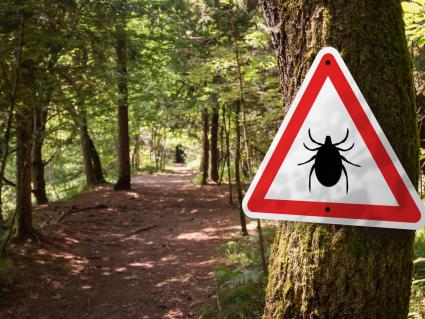
In this analysis of the current literature and research on Lyme and tick borne illnesses by Dr. Ronald Stram and medical assistant, Ahn Vo. Starting with an overview of its history; tick attachment time and rate of transmission; stages of infection and related symptoms; challenges in Lyme and testing; and antibiotics versus combination therapy. This throughout analysis contains a wealth of information for those who want to expand their knowledge about Lyme and it's complexity.
Lyme Disease and Tick-borne Illness
According to the CDC, Lyme disease (LD) is the most common vector-borne disease reported in the United States [1]. Typically, patients that are diagnosed early and treated accordingly are returned to health. Tick endemic areas of the United States not only have Lyme to contend with but other tick-borne illnesses such as Rocky Mountain spotted fever, Babesia, Bartonella, ehrlichiosis, and more [2]. Since ticks are such excellent vectors of many diseases, pathogens, and viruses, anyone bitten by a tick should test the tick they pull off. However, regardless of the tick testing being negative any new onset of symptoms following the bite should be addressed.
Tick Attachment Time and Rate of Transmission
Removal of the tick, even prompt removal does not guarantee prevention of disease. Many guidelines state that the risk of infection by LD (and by extension tick-borne illness) increases the longer the period the tick is attached. These guidelines state that transmission of infection occurs when the tick is attached >24 hours even up to 72 hours [3]. A study in 1987 by Piesman et al., looked at the rate of infection of hamsters and mice based on length of time of tick feeding. This study demonstrated a 7% infection rate of the rodents at <24 hours, 33% at <48 hours and 93% at <72 hours [4]. According to a review by Cook, the confidence interval for transmission <24 hours is ±13.37% and for <48 hours is ±24.63%. Respectively the probability for transmission can be as high as 20.37% within 24 hours and 57.63% within 48 hours [3]. A second study by Piesman in 1993 demonstrated similar data, 7% infection rate at <36 hours, 25% at 42 hours and 75% in 48 hours [5]. Another study in 1993 by Shih and Spielman, also concluded that infection typically happened when the tick fed for 2 days. However, they also found in another experiment that ticks that had partially fed could re-attach to a new host and in 24 hours there was a 83% infection rate [6]. This has significance to patients with companion animals.
Unfortunately, these studies do not confirm claims of the prevention of infection with removal of the tick within 24-72 hours of attachment. Once ticks are attached, they release their saliva which is a mixture of antihistamines, cytokine inhibitors and anticoagulants through the course of their meal. The explanation that was proposed for the alleged time delay between attachment and transmission of infection by the tick was due antigenic changes the B.burgdorferispirochete would need to undergo to infect humans and travel from the gut of the tick to its salivary glands [3,7-9]. Piesman et al. identified bacteria present in the salivary glands of infected ticks before and during feedings [10]. It was shown by Lebet and Gern that 11% of nymphs, collected in the field, were systemically infected and by Leuba-Garcia et al. that 36% of adult ticks collected in Switzerland were systematically infected [11]. Although the exact time of tick attachment leading to transmission of disease has not been determined, the above suggests that every tick bite for any length of time cannot be ruled out and should be considered a potential point of infection. A limitation of the above studies is that attachment time relation to infection rate has not been tested in humans or in clinical trials and guidelines have been based purely from mice studies.
Lyme Disease Stages of Infection and Related Symptoms
The doubling time of B. burgdorferi is slow at approximately 12 hours [12]. This can affect presentations of symptoms. Patients can be asymptomatic until later stages of the infection. Symptoms of LD can present in one of three stages (if left untreated): early localized disease (<30 days from bite), early disseminated disease (< 3 months after bite), and late disseminated disease ( >3 months after bite). The early localized disease stage is characterized by erythema migrans, fever, arthralgia and/or headache. The early disseminated stage is characterized by additional symptoms of lymphadenopathy, atrioventricular block, tachyarrhythmias, and/or motor or sensory radiculopathy. The late disseminated stage is characterized by oligoarticular arthritis, encephalopathy, and/or encephalomyelitis [13]. However, it is of note that this list is not exhaustive, and symptoms may not appear in tandem. Some other common symptoms are: sweats, chills, achiness, malaise, sleep disruption, and myalgia [14].
Challenges in Lyme Disease and Tick-borne Illness Testing
Not only does the slow doubling time of B.burgdorferi affect symptom presentation but it also affects the types of viable testing available for diagnosis. The culturing of B.burgdorferi is therefore difficult (taking 12 weeks to be seen) and lacks sensitivity [15,16]. In addition, the window of time of bacteremia in which PCR can be used to detect is quite short making it hard to use for diagnostic purposes. It is for these reasons that the longer lived antibody IgM and IgG reactions are used in serology detection testing in blood [17].
The two-test or two-tier approach (TTS) for active or previous infection of lyme disease was proposed in 1994, using a sensitive enzyme immunoassay (EIA) or immunofluorescent assay (IFA) followed by a Western immunoblot. Positive or equivocal EIA or IFA would be confirmed by a Western immunoblot and negative EIA or IFA meant no further testing was needed [18]. An EIA uses an antigen to measure the subject’s blood’s antibody (IgG and IgM) response to that antigen quantitatively. The Western immunoblot detects antibody response (IgM or IgG) to a set of select antigens (seen as the bands on testing) taken from cultured lysates . The antibody response is then determined by the intensity of the bands compared to the control. The presence of multiple certain bands indicates a positive test result. One drawback to the TTS and the later developed modified two-tiered approach (MTTT) is that there is a gap in time between infection and the body’s development of antibodies where the test has little sensitivity [18-20]. In such cases, clinicians should obtain an acute and convalescent-phase serologic analysis due to this decreased sensitivity in the first few weeks of LD. Another drawback being that IgG antibodies can last for years and the information given by these tests is limited to merely indicating exposure to B. burgdorferi and they cannot give any indication to new, past or reinfection [17,19].
Some other common alternative tests for LD include Immunoblots (line blots), PCRs (polymerase chain reaction tests) and cerebrospinal fluid (CSF) analysis. Some other alternative testing media for these tests include skin biopsy, urine, and joint fluid. Immunoblots solve some of the reproducibility problems in Western blots, where the intensity of bands is determined visually. Instead Immunoblots take purified or recombinant proteins of B. burgdorferi placed in certain areas of the blot and then analyzed with densitometry (uses difference in transmitted and incident light to determine band intensity) [21,22]. Unfortunately, Immunoblots share drawbacks with Western immunoblots, and are also largely dependent on the development of antibodies to B. burgdorferi and limited to indicating exposure. PCRs do have some utility in providing specific evidence of B. burgdorferi nucleic acids in various media. However, low sensitivity, short testing window (in blood) and risk of sample contamination restrict its utility [22,23]. CSF analysis, similar to PCR, has a low yield of results due to transiency of spirochetes in blood as a result of high spirochete tropism to tissues such as the joint, heart, meninges, etc. [23,24]. Although the tests listed have varying benefits they have their own drawbacks and are best used to supplement clinical diagnosis.
Erythema Migrans as a Diagnostic Indicator
The early diagnosis of LD relies heavily on clinical diagnosis due to limitations in testing. Therefore, it is imperative to recognize early LD symptoms. In particular, the absence (or assumed absence) of the most common symptom used as an indicator of Lyme disease, erythema migrans (EM), does not definitively rule out LD. Erythema migrans has been estimated to present in more than 70% of early cases. While 27.5% of cases had arthritis, and 1.5% had carditis. Neurologic manifestations were seen in 12.5% of cases [25]. This estimate of high EM incidence causes both patients and clinicians to rely heavily on the presentation of this rash for diagnosis and initiation of treatment.
Diagnostic difficulties as a result of variation in erythema migrans presentation
Even if a patient presents with a rash following a bite it may be difficult to identify EM. Their EM rash can be misidentified as another type of bite or skin disease. There are other variations of the presentation of the rash that clinicians might not be aware of such as: homogenous regions without central clearing, lesions with more intense or dusky central regions [26-28], or a vesiculobullous or hemorrhagic center [29]. This leads to over and/or underdiagnosis of EM. In a study by Schotthoefer et al., a dermatologist and family practitioner with experience in early LD reviewed lesions of 69 participants suspected of having early LD. Of the 69 lesions, 51% of the lesions were identified as EM, 10% as possible early EM, 23% as tick bite reactions and 16% as non-EM reactions. During the initial review the reviewers agreed on the interpretation of 42 of the 69 lesions. The other 27 lesions had to be reevaluated due to disagreement in diagnosis. Of the 35 (51%) EM lesions, only 2 (6%) had a ring-within-a-ring or a bulls-eye pattern. The rash can present in a few days up to 30 days from the initial tick bite. Patients on average in the study reported onset of their EM rash 7.5 days after their initial bite [30].
Erythema migrans in CLD and PTLD
Identifying erythema migrans or other early Lyme disease symptoms is the best way to prevent complications and chronic or severe illness. However, it is of note that patients that identified as having chronic Lyme disease (CLD) or alternatively called post-treatment Lyme disease (PTLD), only remembered an erythema migrans rash approximately 33% of the time and remembered having a tick bite approximately 42% of the time [31]. If EM is not identified, never develops or the patient presents before development of the rash, it is important to factor in the area in which the patient frequents (whether endemic to ticks or not), if it is peak tick season [30], common LD symptoms such as fatigue, headache, fever, arthralgia, and if the patient owns a pet.
Monotherapy Antibiotics versus Combination Therapy Antibiotics For Persistent Lyme Disease
Although on average 68% patients with CLD report having been diagnosed late untreated LD, an average of 23% report an early LD diagnosis [31]. Among patients that have been treated acutely, the failure of treatment has been reported from 10 to 35% [31-35]. CLD patients with high treatment response (and therefore better outcomes) shared the following characteristics: use of antibiotics or a combination of antibiotics and alternative treatments, longer duration of treatment, and supervision by a clinician who focuses on treatment of tick-borne diseases [31].
The case against long-term use of (monotherapy) antibiotics
The Infectious Disease Society of America (IDSA) guidelines updated in 2021 recommended single drug therapy with oral doxycycline, amoxicillin, cefuroxime axetil, azithromycin or IV ceftriaxone, cefotaxime, penicillin G for 14 up to 28 day courses depending on symptom manifestation. In cases of persistent Lyme, IV ceftriaxone for 2-4 weeks was suggested over a second course of oral antibiotics [36]. A 2016 study by Berende et al. looked at the effects of longer term single oral antibiotic therapy following a 2-week course of IV ceftriaxone on Lyme patients with persistent symptoms. There were 3 study groups: a group receiving a 12-week oral course of doxycycline, a group receiving a 12-week course of clarithromycin and hydroxychloroquine and a placebo group. At the end of the study, the health-related quality of life score of the 3 groups were not significantly different and Berende et al. concluded no increase in patient health-related quality of life following longer duration doxycycline or clarithromycin-hydroxychloroquine [37].
A 2014 study looking at the effect of FDA approved drugs on B.burgdorferi persisters demonstrated that amoxicillin and doxycycline were indeed effective in killing log-phase (growth phase) bacteria but had little activity against stationary phase (persister phase) bacteria in vitro [38]. Of the drugs in the FDA-approved library 165 had higher activity against stationary phase B.burgdorferi than doxycycline and amoxicillin. Among the most active were: daptomycin, clofazimine, carbomycin, sulfamethoxazole and some cephalosporin antibiotics. Notably, daptomycin and clofazimine which had the highest activity against persister bacteria had little activity against growing bacteria [38].
Evidence of persistent Borrelia burgdorferi following conventional treatment
Although long-term single antibiotics have diminishing returns past 2 weeks, single antibiotics have been shown to be ineffective in persister or stationary forms of B. burgdorferi. Doxycycline and amoxicillin can be very effective against the replicating spirochetal form of B. burgdorferi but ineffective/less effective in other forms of B. burgdorferi [38] such as the spheroplast and cystic or round-body forms. Studies in animals such as primates (nonhuman), dogs and mice showed persistence of B. burgdorferi spirochetes after doxycycline or ceftriaxone treatment [39-42]. A study in 2019 examined sections of the brain, heart, kidney and liver of a 53-year old patient with a well-documented 6-year history of persistent Lyme disease treatment. The patient had no history of tick attachment or erythema migrans. The patient had lived in northern Westchester County, New York. She had an extensive history of IV cefotaxime, ceftriaxone, and oral minocycline courses (all at separate times). IHC experiments on 50 sections of each of the four organs (brain, heart, kidney, liver) demonstrated evidence of B. burgdorferi-positive spirochetal aggregates and clusters as well as biofilm-like aggregates in all four organs. The biofilms from all four organs were then confirmed to be positive for B. burgdoferi DNA using FISH [43].
The case for use of combination antibiotic therapy
Long-term single/non-combination antibiotic therapy has been shown to be ineffective for CLD. Unlike other persistent infections such as M. tuberculosis and Brucella melitensis, B.burgdorferi infections do not have established combination therapy treatments [44]. Since tationary phase cultures of B.burgdorferi contain varied populations of growing and non-growing bacteria with different morphologies, a second study by Feng et al. in 2015, examined the effectiveness of combination antibiotic therapy for B.burgdorferi persisters. First, Feng et al. assessed the percentage of different morphological forms of B.burgdorferi at various ages. They found the log-phase (3 days old) culture consisted of 96% spirochetal form, 4% round body form and no microcolony form. The stationary-phase (7 days old) culture consisted of 38% spirochetal form, 23% round body form, and 39% microcolony form. A 10 day culture in stationary form consisted of 20% spirochetal form, 26% round body form and 64% microcolony form [45]. Then, the antibiotic susceptibility of each morphological form of B.burgdorferi was determined. The different variant forms had differing susceptibilities. The older the culture was, the less it was susceptible and more tolerant the culture was to antibiotics (in monotherapy). The microcolony form was the most resistant to antibiotics, even to daptomycin and cefoperazone. The study concluded that a three drug combination of daptomycin, doxycycline and cefoperazone was able to eradicate even the most resistant microcolony form of B.burgdorferi [45]. A following study identified a second three drug combination of daunomycin or daptomycin with doxycycline and cefuroxime could also completely eradicate the most persistent form of B.burgdorferi.The study concluded that drug combinations addressing the different morphological forms of B.burgdorferi would best eradicate any persistence of the bacteria [46].
A 2023 study in mice compared the efficacy of drug monotherapy versus two to three drug combination therapy by testing the presence of B.burgdorferi DNA following drug therapy. Viable spirochetes were confirmed in all the monotherapy drug groups. In 8 out of 11 of the combination drug groups, viable spirochetes were not detected. The study showed the combinations of ceftriaxone + doxycycline, cefotaxime + doxycycline, Dapsone in combinations with rifampicin, clofazimine, or rifampicin + clofazimine were effective at eliminating viable B.burgdorferi spirochetes [44].
Citations available upon request.
About Ronald Stram, M.D.Analysis of Lyme: Attachment, Transmission, Stages, Challenges, and Treatment Related Blog Posts



Analysis of Lyme: Attachment, Transmission, Stages, Challenges, and Treatment Related Services
Lyme Disease
Lyme Disease Diagnosis and Treatment in Delmar NY and Burlington VT offices At the Stram Center we vow to continue our education on Lyme Disease research, stay up to date on the most effective testing and all the safe available therapies. Moreover, our years of experience in treating patients according to the whole person-integrative medicine approach allows us the most effective way to care…Lyme Disease

Tests We Use
The Stram Center for Integrative Medicine utilizes the most advanced and comprehensive testing available to assess root cause of illness for our established patients.A wide range of detailed and extensive diagnostic tests are accessible by the Stram Center and include highly sensitive and accurate testing . Aside from conventional medical testing, such as Complete Blood Counts,…Tests We Use