Building Resilience During Turbulent Times

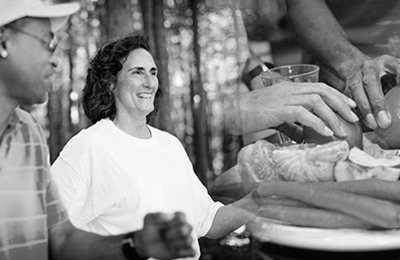
The definition of resilience is the capacity to recover quickly from difficulties, a return to homeostasis. This year has taught us that our ability to persevere has been the most effective response to these challenging times. With the staggering numbers of economic and personal losses from the pandemic over the last nine months, I have had the honor to care for our community during one of the most uncertain times in our lives. I want to share a story from one of my patients, "Mary," who inspired me with her sense of compassion, hope, and resilience...
On March 15th, Mary lost her job of sixteen years due to the spread of COVID-19. Mary's two children were now out of school, bracing the difficulties of virtual learning. Mary began to do what we all did during that week in March, stock up on groceries and await news updates with hesitation and anxiety. Amid job searching, helping her children with virtual learning, and attempting to maintain her mental clarity, Mary's mother got COVID-19 in her nursing home six hours away from Mary and her children in the early days of April.
Fear took over Mary's entire family; the news was flooded with horror stories of New York City hospitals, nursing home infections, and an alarming death rate among those in Mary's mother's age group. Mary was unable to reach her mother's nursing home for six days, and on day seven, Mary found out her mother was in the ICU. I will never understand Mary's pain for the nine days her mother spent in the ICU. During those nine days of fear, Mary was still a mother to her two children, she was still an unemployed chef who was desperately looking for work, and she was a daughter to her mother, who was suffering from a virus that seemed to be uncontrolled.
Resilience is the process that allows individuals to adapt to adverse conditions and recover from them. Having a sense of faith during uncertain times allows for bodily control, positive affect, and a sense of optimism. Studies on resilience show that it helps reduce psychological stressors and increase general immunity. The influence of resilience factors on the brain and behavior can help the body form a positive immune response to stress, anxiety, and physical illness. The adaptive immune phenotype influences the ability to recover from inflammation-induced symptoms.
Flash forward to June of 2020, Mary obtained a new job in the marketing industry. She feels stable, comfortable, and supported by her community. Mary's children learn virtually, with a sense of confidence. Mary's mother has recovered and now has a new view on the beauty of life. When Mary told me her story in August, I was devastated to hear her family's trauma this year. Mary said to me, "I am strong because of my experiences, I am strong because of my two boys, and I am strong for the millions of other Americans, who are too weak to feel any strength at all."
This year all of our holidays are different than in previous years. During times of isolation, it can be difficult not to have your family members near you. Those who are spending the holiday season alone, remember that resilience and hope will guide you through these dark periods. I wish you all health, happiness, and a hopeful new year. To my community, patients, and family, I feel a sense of resilience because of the strength you all show me.
Happy Holidays & A Joyous New Year,
Dr. Ronald Stram
Founder & Medical Director
Thank you to Mary for allowing me to share her strength with us all.
Please Note: "Mary" is a pseudonym used for privacy.
Research on Immunity & Resilience:
https://pubmed.ncbi.nlm.nih.go...
Building Resilience During Turbulent Times Related Blog Posts
Building Resilience During Turbulent Times Related Services
Stress Reduction
Many of the therapies offered at the Center, from Integrative Medicine, to Massage Therapy, to Healing Touch, Acupuncture, and other forms of traditional Chinese medicine, are extremely effective in helping people reduce stress.Stress Reduction
The Benefits of Eating Seasonally

As winter approaches, seasonal eating shifts from summer berries to squashes, root vegetables, apples, and pears. Choosing in-season produce offers better flavor, improved quality, and lower cost—especially when sourced locally. Seasonal foods inspire simple, nourishing meals and add natural variety to the diet, from fresh summer salads to warming winter soups and stews. Eating with the seasons also supports local farmers and regional food systems. Preserving seasonal foods through freezing or canning allows you to enjoy their nutritional benefits year-round. Embracing seasonal ingredients supports health, community, and delicious, satisfying meals throughout the colder months.
With the winter months ahead, we are in a time where the abundance of summer produce has come to pass, and it’s been replaced with squashes, eggplant, peppers, root vegetables, pears, and apples. The ripe berries that overflowed during the hotter months can still be found in the grocery store, but there are several reasons to be intentional about the produce you select for your meal planning.
One of the top reasons to consider eating in-season foods is that they taste the best! Taste is important, and when we select foods that are picked at peak freshness, ideally sourced locally, we will be delighted by the difference in quality and flavor. Every chef prioritizes this because when your ingredients are good, this makes for the best meals with little effort. You need only to let the prime produce shine with simple preparations.
Another great reason to select seasonal ingredients is cost–not only will this strategy help to stretch your food budget, but you will also support local farmers when eating what they are harvesting at that time. Check out the local farmers' markets and ask farmers how they recommend preparing the produce they’re selling. Try a new food or prepare an old favorite in a new way (such as using roasted pumpkin puree in your homemade hummus).
Eating seasonal foods also adds variety to the diet as you change up meals to include what is available—the summer months likely make for great, robust, fresh salads. In contrast, the colder months upon us have many folks making soups and stews, roasted root veggies, and leaning into the warming spices that make us feel so cozy and nourished. The availability of food will also depend on the specific location (for example, do you live in Upstate New York or Florida?). Again, this is where we can support local communities by getting to know the farmers producing food in our region.
Consider preserving seasonal foods to enjoy year-round. Freezing and canning can provide a wider variety of foods to us outside the typical growing months. And if you’ve ever wondered how the nutrition of preserved foods holds up, you can rest assured that frozen and canned foods do still hold ample nutritional value, enhancing the flavor, vitamin, and mineral content of meals.
Support your health and your local economy while delighting your taste buds this season. Check our website and social media for simple seasonal recipes, such as baked apples, spiced nuts, and more!
The Benefits of Eating Seasonally Related Blog Posts

“Fitting in Fitness”

With fitness, more doesn't always equal better. It's about quality, not quantity!
Since when did we start assigning time spent working out to successful results? This is a deep rooted fallacy in the fitness world - the more time you spend in the gym, the better you will look and feel -- False! As a matter of fact, it is quite the contrary. It is about the quality of your workouts, not the quantity. In actuality, workouts do not need to exceed 30 minutes if you are targeting the appropriate areas and are focusing your time appropriately.
As a health coach and fitness trainer of 15+ years, I quickly learned over my years of experience, that what my clients wanted - quick, focused workouts, is also what they needed! While any amount of exercise that you do is encouraged, there is nothing better or more effective than finding the right workout for you. Finding the "right" workout routine includes consideration of many factors: your fitness level, your goals, your schedule and your lifestyle. It is important to work in your workout without creating more stress.
Of course, as with any customized plan, there are always the basics - what you can do to best formulate your lifestyle to make time for fitness and be your best self. Here are a few of those tips:
- Eat more foods that grow on trees and plants and eat less foods that are manufactured in plants.
- Drink green tea and plenty of water.
- Try to make at least 3 people smile each day.
- Don't waste your precious energy on issues of the past, negative thoughts or things you can't control. Instead invest your energy in the positive present moment.
- Eat breakfast like a king, lunch like a prince, and dinner like a college kid with a maxed out credit card.
- No one is in charge of your happiness except you.
- However good or bad a situation is, it will change - and you can be that catalyst for change.
It's time to enjoy your life and enjoy your workouts! Fitness should be fun, focused and fruitful. Just remember that you are in charge of your own personal destiny.
“Be the Change You Want to See in the World” - Mohandas Gandhi
The seasons are shifting and more change is on the horizon. To resist change is to invite suffering, to surrender to change is to open ourselves to endless possibility.
Change comes from within and the ground has been worked, and the seeds are always being harvested in the now. Our yoga mats are out and the meditation is moving into deep silence. The forward motion of our internal change continues, just as the summer becomes the fall.
See you on the mat.
Jai,
Jim Whiting
2016 A New Year for a New You!

Research and practice have shown the immense impact that lifestyle can play on our body as well as overall health. Many people feel that they lose control of their health when they are not feeling well or when life becomes busy or stressful. For this reason, the Stram Center believes it is essential to embrace a healthy lifestyle and allow people to take control of their health.
The coming of the New Year is a great time to work towards improving your lifestyle. Follow these 3 tips to become successful with your lifestyle transformation in 2016. Learn more about the Stram Center's New Improved Weight Loss and Lifestyle Transformation Program.
Research and practice have shown the immense impact that lifestyle can play on our body as well as overall health. Many people feel that they lose control of their health when they are not feeling well or when life becomes busy or stressful. For this reason, the Stram Center believes it is essential to embrace a healthy lifestyle and allow people to take control of their health.
A healthy lifestyle can be defined in many ways, but the Stram Center feels it is important to optimize the following four areas:
- Diet
- Exercise/ Physical Activity
- Sleep
- Stress Management
The Stram Center Practitioners will work with you to develop an individually tailored plan to optimize your lifestyle.
The coming of the New Year is a great time to work towards improving your lifestyle. Follow these 3 tips to become successful with your lifestyle transformation in 2016. Learn more about the Stram Center Lifestyle Transformation Program
1. Make obtainable goals
One trick is to make appropriate and obtainable goals. People often make overzealous goals and end up becoming frustrated when they struggle to reach those goals. It is better to make small, gradual and steady changes instead of drastic changes that result in frustration, failure, and possibly one returning back to their original habits. If your goal is to be more active in 2016, make a goal of trying to exercise one time a week. Once you meet that goal, check it off of your list and make a new goal such as exercising twice a week. This can be empowering for making healthy lifestyle changes.
2. Pick your battles
Remember to also “pick your battles.” If you do not reach your goal right away, instead of getting down on yourself, acknowledge that you did not reach the goal, but also think about why you did not reach your goal. When you identify the reason, you can work towards finding a solution. In the words of Dr. Stram “failure is not trying.”
3. Make lifestyle changes with a friend/loved one
Find a friend/loved one who is also interested in improving their lifestyle. Together you can motivate each other to work towards achieving your goals. They also can be your support system during the process.
If you follow these simple tips, you will begin to thrive on your journey towards optimal health.
Enjoy this healthy recipe as you begin to transform your lifestyle in 2016!
http://stramcenter.com/blog/blog-detail/erics-detox-salad/
3 Tips to Keep Your Gut Thriving!

Keep your gut neighborhood happy and thriving with these three tips! Plus, a healthy pudding recipe.
The “gut” and “gut health” are now regularly referenced in reports, articles and posts on TV, Social Media, blogs and magazines. But, what does it mean to have a healthy gut? The gut is like a neighborhood and like any good neighborhood it requires planning as well as a variety of residents and good practices to keep it clean.
3 important tips to keep your “gut neighborhood” happy and thriving:
1.WE NEED FIBER!
Fiber is a prebiotic which means it helps us to grow our good bacteria. That healthy bacteria is the foundation of our immune system. Mounting research shows that adding fiber to your diet can reduce your risk of death from any cause. Increasing fiber reduces the risk for many chronic diseases like Cancer, type 2 Diabetes, heart disease and stroke along with relieving digestive issues like constipation. Reducing cholesterol and blood pressure as well as improving insulin sensitivity are some to powerful outcomes from adding fiber. Using the diet as a source for fiber is perfect choice as there are a wide variety of whole foods that are high in fiber. A good daily target for fiber is a minimum of 35-40 grams with 50 grams as a more ideal goal.
Here are 5 of the best choices, it’s good to eat a variety:
- Psyllium seed husk, flax, hemp, and chia seeds
- Berries
- Root veggies and tubers: onions, sweet potatoes, jicama
- Broccoli, cauliflower, Brussel sprouts
- Beans, peas
2. AVOID SLUDGY FOODS!
Simple carbohydrates like white flour, sugar and pasta are so processed that they actually slow our gut down. Those types of foods lack vibrant energy and fiber and they even help bad bugs like yeast or Lyme to grow. Simple changes can get those foods out of your daily diet:
- Cut your portions of those “white” foods in 1/2
- Transform 1 meal at a time to avoid those foods and find healthy alternatives that increase fiber
3. ADD HEALTHY BUGS!
Probiotics are an important part of restoring and maintaining a healthy gut. Most high-quality probiotic supplements contain a variety of healthy bugs that keep the gut happy. When you combine them with prebiotic foods like fiber, you have a balanced neighborhood with healthy growth and the “trash” will get taken out every day with a regular bowel movement.
Simple easy tip: Some foods are higher in fiber and small amounts can help us improve our daily dose. For example, adding 2 TBS ground flax seeds adds 4 grams of fiber and 1 TBS psyllium adds 5 grams of fiber.
This is a great addition to breakfast and will start your day with a nice dose of fiber!
Chia, Flax, & Hemp Seed Pudding
Ingredients:
2 Tablespoons chia seeds
2 Tablespoons hemp seeds
1 Tablespoon ground flax seeds
3/4 – 1 cup plant milk, like coconut or almond
1/2 of banana, sliced
2-3 dates, pitted and chopped
1 Tablespoon shredded coconut
Handful of fresh berries (raspberries, strawberries, etc.)
Instructions:
In a single serving bowl, mix the chia seeds and a 1/2 cup of the milk. Let stand for 10 minutes, or until the chia seeds have coagulated. Add the hemp and flax seeds and stir, adding more milk as needed. Add banana, dates, berries and coconut and top with a bit more milk as desired.
Adapted from: https://plant-based4health.com/recipes/breakfast/c...
31 Breast Cancer Facts: Every Woman Should Know

October is Breast Cancer Awareness Month!
For this month’s blog, to change it up a bit, I decided to list 31 breast cancer facts, one for each day of October. So here we go…
Did you know that:
1.Breast cancer is the most commonly diagnosed cancer worldwide.
2.In the United States, breast cancer accounts for over 230,000 cases each year and is responsible for over 40,000 deaths.
3.Breast cancer death rates have been decreasing since the 1970s, and this decrease in mortality is likely due at least in part to improved breast cancer screening and treatment.
4.Less than 1% of all breast cancers occur in men.
5.The lifetime risk for breast cancer for women is one in eight, and for men, one in 1,000.
6.Breast cancer is generally a hormone-driven cancer, and higher life-time risk is associated with higher estrogen exposure.
7.Factors that increase risk for breast cancer include drinking more than one serving of alcohol per day, taking hormone replacement therapy and birth control pills, early first period and late menopause, low intake of fruits and vegetables, obesity, exposure to radiation, aging, family history (especially in first degree relatives) and sedentary lifestyle.
8.High breast density on mammograms correlates with increased breast cancer risk.
9.BRCA1 and BRCA2 gene mutations are associated with a 60-80% lifetime risk for breast cancer.
10. Bilateral mastectomies and removal of ovaries and uterus in patients with BRCA1 or BRCA2 gene mutations decrease risk of development of breast cancer.
11.Night shift work (“light at night”) with disruption of the circadian rhythm can put women at increased risk for breast cancer, and this is linked with lower melatonin levels.
12. Exercise, weight loss, cruciferous vegetables, and lignin-rich flaxseed can reduce the stimulatory effect of estrogen on breast tissue.
13. Most cases of breast cancer are found by abnormalities seen on mammograms.
14. Suspicious findings that could suggest breast cancer (and should be brought to a doctor’s attention) include: a physical change in the breast such as a lump, skin thickening, or change in breast size or shape; changes in the nipple such as retraction or fluid from nipple; redness or hardness of the breast; or a lump in the underarm lymph nodes.
15. Rarely, the first sign of breast cancer can be a lump or persistent pain located elsewhere in the body (ex: lump above collar bone, back or hip pain).
16. Ductal carcinoma in situ (DCIS) is non-invasive and therefore Stage O disease; lobular carcinoma in situ (LCIS) is not breast cancer in itself but is a risk factor for the development of breast cancer.
17.Pathologically, infiltrating ductal cancer is the most common type of invasive breast cancer, followed by infiltrating lobular cancer, and some more rare subtypes.
18. Most breast cancers are ER (estrogen receptor) positive, but only approximately 20% are HER2neu (human epidermal growth factor) positive.
19. Staging for breast cancer usually involves at least a biopsy of the cancer, followed by either lumpectomy or mastectomy and lymph node assessment, and scans may include a bone scan, possible breast MRI, and CAT scan and possible PET scan.
20. The American Joint Committee’s TNM system is used for staging of breast cancer, where T stands for size of tumor, N for number of armpit lymph nodes involved, and M for whether there is distant spread or metastases of cancer.
21. The term “adjuvant therapy” describes a treatment given after surgery to help prevent future recurrence of disease, and may include radiation, hormonal (endocrine) therapy, chemotherapy, and targeted therapy.
22. The Oncotype Dx 21-gene recurrence score is a test that may identify patients who are most and least likely to derive benefit from adjuvant chemotherapy, and it is indicated for patients with node-negative, ER-positive, HER2neu-negative breast cancer.
23. The management of DCIS has become controversial, and may include observation, lumpectomy with radiation and endocrine therapy, or mastectomy, depending on some features such as size and grade of tumor, but chemotherapy is not indicated.
24. For patients with hormone receptor-positive, HER2neu-negative breast cancer, treatment involves endocrine therapy (ex: Tamoxifen, or an aromatase inhibitor such as Anastrazole) with or without targeted agents.
25. For patients with hormone receptor-positive, HER2neu-positive breast cancer, a HER2-directed agent such as Herceptin is recommended plus endocrine therapy.
26. For patients with hormone receptor-negative, HER2neu-negative breast cancer, disease is known as “triple negative”, and chemotherapy is recommended; these patients do not respond to endocrine therapy, but endocrine therapy may be used to prevent a new breast cancer from forming.
27. For patients with hormone receptor-negative, HER2neu-positive metastatic breast cancer, Herceptin in combination with chemotherapy is recommended.
28. Radiation therapy may be recommended as part of adjuvant therapy for invasive breast cancer.
29. Chemotherapy may impair fertility in young women with breast cancer, and consultation with a fertility specialist is recommended.
30. Pregnancy after having had previous breast cancer with treatment is safe and may actually be protective in terms of future breast cancer risk.
31. All breast cancer survivors should pursue a healthy lifestyle that includes following an anti-inflammatory diet, a regular exercise program focusing on cardiovascular exercise, minimizing alcohol intake, refraining from smoking, minimizing exposure to environmental toxins, and practicing daily mindfulness and stress reduction.
I hope you have enjoyed this month’s blog, as well as the colorful leaves of autumn!
4 Tips to Start Your Summer Off Toxin Free
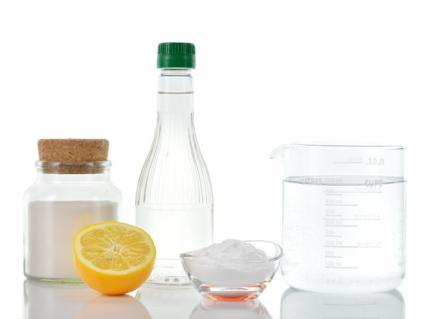
While yes it is still Spring, we know that Summer is just around the corner! In preparation for the Summer months we wanted to share with you some tips to help keep you and your loved ones happy, healthy, and toxin-free.
- Green Up Your Lawn Practices: Keep your lawn safe to enjoy! Why does it matter? Well, the chemicals in pesticides migrate into groundwater, and even through the air. We can track pesticide particles indoors on our shoes from the particles attached to the soil. Choose natural organic fertilizers, and use sparingly in the early Spring. Weed Manually- it’s a good workout, or even use white vinegar to kill weeds. Spread the word and encourage your neighbors to avoid pesticides and harmful chemicals. In a more rural environment? Get some guinea hens! They are considered one of the most effective exterminators of pests (with a benefit of some free-range eggs).
- Test Your Water: We are constantly telling patients to drink more water, but the quality is just as important as the quantity. Water can be over chlorinated, contain bacteria, pesticides, lead, or other substances. To ensure you are drinking safe water, gather some data. You can request a Consumer Confidence Report from your water supplier - and consider testing your water at a lab like National Testing Labs.
- Tips and Toes: Dare to go bare! Or at least avoid the toxic brands of nail polish - most tend to contain dibutyl phthalate, toluene, and formaldehyde. Formaldehyde you say? Yes it’s true this carcinogen is found in many brands. Opt for a safer brand such as Scotch Naturals or Honeybee Gardens. Not sure how safe your polish is? Check out the ratings on Environmental Working Group database.
- Bugs be Gone: Check out The RAD Soap brand which carries safe and natural insect repellent for you (and your furry friends)! You can buy the products right here at the Stram Center, or order online. The repellent spray contains non-GMO food-grade oils including hemp seed, rosemary and garlic as well as lemongrass and other natural deterrents. Whatever spray you use, please avoid anything containing DEET and always remember to check for bites or ticks after each outing.
We know how important it is to keep you protected so you can do all of the things that you love this Summer and beyond!
4 Ways to Stimulate Your Immune System

Recommendations to help stimulate your immune systems for prevention and or healing.
As we know this is the season for a range of viral and bacterial infections to flourish, and you may be asking yourself how to keep yourself and loved ones from “catching” any extra friends this season. Or you may be like many people currently that are finding themselves in a perpetual rotation of sickness after sickness. The following are all options to stimulate your immune system to either prevent or heal these infections naturally.
Good Hand Hygiene
First and foremost, it would be negligent to not at least mention good hand hygiene. This includes using sanitizer when out and about touching shopping carts, door knobs and other contaminated surfaces when unable to use soap and water. Good Hand hygiene (washing 20 seconds at least using good friction) is your first line of defense; also it is important to keep your hands away from mucous membranes such as mouth and eyes.
Essential Oils
The second support that many people disregard is essential oils in the assistance to fight bugs and viruses. Essential oils have been studied to have anti-bacterial, anti-viral, and anti-fungal properties particularly when diffused (Reichling, Schnitzler, Suschnke, Saller, 2009). Using good quality essential oils topically or diffused is a really simple way to assist health. If actively fighting infection applying essential oils with a carrier oil to chest, nose, temples, and soles of feet can help with symptom management such as help the fever break, alleviate aches, pains, and headaches, or improve sinus/chest congestion.
Elderberry
The third treatment option is Elderberry syrup. For centuries this has been used as potent anti-viral treatment for colds and influenza. In a recent study 90% of the individuals that were diagnosed with influenza and started taking elderberry had significant symptom improvement in two days, compared to six days of individuals who did not take elderberry (Sibley, 2007). This is due to a particular protein in elderberry that stops viral replication. This can be taken a few times per week for prevention or daily when fighting an active infection.
Mushrooms
The fourth recommendation are utilization of mushrooms such as Cordyceps, Astragalus, Reishi, or Turkey tail. There is no lacking of studies and literature on the immense benefit of mushrooms across the board for health. These mushrooms that can be taken separately or many can be found in combined supplements. These are a really powerful and potent way to stimulate your immune function, suppress viral load of illness, and help quickly clear an active illness you may be experiencing such as the flu (The Author, Oxford University, 2005).
Another factor to remember is these above mentioned options should, not negate the need and benefit of adequate sleep, quality nutrition, and maintaining gut health.
Blessings and Health,
Sierra Garrett FNP-BC
Citations:
Lindequist, U., Niedermeyer. T., and Wolf-Dieter, J. (2005). The pharmacological potential of mushrooms. doi:10.1093/ecam/neh107
Reichling, Jürgen, et al. “Essential Oils of Aromatic Plants with Antibacterial, Antifungal, Antiviral, and Cytotoxic Properties – an Overview.” Dermatopathology, Karger Publishers, 3 Apr. 2009, www.karger.com/Article/Abstract/207196.
Sibley, Cate. “Elderberries: A Potent Cold and Flu Remedy .” Pharmacy Times, www.pharmacytimes.com/contributor/cate-sibley-pharmd/2017/10/elderberries-a-potent-cold-and-flu-remedy.
A Beginner’s Guide to Blood Cancer
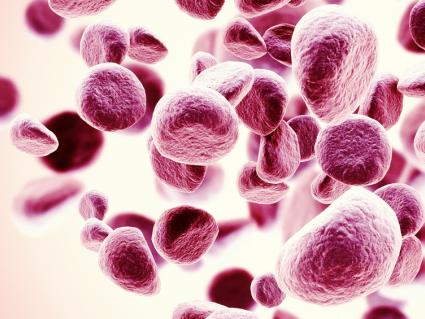
An overview about Blood Cancer.
Well here we are in September already, on the threshold of autumn! September is also the month for “Blood Cancer Awareness”. The term “blood cancer” encompasses many different types of malignancies that can originate from our blood system including leukemias, lymphomas, and multiple myeloma. Leukemias (both acute and chronic forms) are cancers that affect the body’s immature white blood cells, which are mainly found in the bone marrow. Lymphomas are cancers that arise from lymphocytes (a type of white blood cell) that can be present not only in the bone marrow but also in lymph nodes throughout the body and the spleen. Multiple myeloma is a disease originating in cells called plasma cells, located in the bone marrow.
The major types of leukemias are acute myelogenous (AML), acute lymphocytic (ALL), chronic myelogenous (CML), and chronic lymphocytic (CLL), but there are further subclassifications of these types. There are also some disorders related to leukemias that could originate from the bone marrow including myelodysplasias (MDS) and myeloproliferative disorders (MPD). The underlying problem in most of these disorders involves the “crowding out” of normal, healthy bone marrow cells by cancerous stem cells or “progenitor cells”, and the result, depending on the disorder, could be either elevated or low white and red blood cells, or platelets. There is usually immune dysfunction that happens as these cancerous cells can no longer perform their normal immune supportive functions. The acute leukemias grow quickly and suddenly and are immediately life-threatening, whereas the chronic leukemias grow more slowly and are usually not urgently life-threatening.
Lymphomas usually start in the lymph nodes or lymphatic tissue, and are divided into two major groups, known as Hodgkin’s Disease/Lymphoma and non-Hodgkin’s lymphoma. They are further subdivided into B-cell type (more common) and T-cell type (less common). Lymphomas can spread into sites such as the bone marrow, hard bone (cortex), organs (liver, intestines) and brain/spinal fluid, and others.
Multiple myeloma originates in the bone marrow from abnormal B lymphocytes called plasma cells, and these cells no longer produce healthy immune system proteins. These plasma cells can also grow in various parts of the body in large clumps, known as plasmacytomas. The development of multiple myeloma can occur slowly and some patients present to their doctor with early or moderate signs of it’s growth (with either Monoclonal Gammopathy, known as MGUS, or smoldering myeloma). Multiple myeloma can cause destruction of bone cortex and can lead to high blood calcium levels as well as kidney damage.
The signs and symptoms a person may develop with these disorders include some or all of the following, depending on the specific disorder: fatigue, abnormal bleeding or bruising, frequent viral or bacterial infections, bone pain, fever, chills, weight loss, night sweats, swollen lymph nodes, abdominal pain from enlarged liver or spleen, weakness, loss of appetite, skin itching, flulike symptoms, or mouth sores.
The exact causes of these blood cancers is not always clear, but genetic predisposition and exposure to certain environmental factors such as benzene chemicals, excess radiation exposure, pesticides, or viruses may play a role. It is known that infection with HIV increases the risk for non-Hodgkin’s lymphoma by as much as 100 times. Epstein-Barr virus can also increase risk for non-Hodgkin’s lymphoma. Leukemias, lymphomas, myelodysplasias, and myeloproliferative disorders may also occur secondarily after prior treatment of another malignancy with certain chemotherapies or radiation.
Patients suspected to have any of these disorders are referred to a hematologist/oncologist and have a variety of tests performed to confirm the diagnosis and to assess the severity and stage of disease. They will have a history and physical exam, further blood tests, urine tests, possible scans such as chest x-ray, CT, PET, or MRI scans or skeletal x-rays, possible bone marrow biopsy, lymph node biopsy, or spinal tap.
Treatment for the particular blood cancer will depend on the type, as will the urgency of treatment. Acute leukemias, and some lymphomas are immediately life threatening and would require urgent hospital admission and treatment with chemotherapy and/or radiation. Eventually a bone marrow or stem cell transplant may be needed to attempt cure. Other blood cancers can be treated on an outpatient basis with chemotherapy and/or radiation, and referral for bone marrow or stem cell transplant may be needed if remission or cure has not been achieved. All of these blood cancers have differing chemotherapy drugs or regimens that are considered standard, and clinical trials or investigational therapies may be offered. Some of these blood cancers are curable, while others are not curable but treatable, and cure rates may depend on severity of disease and age and general health of the patient.
I hope this overview of blood cancers has raised your awareness of these disorders! Much progress has been made in the treatment of blood cancers through knowledge and research; please be generous in supporting these efforts in your local communities as well as nationally.
Happy Autumn!