Generosity Sheds a Light on Your Health

Research shows when it comes to our health, giving is truly better than receiving.
As we enter into the holiday season there is pressure to give, and there may be some important factors as to why this is particularly important for your own health. Giving can feel very rewarding, and the research is now backing the belief that to give is truly better than to receive. There is something researchers like to call “warm glow” as discussed by Sandoiu, (2018) that is obtained after helping others. Sandoiu (2018) discussed that there are two different forms of giving, planned and unplanned. Each version impacts the brain differently, but both positively impact the area of the brain called Amygdala. This is the area of the brain that plays a role in our perception of fear and other emotions such as anxiety. Generosity impacts this area by decreasing the fight or flight response which is associated to higher stress. This was directly observed on MRI imaging of patients after performing generous acts.
I believe this information is extremely valuable as it supports the benefit of being loving, kind, and self- sacrificing versus the pressure in society to do otherwise. I love the idea of scheming to help others! Let’s challenge each other this holiday season and beyond to perform intentional and unintentional generosity to those around us.
Sandoiu, A. (2018, August 31). How does generosity benefit health? Brain study sheds light. Retrieved December 10, 2018, from https://www.medicalnewstoday.com/articles/322940.php
Get in the Blue Zone to Support Longevity!
Why do some cultures live healthy lives into their 100s? One National Geographic reporter/explorer talks about Blue Zones. Recipe to follow.
I recently heard an interview with Dan Buettner, Author of Blue Zones. As a National Geographic reports/explorer, he studies and focused on 5 areas of the world where people easily live healthy lives into their 100s. From his research, he distilled shared similarities in each culture that seem to support longevity. To kick off your summer, here are a couple that are easily added to our daily lives.
- 80% rule: The Okinawan people have a mantra they say before meals to remind them to stop eating when they are 80% full. That 20% difference could be a great support to both easing digestion and losing or maintaining weight. People in the Blue Zones also eat a smaller dinner with no after dinner treats. Summer is a great time to lighten up on eating with warmer days and more time outside.
- PLANTS are key: Beans are the main theme in diets of most Blue Zone centenarians. As a plant protein, they are high in fiber and very affordable. On the other hand, animal products are lower in portion size in those same diets. With all our summer parties and barbecues, it’s a good idea to review our portions of meat and add some bean dips and salad to balance our meals.
There is so much power to affect our health with our food choices. Looking at Blue Zone cultures is a great way to learn from those who seem to have made that connection to their food to create long term health.
Easy tip:
Use a smaller plate for meals to notice if you are eating more food to fill your plate rather than your appetite. You can easily create that 20% gap between hungry and full by changing how you serve your food.
Summer Recipe: Add this salad to your summer recipes and connect to the Blue Zone principles.
Avocado & Fava Bean Salad
INGREDIENTS
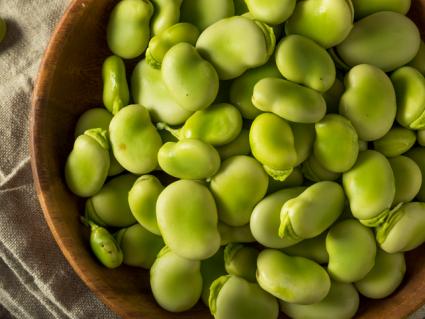
- ½ cup fresh fava beans, shelled and peeled
- 1 medium fennel bulb, thinly sliced
- 1½ cups sunflower sprouts
- ½ cup cooked chickpeas, drained and rinsed
- Extra-virgin olive oil, for drizzling
- Juice ½ small lemon
- ½ avocado, diced
- ¼ cup chopped almonds, toasted
- ¼ cup large shavings of Parmesan, optional or can use goat/sheep cheese
- Sea salt and freshly ground black pepper
Directions
- Prepare a small pot of salted boiling water and a small bowl of ice water.
- Drop the fava beans into the boiling water and blanch for 3 minutes.
- Remove the beans and immediately immerse in the ice water to stop the cooking process. Keep in the ice water long enough to cool completely, about 15 seconds.
- Drain and place on paper towels to dry.
- Thinly slice the fennel (using a mandolin, if you have one).
- Place the fennel slices into a large bowl with the sunflower sprouts, chickpeas, and fava beans.
- Drizzle the salad with olive oil, the lemon juice, and season with salt and pepper.
- Toss the salad, then add the avocado, almonds, and Parmesan shavings and gently toss again.
- Taste and adjust seasonings.
https://bluezones.com/recipe/fava-bean-avocado-sal...
Get to the HEART of it!

Heart health is about being healthy in all areas of life!
When we look at heart health, we often focus on the physical heart, getting checkups for signs of heart disease and labs measuring cholesterol levels. These are important for sure but in Functional Medicine, we see heart health going beyond that. Heart health is about being healthy in all areas of our life, finding things you love and enjoying life!
Make your heart happy by creating a happy life!
- Balance your food, get connected to what you eat, enjoy lots of plants and make room for well-chosen pleasures for special occasions. Research shows that a Mediterranean type diet is optimal and includes so many delicious foods.
- Move it, Move It! The more we move, the healthier we are-there is no doubt about that. It not required that you join a gym but finding ways to stay strong and flexible are key. Rhumba, walk, swim, do yoga, climb stairs-find a way that you like to move your body. Make that connection every single day and get that heart pumping!
- Laugh….a lot. People who laugh often are connected to the joy of living and tend to not take everything so seriously. Every day, find something that makes you laugh out loud!
- CHILL out more! Stress is such a drag on your whole body. Mark Twain famously said, “I’ve had a lot of worries in my life, most of which never happened”. If you are a worrier, take steps to let go of that habit. Letting go of stress creates ease in the body and reduces inflammation which can be a factor in heart disease.
- Find Passion: having a purpose or feeling like you do something that matters keeps us in the game. Whether it’s a charity, job, hobby or church group- it doesn’t matter. Be part of something that gives your life meaning-open your heart to help someone else!
In the spirit of the Mediterranean diet, here is a delicious salad recipe!
Greek Salad with Avocado
Ingredients
2 English cucumbers, peeled in stripes and cut into ½ inch slices
1½ pounds small tomatoes, I use cocktail tomatoes, stemmed and quartered
½ red onion, thinly sliced
1½ cups kalamata olives, pitted and halved
¼ cup Italian flat leaf parsley, chopped
2 avocados, pitted and cut into chunks
1 cup feta cheese, broken into large chunks- can use goat/sheep or vegan options
Dressing
½ cup extra virgin olive oil
½ cup red wine vinegar
2 cloves garlic, peeled and minced
1 tablespoon oregano
2 teaspoons sugar or honey
1 teaspoon each of kosher salt and freshly ground black pepper
Instructions
1. In a large serving bowl, combine the cucumbers, tomatoes, red onion, kalamata olives and parsley. Place the avocado in a small bowl and set aside.
2. In a small canning jar, combine the olive oil, red wine vinegar, garlic, oregano, sugar and salt and pepper. Top with the lid and shake well until blended and emulsified. Season with more sugar and salt and pepper to taste.
3. Pour 1 tablespoon or so of the dressing on the avocado and gently mix to coat. Pour the rest of the dressing on the cucumber mixture and toss to coat. Add the avocado to the salad and top with chunks of feta cheese and serve.
Notes
As the salad sits, the juices from the vegetables will release, adding to the amount of dressing. If you prefer, reserve some of the dressing and add only if needed for more moisture.
https://www.foodiecrush.com/greek-salad-with-avocado/
Golden Milk Can Have Benefits in Diabetes
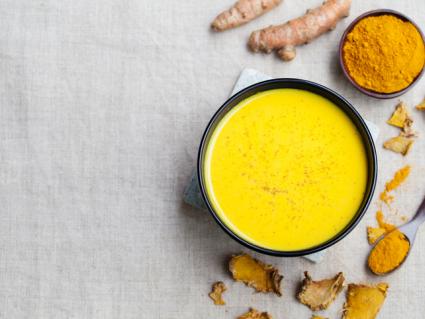
How Golden Milk can benefit people with diabetes.
Did you know that turmeric and curcumin (which is found in turmeric) have significant benefits in diabetes? Turmeric lowers blood sugar, detoxifies the liver, and reverses insulin resistance, all of which are major components in controlling diabetes. Curcumin’s anti-inflammatory properties have also been shown to delay and reverse some of the complications of high blood sugars in diabetes such as painful diabetic neuropathy (nerve pain), diabetic nephropathy (kidney disease), and retinopathy (eye disease). It works as an antioxidant and decreases oxidative stress and heart disease risk in diabetes. In autoimmune (Type 1) diabetes, it can repair and regenerate pancreas islet cells, which are responsible for making insulin. Curcumin can even reverse prediabetes, and can aid in diabetic wound healing.
I think a great way to add turmeric to your day is drinking “golden milk”. There are many good recipes out there, but here is a recipe from Dr. Andrew Weil (I just added putting in some Stevia liquid or powder to sweeten to taste, without using sugar!):
GOLDEN MILK RECIPE
Yields 2 Servings
- Heat 2 cups light, unsweetened coconut milk, or almond or soymilk
- Add ½ tablespoon peeled, grated fresh ginger
- Add 1 tablespoon peeled, grated fresh turmeric
- Add 3-4 black peppercorns
- Heat all ingredients in a saucepan and stir well
So as the November days and evenings get colder, enjoy some warm, healing golden milk. To your health!
Good Mood Food
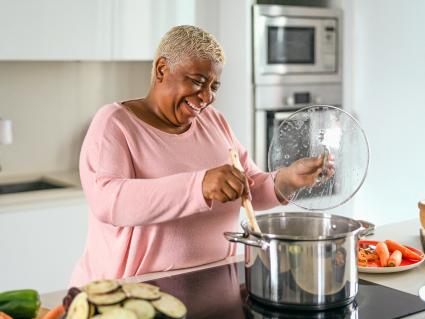
While mental health is a combination of many things, food has a huge influence on our brain chemistry. This is partly due to the mighty gut-brain connection, also called the “gut-brain axis” or GBA. This bidirectional communication flows between the central nervous system (or CNS, our brains) and the enteric nervous system (or ENS, our nervous system). The gut is now referred to as the “second brain” because of its role in everything from digestion to mood, even the way we think.
There are now metabolic treatments for mental health. Research has proven nutrition as metabolic treatment for anxiety to be especially beneficial. Medical nutrition therapy is not just about including (or eating) foods and nutrients that can heal, but it’s equally about avoiding (or not eating) the foods and ingredients that can harm.
The most common type of psychiatric condition in the US are anxiety disorders and one-third of individuals suffer from some form of anxiety during their lifetime. While standard of care medication and psychotherapy is effective, it’s successful in treating about half of patients and only one-quarter experience complete symptomatic resolution. Currently, there are about six nutritional strategies with emerging evidence of their efficacy in anxiety treatment or management. These strategies can include the following: elimination of artificial sweeteners, elimination of gluten, use of omega-3 fatty acids and/or turmeric (curcumin), maintaining adequate levels of vitamin D, and ketogenic diets. Additionally, gut-healing supplementation and nutrition therapies can be beneficial. This usually includes gut testing through comprehensive stool tests and working with a provider who can recommend probiotics and prebiotics tailored to individual needs.
Some key considerations for anyone struggling with anxiety and open to making dietary or lifestyle changes include:
1. Supplementing with vitamin D and getting sunshine on a daily basis
2. Omega-3 fatty acids (eating fatty fish and/or supplementing), a potent anti-inflammatory agent and beneficial for the gut microbiome
3. Include turmeric, researched as treatment for Alzheimer’s Perkinson’s, depression and anxiety
4. Avoid added sugar and processed vegetable oils, primary sources of inflammation and highly available in the Standard American Diet
5. Avoid artificial sweeteners, food dyes, and other additives as able; try bloack transportation of our neurotransmitters (or chemical messengers) dopamine and serotonin and increase levels of stress
6. Avoid gluten and other possible possible food sensitivities that cause inflammation and can increase gut permeability
7. Consider a ketogenic diet, researched as treatment for several mental illnesses, including ADHD, Parkinson’s, and anxiety
Resource:
https://www.ncbi.nlm.nih.gov/p..
Good Mood Food Related Blog Posts




Good Mood Food Related Services

Anti-Aging Therapy
How to Combat the Anti-Aging Process with Intravenous (IV) Therapies As we get older how do we combat the natural effects of the aging process?First, we have to look at some of the main factors that cause the symptoms of aging and degeneration. These symptoms include fatigue, muscle weakness or muscle loss, reduced stamina and endurance, poor memory and cognition, and chronic inflammation and…Anti-Aging Therapy
Nutritional Counseling
The practitioners at the Center recognize that diet is often the basis for your heath and your potential to heal. Adopting a healthy diet is often the first step towards correcting health problems. Many medical conditions can be treated more effectively when the patient implements specific diets and uses nutritional supplements. These interventions afford fewer complications and side effects than…Nutritional Counseling
Got a Cold? There’s a Chinese Herb Formula for That!

Breaking it down to specific cold related symptoms, there are 18 commonly used "herb" formulas for cough, and 8 standard formulas for nasal congestion.
Each "herb" formula is comprised of a different combination of typically 5-12 herbs. Aside from the standardized preparations, each formula can be tailored to the individual's presentation and capacity to heal by adding or subtracting individual herbs from the standard formula.
The method of deducing which formula one should take is dependent upon the evaluation of the tongue and the pulse in addition to symptom presentation. Concerning the cold, is the expectorant thick or thin, green yellow or clear? Are there chills or fever? Is the cough productive or non-productive, worse at night or with movement? Is there a headache or muscle stiffness? Is there aversion to cold or heat?
Take the case of a common cold that starts with a mild fever, headache and sore throat, and a rapid floating pulse. This type of cold will be best remedied by a combination whose focus is to ‘clear heat’ and ‘relieve toxicity’. One such formula is Yin Qiao San, a cooling formula whose ingredients are: honeysuckle, peppermint, fermented soy bean, forsythia, bamboo leaf, licorice root, edible burdock and balloon flower.
One would not use the same formula to address a cold stemming from ‘wind cold’. This could drive the pathogen further, disrupting the defensive qi of the body. Symptoms of a wind cold type are: spontaneous sweating, dry cough, stiff neck, fever and chills, clear nasal discharge and a pulse that is bound and floating. One suitable formula used for the common cold due to ‘wind cold’ is Gui Zhi Tang, comprised of the following herbs: cinnamon, white peony, fresh ginger, jujube, and honey fried licorice.
The beauty of herbs is their ability to reduce the symptoms while addressing the body’s natural defenses in an entirely pragmatic way. What a gift we have in nature!
Governing Vessel 20: Clarity of Thought and Mind

Nourishing the brain with Governing Vessel 20.
The beginning of the year is a wonderful time to reflect upon one’s life and goals. For many of us, our lives become very full. To be able to keep up, we also need to slow down so that we can maintain focus, discipline, and the ability to follow through with tasks to be able to reach goals. Acupuncture and Chinese medicine as a whole can be a very helpful modality to allow yourself to slow down, if only for that hour you are receiving treatment. The points chosen can help facilitate clarity of thought and mind beyond your treatment time.
One of these points is Governing Vessel 20. The Chinese name is Bai Hai (pronounced ‘bye whay’) which translates to One Hundred Meetings, said to treat 100 diseases. It is the uppermost point on the entire body located at the center of the crown of the head on the scalp. According to Chinese medical theory, this point has many actions (what it does) and indications (what it is used for) such as headache, dizziness, disorders of the nose, prolapses in the organs, even loss of consciousness, and also is said to benefit the brain and calm the spirit.
Being located so close to the brain, it helps nourish this vital organ. From a more mental and spiritual perspective, this point can help with disorientation which can happen if we are so busy and become overwhelmed and lose focus, as well as with poor memory and sadness by helping “move a person forward to a different level of understanding and being.” If one is very tight and tense, it can calm and lift the spirit, clear the mind, and stabilize the will power helping to restore control in one’s life to be able to gather resources needed to calm feelings of overwhelm or even chaos.
You can meditate on opening this point by focusing on the very top and center of your head and if you’d like you can apply pressure. Most patients really like receiving acupuncture at this point, it is like an antennae to connect with all things bigger than ourselves, and to bring in peace and clarity from our surroundings as well as from within.
May your new year’s resolutions be assessed clearly and carried out with a strength of focus. Cheers to your health and happiness in the new year!
Resources:
A Manual of Acupuncture by Peter Deadman
Spirit of the Points by J.R.Worsley, Lonny Jarret, et al.
Gratitude and Chronic Illness

Living with a chronic illness can offer a special set of skills, emotional awareness, and shift in the ways in which we associate with gratitude. When we think about gratitude, what comes to mind is often our external world, rather than what is experienced inward. With the grief that ensues in living with a chronic condition, our mind, body and soul begin to reconnect itself differently; what might have been no longer serves us now; we begin to adopt new practices of love, appreciation, and care. When it comes to treatment, chronic illness patients often experience a disconnect in what these mean versus what it may have meant prior to their diagnosis. Unfortunately, mainstream medicine offers only a narrow lens in healing, while most of us suffering with anything chronic (mental and physical) require an adaption of treatment and lifestyle embedded in our daily living....
Gratitude is often looked at as a personality trait, yet it can also be cultivated into a practice. Research shows us that those who practice in gratitude writing (identifying what they are grateful for daily) showed better moods, coping styles, and physical health than those who did not. Those with a higher level of gratitude also report more optimism, higher self-esteem, and more satisfaction with life.
It’s important to shed light on the importance of validation of those living with chronic illness. That meaning the ebbs and flows, the ups and downs, and the overall processing of grief in loosing what once was or what could have been in our bodies and futures. We also can look at the importance of what chronic illness can open us up to: gratitude turned inward- an appreciation of our bodies not just in optimal wellness and functioning, but in functioning overall. Gratitude in the breaths we take in on a crisp fall day, appreciation for our bodies having the strength to lift itself up so that the beauty of the world can be absorbed, are examples.
It’s important to have and talk about days when our gratitude can wave thin, but in those difficult days, looking inward into what it is our bodies are telling us, we then start to adapt a new set of skills and mindset into a deeper relationship with ourselves. Gratitude can help us do this. We learn to slow down and reframe these thoughts we may have of betrayal and negativity towards ourselves to appreciation, kindness, and acceptance. Grief often disconnects us with the world and ourselves, as we feel isolated in our experience, and for some, even in our own bodies. With adapting a practice of gratitude, we learn to appreciate and work with what we currently have and can offer to ourselves and those around us. We can then also learn to not just endure a chronic illness, but to also flourish.
See here for some ideas in how to cultivate a daily practice of gratitude.
https://www.mindful.org/an-introduction-to-mindful-gratitude/
Resources:
https://pdfs.semanticscholar.org/bca9/6652caccfe446e809ac8c6fc20d36eef8c30.pdf
About Danielle Stram,, M.S. Ed, LMHCGratitude and Chronic Illness Related Blog Posts

Gratitude and Chronic Illness Related Services

Chronic Illness
Nowhere is the need for an integrative approach more apparent than in the management of chronic illness. We are a synthesis of many systems all working together, and when one or more systems become diseased, all of the others will be stressed as well. From physical challenges, to the challenges of everyday living, to a satisfying quality of life, we have to go past seeing that illness in…Chronic Illness
How We Can Help You
Whether the goal is to lessen pain, find alternatives to prescription drugs, reduce stress, or if you are struggling with eating disorders, chronic illness or simply want to improve your quality of life, the Stram Center's individualized approach will help you take charge of your health. We’re here for people who are: Looking to improve their health and quality of life through lifestyle changes…How We Can Help You
Integrative Medicine
Integrative medicine is the blending of conventional medicine with holistic, complementary, and alternative medicine. Integrative Medicine is defined as healing-oriented medicine that takes account of the whole person (body, mind, heart and spirit), including all aspects of lifestyle. It emphasizes the therapeutic relationship and makes use of all appropriate therapies, both conventional and…Integrative Medicine

Mental Health Counseling
At the Stram Center, we recognize that mental health is often the basis of your potential to navigate life’s challenges as well as to heal from physical illness. Understanding your full self, including traumas and difficulties you may have experienced, is often the first step to learn what your unique strategies are in the face of life’s difficulties. Quality healthcare should include support…Mental Health Counseling
Groundhog Day and the Flu

Why do flu bugs rule the winter?
Many of you may have seen the Bill Murray movie, Groundhog Day, where he lives the same day over and over again. Sometimes the winter feels like that movie with cold, snowy and dark days over and over. We all know that winter is always flu season over and over and this year has been no exception.
WHY do flu bugs rule the winter?
- Winter makes us prone to eat more including comfort food, treats and nighttime snacking. That depletes our defenses.
- Several holidays in a row (Thanksgiving, Christmas, Hanukkah, New Years and in some households, Superbowl Sunday) all start in November. They all focus on food and lots of indulgences so we get run down.
- We live in closer quarters, we are not outside as much and so we share our germs. When one family member gets the flu, they often pass it on.
- The air is dry from our heating systems and germs grow easily in that environment. It’s a like a petri-dish that allows them to thrive and we are not opening our windows to get fresh air.
WHAT can we do about the flu?
Generally, medical advice suggests that getting a flu shot is your only defense. It’s up to you and your medical provider to decide if that is a good choice for you. However, I know that there are so many ways we can take care of ourselves and support our immune system. Just like in the Groundhog Day movie, once we know what’s ahead, we can make different choices. We can create our own defenses to reduce the likelihood that the flu bug will land in your body.
5 easy tips to take care of yourself to stay healthy in flu season.
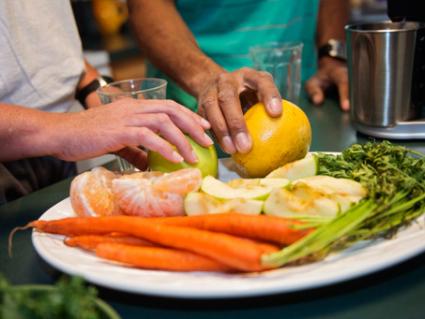
- Love your veggies- every day eat a rainbow of color! The vitamins and minerals in plant are good “medicine”
- Keep well hydrated! Start your day with a full glass of water and look for ways to increase water every day. Make your enhanced water (see delicious recipe for Basil Lemon Sparkling water)
- GET your zzz’s-sleep is essential to our bodies ability to resist germs and flu bugs.
- Consider a high-quality Probiotic supplement to support the healthy bugs in your gut/immune system.
- HOLD the sweets-choose fruit or a stevia sweetened chocolate bar like Lily’s
In the end, Bill Murray’s character, got on board with the process and chose to create a very positive outcome. I invite you to find ways to take care of yourself to change your winter season.
Simply Delicious: Lemon Basil Sparkling Water:Ingredients
(3) lemons
(1) bunch basil (save a few sprigs of basil for garnish)
(2) 25 oz. bottles chilled sparkling water (you may substitute with drinking water).
Directions:Rinse the basil, set a few sprigs aside for garnish, put the rest into a large pitcher or glass container. Take a wooden spoon and crush some of the basil leaves gently against the side of the container. Cut 2 of the lemons into 1/8 inch slices and place in the container with the basil. Pour the sparkling water into the container with the basil and lemon. Juice the remaining lemon and pour into the water. Stir and serve over ice, garnish drinks with a sprig of basil. Approximately 8 servings.
Recipe from http://twinchefs.net/recipe/lemon-basil-sparkling-water/
GUT Instincts

Mindful eating can often help with irritable bowel syndrome.
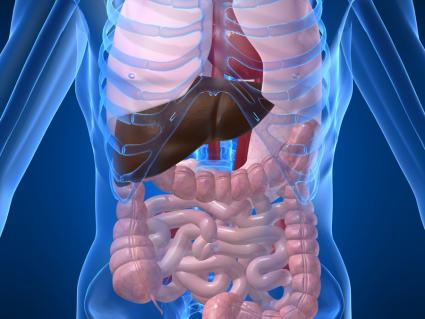
There is an epidemic of digestive imbalances that I see in my practice ranging from GERD, bloating and the larger category of IBS. IBS or irritable bowel syndrome diagnosis is like a big bucket that that holds many digestive imbalances that are not easily explained or improved. The body has clear and amazing ways of communicating with us and sometimes we need to learn how to read those messages. Our GUT is the seat of our immune system and as well as a reflection of digestion so it’s important to pay attention to digestive issues. Functional Medicine’s philosophy always starts with looking at the gut no matter how the body is out of balance. The good news about digestive imbalances is that diet is a very powerful tool to improve symptoms. The personalized approach of getting an up-close view of what patients are eating has allowed me to work very successfully with many suffering with IBS. My strategy is to create therapeutic changes utilizing the diet as a tool for healing as well supplementation and lifestyle modification. It’s amazing to see that simply changing/eliminating certain foods can make a huge difference in digestive symptoms.
On the next level, we know that looking at not only what we eat but also when we eat and how we eat unlocks many other digestive clues. For example, do you ever notice how you eat? A client recently reported that she eats so fast that she doesn’t remember what or how much or what she ate - others eat at their desks while answering emails for work and lastly the most common- eating in front of the TV. Of course, the body can’t digest properly under those circumstance - it’s not a mystery. You might recognize yourself here in that list and see how busyness affects how you eat and ultimately your digestion. Slowing down and chewing, putting the fork down and paying mindful attention to your food are simple, but not always easy, ways to digest your food. Try the exercise below!
HOW you eat challenge:
Challenge yourself to test the power of chewing. Start small with a meal or snack and give yourself 10 minutes (set a timer - you will be surprised how long 10 minutes is for eating) of undivided attention to eat. Notice your food, smell your food and chew your food. You might want to count your chews and aim for 20-30 per bite. Notice how the food changes in texture and flavor.
IBS can feel very challenging and hard to solve but a Functional Medicine approach takes the time to get to the root of the problem and create effective strategies to feel better!