Fight Inflammation With Gardenias (or Zhi Zi)

Gardenias or "Zhi Zi" are a popular herb used to reduce inflammation.
July makes me think of Gardenias, whose beautiful full petals were adorned by Jazz singer Billie Holiday. The sub –tropical Asian variety of gardenia used in Chinese herbal medicine is called gardiniae jasminoidis or “zhi zi”. Gardenia is a commonly studied herb.
This popular herb is used to reduce inflammation. In formulations gardenia is effective for toxic swellings of the skin, hepatitis, cholecystitis, urinary tract infection, high fevers, and hemorrhagic disorders.
Interestingly a recent study in International Immunopharmacology displayed the anti-inflammatory components of gardenia jasminoidis and its effects in the reducing inflammationin in the large intestine and with cases of arthritis.
Clinically, Zhi zi can be mood regulating and several studies point to this influence in the body. A study in the European College of psychopharmacology cites gardenia’s anti-depressant like effects.
Finding The Right Thyroid Hormone Replacement Therapy…For You
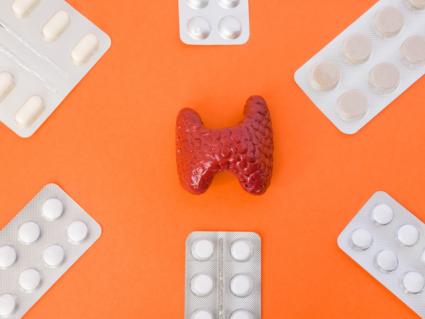
Finding the right thyroid hormone replacement requires a thorough investigation of clinical symptoms.
The most common medication used to treat hypothyroidism is levothyroxine which is a synthetic thyroxine (T4) that was developed in 1927. This medication must be converted to ACTIVE T3 for it to alleviate the symptoms of hypothyroidism. As I have discussed in the previous articles, there are many factors that can influence the conversion of T4 to T3 including stress, trauma, infections, liver or kidney dysfunction, toxins, and certain medications.
- Liothyronine is a synthetic T3 medication. Since it is an active thyroid hormone, it does not need to undergo any conversion. Additionally, it cannot be converted to RT3. This is why dosing for T3 is crucial, as too much can lead to hyperthyroid symptoms such as heart racing or palpitations, anxiousness, and insomnia.
- Another option for thyroid hormone replacement is desiccated porcine thyroid medication. Armour and Nature-Throid are the most commonly used desiccated hormone medications. Nature-Throid has been in use since the 1930’s. The desiccated glandular medications have both T4 AND T3 at about a 4:1 ratio. As an example, a typical starting dose of levothyroxine (T4) is 50mcg and for Nature-Throid it is 65mg (or 1 grain). The 65mg dosage contains a T4 dose of 38mcg AND a T3 dose of 9mcg. As the dosage increases or decreases, the ration of T4 to T3 stays the same at 4:1. With desiccated hormone therapy, there are also trace amounts of naturally occurring cofactors such T1, T2, and iodine which can also help to improve symptoms.
- Compounded thyroid hormone is another option. The medication is obtained by a compounding pharmacy and allows for customization of dosing. If the 4:1 ratio of glandular thyroid is too strong of a dose, it can be compounded to ratios that are less strong such as 5:1 or 6:1 etc. It is also beneficial for those that may require in-between doses that are otherwise not available by the drug manufacturer. The downside to custom compounding is that it is often not covered by insurance and therefore, it can be a more costly option than standard and desiccated glandular medications.
Fire and Water: The Pillars of the Heart
Calming the heart with acupressure.
In traditional Chinese medicine, the heart is associated with fire, and fire-like movement. Fire brings light and warmth to the cold and the darkness; fire is the center around which we socialize and break bread together, a source of comfort and assurance. Similarly, the traditional view of the heart includes moving the blood throughout the body, but also includes a sense of social interaction, and connection between self and others. The acupuncture channel of the heart should always be approached with gentle hands, and a gentle mind.
A point that we use often for heart health in acupuncture, including palpitations, irregular or rapid heart beats and anxiety, is called "shen men," or "gate of the spirits." It is located at the crease of the wrist, on the palm side of the wrist just inside of the tendon for flexor carpi ulnaris (see picture). It can be gently massaged with the thumb of your other hand for 3-5 minutes on each side for heart troubles of any kind, at night for sleep difficulties and any other time where symptoms such as palpitations occur.
Focus on Lyme Conference Update
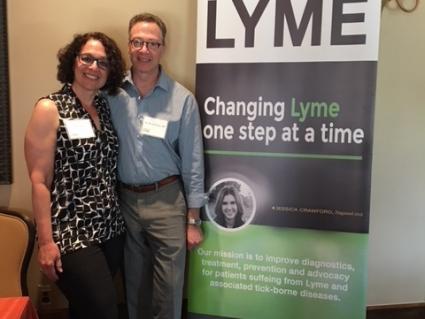
Highlights from the Focus on Lyme conference 2018.
Tammy Crawford, executive director and founder of Focus On Lyme, has once again produced a superb scientific conference and patient forum in Phoenix Arizona on April 26-27. Dr. Stram had the honor of presenting, among some of the top research scientists in the field, on the clinical importance of detoxification to enhance immune functioning during treatment. Here are highlights from the conference that reinforce the evidence for chronic, persistent Lyme disease in animal and non-human primate studies:
Nicole Baumgarth, DVM, Ph.D, Department of Pathology, Microbiology and Immunology and the Center for Comparative Medicine, University of California.
Baumgarth found, in her studies using mice, that B. burgdorferi targets lymph nodes early after infection and induces a strong initial antibody response (IgM) but cannot clear the infection with IgG antibody responses, which are short-lived). Furthermore, influenza immunization administered at the time of Borrelia infection, also failed to induce a robust antibody response. Collectively, her studies show that B. burgdorferi-infection results in targeted and temporary immunosuppression of the host and bring new insight into the mechanisms underlying the failure to develop long term immunity.
Monica Embers, PhD, Tulane National Primate Research CenterEmbers found that after treatment with 28 days of doxycycline, 4 months post B. burgdorferi inoculation, rehesus macaques showed signs of infection, and variation in antibody responses. In addition, there was evidence of persistent, intact, metabolically active B. Burgdorferi after antibiotic treatment. Furthermore, pathology findings in macaques treated with doxycycline for 28 days after 12-13 months of inoculation, showed intact spirochetes in the brains of 2 out of 10 macaques, and 1 out of 10 of the hearts. These finds support the notion of chronic Lyme disease as an infectious etiology.
Food Sensitivities: Why Are We All Reacting to Food?

How food is affecting our immune system.
One of the main jobs of our immune system is to evaluate everything that comes into our body as either friend or foe. When germs come into the body the immune system wants to capture them and remove them from our body. This type of response is exactly what we want the body to be able to do—to be on the watch for things that could harm us.
When we speak about the immune system in reference to food, we’re talking more specifically about the “gut”. We know that about 70% of our immune system lives in the gut and it’s actually the gate or barrier where our digested foods cross into our blood stream for the body to utilize. The impact of food as a possible immune challenge is significant as we don’t want our immune system having a reaction to food. Many people have autoimmune diseases and other imbalances that are connected to a lack of immune health. Since we eat every day and often, several times per day, it’s so important to know what/if foods are a challenge for our body. If we continually eat something that the body sees as a foe, especially when our immune system is already challenged, that can create a problem for the body.
Why are we having so many reactions?
1.Processed food: Our American diet has more processed foods with additives and chemicals which are seen as toxins or foreign invaders and can change the environment of our “gut”, making us more sensitive
2.Antibiotics: Research shows that antibiotics have been used too often to treat illness. Antibiotics work to kill “bad bugs” in our gut but they also kill “good bugs” that are the foundation of our immune system. This can change the landscape of our gut and make it more permeable. The increase allows our body to be more reactive to foods.
3.Stress: The gut is sometimes referred to as our second brain because of the nervous system that lives there. Chronic stress causes our body to secrete stress chemicals on a regular basis. This process wears down our immune system and makes us more susceptible to food sensitivities.
Here’s some basic definitions:
Food Allergies: A rapid immune response which is why they are often life-threatening (for example, peanuts or tree nuts).
Food Sensitivities: A slower forming immune response which makes them more difficult to pin down (sometimes dairy and gluten can fall into this category).
Food Intolerances: Non-immune reaction to food (e.g. lactose intolerance which means you don’t digest the “sugar” of dairy in the form of lactose).
An allergy is commonly diagnosed by your primary care doctor or an allergy specialist doctor like an immunologist. Food sensitivities can be harder to determine. They take longer to present and can impact the body in a number of ways. Some of these types of reactions include: digestive challenges such as bloating/constipation/nausea, sneezing, joint pain, hives, fatigue and even brain fog.
How do you proceed if you think you may have food sensitivities?
The gold standard to determine sensitivities is an elimination diet where you avoid the suspected foods for at least 3 weeks and up to 4-6 weeks. The most common reactive foods are: gluten, dairy, eggs, soy, peanut and corn. Some people notice improvement in how they feel shortly after removing the food; for other people, it can take a few weeks to see improvements. In the environment of an elimination diet it’s also important to avoid processed foods, support digestion by chewing well and eating calmly and overall reducing stress. It’s best to set the elimination diet in an overall healthy lifestyle to help get the clearest feedback from your body.
Foods to Help Fight Lyme
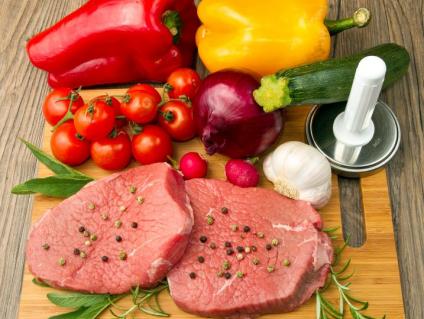
Here are some food suggestions for fighting Lyme Disease, and what foods to avoid -- taken directly from Dr. Stram’s PowerPoint presentation to Core Life Eatery’s sold out audience on June 13th in Vestal, NY.
We hope this information will help you in your quest to overcome Lyme!
FIGHTING FOODS:
Eat these foods in abundance…
Healthy oils and fats
- Almond butter
- Avocado oil
- Cashew butter
- Coconut oil
- Extra-virgin olive oil
- Ghee
- Organic or pasture-fed butter
- Tahini
- Walnut Oil
Raw or cured fruit fats
- Avocados
- Coconuts
- Olives
Nut milks
- Unsweetened almond milk
- Unsweetened Coconut milk
Nuts
- All raw or toasted nuts, except peanuts, which are a legume
(Note: When buying commercially packaged roasted nuts, check the label, as they might have been processed with sugars or oils that should be avoided.)
Seeds
- Chia seeds
- Flaxseed
- Pumpkin seeds
- Sesame seeds
- Sunflower seeds
Herbs, seasonings and condiments
- All Fresh and dried herbs, spices and rhizomes*
*Many commercially packed condiments and seasonings, such as mustards, horseradish, salsas, tapenades, vinegars, and herb/spice mixtures can be used if they were made without the addition of wheat-derived vinegars or any sweetener other than natural stevia. Be aware that some packaged products are made at plants that process wheat and/or soy and thus may be contaminated.
Vegetables
- Alfalfa sprouts Fennel
- Artichokes Garlic
- Asparagus Green beans
- Beets Haricots verts
- Bell peppers Jicama
- Bok Choy Kale
- Broccoli Leafy lettuce and greens
- Brussel sprouts Leeks
- Cabbage Mushrooms
- Cauliflower Mustard greens
- Celery Onions
- Collards Plantains
- Cucumbers Pumpkins
- Eggplants Radishes
- Rutabaga Swiss chard
- Sauerkraut Tomatillos
- Scallions Turnips
- Shallots Water chestnuts
- Spinach Watercress
- Summer squashes and squash blossoms Winter squashes
- Yellow was beans
Proteins
- Whole eggs
- Wild Fish Shellfish and mollusks
- Black cod Sea bass Calamari (squid)
- Halibut Trout Clams
- Herring Crab
- Grouper Lobster
- Mahimahi Mussels
- Red snapper Octopus
- Salmon Oysters
- Sardines Shrimp
- Grass-fed or pasture-raised meats Free-range organic poultry
- Beef wild birds
- Bison/buffalo Chicken
- Lamb Duck
- Pork Goose
- Veal Guinea fowl
- Grass-fed organ meats Ostrich
- Quail
- Turkey
LIMITING FOODS:
The following foods can be used in moderation.
Moderation means that you may eat small amounts (no more than 1 serving) of these ingredients once a day.
Nongluten grains
- Amaranth
- Buckwheat
- Millet
- Oats (Note: Although oats do not naturally contain gluten, if they are processed at mills that also handle wheat, they are frequently contaminated. Avoid oats unless they come with a guarantee that they are gluten-free.)
- Quinoa
- Rice (brown, white, wild)
- Sorghum
- Teff
- Nongluten flours used in very small amounts for dusting, coating, or thickening sauces only:
- Tapioca starch Chestnut Flour Brown rice flour
Legumes
- Dried beans Lentils Dried peas
Vegetables
- Carrots Parsnips
Full-fat dairy products (Use very sparingly in recipes or as a topping.)
- Cottage cheese cream kefir
- Milk Yogurt
Whole sweet fruits (Note: Those with an asterisk (*) are substantially higher in sugar, so consume these only as a special treat, and then only in moderation.)
- Apples
- Apricots *
- Bananas
- Berries (best choice)
- Cherries
- Grapes
- Mangos*
- Melons*
- Papayas*
- Pineapples*
- Pomegranates
Sweeteners
- Natural stevia Dark chocolate having at least 70 percent cacao content
Flavorings
- Unsweetened dark cocoa powder
Alcohol
- Wine, preferably red, but no more than one glass a day.
Foot Massage Support During Cancer Treatment

Massage can be a therapeutic during cancer treatment.
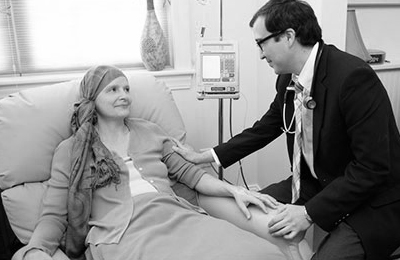
A foot massage is a near universally pleasant experience. It is calming, relaxing, grounding and just plain feels good. So let's just take it up a few notches to highlight some acupuncture points to press while massaging the feet. Combining these points can be very supportive for individuals who are undergoing cancer treatment. It is a great way to treat yourself, or show support for a loved one.
Our first point is the third point on the spleen channel. It is located on the instep of the foot, just behind the first "knuckle" of the big toe. This point strengthens the digestive system and promotes the healthy transfer of nutrients from food to our tissues. It is good for fatigue, boosting appetite and sluggish digestion.
Our second point is the third point on the liver channel. It is located between the 1st and 2nd metatarsal bones that lead to the big and second toe. It promotes the healthy functioning of the liver and is excellent for circulation to the lower extremities. It is good for neuropathy in the feet, stress relief and insomnia.
Our third and final point is the 41st point on the gall bladder channel. It is located between the 4th and fifth metatarsal bones that lead to the pinky and 4th toes. It is an excellent point for grounding and works well with liver 3 to promote circulation in the lower extremities. It is good for headaches, hotflashes, insomnia and neuropathy in the feet.
Frankincence and Myrrrh: As Valuable As Gold
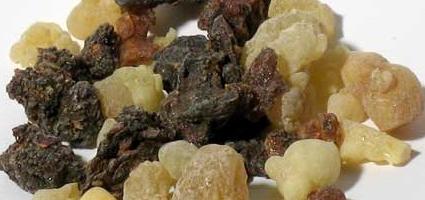
Frankincense and myrrh have been a widely used combination for thousands of years.
In many traditions frankincense facilitates the connection to the spiritual world. It has been used as the scent of purification in ancient Greek, Egyptian, Middle Eastern and Roman cultures. According to the Christian Bible, frankincense and myrrh were as valuable as gold and given to Jesus after his birth by the Magi (Wise Men). During that time frankincense and myrrh were highly valued trade items throughout the Middle East, Africa and Asia.
Medicinally, frankincense and myrrh are used for pain from traumatic injury, arthritis, and gastrointestinal pain. Scientists at Cardiff University have found that frankincense has demonstrated the inhibition of cartilage tissue breakdown, which leads to arthritis.
In Chinese Medicine frankincense (ru xiang) and myrrh (mo yao) are frequently used together to alleviate pain and swelling, decrease inflammation, and promote blood circulation. All of these functions serve to promote healing of tissue by wiping out debris and encouraging the regeneration of new cells.
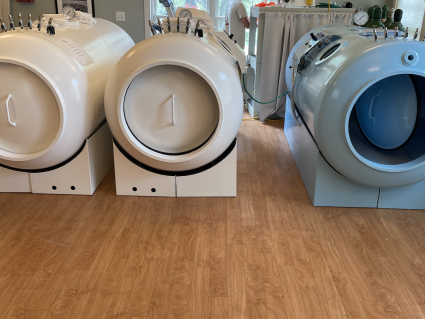
Frequently Asked Questions for Dr. Ronald Stram & Dr. Korey DiRoma: How does Hyperbaric Oxygen Therapy and IV Therapy Support Your Health?

We sat down with our medical founder, Dr. Ronald Stram, and our Naturopathic Doctor, Dr. Korey DiRoma, to discuss the benefits of hyperbaric oxygen therapy (HBOT) and IV therapy at the center. Dr. Stram and Dr. DiRoma have over 15 years of experience with working together to support hundreds of patients struggling with chronic illnesses all across the globe.
We first asked, "can you explain how HBOT can help patients who are living with post-COVID-19, or long haulers syndrome?”
Dr. DiRoma: "I think with COVID and long haulers we don't know the exact mechanisms, but we believe it to be as some type of inflammatory or chronic inflammatory response post infection. This could be a cytokine response, and we know that COVID causes a lot of cellular damage to tissues, whether it's lung tissue or other cellular structures. Based on this, hyperbaric oxygen therapy is going to not only allow those tissues to actually heal quicker from the damage of the infection but also help to reduce the inflammatory response of the cytokines.
We then asked, "what about the use of intravenous therapies, for instance using vitamin C, what are some of the benefits of using intravenous therapies versus oral supplements?”
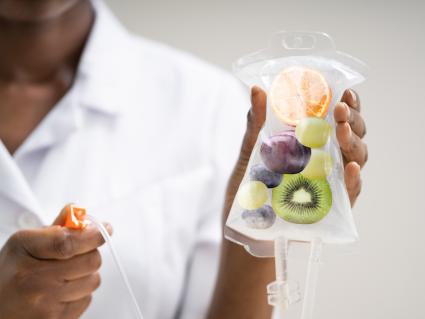
Dr. Stram: "With IV vitamin therapy, we bypass issues with gut absorption, so we're getting the vitamins directly into our bloodstream. This is helpful for people who maybe more depleted or feeling weak and fatigued. We can oftentimes get them all such an instant increase in vitamin levels, such as B vitamins, magnesium, B12 injections or vitamin D injections. In this way we can see almost a direct result, meaning often times when people have deficiencies of vitamins, we can get the quickest result as to which vitamin they are deficient in with IV therapy. Specifically with high dose of IV Vitamin C, it is more of a pro oxidant, or a killing effect. So, with chronic viral infections, or bacterial infections, we utilize high doses of vitamin C, versus low doses of vitamin C we would use for antioxidant and immune support."
We asked Dr. DiRoma, "can you talk about the tissues that are benefitted from high dose Vitamin C?”
Dr. DiRoma: For chronic viral infections or chronic bacterial infections that may be more intracellular, than vitamin C might actually be more helpful for that.
"Intravenously what tissues may be benefited from nutrient therapy? Or B Vitamin Therapy? What would be useful in the lower doses?”
Dr. DiRoma explains, “with lower dose Vitamin C we’re going to find that it's going to have more of an antioxidant affect, so with chronic inflammation, for people with diabetes, people with high LDL, high cholesterol levels, or some who are more immunosuppressed. Especially during the winter months, immunosuppressed people may benefit from low dose vitamin C and vitamin D injections to give that extra protective factor. We also do mineral therapies like zinc and selenium to help improve immune and thyroid function.
About Ronald Stram, M.D. About Korey DiRoma,, N.D.Frequently Asked Questions for Dr. Ronald Stram & Dr. Korey DiRoma: How does Hyperbaric Oxygen Therapy and IV Therapy Support Your Health? Related Blog Posts






Frequently Asked Questions for Dr. Ronald Stram & Dr. Korey DiRoma: How does Hyperbaric Oxygen Therapy and IV Therapy Support Your Health? Related Services

Hyperbaric Oxygen Therapy
Dedicated to treating the root cause of illness and using the most advanced integrative methods in a safe environment, the Stram Center for Integrative Medicine, under the medical supervision of Dr. Ron Stram, will utilize the benefits of hyperbaric oxygen therapy (HBOT) to complement and enhance the healing process in both chronic and acute conditions of our patients. You will…Hyperbaric Oxygen Therapy
IV Therapy for Chronic Illness
Chronic illnesses are on the rise in the US. From chronic Lyme disease, cancers, chronic fatigue, pain and more – patients are attempting to live their best lives while fighting a battle within. A patient’s response to chronic illness is unique – based upon many factors ranging from emotional response to the disease, individual physical symptoms, immune response and the duration of the…IV Therapy for Chronic Illness
IV Therapy for Wellness
We often associate healthcare with “sick” care – but then where does wellness fit in? At the Stram Center, we believe that it is not only important to heal the body, but to also bring the body into its utmost state of wellbeing.IV Therapy for Wellness

IV Vitamin C
IV Vitamin C and Cancer Care There is much research regarding the use of vitamin C (ascorbic acid) in cancer therapy. However, most of the research focuses on oral rather than the more effective intravenous (IV) route of administration. IV vitamin C has a significantly greater effect on immune enhancement than the conventional oral route of administration.IV Vitamin C
What is Integrative Medicine?
Integrative Medicine is the blending of conventional medicine with holistic, complementary and alternative medicine. Integrative Medicine is defined as healing-oriented medicine that takes account of the whole person – body, mind, heart and spirit – including all aspects of lifestyle. It emphasizes the therapeutic relationship and makes use of all appropriate therapies, both conventional…What is Integrative Medicine?

Chronic Illness
Nowhere is the need for an integrative approach more apparent than in the management of chronic illness. We are a synthesis of many systems all working together, and when one or more systems become diseased, all of the others will be stressed as well. From physical challenges, to the challenges of everyday living, to a satisfying quality of life, we have to go past seeing that illness in…Chronic Illness
Fructose: The Weight-Gain Sugar
Obesity is an epidemic in America that now affects many millions of adults and children. Obesity is classified as having a body mass index (BMI) of greater than 30.
According to the CDC, the percentage of the population who are obese has steadily increased from 14% in 1960 to 35% in 2008. The percentage of kids ages 6-19 who are obese has risen from 5% in 1976 to almost 20% in 2008.
What could be causing this large increase in obesity over the past 50 years? In a study published in the American Journal of Clinical Nutrition*, data from the US Department of Agriculture was analyzed using food consumption tables. Between the years of 1970 and 1990, high fructose corn syrup (HCSF) consumption increased by more than 1000%! No other food came close to this increase. For many years, average fructose consumption was about 16-20 grams (3-4 tsp) daily, mostly from fresh fruits. Now the average person consumes 80-100 grams (16-20
tsp) of fructose. Not difficult to do the math.
What exactly is fructose? Fructose is a simple sugar that is found naturally in fruits and vegetables, cane sugar, honey, maple syrup, and agave syrup. It is usually found in combination with glucose, another simple sugar. There are fruits, such as apples and grapes, that naturally have higher concentrations of fructose, generally 60% fructose and 40% glucose, and are therefore commonly used as “natural” sweeteners. HFCS
is manufactured to be anywhere from 55-95% fructose, with the rest being glucose. Honey, maple, and agave all have higher fructose concentrations.
Why do we use fructose? Well fructose is the sweetest tasting sugar, even sweeter than glucose. And in the early 1970s, studies started reporting that the use of non-glucose sugars was better for diabetic patients. So it began that fructose, mostly as HFCS, was added to foods and
beverages as a sweetener.
How is fructose making me gain weight? Fructose is metabolized much differently than glucose. It is metabolized in the liver and produces either more glucose, or more fats in the form of triglycerides. When this happens, blood sugar (glucose) levels can further increase (which can eventually lead to insulin resistance), and fat levels increase. Fructose also does not stimulate production of leptin , a hormone that controls appetite. When your leptin level is high, this tells the body to stop eating. Without that message from leptin, your appetite doesn’t know to ease up. So if you drink a can of soda, not only will this not satisfy your hunger, but in the long run it can lead to a pattern of over-eating and high daily calorie consumption.
What is the take-away message? To fight obesity, decrease your sugar consumption, especially in the form of fructose from HFCS, fruit juices, sweetened beverages, and processed foods. Look at those labels, read those ingredients (and understand what they are!), eat fresh foods whenever possible, and drink lots of water or herbal tea (no calories). And if you eat a lot of sugar, you have to exercise to burn sugar, otherwise it all gets converted to fat!
Consumption of high-fructose corn syrup in beverages may play a role in the epidemic of obesity.
Bray GA, Nielsen SJ, Popkin BM.
Pennington Biomedical Research Center, Louisiana State University, Baton Rouge, LA 70808, USA.
Am J Clin Nutr. 2004 Oct;80(4):1090.