A Conversation with Dr. Heidi Puc
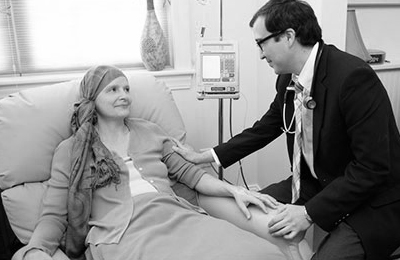
We spoke with Dr. Puc about holistic treatments she feels are most beneficial for battling metastatic breast cancer and why.
Lifescript Questions: Metastatic Breast Cancer
1.What complementary/integrative/holistic treatments do you think are the most beneficial for women with metastatic breast cancer, and why?
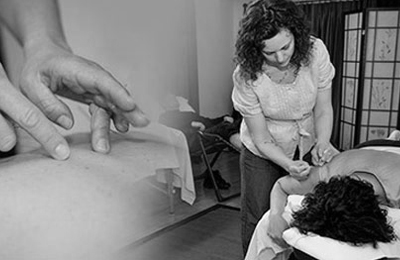
As an anti-inflammatory or Mediterranean diet can lower the risk of breast cancer, I suggest such a diet for patients with metastatic breast cancer. Such a diet is rich in antioxidants and I believe eating this type of diet may be more important than taking supplements of individual botanicals. The cruciferous vegetables such as broccoli, Brussels sprouts, and cauliflower contain sulforafane and indole-3-carbinol, which have been shown to block growth of late-stage breast cancer cells. Flavonoids (in apples, grapes), vitamin D (in salmon, sardines, tuna), tocopherols/tocotrienols (in almonds, wheat germ), curcuminoids (in turmeric), green tea, and flaxseed all have protective properties in breast cancer and should be in the diet of breast cancer patients. Medicinal/Asian mushrooms are helpful as they have anti-tumor and immune-boosting effects. Regular cardiovascular exercise (on most days of the week) and avoidance of obesity are important, as they correlate with decreased recurrence risk of breast cancer. Sleep is very important as high levels of melatonin reduce breast cancer cell growth. As stress is “permissive” for cancer cell division and metastasis, mind-body therapies for stress reduction (meditation, guided imagery, yoga, massage, acupuncture, and art/music therapy, amongst others) are recommended. Integrative modalities may be helpful for specific symptoms such as hot flashes (acupuncture, acupressure, exercise), nausea and vomiting due to chemotherapy (acupuncture, ginger, peppermint), and lymphedema (acupuncture, exercise, massage).
2. Are there certain holistic therapies, such as vitamin supplements, etc., that are actually dangerous if a woman is undergoing chemotherapy or radiation for MBC?
The concurrent use of antioxidants and vitamin supplements with chemotherapy or radiation remains controversial, as some argue that they may actually counteract the anticancer effect of these therapies, whereas others argue that the limited data we do have actually supports a favorable effect with chemotherapy and radiation. There is a general lack of well-done clinical trials, and with so many new breast cancer therapies being approved and with so many supplements available, clinical trials for every possible combination do not exist and are unlikely to even be done. We do know that certain supplements such as St John’s Wort, echinacea, grape seed extract, Kava, and possibly garlic are metabolized by the same liver enzyme system (CYP3A4 metabolic pathway) as many chemotherapy drugs are (such as cyclophosphamide and the taxane drugs), and should be avoided while on these chemotherapies. It is most reasonable to obtain these antioxidants through an anti-inflammatory diet, but if patients prefer to take supplements, high dosing of supplements should be avoided (an exception is high dose IV vitamin C, which functions as a pro-oxidant at high dose, rather than as an anti-oxidant).
The use of acupuncture during chemotherapy is generally considered safe, however there is a concern about safety if the platelet count is less than 25,000 due to a theoretic risk of bleeding, or if the white blood cell count is severely low, due to a theoretic risk of infection.
There have been some case reports of cyanide poisoning in patients on high dose IV vitamin C therapy who were concurrently ingesting apricot seeds. In addition, indole-3-carbinol and DIM supplements can interfere with the effectiveness of Tamoxifen.
3. Are complementary/holistic therapies mainly beneficial for helping women deal with the side effects of chemotherapy or radiation, or are there some therapies that can actually slow the progression of the cancer?
A low fat diet with ample vegetable and fruit intake and a high level of physical activity have shown the most promise in improving recurrence and mortality from early stage breast cancer in clinical trials; this data may be extrapolated to the metastatic setting, where such data is more limited. Fish omega-3 intake (eating fish or taking fish oil supplements) has been shown to reduce the risk of breast cancer in pre- and post-menopausal women. A body of evidence has suggested that melatonin at doses of 20 mg daily may prolong survival of patients with advanced breast cancer (as well as those with advanced lung and brain cancers). The issue of soy in breast cancer is controversial and complex, but one overview of four prospective American and Chinese cohort studies of breast cancer survivors showed a lower recurrence risk and trend toward survival benefit in those consuming 10 mg of soy isoflavones per day or more. The Shanghai Breast Cancer Survival Study showed that soy food intake was inversely associated with breast cancer death and recurrence. Flaxseed has been shown to lower breast cancer tumor cell growth, increase tumor cell death, and reduce HER2NEU expression in breast cancer patients. Chinese herbal agents, certain mushrooms (maitake, shitake, reishi, and turkey tail), and some Ayurvedic (Indian) herbs do show anti-breast cancer effect in laboratory and animal testing as well as in some human trials. Some cohort and case-control studies did show a lowered risk of breast cancer with green tea consumption. Curcumin (derived from the root turmeric) shows anti-tumor effect for a variety of malignancies in the lab setting, and human trials are being done. Oleic acid (omega-9 fatty acid) in olive oil, avocados, hazelnuts and cashews can suppress HER-2NEU tumor cell growth and can assist the action of Herceptin, a chemotherapy used in breast cancer. Vitamin D inhibits breast cancer cell growth, and calcium intake can decrease the risk of breast cancer. Alcohol is linked to an increased risk of breast cancer, so avoidance or minimizing intake in breast cancer patients would be prudent.
A Healthy Lifestyle is Essential For Battling Cancer

It has been estimated by the World Cancer Research Fund that one-quarter to one-third of the cancers that occur in the United States are due to poor nutrition, physical inactivity, and excess weight. This research supports the Stram Center's belief that embracing a healthy lifestyle is essential for anyone whose life is unfortunately touched with cancer. A healthy lifestyle can be defined by diet, exercise, stress management, and sleep.
Follow the recommendations and recipes below to optimize your health for cancer prevention, treatment, and survival.
1. Minimize pro-inflammatory foods
2. Boost your immune system
3. Promote a stable blood sugar
4. Balance your hormonal risk
5. Maximize the nutrient density of your diet: antioxidants, phytochemicals, vitamins and minerals- kale salad
6. Embrace all aspects of a healthy lifestyle
7. Pick your battles
Plant-based foods are rich in protective compounds including antioxidants/phytochemicals, which help boost the immune system and fight off cancer. Plant based foods are also rich in dietary fiber, which helps keep the bowels healthy, as well as help to grab onto and pull out excess hormones, cholesterol, drug metabolites, toxins, etc. Antioxidants, phytochemicals, and dietary fibers are a huge part of protecting against and fighting cancer in the body. These compounds are only found in plants, which mean the animal based foods are lacking in these protective compounds. Make dietary changes at your pace, but always work towards including as many plant based foods as possible to optimize your health for cancer prevention, treatment, and survival. See the following blog post for a tasty fall friendly anti-cancer recipe.
Curried Autumn Stew
Recipe By: Eric C. Sharer, MPH, RD, CSO, CDN Serves 6
Ingredients
4 cups water 4 cupsvegetable stock
*1-3 tbsp. low-sodium soy sauce
1 eachlarge onion, peeled, cored, and diced
1 eachbell pepper, cored and diced
6 each large garlic cloves, peeled and diced
4 cups butternut squash, peeled and diced (approx. 1 medium or ½ large squash) 2 cupcabbage, shredded (approx. ½ small head)
1 each15-oz can diced tomatoes
*2 tbsp curry powder
*2 tsp. cumin*2 tsp. ground paprika
*½ tsp. black pepper
1 each15-oz can kidney or black beans, rinsed and drained
2 cups fresh or frozen organic corn2-3 tbsp. Vinegar of choice such as brown rice vinegar or apple cider vinegar
* Season soup according to taste. Also add any of your favorite vegetables such as broccoli, cauliflower, carrots, celery, etc.
Directions
1.Add all ingredients to a large pot except for the beans, corn, and vinegar. Bring to a boil and reduce to a simmer.
2.Cover and simmer until the squash and remaining vegetables are tender. Approximately 15-20 minutes.
3.Add the beans and corn. Cook for 5 minutes longer.
Adjust the seasoning according to taste and add the vinegar, stir thoroughly and serve.For those who dislike vinegar leave it out or pour ½ tsp. per individual bowl.
A New Approach to Hair Loss- A Guide to PRP Treatment for Aesthetics
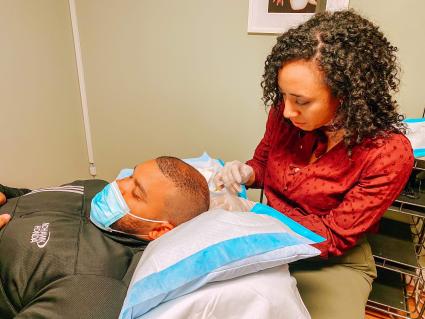
PRP therapy for hair loss is known as Platelet Rich Plasma Therapy. It is a simple, non-surgical procedure where the patient’s PRP is extracted by drawing blood and separating the Platelet Rich Plasma from the rest of the blood with a centrifuge. The plasma is then injected into the thinning areas of the scalp to stimulate hair growth and provide fuller and healthier looking hair. The procedure takes about one hour and provides reasonably reliable results with an incredibly quick recovery period. It is perfect for patients looking for an alternative to a full hair transplant or to supplement hair transplant procedures.
Your blood contains platelets that are rich in growth factors, which are the healing factors in our body. These platelets promote healing by restoring the normal strength in tissue, increasing local blood flow, and stimulating hair follicles. The success rate depends on the patient’s reason for hair loss and the hair loss pattern. Most patients start noticing benefits around 3 months after their first treatment, however it is recommended to have 3-4 sessions for the best results. It takes time for hair to grow back, and hair can continue to regenerate after the last treatment. After this, you may want to get another round every 6-12 months for continued support of growth.
Hair loss can be triggered by medication, hormonal changes, stress, nutritional disorders, thyroid disorders, depression & anxiety, and by genetic disposition. Many current hair growth options involve harsh chemicals that can damage the scalp and come with a number of side effects. Hair transplant surgery is another treatment option that carries its own risks, along with a cost ranging $4,000-$15,000 for procedures. Alternatively, PRP is safe, effective, and natural. One research study1 showed the increase of epidermis thickness and increase in number of hair follicles 2 weeks after PRP treatment compared to baseline. The study concluded that injection of PRP preparations has positive therapeutic effects on hair loss without major side effects.
Hair loss remains one of the most common ailments that does not have widespread satisfactory treatment. Hair loss disorders affect men and women of all ages and ethnicities. If your hair loss is affecting your physical appearance, emotional state, self-identity, and self-esteem, you are not alone, and it is time to seek a solution.
1 Gentile P, Garcovich S, Bielli A, Scioli MG, Orlandi A, Cervelli V. The Effect of Platelet-Rich Plasma in Hair Regrowth: A Randomized Placebo-Controlled Trial. Stem Cells Transl Med.2015;4(11):1317-1323. doi:10.5966/sctm.2015-0107
------
There are a number of reasons why this procedure may or may not be right for you. You can schedule an appointment with one of our providers.
A New Approach to Hair Loss- A Guide to PRP Treatment for Aesthetics Related Services
Platelet Rich Plasma (PRP) and Prolotherapy
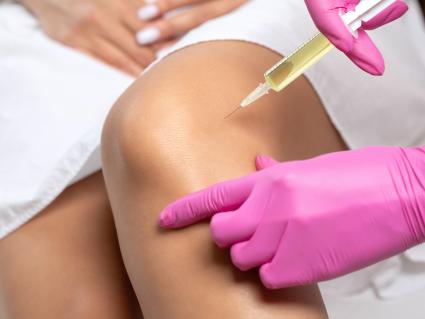
If you have suffered from chronic joint pain or a sports injury to a ligament or tendon, regenerative injection therapy may be a treatment option for you. There are different levels of joint dysfunction. There are also different levels of treatment. The right injection therapy can help you increase function, decrease pain and healing time, and get you back to living your best life faster.…Platelet Rich Plasma (PRP) and Prolotherapy
A Note of Gratitude

As we let go of 2023, with its shortcomings, pain, beauty, and resilience, we move forward to this new year. I will always encourage my clients to reflect and explore their year, progress, pain, and gratitude. I too encourage myself to do the same. My gratitude for my work, my clients, their willingness to be open, and my bearing witness to their pain, makes me ponder and reflect on how rare it is to do my job and only my job
In this western world we live in, healthcare workers are often burnt out, juggling many tasks and roles and, at times may find it hard to do the work they were intended to do. The beauty in working at a multi-disciplinary integrative office is the ease of knowing your clients are cared for by others, and also passionate and eager to help and heal.
This integrative approach allows our workers and clients to receive the care they need with compassionate healers who are not just performing in other roles, but perfecting them. I am so incredibly grateful for my role being here at the Stram Center, and my expertise and knowledge growing. I am honored to be here; I have a space, a home, carved out just for my craft. In a world full of destruction, chaos, and pain, we look to our healthcare workers to offer us breath light, and love.
This western world also holds such a stake in getting rid of our pain, and eliminating it, and I am grateful to be at a practice that helps us understand, manage, and live in it so that we can make sense of what we are going through and work towards healing.
I believe that the more hands we have, to carry us through life, it’s easier to then move through pain. Here at the Stram Center, I am grateful for our ability to hold our patients, hand, and hand, offering them the support and love we all crave, desire, and need.
About Danielle Stram,, M.S. Ed, LMHCA Note of Gratitude Related Blog Posts


A Note of Gratitude Related Services

Mental Health Counseling
At the Stram Center, we recognize that mental health is often the basis of your potential to navigate life’s challenges as well as to heal from physical illness. Understanding your full self, including traumas and difficulties you may have experienced, is often the first step to learn what your unique strategies are in the face of life’s difficulties. Quality healthcare should include support…Mental Health Counseling
A Thank You Letter From Liliana: Nutrition Intern

A thank you letter from Liliana - our nutrition intern!
Dear Stram Center:
The day I first came to you, I was really excited and had no idea on what to expect. All I knew is that I wanted to come to this place that was clearly resonating with my whole idea of health.
“This is heaven.” I thought. It was love at first sight. One hour with you and I was already fascinated by everything I was learning. And so it started…
I felt overjoyed when I saw how your patients where actually getting better and were ever so grateful and convinced about this kind of medicine. These doctors are actually changing the world in a kind and honest way.
I don’t know how my twice a week presence here suddenly became three, four, five days a week… But the more I got to know you, the more I knew I wanted to be here and create something and keep learning. It was a genuine feeling. I felt inspired. You captivated me.
I also wanted to take care of your patients with what I know and love: food. After all, your first approach to better health is thinking of “food as medicine”, and my whole idea is making such food delicious. So the smoothies turned into meals. The more I saw people happy, the more I wanted to be there for them.
Time was going by quickly and I was getting all of these mixed emotions about leaving you. I was (still am) worried about leaving everyone behind, with no one to cook!
But the time to say good-bye arrived. It was really hard. You have wonderful people working with you; they make your heart beat and give you an outside glow. People who changed me. Who I wanted to get to know and are like no others I’ve met. Your patients keep you alive, because they believe in you.; In everything you have done for them. There is no other one like you.
Thank you for having me. For guiding me. For opening your door. Opening my eyes. And most importantly, for believing in me with that big smile I got from you every time I was there.
Beautiful Stram Center: I’m gone for now, but will be back. That is a promise. This is just the beginning.
Love always,
Liliana
A Tool to Rejuvenation: Hyperbaric Oxygen Therapy
In our older years, staying healthy includes engaging in meaningful activities that allow us to age without a sense of regret. They have to be worthwhile, balanced between innate capabilities and direct challenges, have appropriate external support, and produce a positive, purposeful outcome. By reframing aging in terms of your behaviors and attitudes, rather than systemic and consistent health declines, you can encourage the growth of your spirit. In combination with your meaningful efforts to improve your life purpose, using food as medicine, movement to maintain strength and balance, and mental health counseling and social engagement to improve your psychosocial wellbeing, you can age gracefully by living life to its fullest
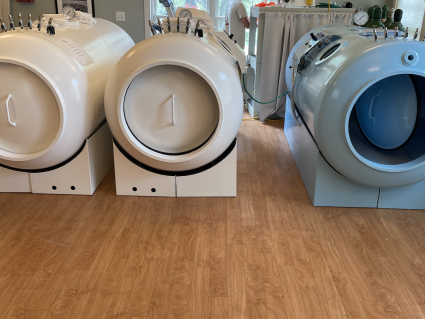
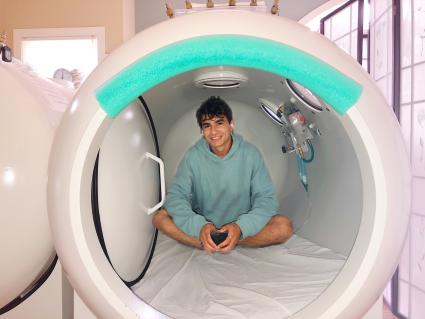
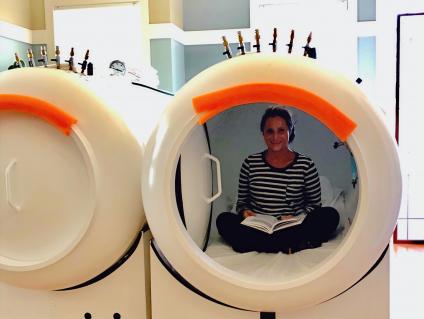
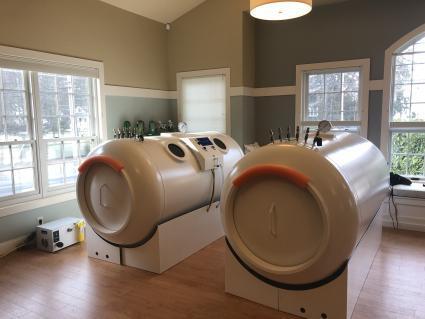
Hyperbaric Oxygen Therapy (HBOT) helps combat degenerative conditions that we experience in our older years, such as Alzheimer’s, Parkinson’s, and Coronary Heart Disease. The benefits of HBOT for our older population are twofold: they contribute to the regeneration of tissue and blood vessels by stimulating angiogenesis in areas of the compromised body, and they promote collagen activation to help battle the unfortunate realities of aging.
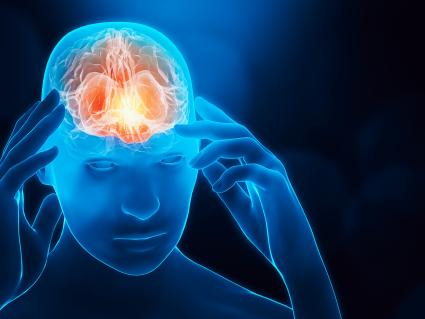
Perhaps one of the most traumatizing diseases in old age is Alzheimer’s, which is a gradual disappearance of the person you know and love. Although various drugs such as Galantamine, Rivastigmine, and Donepezil are found to improve symptoms, there are several side effects associated with these drugs, such as nausea, loss of appetite, weight loss, weakness, drowsiness, and dizziness. Among the various treatments, HBOT has become a focus of interest due to its non-invasive nature. Multiple studies suggest that HBOT stimulates neuroplasticity, neurogenesis, and improves reaction time and memory.
Elevated levels of cortisol are associated with psychological distress, declines in cognitive performance, and decreases in memory-related structures in the brain. In chronic states of distress, there is a severe effect on bone renewal, predisposing people to bone loss. By incorporating an HBOT session 2-3 times per week, there is evidence that suggests that bone healing can occur, therefore improving osteoporosis symptoms. HBOT allows our bodies the extracellular aid it needs to reduce inflammation, maintain skin elasticity, improve muscle functioning, and reduce age-related muscular degeneration.
Although health declines can feel disheartening, desired health goals should not just include blood test parameters. Our aging must include purpose. Our aging encompasses what makes us grandparents, parents, ageless friends, and pillars of our community.
Source
1. Shwe et al. (2021) Hyperbaric oxygen therapy restores cognitive function and hippocampal pathologies. Mechanisms of Aging and Development, 195.
About Ronald Stram, M.D.A Tool to Rejuvenation: Hyperbaric Oxygen Therapy Related Blog Posts


A Tool to Rejuvenation: Hyperbaric Oxygen Therapy Related Services
Anti-Aging Therapy
How to Combat the Anti-Aging Process with Intravenous (IV) Therapies As we get older how do we combat the natural effects of the aging process?First, we have to look at some of the main factors that cause the symptoms of aging and degeneration. These symptoms include fatigue, muscle weakness or muscle loss, reduced stamina and endurance, poor memory and cognition, and chronic inflammation and…Anti-Aging Therapy
Hyperbaric Oxygen Therapy
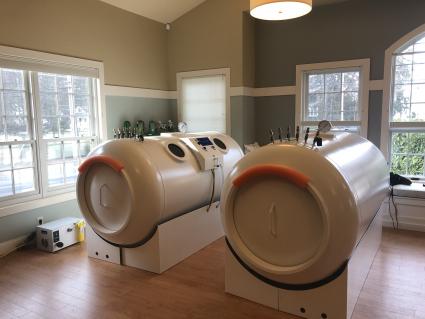
Dedicated to treating the root cause of illness and using the most advanced integrative methods in a safe environment, the Stram Center for Integrative Medicine, under the medical supervision of Dr. Ron Stram, will utilize the benefits of hyperbaric oxygen therapy (HBOT) to complement and enhance the healing process in both chronic and acute conditions of our patients. You will…Hyperbaric Oxygen Therapy
Stress Reduction
Many of the therapies offered at the Center, from Integrative Medicine, to Massage Therapy, to Healing Touch, Acupuncture, and other forms of traditional Chinese medicine, are extremely effective in helping people reduce stress.Stress Reduction
Acid Reflux Drugs: Over the Counter or Over The Top?
A ground-breaking study made public recently has revealed that common over the counter acid-reflux drugs such as Prilosec and Nexium can be detrimental to users’ health and have potentially fatal side effects. Petitions have been presented to the U.S. Food & Drug Administration urging law enforcers to place the strongest warning labels possible on these over-used over the counter drugs.
Use of such proton-pump inhibitor medications can result in worsening symptoms as a result of “rebound acid hypersecretion”, causing an addiction-like dependence on the medication. Moreover, long-term use of such drugs can result in magnesium deficiencies, severe muscle cramps and potentially critical cardiac arrhythmias. There are safe and effective natural remedies that can help acid reflux conditions and avoid poteintially life-threatening side effects such as herbal supplementations and medical masage techniques like postional release therapy.
Action Requested Not an Apology – Lyme Forum
What’s going on here?
On Monday, I attended a forum hosted by Honorary Chairman Congressman Chris Gibson and the LymeNext Organizing Committee at Skidmore College in Saratoga Springs. I was struck by the association one of the speakers made between the current treatment denial by insurance companies for LYME Disease and the government sponsored Tuskegee research performed from 1932 to the 1970′s which looked at the long term effects of syphilis in the black population.
Essentially, after penicillin was discovered as a cure, researchers continued to deny such treatment to many study participants. Many patients were lied to and given placebo treatments so researchers could observe the full, long term progression of the fatal disease. The current denial by insurance companies, for the long term treatment of chronic Lyme sufferers, rang parallel to the Tuskegee experiments in which effective treatment was withheld.
What’s going on here? Why is the treatment of Lyme Disease blocked and so politicized? And what about the extreme out of pocket costs for those who seek treatment because of insurance company denial? Do we need to go as far as a congressional committee to get suffers of chronic Lyme the treatment that will alleviate their suffering? That is how the Tuskegee experiments were finally resolved which resulted in the enactment of the National Commission for the Protection of Human Subjects of Biomedical and Behavioral Research and the National Research Act.
It wasn’t until May 16, 1997, when President Bill Clinton formally apologized and held a ceremony for the Tuskegee study participants.
We need to learn from the injustices of the past and get the Lyme Disease reform needed for treatment for chronic lyme mainstream. We want action not an apology.
Acupressure (P6) For Nausea & Anxiety Relief
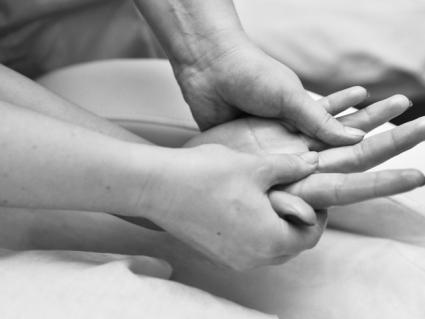
Acupoint pericardium 6 is the primary point for nausea and can also help relieve anxiety.
The end of the year and holiday season can be a very joyous time, but also a quite stressful time for many people whether due to family pressures, financial strain, food and drink temptation and indulging and more. I chose the acupoint pericardium 6 for this month because of its many actions and indications applicable during this time of year and because I’ve been demonstrating for patients how to apply self-acupressure on this point quite frequently in my practice lately.
The pericardium surrounds the heart and the channel itself starts in the chest and courses down the inside of the arms as well as descends through the diaphragm into the abdomen. Pericardium 6, named Nei Guan or Inner Gate, is located on the inside of the wrist about the distance of two thumb widths from the wrist crease between the two thin tendons that run through the middle of the forearm. If you make a beak shape or claw with your hand, you can see these tendons. This is the point where the wrist sea bands are placed to help with nausea, the name coined from sea sickness that can occur with motion on the water. This is the primary point for nausea and in studies has shown better results over anti-emetic medications. It can also reduce a stomachache or cramps.
When stress and anxiety manifest as a tightening and/or palpitations in the chest, this point is powerful for opening the chest, calming the spirit, relieving agitation, regulating the rate and rhythm of the heart, and helping with sleep. Nei Guan is a Taoist expression meaning to examine oneself with a heartfelt searching of one’s inner world. This point can be used “when the person is out of touch with what they want out of life, giving connection and taking the person within them self... when this gate is working smoothly, the person can see things more clearly, establishing a balance of the body and mind, increasing coordination and reducing chaos. This point brings the mental and physical symptoms into line, drawing the physical symptom into the mind, getting to the heart of the matter, accessing the inner pathway of the spirit” (J.R. Worsley.)
So if needed this holiday season, if in a moment of anxiety or indigestion, try giving yourself pressure here, it doesn’t have to be forceful, just a gentle pressing. Hold one side for 5 minutes or so, then switch to the other side, and you can keep switching back and forth. While doing so, take deep comfortable breaths and reassuring yourself that you can get through this holiday season with grace.
Sources:
A Manual of Acupuncture by Peter Deadman & Mazin Al-Khafaji with Kevin Baker.
Spirit of the Points by J.R. Worsley, Lonny Jarret, et al.
Acupuncture Benefits During Chemotherapy
A groundbreaking study from 2000, published in the Journal of the American Medical Association found that women undergoing high-dose chemotherapy for breast cancer who were getting acupuncture had 1/3 the number of emetic episodes (vomiting) compared to women receiving triple anti-emetic drug therapy alone.
Studies published since then have also found decreased fatigue, reduced nausea, improved sense of well-being, improved dry mouth and other benefits to patients receiving acupuncture for the effects of chemotherapy or radiation.