Lyme Disease
Updates from the LymeBytes Conference

The Stram Center team recently had the opportunity to attend the Lyme Bytes Symposium in Mystic, CT to enhance our knowledge and network with other professionals. We found several presentations to be helpful, especially one on mold and mycotoxins, another on PANS and PANDAS addressing psychiatric symptoms in pediatric patients, and more. We built on our understanding of the impact that infections have on hormonal balance and what tools to use to facilitate healing those imbalances. We learned more about how each sex hormone and stress hormone plays a role in treating chronic illness including how lower testosterone can increase risk for infection due to impairing the body’s immune response....
Read MoreLyme Disease: Treatment is a Multidisciplinary Approach
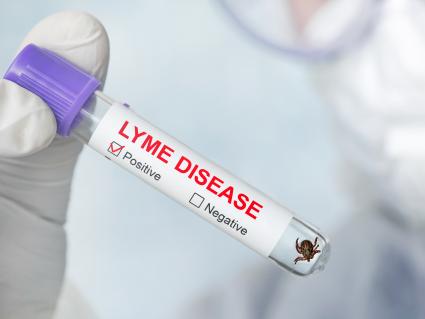
As we head into Lyme Awareness month, let us highlight the multi-modal approach that it takes to treat the complex condition that is Lyme disease. Treatment for Lyme disease is not a “one size fits all” approach and looks different for every single patient. Several factors, including but not limited to, duration of illness, parts of the body involved, co-infections present, and underlying health status, play a significant role in clinical decision making to decide what treatment(s) are appropriate for any specific patient. Lyme disease can infect any tissue in the body, and therefore has the ability to affect several body systems at once. This often leads to a multitude of symptoms across body systems that seem to be unrelated, but are in fact, all connected. Since this can look different for every patient, having a practitioner in Integrative Medicine to take the time to listen to you and put all of the pieces together is essential to achieve proper evaluation and treatment.
Read MoreLyme Disease and Mental health

For those who are not diagnosed and treated in the early phases of Lyme disease, symptoms can progress to affect almost every part of the body. Some people present with chronic pain, some with autoimmune diseases, and some with predominantly neurological symptoms. Neurological Lyme often includes sudden changes in mood which can impact a person’s day to day life functions.
Read MoreHerbal Support For Lyme Disease

Lyme disease a bacterial infection caused by Borrelia Burgdorgeri and in late stages, it can be difficult to treat. There is evidence that the Borrelia bacteria persists in tissues and can shift its form or shape in unfavorable host conditions, including a round body or cyst shap1.Different types of antibiotics and herbs have been studied to find the most effective agent that can kill or eradicate all forms of the bacteria. In subculture studies, single antibiotic agents are often found to be ineffective at eradicating all forms of the bacteria, therefore, multiple agents may be used in order to increase effectiveness of therapy.
Read MoreSupporting your Immune System: What Should You Eat?

For patients battling Lyme disease and tick-borne illnesses, nutrition plays a critical role in recovery. Food can serve so many purposes; from enjoyment and pleasure to tissue healing and reducing inflammation. Besides avoiding major inflammatory ingredients (such as processed foods, inflammatory oils, alcohol, added sugar, and artificial sweeteners), it is important to specifically support the immune system, as that is the critical component to overall healing. For immune wellness, here are some key components:
Read MoreDon’t Get Ticked Off, Be Tick Smart
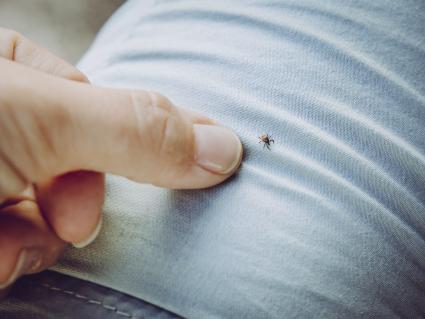
With the warm weather we are all starting to spend more time outside and venturing on to grassy playing fields and into the woods. We are not the only ones who emerge from hibernation with the warming temperatures, ticks also come out to play. We need to be aware of how to prevent tick bites and what to do if we get one!
Read MoreIs There a “Lyme Diet”?

For individuals affected by Lyme disease, treatment can take many forms. There are medicines and herbals. Complimentary therapies and mental health support. And diet can make a substantial impact for most people. Rather than one particular “Lyme diet”, nutrition is as individualized throughout one’s Lyme healing journey as it is throughout one’s lifetime. No one “diet” is meant to serve a person their entire lives—nutrition therapy is meant to shape one’s particular needs at any life stage or healing phase.
Read MoreLiving with Chronic Pain

As the weather is getting warmer and we are emerging from our winter hibernations through spring blossoms and soon into early summer, we will see a rise in tick borne infectious disease. Lyme disease is a bacterial infection we get from infected ticks. Symptoms of the initial infection may or may not include a bullseye rash but can also include fever, headache, chills, fatigue, muscle and joint aches, and swollen lymph nodes. If the infection isn’t treated promptly, symptoms can progress into neurological tissue and cause systemic and local inflammation that manifests as arthritis, severe joint and nerve pain, dizziness and cognitive issues, and memory problems.
Read MoreWhat Can You do to Prevent Ticks?

Happy beginning of spring! With the weather warming up, we are all so excited to venture outdoors, set up our gardens, walk new trails, and enjoy all that mother nature has to offer. However, this is the time of the year where ticks are also increasing their outdoor presence. It is important to remember that ticks are not only present in deep wooded areas, but are also present in common places that you may be in every day, such as your yard. It is best practice to try to be as tick safe as possible whenever you are outdoors, even if you are not in the woods.
Read MoreTick Prevention and Good Nutrition

In this day and age, the likelihood of getting a tick bite, either directly or from a tick carried in by a pet, is pretty good! That’s the bad news. But now that we’ve gotten that out of the way, the good news is you can do something about protecting yourself. Certainly, equipping yourself with proper outdoor gear helps but you can protect yourself from the inside as well. That’s where good nutrition can lend itself. The right nutrition can really support your immune system, fighting infections and battling bacteria so it doesn’t take root, causing a myriad of symptoms. We can especially support our immune system by improving gut health (where most of the immune system lives) and lowering overall inflammation in the body.
Read More