What is the Craze with Cupping Therapy? And How Does it Work?

Many people think that acupuncturists only provide acupuncture. But in fact, the practice of Chinese medicine includes 5 modalities which are acupuncture, Chinese herbal medicine, body work (including tuina and shiatsu massage,) nutrition, and Qigong meditation. In some states acupuncturists are considered primary care physicians. In addition to these practices, acupuncturists also use moxibustion which is heat therapy consisting of safely burning the plant mugwort in different dried forms on or above the skin, gua sha which is a smooth scraping technique for pain, and cupping. I’ll share more about cupping here and if you’d like to try it, it can be added on to your treatment....
Although cupping dates back thousands of years within the practice of Chinese Medicine, its use has also been documented in ancient Egypt, Greece, other European and Asian countries, by Native Americans, and is now being used by many massage therapists. Chinese medicine is based on the concept of Qi, which roughly translates as energy or our circulating life force. Ailments and injury can disrupt the flow of both Qi and blood. Cupping is one modality that can move stuck Qi and body fluids to improve health.
Cupping involves placing glass, silicone, or plastic cups on the skin and creating a vacuum by suctioning out the air. I often describe cupping as the opposite of massage—whereas massage is pushing into the body, cupping is pulling away. The suction pulls the skin, tissues and muscles upward, softening them. It feels very good and is not painful. If the suction feels too strong, it can be adjusted to relieve tightness. I often combine cupping with acupuncture into one treatment, but it can also be used alone. Adding cupping to an acupuncture treatment often allows for increased relief of symptoms and underlying issues.
The benefits of cupping include helping to: increase circulation, relieve muscle pain, tightness and headaches, promote healing from injuries, stimulating lymph and blood flow to increase detoxification, relieve respiratory issues like initial onset of a cold or flu or chest congestion, improve skin, and promote relaxation by relieving physical illnesses that result from stress and anxiety.
Depending on your comfort and the acupuncturist’s assessment of the problem, cups may be left in place or moved around with the use of oil to help them slide. They may stay on your body briefly or for several minutes at a time. Each treatment is unique to you on that particular day. One very common area to be cupped is the back and shoulders, although cups can be used anywhere on the body where a broad enough area of the skin can be accessed such as the hips, legs, arms, and even the face to relieve sinus pressure, address facial paralysis, and improve the vitality of the skin.
The treatment can cause temporary circular red marks similar to a bruise although it does not feel like a bruise. If used on the face, this will be avoided. You may have seen some of the athletes in the last summer Olympics with cupping marks. The discoloration can last anywhere from one day to a week. This is an indication of increased blood flow. If there is an injury or energetic blockage under the area that was cupped, this often creates more change on the surface of the skin. Sometimes the skin only turns pink during the treatment and then dissipates right after. Once the marks have cleared, the procedure can be repeated. To be cautious I generally practice a less intense treatment the first time, and then see how the patient reacts before allowing for longer amounts of time and more suction.
Cupping is not to be used on patients who bleed easily and/or cannot stop bleeding, have a history of deep vein thrombosis, have skin ulcers or edema, or on patients who have active cancer that is spreading. Pregnant women should be cupped with extreme caution and never on their abdomen or lower back. Your acupuncturist will go over your health history to ensure cupping is safe for you.
If you’ve ever been curious, or wondered if cupping can help you, come give it a try!
What is the Craze with Cupping Therapy? And How Does it Work? Related Blog Posts


What is the Craze with Cupping Therapy? And How Does it Work? Related Services

Acupuncture
Did you know that acupuncture has been shown to be more effective than conventional treatment for migraines, back and knee pain? Acupuncture is also the complementary therapy most recommended by medical doctors (M.D.'s), and is covered under more insurance plans than ever before. No other traditional healing method has ever earned as much world-wide success, recognition and support! Acupuncture…Acupuncture
Acupuncture for Cancer Patients
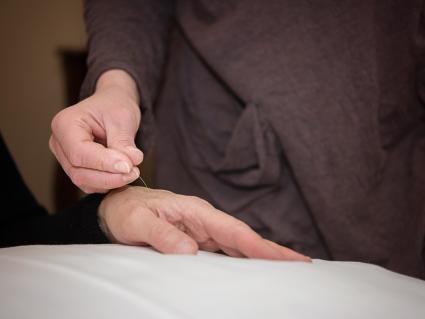
Acupuncture provides a valuable complimentary therapy for the reduction of the symptoms and stresses of the cancer patient. In addition to its well known effectiveness at reducing many pain syndromes, reducing insomnia and anxiety and moderating digestive complaints, a great deal of research illustrates the importance of acupuncture in the holistic approach to cancer management.Acupuncture for Cancer Patients
Acupuncture and Infertility
There are very few health topics and labels that are as emotionally charged, intensely personal and challenging as infertility. Strict medication and assisted reproductive technique schedules alone can be very stressful. When added on to the expectations and possible fears of living with fertility challenges, they can prove overwhelming.Acupuncture and Infertility