Good Mood Food

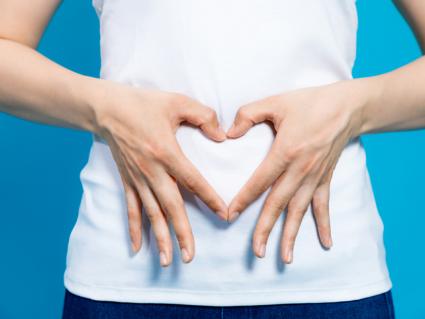
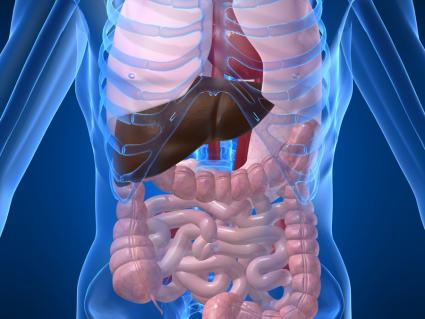
While mental health is a combination of many things, food has a huge influence on our brain chemistry. This is partly due to the mighty gut-brain connection, also called the “gut-brain axis” or GBA. This bidirectional communication flows between the central nervous system (or CNS, our brains) and the enteric nervous system (or ENS, our nervous system). The gut is now referred to as the “second brain” because of its role in everything from digestion to mood, even the way we think.
There are now metabolic treatments for mental health. Research has proven nutrition as metabolic treatment for anxiety to be especially beneficial. Medical nutrition therapy is not just about including (or eating) foods and nutrients that can heal, but it’s equally about avoiding (or not eating) the foods and ingredients that can harm.
The most common type of psychiatric condition in the US are anxiety disorders and one-third of individuals suffer from some form of anxiety during their lifetime. While standard of care medication and psychotherapy is effective, it’s successful in treating about half of patients and only one-quarter experience complete symptomatic resolution. Currently, there are about six nutritional strategies with emerging evidence of their efficacy in anxiety treatment or management. These strategies can include the following: elimination of artificial sweeteners, elimination of gluten, use of omega-3 fatty acids and/or turmeric (curcumin), maintaining adequate levels of vitamin D, and ketogenic diets. Additionally, gut-healing supplementation and nutrition therapies can be beneficial. This usually includes gut testing through comprehensive stool tests and working with a provider who can recommend probiotics and prebiotics tailored to individual needs.
Some key considerations for anyone struggling with anxiety and open to making dietary or lifestyle changes include:
1. Supplementing with vitamin D and getting sunshine on a daily basis
2. Omega-3 fatty acids (eating fatty fish and/or supplementing), a potent anti-inflammatory agent and beneficial for the gut microbiome
3. Include turmeric, researched as treatment for Alzheimer’s Perkinson’s, depression and anxiety
4. Avoid added sugar and processed vegetable oils, primary sources of inflammation and highly available in the Standard American Diet
5. Avoid artificial sweeteners, food dyes, and other additives as able; try bloack transportation of our neurotransmitters (or chemical messengers) dopamine and serotonin and increase levels of stress
6. Avoid gluten and other possible possible food sensitivities that cause inflammation and can increase gut permeability
7. Consider a ketogenic diet, researched as treatment for several mental illnesses, including ADHD, Parkinson’s, and anxiety
Resource:
https://www.ncbi.nlm.nih.gov/p..
Good Mood Food Related Blog Posts



Good Mood Food Related Services

Anti-Aging Therapy
How to Combat the Anti-Aging Process with Intravenous (IV) Therapies As we get older how do we combat the natural effects of the aging process?First, we have to look at some of the main factors that cause the symptoms of aging and degeneration. These symptoms include fatigue, muscle weakness or muscle loss, reduced stamina and endurance, poor memory and cognition, and chronic inflammation and…Anti-Aging Therapy
Nutritional Counseling
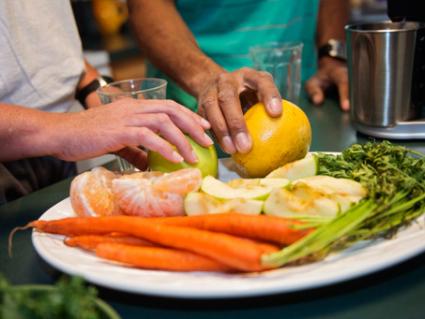
The practitioners at the Center recognize that diet is often the basis for your heath and your potential to heal. Adopting a healthy diet is often the first step towards correcting health problems. Many medical conditions can be treated more effectively when the patient implements specific diets and uses nutritional supplements. These interventions afford fewer complications and side effects than…Nutritional Counseling